Expenses That Qualify as 100% Deductible
Expenses that are 100% deductible are ordinary and necessary costs the IRS allows you to subtract in full from taxable income in the year they are paid. Common examples include business operating costs, advertising, professional fees, employee wages, office supplies, and qualifying property repairs that maintain a building’s existing condition.
These expenses share three traits. They must be ordinary in your trade or industry, necessary to operate, and fully consumed within the tax year. Capital purchases that extend an asset’s life do not qualify under this rule and follow depreciation schedules instead.
Common Fully Deductible Business Expenses
For service businesses and self-employed property professionals, fully deductible costs typically include advertising, office rent, business insurance, software subscriptions, licensing fees, payroll, contractor payments, and bank service charges. Vehicle costs tied directly to business use, professional education, and trade memberships also qualify. The IRS requires the expense to serve a clear business purpose with no personal benefit mixed in.
Property-Related Expenses That Qualify
For landlords and property managers, several property expenses are fully deductible in the year incurred. These include routine repairs, pest control, cleaning services, lawn care, HVAC servicing, plumbing fixes, and minor electrical work. Property management fees, tenant advertising, mortgage interest on rental properties, and insurance premiums also qualify. The key test is whether the work restores the property rather than upgrading it beyond its original condition.
Understanding what qualifies is the foundation. The application becomes more specific when you look at deductible repairs on rental properties and how each service category fits into the IRS framework.
How These Deductions Apply to Property Owners
Homeowners using a property as a personal residence cannot deduct most maintenance costs. Landlords and property managers operate under different rules because rental property is treated as an income-producing asset. Repair work, service calls, and routine upkeep performed on rental units typically qualify as fully deductible operating expenses.
Property managers who oversee multiple buildings can deduct service costs across painting, roofing repairs, drywall patching, water damage cleanup, locksmith calls, and pressure washing. Each invoice tied to maintaining habitability or function counts as a current-year deduction.
Repairs vs. Improvements: What the IRS Allows
The IRS draws a firm line between repairs and capital improvements. A repair restores the property to working order. An improvement adds value, extends useful life, or adapts the property to a new use. Fixing a leaking pipe is fully deductible. Replacing the entire plumbing system is a capital improvement and must be depreciated. Understanding how repairs differ from capital improvements prevents costly filing mistakes.
Limits, Exceptions, and Documentation Rules
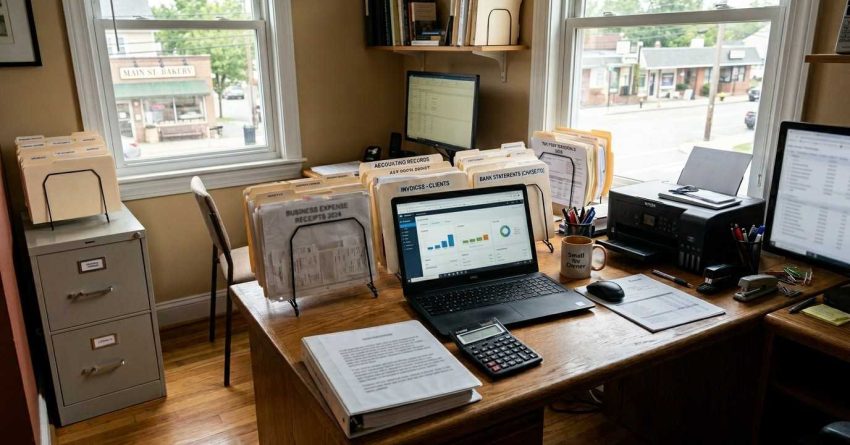
Not every expense labeled “deductible” qualifies at 100%. Business meals are generally limited to 50%. Entertainment expenses are no longer deductible at all. Personal-use portions of mixed expenses must be excluded. The IRS also requires proper documentation of every expense, including receipts, invoices, payment records, and a clear business purpose tied to each transaction.
For property owners, organized records by service category make audits easier and ensure no qualifying expense is missed. Keep separate logs for repairs, supplies, professional services, and contractor payments throughout the tax year.
Conclusion
Fully deductible expenses are ordinary, necessary, and consumed within the tax year, covering most routine business and rental property operating costs. Repairs qualify, while improvements depreciate over time.
For homeowners, landlords, and property managers, accurate categorization of every service call protects deductions and supports long-term property value through consistent, well-documented maintenance.
We help property owners stay ahead of repairs, upkeep, and service needs year-round. Connect with Mr. Local Services today to schedule trusted, fully documented home services.
Frequently Asked Questions
Are home repairs 100% deductible for homeowners?
No. Repairs on a personal residence are generally not deductible. Only rental properties, home offices, or business-use portions qualify for full deductions in the same tax year.
Is a new roof 100% deductible?
No. A new roof is a capital improvement and must be depreciated over the property’s useful life rather than deducted fully in the year installed.
Are cleaning services fully deductible for landlords?
Yes. Cleaning services performed on rental units between tenants or as routine maintenance qualify as 100% deductible operating expenses in the year paid.
Can I deduct HVAC repairs in full?
Yes, if the work restores the existing system. Replacing the entire HVAC unit counts as a capital improvement and must be depreciated, not fully deducted.
What documentation do I need for deductions?
Keep itemized invoices, proof of payment, contractor information, service dates, and notes describing the business or rental purpose tied to every deductible expense.