
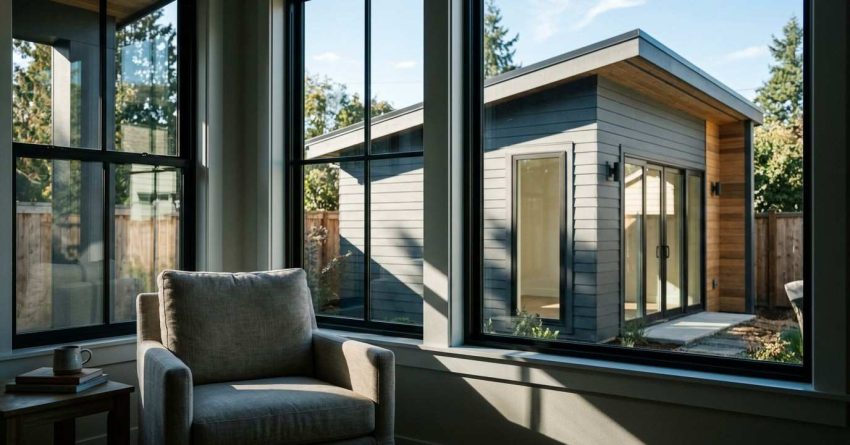
The main disadvantages of ADUs include high construction costs, complex zoning and permit requirements, added property maintenance, higher utility usage, potential loss of privacy, and possible impacts on resale value. While accessory dwelling units add flexible living space and rental income potential, they also introduce financial, legal, and lifestyle trade-offs that homeowners, landlords, and property managers should weigh carefully before starting a project.
The Main Disadvantages of ADUs at a Glance
Accessory dwelling units carry six core drawbacks: upfront costs of $100,000 to $300,000, restrictive zoning laws, long permit timelines, added maintenance responsibilities, higher utility and insurance expenses, and reduced yard space or privacy. These factors can affect both the short-term budget and the long-term value of the property.
High Upfront Construction Costs
Building an ADU is a major financial commitment. Costs vary by size, materials, and location, but detached units often run into six figures once design, foundation, framing, plumbing, and electrical work are included. Financing can be difficult, since traditional mortgages rarely cover ADUs directly. Homeowners often rely on home equity loans, cash-out refinancing, or construction loans, which can raise monthly payments. Unexpected site conditions, such as sloped lots or outdated utility connections, frequently push budgets over the original estimate.
Complex Permits and Zoning Restrictions
ADU rules differ by city, county, and state. Some jurisdictions cap unit size, limit occupancy, require owner residency, or restrict short-term rentals. Setback rules, height limits, parking requirements, and utility hookup standards can delay or shrink a project. Permit approval often takes several months, and inspections happen at multiple construction stages. Non-compliant builds can lead to fines, forced removal, or issues at resale, making early research essential for any property owner considering an ADU.
Understanding the financial and legal side is the starting point. Navigating local ADU zoning rules shapes how these disadvantages play out in your specific city or county.
How ADU Drawbacks Show Up in Everyday Ownership
Once built, an ADU becomes a second property to manage. Roofing, plumbing, HVAC, appliances, and exterior finishes all require ongoing upkeep. Landlords take on tenant screening, lease management, and repair calls that can arrive at any hour. Insurance premiums typically rise, and property taxes may increase after reassessment.
Maintenance, Utilities, and Privacy Trade-Offs
Shared utility lines can raise monthly bills, especially when water heaters, HVAC systems, or laundry hookups run on the same meter. Yard space usually shrinks, reducing outdoor use and sometimes blocking natural light to the main home. Privacy is another concern, since windows, entrances, and shared driveways bring tenants or family members into closer daily contact. For owners who prefer coordinated care across both structures, full-scope remodeling support can help align finishes, systems, and long-term upkeep.
When an ADU May Not Be the Right Choice
An ADU may not fit every property. Small lots, HOA restrictions, older utility systems, or limited financing options can make the project impractical. Owners planning to sell within a few years may not recover the investment, especially in markets where buyers do not value secondary units. In these cases, a home addition, garage conversion, or targeted remodel may deliver better returns with fewer regulatory and lifestyle trade-offs.
Conclusion
ADUs offer flexible space and income potential, but they bring real costs, zoning complexity, and ongoing management responsibilities that shape long-term ownership.
For homeowners, landlords, and property managers, weighing these disadvantages against local rules, budget, and lifestyle goals is the smart path to a confident decision.
We help you plan, build, and maintain ADUs the right way. Talk to Mr. Local Services today and get connected with trusted professionals near you.
Frequently Asked Questions
Are ADUs a bad investment?
Not always. ADUs can add rental income and property value, but high build costs, taxes, and maintenance may reduce returns in slower markets or short ownership periods.
Do ADUs lower property value?
Usually no, but poorly designed, unpermitted, or oversized ADUs can hurt resale by limiting buyer appeal, raising insurance concerns, and creating financing complications during appraisal.
How long does it take to build an ADU?
Most ADUs take six to twelve months, including design, permits, and construction. Delays from zoning reviews, inspections, or supply issues can extend timelines further.
Do ADUs increase property taxes?
Yes, in most areas. Adding livable square footage typically triggers reassessment, which raises annual property taxes based on the new improved value of the parcel.
Can I rent out my ADU short-term?
It depends on local rules. Many cities restrict short-term rentals, require owner occupancy, or limit rentals to long-term tenants only, so always confirm regulations first.


