
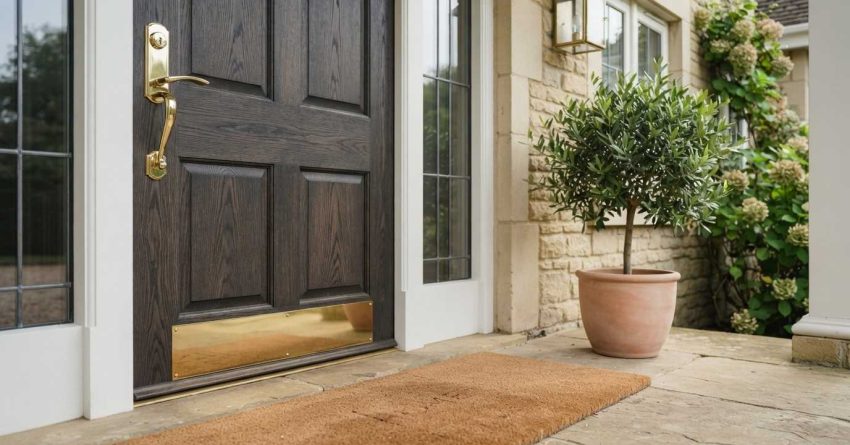
Suze Orman firmly recommends paying off your house before you retire. She views a mortgage-free home as one of the strongest financial and emotional foundations a homeowner can build. For homeowners, landlords, and property managers weighing whether to accelerate mortgage payments, her advice offers a clear framework: eliminate housing debt early, protect your cash flow in retirement, and reinvest the freed resources into maintaining and improving the property you own outright.
Suze Orman’s Direct Advice on Paying Off Your Mortgage
Suze Orman advises homeowners to pay off their mortgage before retirement. She believes carrying a home loan into your later years creates unnecessary financial pressure, especially when income becomes fixed. A paid-off home lowers monthly expenses, reduces reliance on savings, and gives owners full control over their most valuable asset.
Orman consistently states that entering retirement with a mortgage is one of the biggest financial mistakes homeowners make. Her position is grounded in cash flow security, not investment theory. She prioritizes stability, ownership, and predictable living costs over the potential returns of keeping mortgage money invested elsewhere.
Why She Recommends Paying It Off Before Retirement
Orman’s reasoning centers on income change. Once regular paychecks stop, every fixed expense becomes a drain on limited resources. A mortgage payment often represents the largest monthly obligation a retiree faces, and eliminating it dramatically lowers the income needed to live comfortably. She argues that reducing required income is more powerful than chasing higher returns, because it removes risk from the equation entirely and gives retirees breathing room during market downturns.
The Emotional and Financial Security Factor
Beyond the numbers, Orman emphasizes peace of mind. A paid-off home cannot be taken during job loss, illness, or economic uncertainty. She frames homeownership as security rather than leverage, especially for owners approaching their 60s and beyond. This mindset shifts the home from a financial instrument back into a stable base, allowing owners to focus resources on health, family, and property care instead of debt servicing.
Understanding her reasoning is the starting point. Protecting the long-term value of your home becomes the next priority once the mortgage is gone.
How Paying Off Your Home Affects Property Value and Upkeep
Once your mortgage is paid, your monthly obligation shifts from lender to property. Without a loan payment, more of your budget can go directly into keeping the home safe, functional, and well-maintained. This is where many homeowners see the true benefit of Orman’s advice: freed cash flow becomes a maintenance and improvement engine that preserves the asset they now fully own.
Homes without mortgages still require consistent care. Roofs age, HVAC systems wear down, plumbing needs attention, and exteriors demand upkeep. A paid-off home only holds its value when owners reinvest into it strategically, treating maintenance as protection rather than an expense.
Reinvesting Savings Into Home Maintenance and Improvements
Redirecting former mortgage dollars into your property is one of the most effective ways to preserve wealth. Routine maintenance prevents small issues from becoming major repairs, while targeted improvement projects that build equity can increase resale value and daily livability. Homeowners often prioritize roofing, HVAC servicing, electrical updates, and cosmetic upgrades like painting and flooring. Each investment protects the underlying asset and reduces long-term risk.
When Paying Off Your House Early May Not Be the Right Move
Orman’s advice fits most homeowners approaching retirement, but not every situation. Owners with high-interest debt, no emergency fund, or underfunded retirement accounts should address those gaps first. Younger homeowners with low mortgage rates and strong investment growth may also benefit from balancing payoff with other financial goals. The core principle stays intact: prioritize security, but sequence decisions based on your full financial picture, not one rule alone.
Conclusion
Suze Orman’s message is direct: pay off your house before retirement to secure your financial and emotional future. A mortgage-free home lowers risk, reduces required income, and creates a stable foundation for the years ahead.
Once the mortgage is gone, the focus shifts to protecting that investment through routine preventive repairs and consistent maintenance that keep the property safe and valuable for decades.
We help homeowners protect what they own. Connect with Mr. Local Services today for trusted maintenance, repair, and improvement solutions.
Frequently Asked Questions
At what age does Suze Orman say you should pay off your house?
Suze Orman recommends paying off your mortgage before you retire, ideally by your early to mid-60s, to reduce fixed expenses on a limited income.
Does Suze Orman recommend paying off your mortgage early?
Yes. She strongly supports paying off your mortgage early, especially as retirement approaches, because it lowers required income and eliminates a major financial risk.
Is it better to pay off your house or invest according to Suze Orman?
Orman prioritizes paying off your home over aggressive investing near retirement, favoring guaranteed security over market-dependent returns for most homeowners.
What are the downsides of paying off your mortgage early?
Downsides include reduced liquidity, potential loss of tax benefits, and missed investment growth if your mortgage rate is significantly lower than expected market returns.
Should landlords pay off rental property mortgages early?
Landlords may benefit from paying off rental mortgages to boost cash flow and lower risk, though many prefer leverage for portfolio growth and tax advantages.


