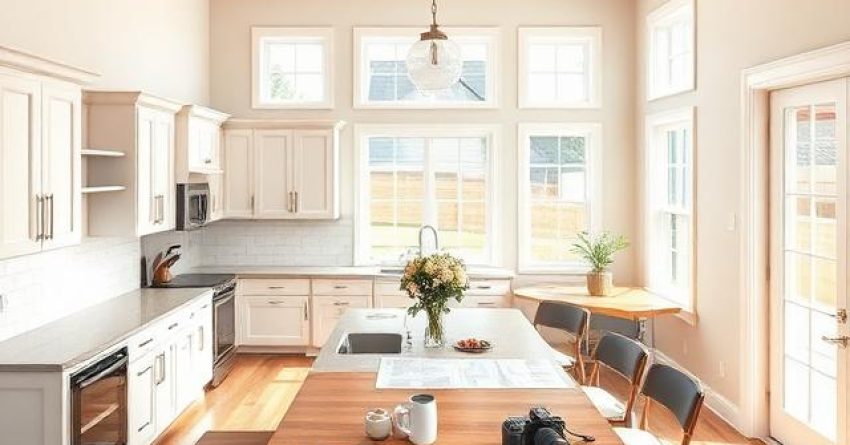
A punch list for a new build is a written record of every incomplete item, defect, or unfinished detail that the builder must correct before you accept the property. It covers everything from a sticking door to a missing outlet cover — and catching these issues before closing is far easier than resolving them after you move in.
Skipping a thorough walk-through is one of the most costly mistakes new homeowners make, leaving defects undiscovered until they become expensive repairs.
This template organizes every inspection category — exterior, interior, mechanical systems, and safety — so you can walk through your new build with confidence and document every item that needs attention.
What Is a Punch List for New Construction?
A punch list is a formal document used at the end of a construction project to identify all remaining tasks, defects, and unfinished work that must be completed before final payment or property transfer. The term comes from the traditional practice of punching a hole next to each completed item on a paper list.
For homeowners and property managers, the punch list walk-through is the last opportunity to hold the builder accountable for the quality of work before closing. Items found after closing may still be covered under a builder warranty, but the process of getting them corrected becomes significantly more complicated.
A thorough punch list covers four main areas: exterior elements, interior finishes, mechanical systems, and safety features. Once your new build becomes a maintained property, our home maintenance guide covers every service category you will need to keep it in top condition year-round.
Exterior Punch List Items to Inspect
The exterior of a new build is exposed to weather immediately after construction, making defects here both visible and urgent. Walk the full perimeter and document every item that does not meet the finished standard shown in your contract or specification sheet.
Roofing and Gutters
- All shingles are fully seated with no lifted edges or missing fasteners
- Flashing is sealed correctly at all roof penetrations, valleys, and wall junctions
- Gutters are securely attached, properly pitched toward downspouts, and free of debris
- Downspouts discharge water at least six feet from the foundation
- Soffit and fascia are painted, sealed, and free of gaps
If your walk-through reveals missing shingles, improper flashing, or gutter gaps, our roofing inspection services explains exactly what a professional roofing assessment covers and when to schedule one.
Siding, Trim, and Paint
- Siding panels are fully fastened with no warping, gaps, or misaligned seams
- All exterior trim is painted to the specified color with no bare wood visible
- Caulking is applied at all joints, corners, and penetrations
- No paint drips, brush marks, or uneven coverage on any surface
Uneven paint coverage, visible brush marks, or unpainted trim sections are common new-build defects — our exterior painting services outlines what a professional touch-up or full repaint includes for new construction.
Driveways, Walkways, and Landscaping
- Driveway surface is free of cracks, low spots, and unfinished edges
- Walkways are level, properly jointed, and clear of trip hazards
- Grading slopes away from the foundation on all sides
- Sod, seed, or landscaping specified in the contract is installed and established
- Irrigation system (if included) operates correctly at all zones
Grading issues, missing sod, or incomplete walkway edging should be flagged before closing — our landscape and yard services details how professionals correct drainage, grading, and planting deficiencies on new builds.
Interior Punch List Items to Inspect
Interior defects are often finish-level issues that are easy to overlook during a quick walk-through. Slow down in each room and inspect every surface at close range and in good lighting.
Walls, Ceilings, and Floors
- No nail pops, tape seams, or visible texture inconsistencies on drywall
- Paint is applied evenly with no roller marks, holidays, or color bleed at trim lines
- Ceiling texture is consistent throughout each room
- Flooring is fully seated with no gaps, squeaks, or uneven transitions between rooms
- Baseboards and crown molding are fully nailed, caulked, and painted
Nail pops, tape seams, and uneven texture are among the most frequently missed interior defects — our drywall and ceiling repair explains how these issues are corrected to a finished standard.
Doors and Windows
- Every interior and exterior door opens, closes, and latches without resistance
- Door hardware is fully installed and operates smoothly
- No visible gaps between door frames and rough openings
- All windows open, close, lock, and seal correctly
- No condensation between window panes indicating a failed seal
- Screens are installed and undamaged
Doors that stick, fail to latch, or show visible gaps around the frame require professional adjustment — our door installation and repair covers alignment, hardware, and weatherstripping corrections. Windows that do not open smoothly or seal properly against drafts are equally common — our window inspection services outlines what a professional window check includes.
Cabinets, Countertops, and Fixtures
- Cabinet doors and drawers align correctly and close flush
- All cabinet hardware is installed and tightened
- Countertop seams are tight and properly sealed
- Backsplash tile is fully grouted with no hollow spots or cracked tiles
- All plumbing fixtures under sinks are connected and leak-free
Cabinet doors that do not align, countertop seams that are visible, or trim that is not flush are finish-level defects — our cabinet and trim carpentry explains how skilled carpenters correct these issues before final sign-off.
Systems and Mechanical Punch List Items
Mechanical systems are the most consequential items on any punch list. A defect here can affect comfort, safety, and long-term property value. Test every system under normal operating conditions during your walk-through.
HVAC System Checks
- System powers on and responds correctly to thermostat settings in both heating and cooling modes
- All supply and return vents are installed, unobstructed, and delivering conditioned air
- No unusual noises during startup or operation
- Filter is installed and accessible
- Condensate drain line is clear and properly routed
Verifying that every vent delivers conditioned air and that the system runs without unusual noise is a critical punch list step — our HVAC system inspection explains what a professional commissioning check covers.
Plumbing Checks
- All faucets, showers, and tubs deliver hot and cold water at adequate pressure
- Every drain flows freely with no slow drainage or gurgling
- No visible leaks under sinks, at supply lines, or at fixture connections
- Toilets flush completely and refill without running continuously
- Water heater is set to the correct temperature and shows no signs of leaks
Checking every fixture for leaks, confirming water pressure at each outlet, and testing drain flow are non-negotiable punch list items — our plumbing inspection services details what a licensed plumber verifies during a new-build walk-through.
Electrical Checks
- Every outlet is functional and correctly polarized (use a plug-in outlet tester)
- All switches operate the correct fixtures
- GFCI outlets in kitchens, bathrooms, garages, and exterior locations trip and reset correctly
- Breaker panel is labeled accurately and all breakers seat firmly
- All light fixtures are installed, operational, and free of damage
Every outlet, switch, breaker, and fixture should be tested before closing — our electrical inspection checklist outlines what a licensed electrician reviews during a new construction final inspection.
Safety and Accessibility Punch List Items
Safety items must meet local building codes before occupancy is permitted. Verify each item independently — do not rely solely on the builder’s certificate of occupancy.
- Smoke detectors are installed in every bedroom, outside each sleeping area, and on every level
- Carbon monoxide detectors are installed on every level with sleeping areas
- All stair handrails are at the correct height and fully secured
- Guardrails on decks, balconies, and open stairways meet height and spacing requirements
- Garage door auto-reverse function operates correctly
- All exterior doors have functioning deadbolts
Grab bars, handrail heights, threshold clearances, and smoke detector placement are safety items that must meet code before occupancy — our safety and mobility features covers accessibility upgrades and code-compliant safety installations.
How to Use This Punch List Before Closing
Walk through the property with this checklist printed or on a mobile device. Move room by room and system by system, checking each item and noting the exact location of any defect. Photograph every issue with a timestamp. Submit the completed list to your builder in writing and request a written response with a correction timeline before your closing date.
Do not close on a property with unresolved punch list items unless you have a written agreement — signed by the builder — that specifies exactly which items will be corrected, by what date, and what financial remedy applies if they are not. Many punch list items are minor repairs that a skilled handyman can resolve quickly before your closing date — our handyman punch list repairs explains how a professional handyman addresses common new-build deficiencies efficiently.
If you identify items that require a licensed trade professional, schedule those inspections before closing rather than after. Builders are far more responsive to correction requests before final payment than after.
Conclusion
A complete punch list protects your investment by ensuring every defect, unfinished item, and code requirement is documented and resolved before you take ownership. Exterior surfaces, interior finishes, mechanical systems, and safety features all require careful inspection.
Addressing punch list items before closing is always faster, less expensive, and less stressful than pursuing corrections after the fact. The builder’s accountability ends at closing.
At Mr. Local Services, our skilled professionals handle every trade on this list — from roofing and electrical to carpentry and HVAC — so you can close with confidence knowing every item is resolved to the right standard.
Frequently Asked Questions
What is a punch list in new construction?
A punch list in new construction is a written document that records all incomplete work, defects, and unfinished items that the builder must correct before the property is transferred to the buyer. It is completed during a final walk-through inspection before closing.
Who is responsible for completing punch list items?
The builder or general contractor is responsible for completing all punch list items identified before closing. Items discovered after closing may fall under the builder’s warranty, but the correction process is typically slower and more difficult to enforce.
How long does a builder have to complete punch list items?
Most builders aim to complete punch list items within 30 to 60 days of the walk-through, though timelines vary by contract. Always get a written correction schedule before closing rather than accepting a verbal commitment.
Can I use a home inspector for my new build punch list?
Yes, hiring an independent home inspector for a new build walk-through is strongly recommended. A licensed inspector will identify defects that are easy to miss during a self-guided walk-through and provides a professional report you can submit directly to the builder.
What happens if punch list items are not completed before closing?
If punch list items remain unresolved at closing, you should negotiate a written agreement that specifies the correction timeline and a financial remedy — such as funds held in escrow — if the builder does not complete the work as agreed.