A pre-closing inspection is your last opportunity to verify that a property is in the agreed-upon condition before ownership transfers — and skipping it can cost thousands in undetected repairs. Buyers, landlords, and property managers who follow a structured walkthrough catch deficiencies early, create documentation for negotiation, and avoid costly surprises after the keys change hands.
This guide matters because closing day moves fast, and issues missed during the final walkthrough become your responsibility the moment you sign. A clear strategy keeps you focused.
This checklist covers every major system, surface, and safety feature to inspect before closing, with practical steps to take when problems are found.
What Is a Pre-Closing Inspection?
A pre-closing inspection is a structured walkthrough conducted by the buyer, property manager, or a hired professional in the days immediately before a real estate transaction closes. Its purpose is to confirm that the property’s condition matches what was agreed upon in the purchase contract, that previously negotiated repairs were completed, and that no new damage has occurred since the initial inspection.
This walkthrough is distinct from the original home inspection, which is typically conducted earlier in the transaction for discovery purposes. The pre-closing review is a verification step, not a new discovery process.
Understanding what a pre-closing inspection covers is easier when you know the full range of home inspection services available to buyers and property owners before a transaction closes.
Key items to confirm during this walkthrough include:
- All agreed-upon repairs have been completed
- No new water damage, pest activity, or structural changes are present
- All appliances, systems, and fixtures included in the sale are functional
- The property has been cleaned and cleared of the seller’s belongings
Structural and Exterior Checks
Roof, Gutters, and Drainage
The exterior is the first line of defense against weather damage, and pre-closing is the right time to confirm its condition has not changed since the original inspection.
Walk the perimeter and look for missing or displaced shingles, sagging rooflines, clogged or detached gutters, and standing water near the foundation. Check downspouts to confirm they direct water away from the structure. Look for new staining on soffits or fascia boards, which can indicate recent water intrusion.
If the walkthrough reveals missing shingles, sagging areas, or blocked gutters, our roofing inspection checklist outlines every exterior roofing condition a qualified professional should assess before closing.
Foundation, Walls, and Siding
Inspect the foundation perimeter for new cracks, efflorescence (white mineral deposits), or signs of shifting. Check exterior walls and siding for gaps, warping, or damage that was not present during the original inspection. Confirm that any previously identified cracks were repaired as agreed.
Interior Systems Walkthrough
HVAC, Plumbing, and Electrical
Interior systems represent the highest-cost repair categories in any property transaction. Each one must be tested, not just visually inspected.
Run the heating and cooling system through a full cycle. Confirm airflow from every vent, check thermostat responsiveness, and listen for unusual sounds. A functioning heating and cooling system is one of the most critical closing requirements — our HVAC system inspection guide explains what technicians check and what red flags to watch for.
Test every faucet, flush every toilet, and run the shower in each bathroom. Slow drains, low water pressure, or visible pipe corrosion are common pre-closing concerns — our plumbing walkthrough guide covers every system check a buyer or property manager should request.
Test every outlet, switch, and light fixture. Confirm the panel is accessible and labeled. Outdated panels, exposed wiring, and non-functioning outlets are serious closing blockers — our electrical safety inspection resource details what a licensed electrician evaluates during a pre-closing review.
Appliances and Built-In Fixtures
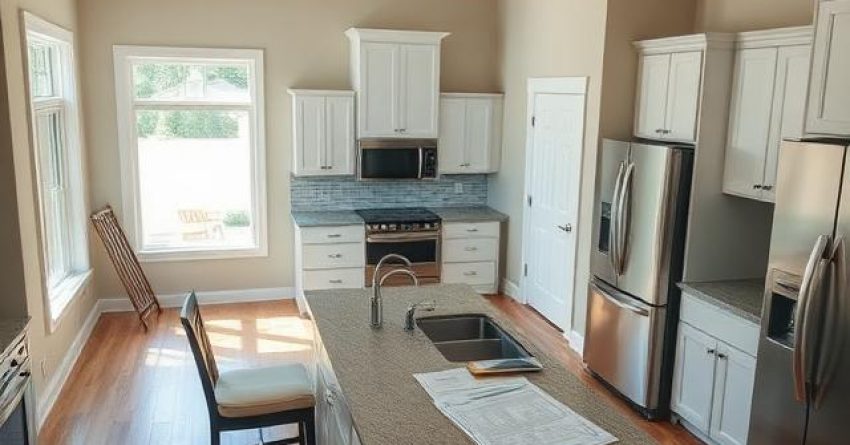
Every appliance included in the sale must be tested before closing day. Run the dishwasher through a cycle, test all burners and oven functions, confirm the refrigerator maintains temperature, and run the garbage disposal. Built-in appliances included in the sale must be tested before closing — our appliance condition check explains what to verify and how to document deficiencies for negotiation.
Safety and Accessibility Review
Safety systems are non-negotiable closing requirements in most jurisdictions. Test every smoke detector and carbon monoxide detector. Confirm batteries are functional and units are properly mounted. Check that fire extinguishers are present where required and within their service date.
For properties with stairlifts, grab bars, ramp systems, or other accessibility modifications, confirm all installations are secure and operational. Properties with accessibility features or aging-in-place modifications require a dedicated safety and mobility review to confirm all installations meet current safety standards before the transaction closes.
Verify that all egress windows open fully and that emergency exit paths are clear.
Cosmetic and Finish Inspection
Flooring, Walls, and Ceilings
Cosmetic conditions affect both property value and negotiating leverage. Walk every room and document any new damage that was not present during the original inspection.
Check flooring for scratches, lifting edges, soft spots, or staining. Scratched hardwood, lifting tile, or damaged subfloor are negotiating points that a thorough flooring condition assessment can document clearly before the closing date.
Inspect walls and ceilings for new cracks, staining, or soft spots. Water stains, cracks, or soft spots in ceilings and walls often signal deeper moisture issues — our drywall and ceiling check guide helps buyers identify what needs repair before closing.
Windows, Doors, and Locks
Test every window for smooth operation, intact seals, and undamaged frames. Fogged glass, broken seals, or damaged frames are common pre-closing findings — our window seal inspection explains what to look for and when replacement is warranted.
Open and close every interior and exterior door. Sticking doors, misaligned frames, or damaged weatherstripping affect both security and energy efficiency — our door and frame inspection resource covers every check a buyer should complete before closing.
Test all entry locks, deadbolts, and sliding door hardware. Verifying that all entry locks, deadbolts, and hardware function correctly is a critical final step — our lock and hardware check guide outlines what to test and when to request rekeying before taking ownership.
What to Do When Issues Are Found
Document every deficiency with photographs and written notes before leaving the property. Do not sign closing documents until you have a clear resolution plan for any significant findings.
For minor deficiencies identified during the walkthrough, our handyman repair services team can address punch-list items quickly so closing timelines stay on track.
For more serious findings, request a credit, a price reduction, or written confirmation that repairs will be completed before closing. If moisture intrusion, staining, or active leaks are discovered during the inspection, a professional water damage assessment should be completed before any closing agreement is finalized.
Contact Mr. Local Services to connect with qualified professionals who can assess, document, and resolve pre-closing deficiencies efficiently — keeping your transaction on schedule and protecting your investment.
Conclusion
A pre-closing inspection strategy gives buyers and property managers a structured, reliable way to verify property condition before ownership transfers. Covering structural systems, interior mechanics, safety features, and cosmetic finishes ensures nothing critical is missed.
Catching deficiencies before closing protects your investment, strengthens your negotiating position, and prevents costly surprises after the transaction is complete.
Mr. Local Services connects you with skilled professionals across every service category — from roofing and plumbing to electrical and safety systems — so every finding gets resolved quickly and your closing stays on track.
Frequently Asked Questions
What is the difference between a pre-closing inspection and a home inspection?
A home inspection is a discovery process conducted early in the transaction to identify deficiencies. A pre-closing inspection is a verification walkthrough confirming agreed repairs were completed and no new damage has occurred since the original inspection.
How long does a pre-closing walkthrough typically take?
Most pre-closing walkthroughs take between one and three hours depending on property size. Larger homes or properties with multiple systems and units may require additional time to test all fixtures, appliances, and safety features thoroughly.
Can a buyer back out of a sale based on pre-closing inspection findings?
This depends on the terms of the purchase contract. In most cases, buyers can request repairs, credits, or price reductions. Backing out entirely typically requires a specific contingency clause that permits it based on inspection results.
What should I bring to a pre-closing walkthrough?
Bring a copy of the original inspection report, the repair agreement or addendum, a phone or camera for documentation, a notepad, and a phone charger to test outlets. A flashlight is useful for checking crawl spaces, attics, and utility areas.
Who should attend the pre-closing inspection?
The buyer or their representative should always attend. A real estate agent, attorney, or professional inspector can also attend. Having the original inspector present is helpful when verifying that previously identified repairs were completed correctly.