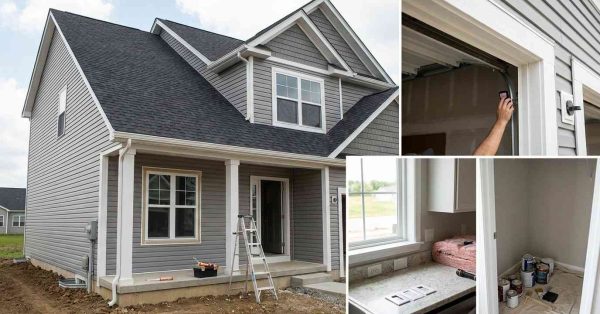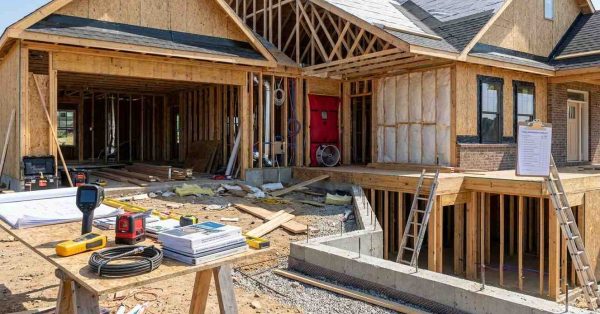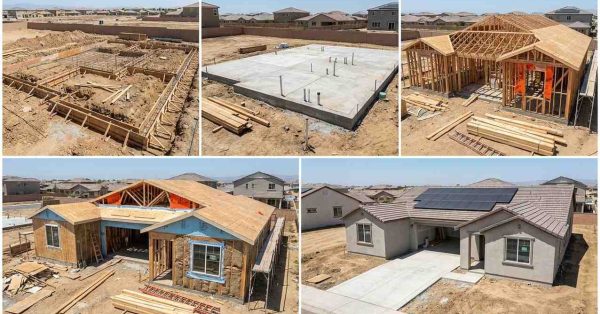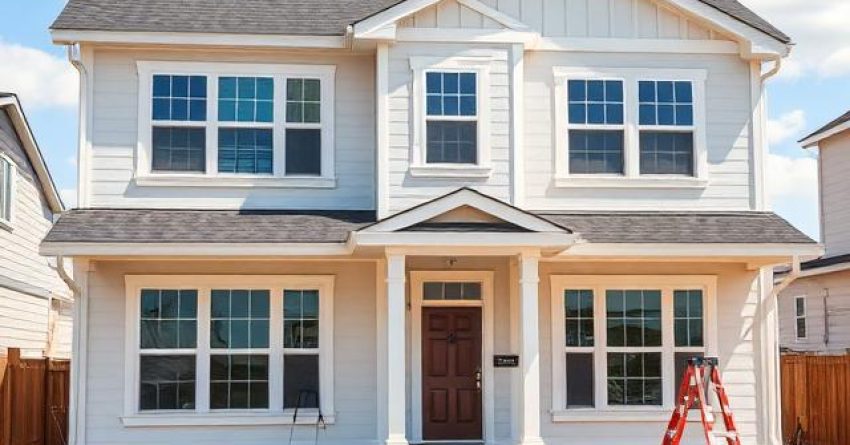
A punch list resolution timeline typically runs between one and four weeks for most residential projects, depending on the number of open items, contractor availability, and the complexity of repairs needed. For larger remodels or new construction, resolution can extend to six weeks or more when multiple trades are involved.
Delays in punch list completion are one of the most common frustrations homeowners and property managers face at the end of a project. Knowing what drives the timeline helps you stay in control.
This guide explains what a punch list is, how the resolution process works step by step, and what you can do to keep completion on schedule from the first walkthrough to final sign-off.
What Is a Punch List in Home Services?
A punch list is a documented record of unfinished work, defects, or items that do not meet the agreed-upon standard at the end of a construction, remodel, or repair project. It serves as the formal checklist that must be completed before a contractor is considered done and final payment is released.
The term comes from the construction industry, where inspectors would physically punch a hole next to each item as it was completed. Today, punch lists are managed digitally or on paper, but the purpose remains the same: create a clear, shared record of what still needs to be done.
Understanding what a punch list covers becomes especially important when comparing property types — our custom home investment analysis breaks down how construction handover expectations differ between custom builds and spec homes, helping buyers set realistic completion standards from the start.
Common Items Found on a Punch List
Punch list items vary by project type, but the most frequently documented issues include:
- Paint touch-ups, scuffs, or missed coverage areas
- Doors and windows that do not open, close, or latch correctly
- Trim, molding, or caulking that is incomplete or misaligned
- Fixtures that are loose, missing hardware, or improperly installed
- Flooring gaps, uneven transitions, or surface damage
- Electrical outlets, switches, or lighting that are non-functional
- Plumbing connections with minor leaks or incomplete finishes
Each item is assigned to the responsible trade or contractor, with a target completion date attached.
Who Creates and Manages the Punch List?
On new construction projects, the general contractor typically creates the initial punch list during a pre-closing walkthrough with the homeowner. On remodels or service projects, the homeowner, property manager, or project supervisor may generate the list independently.
For property managers overseeing multiple units, a standardized punch list template ensures consistency across projects and reduces the risk of items being overlooked during handover.
How Long Does Punch List Resolution Take?
The resolution timeline depends on how many items are on the list, how quickly contractors respond, and whether any items require specialty trades or material orders. Most straightforward residential punch lists are resolved within one to three weeks. Complex projects with structural, mechanical, or specialty finish items can take four to six weeks.
A dedicated breakdown of resolution by project type covers typical durations for remodels, new builds, and renovation projects so homeowners can plan accordingly.
Factors That Affect the Timeline
Several variables directly influence how quickly a punch list gets resolved:
Contractor availability is the most common bottleneck. Subcontractors working across multiple job sites may not prioritize punch list items unless a clear deadline is established in the contract.
Number and complexity of items matters significantly. A list with fifteen minor cosmetic fixes resolves faster than one with five items requiring specialty materials or licensed trade work.
Material lead times can extend timelines unexpectedly. If a replacement fixture, tile, or hardware component needs to be ordered, resolution stalls until the material arrives.
Weather and site access affect exterior punch list items such as roofing, siding, painting, or landscaping corrections.
Communication gaps between the homeowner, general contractor, and subcontractors create delays when responsibilities are unclear or follow-up is inconsistent.
Typical Timelines by Project Type
| Project Type | Typical Resolution Window |
| Minor home repair or handyman service | 3–7 days |
| Kitchen or bathroom remodel | 1–3 weeks |
| Whole-home renovation | 2–5 weeks |
| New residential construction | 3–6 weeks |
| Commercial tenant improvement | 4–8 weeks |
These ranges assume prompt contractor response and no material delays. Adding buffer time of one to two weeks is advisable for any project involving multiple trades.
The Punch List Resolution Process Step by Step
A structured process reduces the risk of items being missed, disputed, or left unresolved past the agreed completion date. The following steps apply to most residential and light commercial projects.
Initial Walkthrough and Item Documentation
The resolution process begins with a thorough walkthrough of the completed work. The homeowner or property manager moves through each area systematically, documenting every item that does not meet the agreed standard.
Effective documentation includes:
- A written description of each defect or incomplete item
- The location within the property (room, wall, fixture)
- A photograph showing the issue clearly
- The trade or contractor responsible for the correction
- A target completion date for each item
Using a numbered list format makes tracking easier and prevents disputes about whether a specific item was included in the original punch list.
Assigning Trades and Scheduling Repairs
Once the list is finalized, each item is assigned to the responsible contractor or trade. The general contractor or project manager coordinates scheduling, ensuring that trades are sequenced correctly. For example, drywall repairs should be completed before painting, and painting should be finished before trim installation.
Clear written communication at this stage prevents the most common source of punch list delays: contractors who claim they were never notified or who dispute responsibility for a specific item.
Final Inspection and Sign-Off
After all items are reported as complete, a second walkthrough confirms that each correction meets the required standard. Items that are not satisfactorily resolved are returned to the list with a revised completion date.
A structured final walkthrough checklist ensures no item is missed before a contractor is released from responsibility. Sign-off should be documented in writing, with both parties acknowledging that all punch list items have been resolved to the agreed standard before final payment is released.
Why Punch List Delays Happen and How to Prevent Them
Punch list delays are rarely caused by a single problem. They typically result from a combination of poor documentation, unclear contractor accountability, and inadequate follow-up. Understanding the root causes makes prevention straightforward.
Delays are especially common when buyers are unfamiliar with what to expect at handover — understanding the spec home handover process in advance gives property owners a clearer picture of contractor obligations and realistic completion windows.
Best Practices for Keeping Resolution on Track
Set a contractual deadline before the project ends. Punch list completion should be written into the original contract with a specific resolution window, typically 14 to 30 days from the date of substantial completion.
Document everything in writing. Verbal agreements about punch list items are difficult to enforce. Every item, assignment, and deadline should be confirmed in writing via email or a shared project management tool.
Follow up consistently. A weekly check-in with the general contractor during the resolution period keeps items from stalling. If a contractor misses a scheduled repair date, follow up the same day.
Withhold final payment until sign-off. Retaining a portion of the final payment until all punch list items are resolved is the most effective incentive for timely completion. This is standard practice in construction contracts and should be applied to major remodel projects as well.
Use a single point of contact. Routing all punch list communication through one person on each side reduces confusion and prevents items from falling through the cracks when multiple trades are involved.
How Mr. Local Services Handles Punch List Completion
Mr. Local Services coordinates punch list resolution across all trades involved in a project, providing homeowners and property managers with a single point of contact from the initial walkthrough through final sign-off. Rather than chasing multiple contractors independently, clients receive a consolidated resolution plan with assigned timelines for every open item.
The team handles scheduling, trade coordination, and quality verification at each stage, ensuring that corrections meet the agreed standard before the item is marked complete. For property managers overseeing multiple units or projects simultaneously, this coordinated approach reduces resolution time and eliminates the administrative burden of managing multiple contractor relationships.
Contact Mr. Local Services to schedule a punch list walkthrough and get a clear resolution timeline for your project.
Conclusion
A well-managed punch list resolution timeline protects both the homeowner and the contractor by creating a clear, documented path from project completion to final sign-off. Understanding what drives timelines and where delays originate puts property owners in a stronger position to enforce completion standards.
Applying consistent documentation, written deadlines, and structured follow-up reduces resolution time across every project type, from minor repairs to full-scale renovations.
Mr. Local Services provides coordinated punch list management for homeowners, landlords, and property managers — reach out today to get every open item resolved efficiently and on schedule.
Frequently Asked Questions
What is a reasonable punch list resolution timeline for a home remodel?
Most residential remodel punch lists are resolved within one to three weeks. Projects with specialty materials or multiple trades may require up to five weeks, particularly when material orders or subcontractor scheduling are involved.
Can a homeowner withhold final payment until the punch list is complete?
Yes. Withholding a portion of the final payment until all punch list items are resolved is standard practice and is typically written into construction and remodel contracts as a retention clause to ensure contractor accountability.
What happens if a contractor refuses to complete punch list items?
If a contractor fails to resolve punch list items within the agreed timeframe, the homeowner may hire another contractor to complete the work and deduct the cost from the final payment. Documenting all communication in writing is essential before taking this step.
How many items is normal on a residential punch list?
A typical residential remodel or new construction punch list contains between 10 and 50 items. Larger projects or those with complex finishes may have more. A list with fewer than 10 items is considered a clean handover.
Who is responsible for creating the punch list?
The homeowner, property manager, or project supervisor typically creates the punch list during the final walkthrough. On new construction, the general contractor often conducts a pre-walkthrough to identify and resolve obvious items before the owner’s inspection.
Does a punch list affect the project warranty?
Unresolved punch list items can complicate warranty claims if defects are not documented before final sign-off. Completing the punch list and obtaining written sign-off establishes a clear baseline for any warranty work that arises after project completion.
How do I track punch list items effectively?
A numbered list with item descriptions, photos, assigned contractors, and target completion dates is the most effective format. Shared digital tools or a simple spreadsheet allow all parties to track status in real time and reduce disputes about what was included.