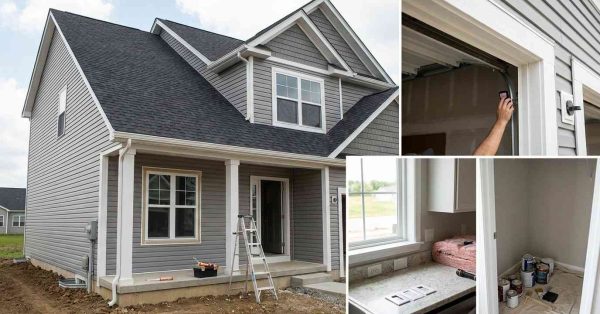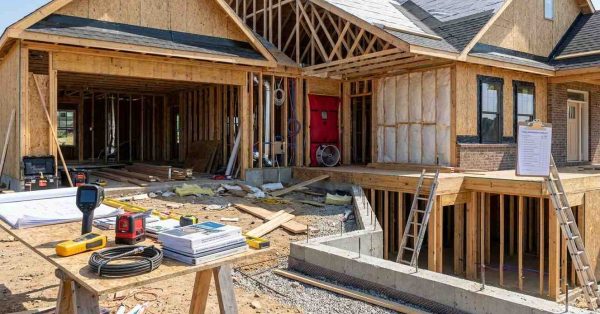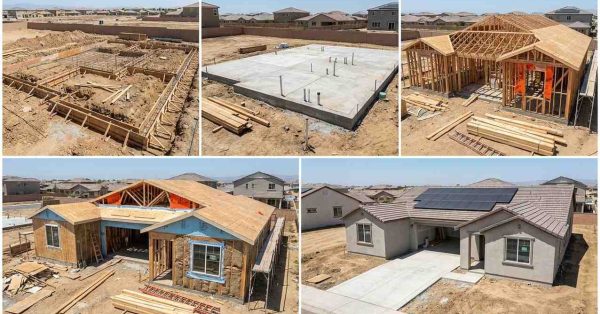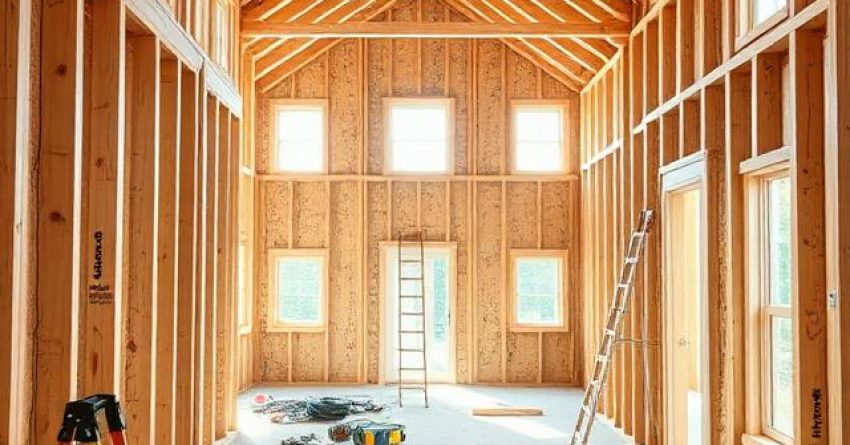
A pre-drywall inspection is your last opportunity to verify every system inside your walls before they are permanently sealed. This checklist covers structural framing, rough electrical, rough plumbing, HVAC rough-ins, insulation readiness, windows, and doors — giving homeowners, contractors, and property managers a clear, item-by-item walkthrough of what to confirm before drywall installation begins.
Missing a problem at this stage means cutting open finished walls later, which adds significant cost and delays to any new build or remodel project.
This guide organizes every inspection category in the order you should walk the site, so nothing is overlooked and every system is confirmed ready before your drywall crew arrives.
What Is a Pre-Drywall Inspection?
A pre-drywall inspection is a formal walkthrough of a home or addition that takes place after all rough-in work is complete but before drywall panels are installed. It is the final checkpoint for framing, mechanical systems, and structural components that will be hidden once walls are closed.
This inspection is typically performed by a licensed home inspector, a general contractor, or a knowledgeable homeowner working alongside their builder. The goal is to confirm that every system meets code requirements, is correctly positioned, and is ready for the next phase of construction.
Understanding what happens before the walls close is essential — our drywall and ceiling services explains the full scope of drywall installation, repair, and finishing work your home may need after the inspection is complete.
Key items confirmed at this stage:
- Framing dimensions and structural integrity
- Electrical rough-in placement and wiring
- Plumbing supply, drain, and vent lines
- HVAC ductwork and equipment placement
- Insulation blocking and fire-stop requirements
- Window and door rough opening dimensions
Structural Framing Checklist
Framing is the skeleton of the structure. Every other system depends on it being square, plumb, and correctly sized. Confirm these items before any mechanical rough-in work is inspected.
Wall Framing and Load-Bearing Walls
- All exterior walls are plumb and square within accepted tolerances
- Load-bearing walls are correctly identified and supported
- Headers above doors and windows are properly sized for the span
- Cripple studs and jack studs are present at all openings
- Blocking is installed at required locations for future fixture mounting (cabinets, handrails, grab bars)
- Fire blocking is installed between floors and at required horizontal intervals
- No framing members are notched or drilled beyond code-permitted limits for mechanical runs
Floor and Ceiling Joists
- Floor joists are correctly spaced and span tables are met
- Ceiling joists are properly sized for the span and load
- Joist hangers are installed and fully nailed where required
- Subfloor is secured, flat, and free of squeaks before drywall begins above
- Staircase framing is complete, with correct rise and run dimensions confirmed
- Attic access framing is in place and correctly sized
Rough Electrical Checklist
All electrical rough-in work must be inspected and approved before insulation or drywall is installed. Confirm the following items during your pre-drywall walkthrough.
Outlet and Switch Box Placement
- Outlet boxes are positioned at correct heights per code (typically 12–18 inches from finished floor)
- Switch boxes are at correct heights (typically 48 inches from finished floor)
- Box placement aligns with the finished floor plan — no outlets hidden behind planned cabinetry
- GFCI protection is roughed in for all required locations (bathrooms, kitchens, garages, exterior)
- Dedicated circuits are in place for high-draw appliances (refrigerator, dishwasher, microwave, washer)
- Low-voltage boxes are installed for cable, data, and speaker locations
Panel and Wiring Verification
- Panel location is confirmed and accessible per code
- All circuits are labeled or documented in the panel schedule
- Wire gauge matches the circuit breaker size for every run
- No wiring is stapled too tightly or kinked at bends
- All junction boxes are accessible and covered
- Smoke detector and carbon monoxide detector rough-ins are in place per code
Verifying electrical rough-in work before drywall is one of the most critical steps in any new build or remodel — our electrical rough-in work resource covers what licensed electricians inspect, install, and certify at this stage.
Rough Plumbing Checklist
Plumbing rough-in must be pressure-tested and inspected before walls close. A missed leak or incorrect drain slope becomes a major repair once drywall is installed.
Supply and Drain Line Inspection
- All supply lines are correctly sized and routed without excessive bends
- Hot and cold supply lines are separated by at least 6 inches or insulated where they run parallel
- All drain lines are sloped correctly (typically 1/4 inch per foot toward the main drain)
- Vent stacks are properly connected and extend through the roof
- All pipe penetrations through framing members are protected with nail plates
- Pressure test has been completed and passed — no active leaks present
Water Heater and Fixture Rough-Ins
- Water heater location is confirmed with correct clearances and venting in place
- Shower and tub drain locations match the fixture plan
- Toilet flange is at the correct height for the finished floor
- Sink drain and supply stub-outs are at correct heights and positions
- Washing machine box is installed at the correct height with hot, cold, and drain connections
Every supply line, drain, and vent stack must be confirmed before walls are sealed — our plumbing rough-in inspection guide details what a licensed plumber checks and corrects at this phase of construction.
HVAC Rough-In Checklist
HVAC systems require the most coordination with framing and other trades. Confirm all ductwork, venting, and equipment placement before insulation begins.
Ductwork and Venting
- Supply and return duct locations match the HVAC design plan
- Duct sizing is correct for each room’s calculated load
- All duct connections are sealed with mastic or approved tape — no open joints
- Exhaust fans are ducted to the exterior, not into the attic or wall cavity
- Dryer vent rough-in is in place and routed to the exterior with correct duct diameter
- Kitchen range hood duct is in place and correctly sized
Air Handler and Return Air Placement
- Air handler location provides required clearances for service access
- Return air plenum or duct is correctly sized for the system
- Filter access location is confirmed and accessible after drywall
- Condensate drain line is in place and routed to an approved drain location
- Refrigerant line set is correctly sized and protected where it passes through framing
Ductwork, venting, and air handler placement must all be verified before insulation and drywall go in — our HVAC rough-in checklist walks through every system component a technician should confirm at this stage.
Insulation Readiness Checklist
Before insulation is installed, the wall and ceiling cavities must be fully prepared. Insulation covers problems — confirm everything is correct first.
- All rough-in inspections are complete and approved by the local building department
- All penetrations through top and bottom plates are sealed with fire-rated caulk or foam
- Blocking is in place at all required fire-stop locations
- Recessed light fixtures are rated for insulation contact (IC-rated) where insulation will cover them
- All exterior wall sheathing is complete and weather-resistant barrier is installed
- No open wall cavities remain that require additional mechanical, electrical, or plumbing work
- Insulation contractor has confirmed the correct R-value for each wall, floor, and ceiling assembly
Windows and Doors Pre-Drywall Checklist
Windows and doors must be correctly installed and flashed before drywall begins. Problems at this stage cause air leaks, water intrusion, and operational failures that are difficult to correct after walls are closed.
- All window units are installed, plumb, level, and square in the rough opening
- Window flanges are properly flashed and integrated with the weather-resistant barrier
- Rough opening dimensions match the window unit size with correct clearance for shimming
- No gaps exist between the window frame and rough opening that are not filled with low-expansion foam
- Exterior doors are installed, plumb, and operate smoothly without binding
Confirming proper window installation before drywall prevents air leaks, water intrusion, and costly future repairs — our window installation standards outlines what to look for during a pre-drywall walkthrough.
- Door rough opening dimensions are correct for the door unit and hardware
- Exterior door thresholds are correctly flashed and sealed to the subfloor
- Interior door rough openings are correctly sized for the door unit plus frame and shim space
Checking door frame alignment and rough opening dimensions at this stage ensures smooth installation and long-term operation — our door frame alignment resource explains what proper framing looks like before drywall is applied.
Final Pre-Drywall Walkthrough Items
Before signing off and allowing drywall installation to begin, complete this final walkthrough to confirm nothing was missed.
- All required rough-in inspections are approved and documented by the local building department
- All trade contractors have confirmed their work is complete and ready for drywall
- Photos have been taken of all wall cavities showing mechanical, electrical, and plumbing locations
- A dimensioned sketch or marked-up floor plan documents the exact location of all in-wall systems
- Any items flagged during the inspection have been corrected and re-inspected
- The drywall contractor has confirmed the start date and material delivery schedule
If you need a professional set of eyes before your walls close, our pre-drywall walkthrough help connects you with skilled professionals who can identify issues before they become expensive post-drywall problems.
Conclusion
A thorough pre-drywall inspection protects your investment by catching framing, electrical, plumbing, HVAC, and insulation issues before walls are permanently sealed.
Every item on this checklist represents a problem that costs significantly more to fix after drywall is installed, making this walkthrough one of the highest-value steps in any construction project.
At Mr. Local Services, our skilled professionals are ready to support your pre-drywall inspection and every phase of your project — contact us today to schedule a walkthrough and keep your build on track.
Frequently Asked Questions
What is the best time to schedule a pre-drywall inspection?
Schedule the inspection after all rough-in work is complete and before insulation is installed. This gives you full visibility into every wall cavity while corrections are still straightforward and inexpensive.
Who should perform a pre-drywall inspection?
A licensed home inspector, your general contractor, or a qualified building professional should perform the inspection. Homeowners can participate but should not rely solely on their own review for code compliance.
What happens if problems are found during a pre-drywall inspection?
The responsible trade contractor must correct the issue before drywall installation proceeds. Depending on the severity, a re-inspection by the local building department may be required before work continues.
How long does a pre-drywall inspection take?
Most pre-drywall inspections take two to four hours for a standard single-family home, depending on the size of the structure and the number of systems being reviewed.
Is a pre-drywall inspection required by code?
Most jurisdictions require rough-in inspections for electrical, plumbing, and HVAC as part of the building permit process. A comprehensive pre-drywall walkthrough goes beyond code minimums to catch issues inspectors may not flag.