A park model home can legally serve as a primary residence in many parts of the United States, but doing so successfully requires understanding zoning rules, utility infrastructure, ongoing maintenance, and financing options that differ significantly from traditional homeownership.
Living in a compact, affordable structure full time is an increasingly practical choice for homeowners seeking lower costs and simpler living without sacrificing comfort or stability.
This guide covers everything you need to know — from legal requirements and utility setup to maintenance responsibilities and the real trade-offs of full-time park model living.
What Is a Park Model Home?
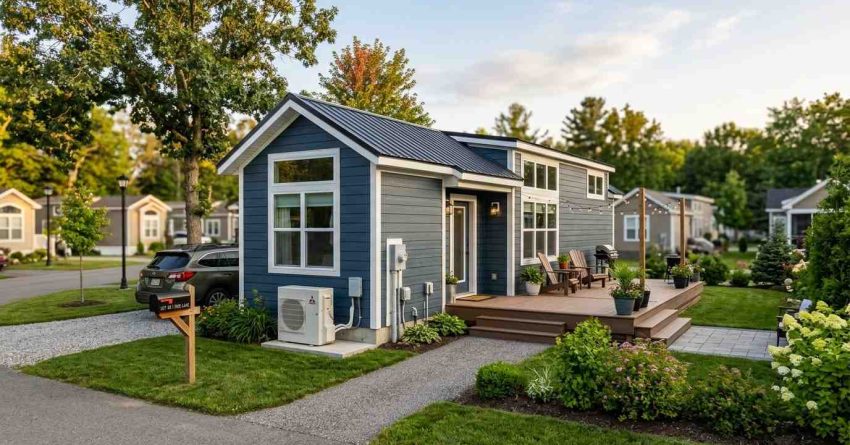
A park model home is a factory-built recreational unit designed for seasonal or year-round use, typically measuring between 400 and 500 square feet. The U.S. Department of Housing and Urban Development (HUD) classifies park models under the ANSI A119.5 standard, which distinguishes them from manufactured homes and traditional RVs. They are built on a permanent chassis, delivered to a site, and connected to utilities much like a conventional home.
How Park Models Differ from Traditional Homes
Park models are smaller, lighter, and built to a different construction standard than site-built or manufactured homes. They are not built to the HUD Manufactured Home Construction and Safety Standards (HUD Code) that govern manufactured housing. This distinction affects how they are financed, insured, taxed, and regulated at the local level. Despite their compact size, modern park models include full kitchens, bathrooms, sleeping lofts, and living areas that support comfortable full-time living.
Legal Classification and HUD Standards
Under federal guidelines, park models are classified as recreational vehicles when they meet the ANSI A119.5 standard. This classification has direct consequences for where they can be placed, how they are taxed, and what type of financing is available. Some states have created separate classifications for park models used as primary residences, which can affect property tax treatment and eligibility for homestead exemptions. Checking your state’s specific classification is an essential first step before committing to full-time park model living.
Park model homes belong to a broader category of compact, affordable housing — our complete guide to tiny home options covers every structure type, size comparison, and what each one means for long-term living.
Can You Legally Live in a Park Model Full Time?
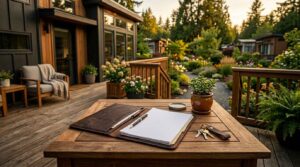
Yes, in many locations — but not everywhere. The legality of using a park model as a primary residence depends almost entirely on local zoning ordinances, community rules, and state law. Some jurisdictions explicitly permit full-time residency in park model communities, while others restrict occupancy to seasonal use only.
Zoning Laws and Residency Restrictions by State
Zoning laws vary significantly from state to state and even county to county. In states like Florida, Arizona, and Texas, park model communities are well-established and often permit year-round residency. In other states, zoning codes classify park model sites as recreational vehicle parks, which may limit occupancy to a set number of days per year. Before purchasing or placing a park model, verify the local zoning classification with the county planning department and confirm whether full-time residency is explicitly permitted.
State-by-state zoning rules for park model homes are complex enough to warrant their own dedicated resource — our guide to park model zoning laws by state breaks down residency rules, occupancy limits, and permit requirements across all 50 states.
HOA Rules and Community Regulations
Most park model communities are governed by homeowners associations or park management companies that set their own rules on top of local zoning requirements. These rules may restrict the age of units allowed in the community, require specific exterior finishes, limit the number of occupants, or prohibit certain modifications. Reviewing the community’s CC&Rs (Covenants, Conditions, and Restrictions) before signing a lease or purchasing a lot is critical. Some communities also charge monthly lot rent that can range from a few hundred to over a thousand dollars per month, which affects the true cost of full-time living.
Understanding HOA rules and community regulations in detail is essential before committing to a park model site — our dedicated guide to park model community rules explains what to look for in CC&Rs and how to evaluate community management before you sign.
Utilities and Infrastructure for Full-Time Living
One of the most important practical considerations for full-time park model living is how the home connects to essential utilities. Unlike a traditional house on a private lot, a park model typically relies on community-provided utility hookups at a designated pad site.
Water, Sewer, and Electrical Hookups
Most park model communities provide water, sewer, and electrical connections at each pad. Water is typically connected via a standard garden hose-style hookup with a pressure regulator to protect the home’s plumbing. Sewer connections use a standard RV-style dump connection or a direct pipe fitting. Electrical service is provided through a pedestal at the pad, usually offering 30-amp or 50-amp service depending on the community’s infrastructure.
Connecting water and sewer lines to a park model involves specific hookup requirements that differ from standard residential plumbing — our park model plumbing resource walks through every connection type and what to expect during installation.
Ensuring your park model receives safe, code-compliant power requires understanding amperage requirements and pedestal connections — our electrical hookup guide covers everything from panel sizing to safety inspections.
Heating, Cooling, and Insulation Considerations
Park models are built with thinner walls and less insulation than site-built homes, which makes heating and cooling efficiency a significant concern for full-time residents. In colder climates, upgrading insulation in the walls, floor, and roof is often necessary to maintain comfortable temperatures and manage energy costs. Mini-split heat pump systems are a popular choice for park models because they are compact, energy-efficient, and do not require ductwork.
Heating and cooling a park model efficiently requires the right equipment for compact square footage — our guide to HVAC for small spaces explains which systems work best and how to size them correctly for year-round comfort.
Maintenance and Upkeep of a Park Model as a Primary Home
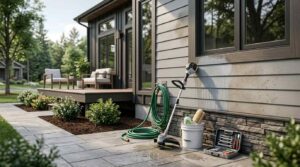
Full-time living means full-time wear on every system in the home. Park models require consistent maintenance to remain safe, comfortable, and structurally sound over the long term. Because these structures are compact and built to lighter standards than traditional homes, small problems can escalate quickly if left unaddressed.
Routine Maintenance Tasks
Routine maintenance for a park model includes inspecting roof seams and caulking annually, checking all utility connections for leaks or corrosion, cleaning gutters if installed, testing smoke and carbon monoxide detectors, servicing the HVAC system seasonally, and inspecting the undercarriage and chassis for rust or damage. Interior maintenance includes checking for moisture intrusion around windows and doors, inspecting plumbing connections under sinks, and ensuring all appliances are functioning correctly.
Many routine park model maintenance tasks — from fixing door hardware to patching minor wall damage — are handled most efficiently by a skilled professional, and our handyman repair services explains exactly what those jobs include and when to schedule them.
In compact living spaces like park models, dryer vent blockages pose a serious fire risk that many owners overlook — our dryer vent cleaning explains how often cleaning is needed and what the service includes.
Common Repairs and When to Call a Professional
The most common repairs in park models involve roof sealing, window and door weatherstripping, plumbing connections, and HVAC servicing. Because park model roofs are typically flat or low-slope designs with rubber or TPO membranes, they require more frequent inspection than pitched residential roofs.
The roof on a park model is one of its most vulnerable components, especially in regions with heavy rain or snow, and understanding what regular inspections involve is essential — our park model roof care guide covers inspection schedules, common issues, and repair options.
Financing and Insurance for Park Model Residences
Financing a park model is more complex than financing a traditional home because most lenders do not classify them as real property. This affects both the loan types available and the interest rates you can expect.
Loan Options for Park Model Buyers
Because park models are classified as recreational vehicles under federal guidelines, most buyers finance them through personal property loans, RV loans, or chattel loans rather than traditional mortgages. RV loans typically carry higher interest rates than home mortgages and shorter repayment terms, usually between 10 and 20 years. Some credit unions and specialty lenders offer park model-specific financing products with more favorable terms. If the park model is placed on land you own, it may be possible to finance it as real property, which opens access to conventional mortgage products.
A dedicated breakdown of every loan type available to park model buyers is available in our park model financing options guide, which covers RV loans, chattel loans, personal loans, and land-home financing in detail.
Homeowner’s Insurance vs. RV Insurance
Insuring a park model used as a primary residence requires careful attention to policy type. Standard RV insurance policies are designed for seasonal or recreational use and may not provide adequate coverage for full-time residents. Homeowner’s insurance policies, on the other hand, may not cover a structure classified as a recreational vehicle. Specialty park model insurance products exist that bridge this gap, offering dwelling coverage, personal property protection, liability coverage, and loss-of-use benefits appropriate for full-time occupancy.
Our complete guide to park model insurance compares RV policies, homeowner’s policies, and specialty park model coverage so you can choose the right protection for full-time living.
Pros and Cons of Living in a Park Model Full Time
Understanding the real trade-offs of full-time park model living helps you make a confident, informed decision before committing.
Advantages of full-time park model living:
- Significantly lower purchase price compared to site-built homes, often ranging from $50,000 to $150,000
- Lower utility costs due to smaller square footage
- Reduced property taxes in many jurisdictions
- Community amenities such as pools, clubhouses, and landscaping often included in lot rent
- Simpler lifestyle with less space to maintain and furnish
Challenges to plan for:
- Limited square footage can feel restrictive for families or those with significant storage needs
- Zoning and residency restrictions vary widely and can limit where you can place the home
- Financing and insurance options are more limited and often more expensive than traditional home products
- Resale value does not appreciate the same way site-built homes do
- Lot rent adds an ongoing cost that is not building equity
One of the most impactful upgrades full-time park model residents make is replacing standard windows with insulated units — our energy-efficient windows guide explains the options available and how they reduce heating and cooling costs year-round.
Choosing the right flooring material is especially important in a park model, where weight limits and moisture exposure are ongoing concerns — our flooring for small homes resource covers the best materials, installation methods, and cost expectations.
Is a Park Model Right for You as a Primary Residence?
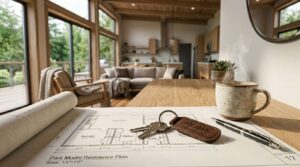
A park model works well as a primary residence for individuals and couples who prioritize affordability, simplicity, and community living over square footage and traditional homeownership. Retirees, remote workers, and those downsizing from larger homes are among the most common full-time park model residents. The lifestyle suits people who are comfortable with compact living, willing to navigate the legal and financial complexities of non-traditional housing, and interested in the community environment that most park model developments offer.
If a park model needs layout changes or interior upgrades before it can function as a comfortable full-time home, professional remodeling can make a significant difference — our park model remodeling outlines what renovation projects are feasible in compact structures and how to prioritize improvements.
If you are ready to explore whether a park model fits your housing goals, Mr. Local Services connects you with experienced professionals who handle everything from utility hookups and HVAC installation to ongoing maintenance and interior upgrades — making the transition to full-time park model living as smooth as possible.
Conclusion
Park model homes offer a practical, affordable path to full-time residency for the right buyer, but success depends on understanding the legal, financial, and maintenance realities that come with compact, non-traditional housing. Zoning laws, utility infrastructure, and insurance requirements all require careful research before committing.
With the right preparation, a park model can provide comfortable, cost-effective living with a strong sense of community and significantly lower overhead than a conventional home.
Mr. Local Services is here to help you maintain, upgrade, and protect your park model home — connect with our trusted professionals today to keep your primary residence safe, functional, and well-maintained year-round.
Frequently Asked Questions
Can a park model home be a permanent residence?
Yes, a park model can serve as a permanent residence in many U.S. locations, but local zoning laws and community rules must explicitly permit full-time occupancy. Always verify residency allowances with the county planning department before purchasing.
Do park model homes appreciate in value?
Park model homes generally do not appreciate in value the way site-built homes do. They are classified as personal property in most states, which means they depreciate over time similar to vehicles rather than gaining equity like real estate.
What utilities do park model homes use?
Park model homes connect to water, sewer, and electrical service through pad hookups provided by the community. Most pads offer 30-amp or 50-amp electrical service, standard water pressure connections, and direct sewer hookups.
Is it cheaper to live in a park model than a traditional home?
In most cases, yes. Park models have lower purchase prices, reduced utility costs due to smaller square footage, and lower property taxes in many jurisdictions. However, monthly lot rent and higher financing costs can offset some of those savings.
What type of insurance do I need for a full-time park model?
Full-time park model residents typically need a specialty park model insurance policy that provides dwelling coverage, personal property protection, and liability coverage appropriate for year-round occupancy. Standard RV policies are often insufficient for full-time use.
How long do park model homes last?
A well-maintained park model home can last 30 to 50 years or more. Longevity depends heavily on the quality of the original construction, climate conditions, and how consistently routine maintenance is performed — particularly roof sealing and moisture management.
Can I get a mortgage for a park model home?
Traditional mortgages are rarely available for park models because they are classified as personal property rather than real estate. Most buyers use RV loans, chattel loans, or personal loans. If the park model is placed on land you own, real property financing may be possible.