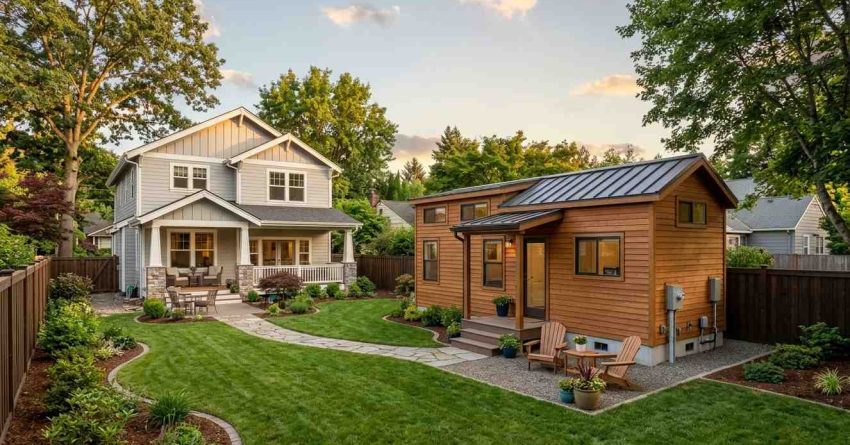
A park model home can serve as a fully functional guest house or accessory dwelling unit (ADU) on your property — offering a faster, more affordable alternative to traditional ADU construction, with the right site preparation and local permits in place.
Housing costs and the demand for flexible living arrangements are pushing more homeowners toward practical, space-efficient solutions that add real value without a full construction project.
This guide covers everything you need to know about using a park model as a guest house or ADU — from zoning and permits to setup, costs, and long-term maintenance.
What Is a Park Model Home?
A park model home is a factory-built structure designed for semi-permanent or permanent placement on a residential lot. Built to ANSI A119.5 standards, park models are classified as recreational vehicles but are engineered for year-round living. They typically measure between 400 and 500 square feet, making them compact enough to place on most residential properties without the footprint of a traditional addition.
Size, Classification, and Legal Definition
Park models are federally classified as RVs but are treated differently from travel trailers or motorhomes. They are built on a permanent chassis, connected to standard utilities, and designed to remain in one location. Most states recognize park models as a distinct structure type, separate from manufactured homes, which affects how they are permitted and taxed. Their compact size and factory construction make them significantly faster to install than site-built ADUs.
How Park Models Differ from Traditional ADUs
Traditional ADUs are site-built structures that require full construction timelines, contractor coordination, and extensive permitting. Park models arrive largely finished from the factory, reducing on-site labor and build time considerably. They also cost less upfront in most cases. Park models are one of several compact living solutions available to homeowners — our complete guide to tiny home options covers the full range of structures, from park models to container homes, helping you compare size, cost, and placement requirements before committing to a build.
Can a Park Model Be Used as a Guest House or ADU?
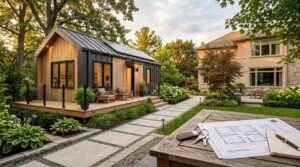
Yes — in many jurisdictions across the United States, a park model can legally function as a guest house or ADU, provided it meets local zoning requirements and is properly permitted. The key variables are your municipality’s land use rules, the size of your lot, and whether your property is already connected to the utilities the park model will need.
Zoning and Land Use Requirements
Zoning is the most important factor in determining whether a park model ADU is permitted on your property. Many municipalities have updated their ADU ordinances in recent years to allow a wider range of structure types, including factory-built and prefabricated units. However, some jurisdictions still restrict ADUs to site-built construction or impose minimum square footage requirements that a park model may not meet. You will need to verify your local zoning classification, confirm whether ADUs are permitted in your zone, and check whether park models are explicitly included or excluded from the definition of an allowable ADU structure.
Utility Hookups and Site Preparation
A park model requires connections to water, sewer or septic, and electrical service. If your property already has capacity for an additional dwelling unit, hookup costs are manageable. If new utility lines or a separate septic system are required, costs increase significantly. Site preparation — including grading, a foundation or pad, and utility trenching — is typically the largest variable in total installation cost and should be estimated before committing to a park model purchase.
Benefits of Using a Park Model as a Guest House or ADU
Park models offer a practical combination of speed, cost efficiency, and livability that makes them an attractive ADU option for homeowners who want to add usable space without a lengthy construction project.
Cost Compared to Traditional ADU Construction
A site-built ADU in the United States typically costs between $100,000 and $300,000 or more depending on size, location, and finishes. A park model, by comparison, generally ranges from $30,000 to $80,000 for the unit itself, with site preparation and utility connections adding $10,000 to $40,000 in most cases. The total installed cost is still substantially lower than site-built construction in most markets, and the timeline from purchase to occupancy is measured in weeks rather than months or years.
Rental Income and Property Value Impact
A permitted ADU — including a park model — can generate consistent rental income and increase your property’s appraised value. Short-term rental platforms have expanded the income potential for ADU owners in many markets, and long-term rentals provide stable monthly cash flow. Adding a park model ADU can meaningfully affect your property’s long-term value — our home investment analysis breaks down how accessory structures compare to other property improvements in terms of return on investment and resale impact.
Key Considerations Before Installing a Park Model ADU
Installing a park model ADU involves more than purchasing the unit. Permit requirements, site conditions, and structural decisions all affect the timeline, cost, and long-term usability of the structure.
Permits, Inspections, and HOA Rules
Most jurisdictions require a building permit for any ADU, including park models. The permit process typically involves a site plan review, utility connection approvals, and a final inspection before occupancy is allowed. If your property is governed by a homeowners association, HOA rules may restrict or prohibit ADUs entirely, regardless of what local zoning allows. Permit requirements for park models vary significantly by municipality and often align with the same regulations that govern other compact structures — our resource on tiny home placement rules outlines the most common zoning classifications and approval steps that apply across the United States.
If you need a dedicated on this topic, see: park model zoning laws by state
Foundation, Anchoring, and Utility Connections
Park models can be placed on a concrete slab, pier foundation, or engineered ground anchors depending on local code requirements and soil conditions. The foundation type affects both the permit process and the long-term stability of the structure. Utility connections — water, sewer, and electrical — must meet local building codes and are typically inspected as part of the permit process. Engaging a licensed contractor for site preparation and utility work is strongly recommended to avoid costly corrections during inspection.
For a detailed breakdown of foundation types and anchoring systems, see: park model foundation options
Setting Up and Maintaining a Park Model Guest House
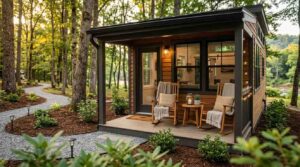
Once your park model is installed and permitted, the focus shifts to making it comfortable, functional, and easy to maintain. Park models are designed for livability, but a few targeted upgrades can significantly improve the guest or tenant experience.
Interior Finishing and Comfort Upgrades
Most park models arrive with standard factory finishes that are functional but basic. Common upgrades include improved insulation for year-round comfort, upgraded HVAC systems suited to the local climate, and kitchen and bathroom enhancements that bring the space closer to the comfort level of a traditional guest suite. Flooring, lighting, and window treatments are low-cost improvements that have a strong impact on how the space feels to guests or tenants.
Ongoing Maintenance Requirements
Park models require the same categories of maintenance as any residential structure — HVAC servicing, plumbing checks, roof inspections, and exterior upkeep — but the compact size makes most tasks faster and less expensive. Keeping a park model guest house in rental-ready condition requires consistent attention to systems that differ from standard home construction — our guide to park model upkeep details the maintenance schedule, seasonal checks, and service categories most relevant to compact ADU structures.
Before deciding whether a park model is the right ADU choice for your property, it helps to understand how it stacks up financially against other options — our ADU investment comparison walks through cost, ROI, and long-term value considerations for homeowners evaluating accessory dwelling unit strategies.
Is a Park Model ADU Right for Your Property?
A park model guest house or ADU is a strong option for homeowners who want to add livable space quickly, at a lower cost than site-built construction, and with the flexibility to use it for family, guests, or rental income. The decision comes down to three factors: whether your local zoning allows it, whether your site can support the utility connections required, and whether the upfront investment aligns with your long-term goals for the property.
If your zoning permits it and your site is ready, a park model ADU can be installed and occupied in a fraction of the time it takes to build a traditional addition. If you are unsure where to start, Mr. Local Services connects homeowners with experienced professionals who can assess your property, navigate the permit process, and handle every stage of installation and setup.
Conclusion
Park models offer a practical, cost-effective path to adding a guest house or ADU to your property, combining factory-built efficiency with the livability of a permanent structure.
Understanding zoning requirements, utility needs, and permit processes upfront prevents costly delays and ensures your ADU is legally compliant and ready for occupancy.
When you are ready to move forward, Mr. Local Services provides the skilled professionals and end-to-end support you need to install, set up, and maintain your park model ADU with confidence.
Frequently Asked Questions
What is the difference between a park model and a manufactured home?
A park model is classified as a recreational vehicle under federal law and is limited to approximately 400 square feet. A manufactured home is built to HUD standards, can be much larger, and is classified as real property in most states. Both are factory-built, but they are regulated, permitted, and taxed differently.
Do I need a permit to place a park model on my property as an ADU?
Yes, in most jurisdictions a permit is required to use a park model as an ADU. The permit process typically includes a site plan review, utility connection approvals, and a final inspection. Requirements vary by municipality, so checking with your local planning department before purchasing is essential.
How much does it cost to install a park model ADU?
The total installed cost of a park model ADU typically ranges from $50,000 to $120,000, including the unit, site preparation, foundation, and utility connections. Costs vary based on location, site conditions, and the level of interior finishing required.
Can I rent out a park model ADU on a short-term basis?
In many areas, yes — but short-term rental regulations vary significantly by city and county. Some jurisdictions require a separate short-term rental permit in addition to the ADU permit. Confirming local rental regulations before listing the unit is strongly recommended.
Will a park model ADU increase my property value?
A permitted ADU, including a park model, generally increases property value by adding usable square footage and income potential. The actual impact depends on local market conditions, the quality of the installation, and whether the unit is legally permitted and inspected.
How long does it take to install a park model as a guest house?
From purchase to occupancy, a park model ADU installation typically takes four to twelve weeks, depending on site preparation complexity, permit processing times, and utility connection requirements. This is significantly faster than site-built ADU construction, which often takes six months to two years.
What maintenance does a park model guest house require?
A park model guest house requires routine maintenance including HVAC servicing, roof inspections, plumbing checks, and exterior upkeep. The compact size keeps maintenance tasks manageable, but consistent seasonal attention is important for preserving the structure and keeping it in rental-ready condition.