You should renovate a house in this order: planning and budgeting, demolition, structural repairs, major systems (roof, HVAC, plumbing, electrical), insulation and drywall, flooring, cabinetry, painting, fixtures, and final finishes. Following this sequence protects earlier work, controls costs, and prevents rework. Whether you’re updating a single property or managing multiple renovations, the right order keeps your project safe, efficient, and on schedule from the first hammer swing to the final walkthrough.
The Correct Order to Renovate a House
Renovate a house in this sequence: plan and budget, demolish, repair structure, install major systems, insulate and drywall, lay flooring, install cabinetry, paint, add fixtures, and finish trim. This order protects new work from damage, keeps inspections clean, and prevents expensive rework caused by reversing the natural flow of construction.
Start with Planning, Permits, and Budget
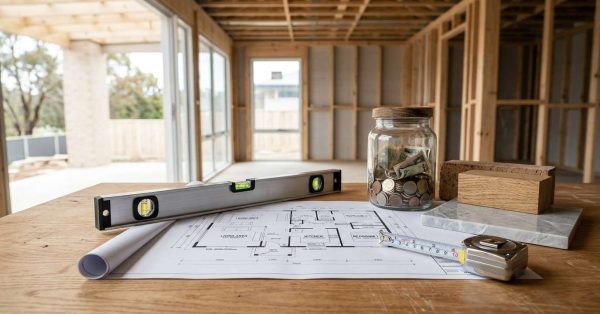
Every successful renovation begins on paper. Define your scope, finalize a realistic budget with a 10–20% contingency, and pull required permits before any tools come out. Skipping this stage is the most common reason projects stall midway. Homeowners and property managers who plan thoroughly identify hidden costs early, schedule trades in the right sequence, and avoid code violations. Get inspections lined up, confirm material lead times, and lock in licensed professionals before demolition day arrives.
Address Structural and Major System Repairs First
After demolition, fix what holds the house up and what runs through it. That means foundation issues, framing, and load-bearing walls, followed by the roof, HVAC, plumbing, and electrical rough-ins. Structural roofing repairs come first because every interior finish below depends on a watertight envelope.
Major systems must be inspected and approved before walls close up, so coordinate trades carefully and never rush this phase.
Understanding the order is the foundation. Kitchen and bathroom remodeling sequence decisions follow a different rhythm once the bones of the house are sound.
Room-by-Room Renovation Sequence
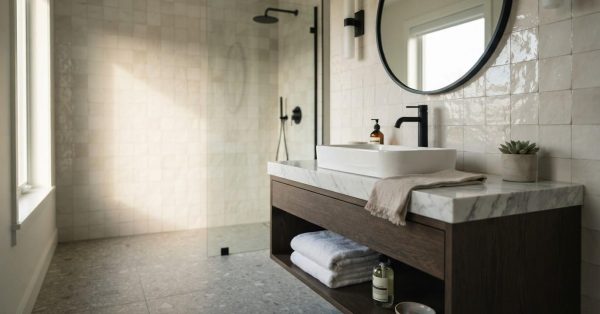
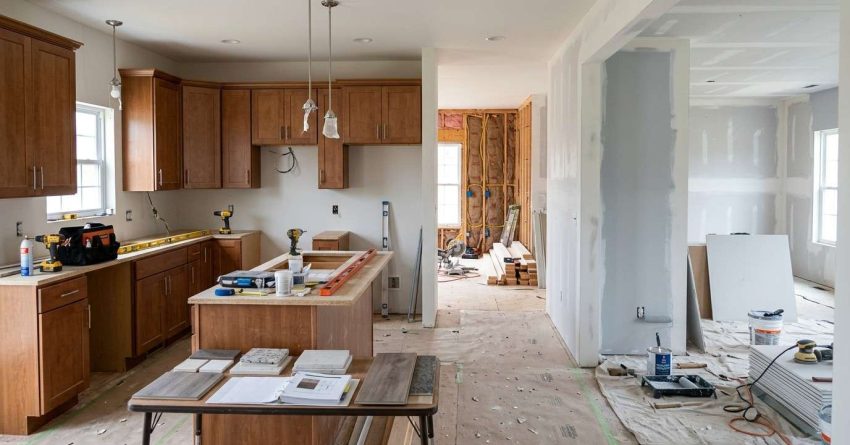
After systems pass inspection, work proceeds top-down and back-to-front. Insulation goes in first, followed by drywall, taping, and priming. Then comes flooring, cabinetry, and trim carpentry. Bathrooms and kitchens are tackled together because they share plumbing and tile work. Bedrooms and living rooms come next, since they require fewer specialty trades. Save interior painting near the finish line so fresh walls are not damaged by tools, dust, or installations.
Finally, install lighting, plumbing fixtures, appliances, and hardware to complete each room.
Common Mistakes Homeowners Make in Renovation Order
The biggest mistake is starting cosmetic work before structural and system issues are resolved. Painting before drywall repair, installing flooring before plumbing rough-ins, or buying fixtures before measurements are confirmed all lead to wasted money. Another common error is hiring trades out of sequence, which causes scheduling conflicts and rework. Skipping permits is equally costly, since unpermitted work can block resale and trigger fines. Stick to the order, document every phase, and rely on licensed professionals to keep the project moving forward without expensive backtracking.
Conclusion
Renovating a house in the correct order, from planning through finishing touches, protects your investment, controls costs, and keeps timelines realistic from start to completion.
For homeowners, landlords, and property managers, following this sequence transforms renovation from a stressful gamble into a predictable, value-adding process that strengthens your property long term.
We at Mr. Local Services connect you with trusted, vetted professionals across every renovation phase. Start your project right today.
Frequently Asked Questions
What should you renovate first in a house?
Renovate structural elements first, including the foundation, framing, and roof. These hidden essentials must be sound before any cosmetic or interior work begins safely.
How long does it take to renovate a whole house?
A full house renovation typically takes four to nine months, depending on size, scope, permits, and contractor availability. Larger or custom projects may extend longer.
Should I renovate the kitchen or bathroom first?
Renovate the bathroom first if it’s heavily used or damaged. Bathrooms are smaller and quicker, allowing the kitchen to be tackled with fewer daily disruptions.
Do you paint walls before or after flooring?
Paint walls before installing finished flooring whenever possible. This prevents drips, splatter, and damage to new floors and produces a cleaner, more professional final result.
Is it cheaper to renovate room by room or all at once?
Renovating all at once is usually cheaper per square foot due to bulk labor, shared trades, and fewer mobilization fees, though it requires a larger upfront budget.
Add to Conversation