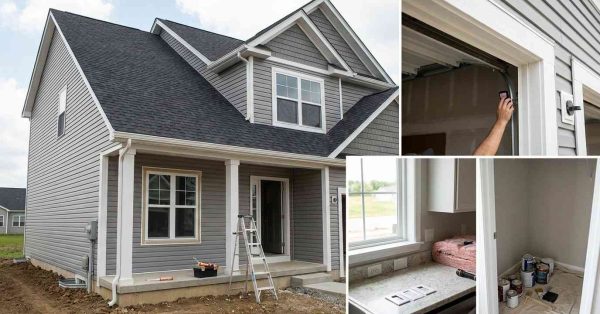
A brand-new home can still have serious defects — and the builder’s own inspector works for the builder, not for you. Hiring a third-party new construction inspector gives you an independent set of eyes at every critical stage of construction, catching problems before they are buried behind drywall or poured into concrete. Studies from the American Society of Home Inspectors consistently show that new construction homes fail inspection at rates comparable to older resale properties, making independent oversight one of the smartest investments a homebuyer can make.
New builds move fast, and once certain phases are complete, defects become expensive or impossible to fix without tearing work apart.
This guide explains what a third-party inspector does, what they examine, when to schedule them, and how to find the right professional before you close.
What Does a Third-Party New Construction Inspector Do?
A third-party new construction inspector is an independent, licensed professional hired by the homebuyer — not the builder — to evaluate the quality and code compliance of a home under construction or newly completed. Their job is to identify defects, code violations, and workmanship issues that could affect the safety, durability, or value of the property.
Unlike a municipal code inspector, who checks minimum legal compliance on behalf of the local government, a third-party inspector works exclusively in your interest. They document findings in a detailed written report, photograph problem areas, and give you the information you need to hold the builder accountable before you sign closing documents.
Understanding what a third-party inspector does is one part of a broader process — our new construction inspection guide covers every phase of the inspection process from pre-pour to final walkthrough, giving you a complete picture of what to expect before you close.
Why You Should Not Rely on the Builder’s Inspector Alone
Every new construction project is subject to municipal inspections, and many builders conduct their own quality checks. Neither of these protects you the way an independent inspector does.
Municipal inspectors are responsible for verifying that construction meets minimum building code requirements. They are not hired to evaluate workmanship quality, material choices, or the dozens of details that fall within code but still represent poor construction practice. Their visits are brief, often covering an entire subdivision in a single day.
A builder’s in-house quality control team, meanwhile, reports to the builder. Their incentive is to keep the project on schedule and within budget — not to surface every issue that might delay your closing or trigger a warranty claim. This is not a criticism of any individual inspector; it is simply a structural conflict of interest that independent oversight is designed to resolve.
If you are weighing your options for professional oversight on a new build, our home inspection services outlines every type of inspection available, helping you match the right service to your specific property and construction stage.
What a Third-Party Inspector Checks in a New Build
A qualified third-party inspector evaluates the home across all major systems and components. The scope of the inspection depends on the construction phase, but a comprehensive final inspection covers the following areas.
Foundation and Structural Components
The inspector examines the foundation for cracks, improper grading, and drainage issues that could lead to water intrusion or settling. Framing is checked for proper spacing, fastening, and load-bearing integrity. Roof sheathing, rafters, and ridge boards are evaluated for alignment and secure attachment.
Mechanical, Electrical, and Plumbing Systems
HVAC equipment is tested for proper installation, duct sealing, and airflow balance. The electrical panel is inspected for correct wiring, grounding, and breaker labeling. Plumbing is checked for proper pipe sizing, secure connections, water pressure, and drain slope. These systems are among the most expensive to repair after closing, making thorough inspection at this stage critical.
Finishes, Fixtures, and Final Walkthrough Items
Windows and doors are tested for proper operation, weatherstripping, and seal integrity. Flooring is checked for levelness, gaps, and secure installation. Drywall is examined for improper fastening, moisture damage, and finishing defects. Fixtures, outlets, switches, and appliances are tested for function.
Knowing what an inspector examines helps you prepare — our home inspection checklist walks through every system and component a qualified inspector reviews, so you can follow along and ask informed questions on inspection day.
When to Schedule a Third-Party Inspection During Construction
Timing is one of the most important decisions you will make when hiring a third-party inspector. Waiting until the final walkthrough means many of the most critical components are already hidden from view.
Most experienced inspectors and homebuyer advocates recommend scheduling at least three inspection points during a new build.
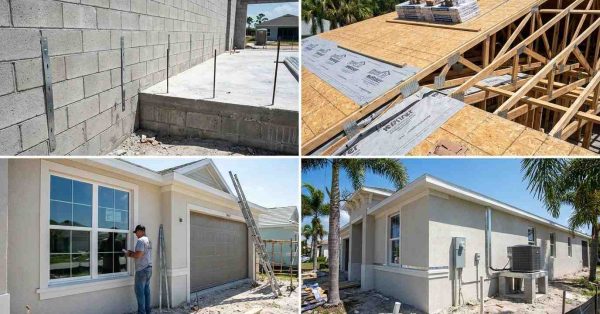
The first is a pre-pour foundation inspection, conducted before concrete is poured for the slab or footings. This is the only opportunity to verify that rebar placement, vapor barriers, and soil preparation meet specifications.
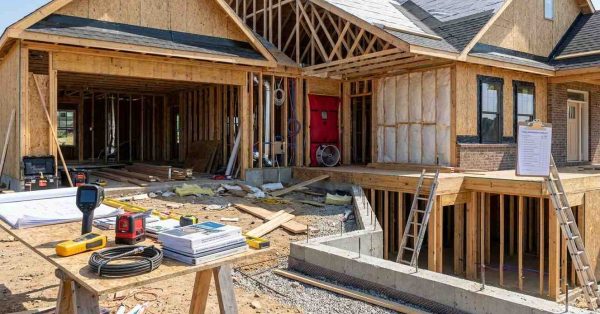
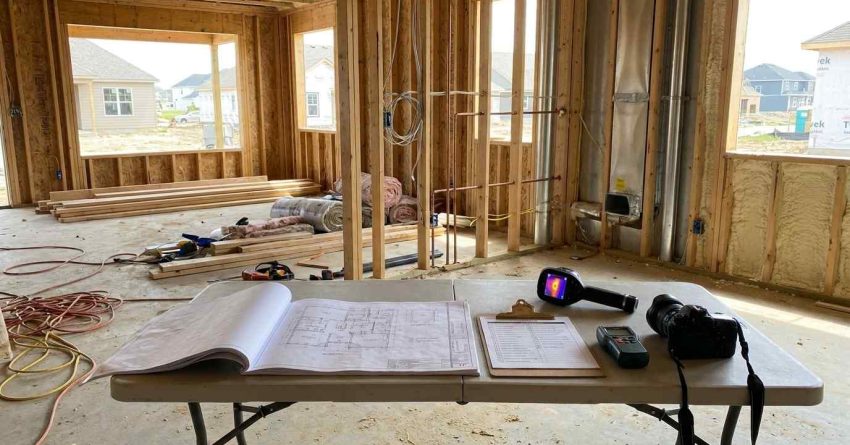
The second is a pre-drywall inspection, scheduled after framing, rough plumbing, rough electrical, and HVAC rough-in are complete but before insulation and drywall are installed. This phase gives the inspector full visibility into the structural and mechanical systems that will be concealed for the life of the home.
The third is a final inspection, conducted after construction is complete and before closing. This covers all finishes, fixtures, appliances, and exterior elements.
Timing your inspections correctly depends on understanding how a build progresses — our construction phase timeline breaks down each stage of new home construction so you know exactly when to call your inspector before work gets covered up.
How to Choose a Qualified New Construction Inspector
Not every home inspector has experience with new construction. Resale inspections and new build inspections require different knowledge, and the inspector you hire should have a demonstrated background in evaluating construction in progress — not just completed homes.
Look for inspectors who hold certifications from recognized organizations such as the American Society of Home Inspectors (ASHI) or the International Association of Certified Home Inspectors (InterNACHI). Ask specifically whether they have experience with new construction and whether they are familiar with the building codes in your local jurisdiction.
Request a sample report before hiring. A quality inspector produces detailed, photo-documented reports that clearly describe each defect, its location, and its potential impact. Vague or template-heavy reports with minimal photos are a warning sign.
Ask whether the inspector is willing to attend all three inspection phases or only the final walkthrough. Inspectors who offer phased inspection packages for new construction are generally more experienced with the process.
Choosing the right person for this job matters as much as scheduling the inspection itself — our guide on finding a qualified home inspector covers credentials, red flags, and the right questions to ask before you hire.
What Happens After the Inspection Report
Your inspector delivers a written report documenting every defect, concern, and code issue identified during the inspection. The next step is acting on that report effectively.
Review the report carefully and categorize findings by severity. Safety issues and structural defects require immediate attention and should be addressed before closing. Cosmetic issues and minor workmanship items can often be handled through a punch list submitted to the builder.
Present the report to your builder in writing and request a written response with a timeline for corrections. Most reputable builders will address legitimate defects identified by a licensed inspector, particularly when the findings are documented with photographs and specific references to building code or manufacturer installation requirements.
If the builder disputes findings or refuses to make repairs, your inspector’s report becomes important documentation for warranty claims, legal disputes, or negotiations over closing credits.
Once you have your report in hand, knowing how to act on it is critical — our inspection report follow-up resource explains how to prioritize findings, communicate with your builder, and get defects corrected before closing.
Conclusion
Hiring a third-party new construction inspector is one of the most effective ways to protect your investment in a new home. Independent inspection at the foundation, pre-drywall, and final stages gives you documented evidence of defects while there is still time to fix them.
The cost of a phased inspection is a fraction of what a single missed defect can cost after closing. Structural issues, faulty wiring, and improper plumbing connections discovered post-closing become your financial responsibility — not the builder’s.
At Mr. Local Services, we connect homeowners with trusted inspection and home service professionals who deliver clear, thorough assessments so you can close with confidence and protect your property from day one.
Frequently Asked Questions
How much does a third-party new construction inspection cost?
A single final inspection typically costs between $300 and $500 depending on home size and location. A phased inspection package covering pre-pour, pre-drywall, and final stages generally ranges from $600 to $1,200. The cost is small relative to the purchase price and the potential repair costs it can prevent.
Can a builder refuse to allow a third-party inspector on the property?
In most cases, builders cannot legally prevent a buyer from hiring an independent inspector, particularly once a purchase contract is signed. Some builders include inspection access provisions in their contracts. Review your purchase agreement carefully and consult a real estate attorney if access is restricted.
Is a third-party inspection the same as a municipal code inspection?
No. A municipal code inspector works for the local government and verifies minimum legal compliance. A third-party inspector works for you and evaluates workmanship quality, installation standards, and potential defects that meet code but still represent poor construction practice.
What is a pre-drywall inspection and why does it matter?
A pre-drywall inspection is conducted after framing, rough plumbing, rough electrical, and HVAC rough-in are complete but before insulation and drywall are installed. It is the only opportunity to visually inspect the structural and mechanical systems that will be hidden for the life of the home, making it one of the most valuable inspection phases in new construction.
Does a new construction home come with a warranty that makes inspection unnecessary?
Most new construction homes come with a builder warranty, but warranties have limitations, exclusions, and time windows that vary by builder and state. A third-party inspection identifies defects before closing, giving you the opportunity to have them corrected at the builder’s expense rather than relying on a warranty claim after the fact.
How long does a new construction inspection take?
A final inspection on a standard single-family home typically takes two to four hours. A pre-drywall inspection may take one to two hours. The inspector’s time on site depends on the size of the home, the number of systems being evaluated, and the number of issues identified.
Should I attend the inspection in person?
Yes. Attending the inspection allows you to see defects firsthand, ask questions, and understand the severity of each finding before the written report is delivered. Most inspectors welcome and encourage buyer attendance and will walk you through their findings as they work.