New construction inspections in Florida go beyond standard building checks — they verify that every structural element meets the Florida Building Code’s hurricane resistance requirements, protecting your home against wind speeds that can exceed 150 mph in coastal zones. For buyers, builders, and property managers, understanding what these inspections cover is the difference between a home that holds up and one that doesn’t.
Florida’s hurricane-prone climate makes code compliance a non-negotiable part of every new build. Failing to meet these standards can delay your certificate of occupancy, trigger costly rework, and expose the property to serious storm damage.
This guide explains what hurricane code inspections cover, how the phased inspection process works, who performs them, and what to do if your build doesn’t pass.
What Is a New Construction Inspection in Florida?
A new construction inspection in Florida is a formal review conducted at multiple stages of a build to confirm that the work meets the Florida Building Code (FBC). Unlike a standard home inspection performed at resale, new construction inspections are required by law and must be completed before work can progress to the next phase.
In Florida, hurricane code requirements are embedded directly into the FBC. This means inspectors are not just checking general construction quality — they are specifically verifying that the structure can withstand the wind loads, storm surge exposure, and pressure differentials defined for each wind zone across the state.
How Hurricane Code Requirements Shape the Inspection Process
Florida is divided into wind speed zones under the FBC, with coastal and high-velocity hurricane zones (HVHZ) — primarily Miami-Dade and Broward counties — subject to the strictest standards in the country. The wind zone designation for a property determines which specific code provisions apply, which materials are approved, and which inspection checkpoints are mandatory.
Every inspection in a new Florida build is conducted against these zone-specific standards. A home in an HVHZ must meet requirements that exceed those applied in inland counties, and inspectors verify compliance at each phase before the next stage of construction can begin. Understanding what a new construction inspection covers is especially important when weighing your build options — our custom home investment analysis breaks down how inspection requirements, build quality, and long-term costs differ between custom and spec construction in Florida.
Florida Hurricane Building Codes: What Inspectors Check
Florida’s hurricane building codes are among the most comprehensive in the United States, and inspectors evaluate a specific set of structural and envelope components at each phase of construction. The core areas of review include structural framing, roof assembly connections, and opening protection.
Wind Load Ratings and Structural Framing Standards
Inspectors verify that the structural framing is designed and installed to resist the calculated wind loads for the property’s location. This includes confirming that lumber grades, fastener schedules, and shear wall placements match the approved engineering drawings. Any deviation from the stamped plans — even a substituted fastener size — is a code violation that must be corrected before the inspection passes.
Roof-to-Wall Connections and Hurricane Straps
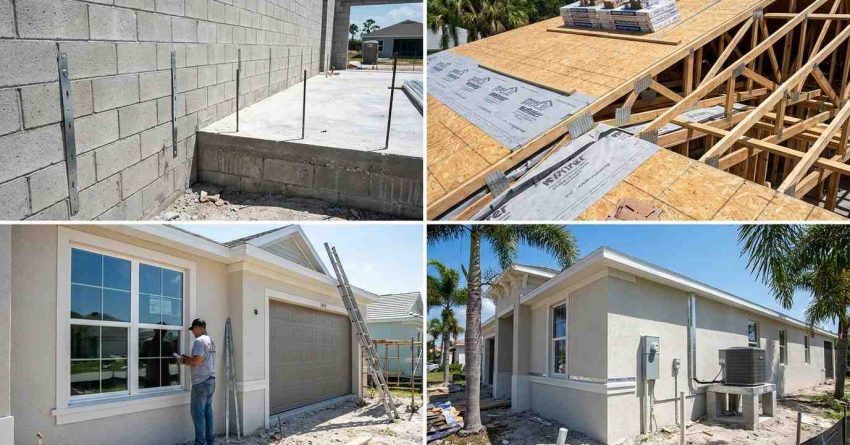
One of the most critical inspection points in any Florida new build is the roof-to-wall connection. Inspectors confirm that hurricane straps or clips are installed at every rafter or truss-to-top-plate connection, that the correct strap type is used for the wind zone, and that the required number of fasteners is present. This connection is the primary line of defense against roof uplift during a hurricane, and it is one of the most commonly cited failure points in post-storm damage assessments.
Impact-Resistant Windows, Doors, and Garage Doors
All openings in a new Florida construction must be protected against wind-borne debris. Inspectors verify that windows, exterior doors, and garage doors carry the required product approval numbers under the FBC and that installation follows the manufacturer’s approved installation instructions exactly. In HVHZ areas, impact-resistant glazing or approved storm shutters are mandatory on every opening. Garage doors receive particular scrutiny because large-panel doors are vulnerable to wind pressure failure, which can cause catastrophic structural damage if the door fails during a storm.
Phases of a New Construction Inspection in Florida
Florida requires inspections at multiple defined stages of construction. Each phase must pass before the next phase begins. Skipping or combining phases is not permitted, and work that proceeds without a required inspection may need to be uncovered and re-inspected at the builder’s expense.
Pre-Pour Foundation and Slab Inspection
Before concrete is poured, inspectors verify that the foundation reinforcement, anchor bolt placement, and slab preparation meet the approved plans. Anchor bolts are particularly important in hurricane code compliance because they connect the structural framing to the foundation — the first link in the continuous load path that transfers wind forces from the roof to the ground.
Framing and Rough-In Inspection
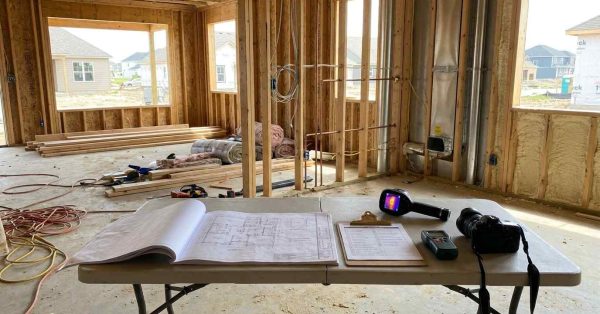
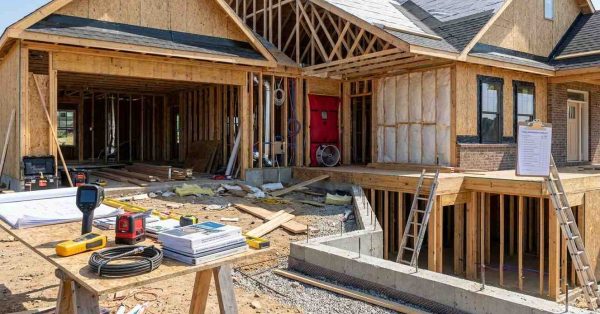
Once framing is complete and before walls are closed in, inspectors review the entire structural assembly. This is when hurricane straps, shear walls, header sizing, and fastener schedules are verified. Rough-in inspections for electrical, plumbing, and mechanical systems also occur at this stage. The framing inspection is typically the most detailed and time-consuming phase because it covers the greatest number of hurricane code compliance points simultaneously.
Final Walkthrough and Certificate of Occupancy
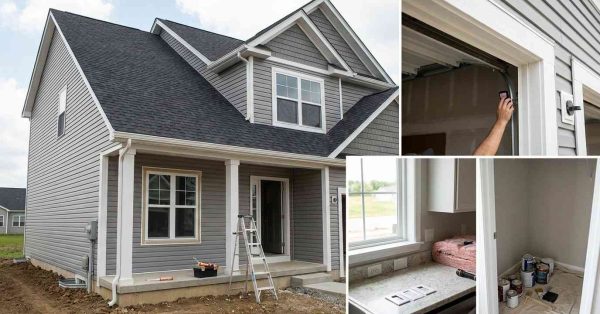
The final inspection confirms that all systems are complete, all opening protections are installed and approved, and the structure as built matches the permitted plans. A passed final inspection results in the issuance of a certificate of occupancy (CO), which is required before the home can be legally occupied. Florida’s phased inspection process is one component of a broader quality assurance framework — our new construction inspections guide covers how these phases apply across all build types and states.
Who Performs New Construction Inspections in Florida?
New construction inspections in Florida are performed by two distinct types of inspectors, and understanding the difference matters for both builders and buyers.
Municipal Inspector vs. Independent Home Inspector
Municipal inspectors are employed by the local building department and are responsible for enforcing the Florida Building Code. Their inspections are mandatory, legally required at each phase, and focused exclusively on code compliance. A municipal inspector’s approval is what allows construction to proceed and ultimately results in the certificate of occupancy.
Independent home inspectors are licensed professionals hired privately — typically by the buyer — to provide an additional layer of review. An independent inspector evaluates the quality of workmanship, identifies items that may not be code violations but could become maintenance issues, and gives the buyer an objective assessment of the home’s condition before closing. Independent inspectors do not replace municipal inspections and cannot issue a certificate of occupancy.
For new construction in Florida, buyers are strongly advised to hire an independent inspector at each phase — not just at the final walkthrough. Phase inspections allow problems to be identified and corrected before they are hidden behind drywall or finished surfaces. Choosing the right inspector is a critical decision for any new build — our Florida home inspection resource explains how to vet, hire, and work with licensed inspectors across the state.
Common Hurricane Code Violations Found During New Construction Inspections
Even experienced builders encounter inspection failures on Florida new construction projects. The most frequently cited hurricane code violations include:
- Missing or incorrect hurricane straps — wrong strap type for the wind zone, insufficient fasteners, or straps installed on only some connections rather than all
- Unapproved product substitutions — windows, doors, or roofing materials installed without the required FBC product approval number
- Anchor bolt spacing errors — bolts placed outside the tolerances specified in the approved plans
- Improper shear wall nailing — incorrect nail size, spacing, or pattern on structural sheathing panels
- Garage door installation deficiencies — missing horizontal bracing, incorrect hardware, or doors without the required wind load rating for the zone
- Roof deck fastening failures — ring-shank nails substituted with smooth-shank nails, or nail spacing that does not match the approved schedule
Many of these violations stem from misunderstood code requirements — our hurricane code compliance guide explains each standard in detail so builders and buyers know exactly what to expect.
What Happens If Your New Construction Fails a Hurricane Code Inspection?
A failed inspection does not stop the project permanently, but it does stop it temporarily. When an inspection fails, the building department issues a correction notice that identifies each deficiency and the specific code section that was not met. The builder must correct every cited item and request a re-inspection before work can continue.
The practical consequences of a failed inspection depend on the phase and the nature of the violation. A framing failure caught before drywall is installed is relatively straightforward to correct. A violation discovered at the final inspection — particularly one involving structural elements that are now concealed — can require significant demolition and rework, adding weeks to the schedule and substantial cost to the project.
For buyers under contract on a new construction home, it is important to understand that a failed municipal inspection does not automatically trigger contract remedies. Review your purchase agreement carefully to understand what inspection failures mean for your closing timeline and your options if corrections are not completed before your scheduled closing date.
How to Prepare for a New Construction Inspection in Florida
Builders and buyers can take specific steps to reduce the likelihood of inspection failures and ensure the process moves efficiently.
For builders:
- Confirm that all materials on site carry the required FBC product approval numbers before installation begins
- Conduct a pre-inspection walkthrough with your framing crew before calling for the municipal inspection
- Keep a copy of the approved plans on site at all times and verify that every fastener schedule, strap type, and sheathing specification matches the stamped drawings
- Schedule inspections with adequate lead time — building departments in high-growth Florida counties can have inspection backlogs of several days
For buyers:
- Hire an independent inspector for each phase, not just the final walkthrough
- Request copies of all municipal inspection reports from your builder and review them before closing
- Confirm that the certificate of occupancy has been issued before you close — never close on a new construction home without a CO in hand
- Ask your builder specifically which wind zone the property falls in and what hurricane code provisions apply to your build
Why New Construction Inspections Matter for Long-Term Property Value
A home that passes every required hurricane code inspection is not just legally compliant — it is a demonstrably stronger, safer, and more insurable asset. Florida homeowners insurance carriers increasingly use build quality and code compliance as underwriting factors, and homes built to current hurricane code standards often qualify for lower premiums than older homes that predate modern FBC requirements.
A home that passes every hurricane code inspection carries measurable long-term value advantages — our spec home comparison analysis explores how build quality and code compliance affect resale value, insurance costs, and buyer confidence in Florida’s market.
For property managers and landlords, a new construction property with a clean inspection record and full hurricane code compliance reduces long-term maintenance costs, minimizes storm-related liability exposure, and supports stronger tenant retention in Florida’s competitive rental market.
When you are ready to move forward with a new construction project or need a trusted professional to guide you through the inspection process, Mr. Local Services connects you with experienced home service professionals who understand Florida’s building code requirements and can help you protect your investment from the ground up.
Frequently Asked Questions
What is the difference between a municipal inspection and an independent home inspection on a new build?
A municipal inspector enforces the Florida Building Code and must approve each construction phase before work continues. An independent home inspector is hired privately by the buyer to evaluate workmanship quality and identify potential issues beyond code minimums. Both serve different purposes, and buyers benefit from having both.
How many inspections are required for a new construction home in Florida?
The number of required inspections varies by project scope and local jurisdiction, but most single-family new construction projects in Florida require a minimum of four to six mandatory inspections — including foundation, framing, rough-in systems, and final. Hurricane code compliance is verified at multiple stages throughout this process.
What is the High-Velocity Hurricane Zone (HVHZ) and does it affect my inspection?
The HVHZ covers Miami-Dade and Broward counties and applies the strictest hurricane construction standards in Florida. Homes built in the HVHZ must meet additional requirements for impact protection, roof assembly, and structural connections that exceed the standards applied in other Florida counties. Inspections in the HVHZ are correspondingly more detailed.
Can a buyer fail to close on a new construction home because of a failed inspection?
A failed municipal inspection can delay closing if the builder has not corrected all cited deficiencies and obtained a certificate of occupancy. Buyers should review their purchase contract carefully to understand their rights and remedies if the CO is not issued by the scheduled closing date.
What are hurricane straps and why do inspectors focus on them?
Hurricane straps are metal connectors that fasten roof rafters or trusses directly to the wall framing below. They create a continuous load path that transfers wind uplift forces from the roof to the foundation. Inspectors focus on them because missing, incorrect, or improperly fastened straps are one of the leading causes of roof failure during hurricanes.
How long does a new construction inspection take in Florida?
A framing inspection on a single-family home typically takes 45 minutes to two hours depending on the size and complexity of the structure. Final inspections are generally shorter. Municipal inspection scheduling times vary by county — in high-growth areas, builders should expect to wait two to five business days for an inspection appointment.
Does passing all hurricane code inspections guarantee my home will survive a hurricane?
Passing all required inspections means your home was built to the minimum standards established by the Florida Building Code for your wind zone. It does not guarantee zero damage in every storm scenario, but it significantly reduces the risk of catastrophic structural failure. Homes built to current FBC hurricane standards have consistently outperformed older construction in post-storm damage assessments across Florida.
Conclusion
Florida new construction inspections under hurricane code are a structured, multi-phase process that verifies every critical structural element — from foundation anchor bolts to roof-to-wall connections and impact-rated openings — meets the wind resistance standards required for the property’s location.
Understanding each inspection phase, the most common code violations, and the difference between municipal and independent inspectors gives buyers and builders the knowledge to move through the process with confidence and avoid costly delays.
When you need reliable guidance on new construction inspections or any home service need in Florida, Mr. Local Services connects you with skilled professionals who deliver quality workmanship, transparent service, and dependable results — keeping your property safe, compliant, and built to last.