Park model homes cost far less upfront than traditional houses, but the ongoing expenses catch many buyers off guard — land lease fees, utility hookups, insurance premiums, and community compliance costs can add thousands of dollars annually to your total ownership budget.
Most buyers focus on the purchase price and miss the recurring costs that accumulate quietly over time. Understanding these expenses before you commit protects your finances and sets realistic expectations.
This guide breaks down every major hidden cost of park model ownership — from site fees and infrastructure to maintenance, HOA rules, and resale realities — so you can plan with confidence.
What Is a Park Model Home and Why Do Costs Add Up?
A park model home is a factory-built dwelling, typically between 400 and 500 square feet, designed for semi-permanent or seasonal placement in a community or resort setting. Unlike a traditional home, a park model sits on a rented lot in most cases, which means your total cost of ownership extends well beyond the unit itself.
The purchase price covers the structure. Everything else — the land, the connections, the community fees, the insurance, and the upkeep — comes separately. That separation is where most buyers encounter their first financial surprise. Understanding the full cost picture starts with knowing what park model homes are — our guide to tiny home options covers the different structures, configurations, and ownership models available so you can compare them side by side before committing.
Land Lease Fees and Site Costs
The single largest recurring hidden cost for most park model owners is the land lease. Because park model communities typically own the land, residents pay a monthly or annual lot rent that covers the right to place their unit on the site.
Lot rent varies significantly by location, amenities, and community type. In desirable areas — coastal regions, resort communities, or retirement destinations — monthly lot rent can range from $400 to over $1,200. That figure adds up to $4,800 to $14,400 per year, every year, for as long as you own the unit.
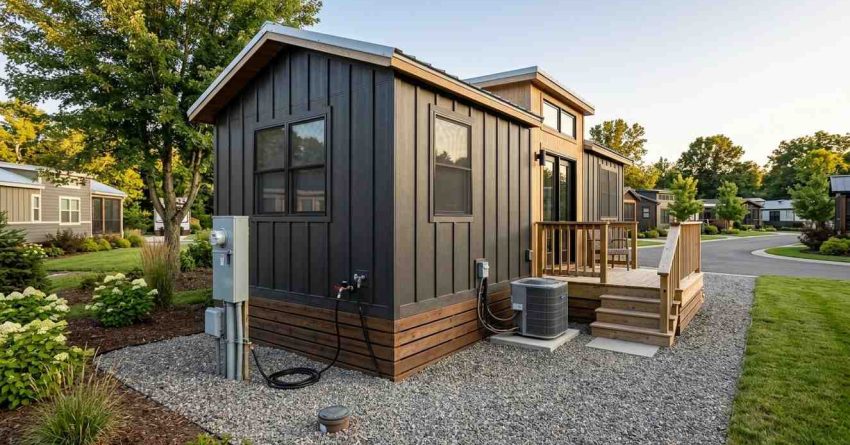
Site preparation costs are a separate one-time expense. Leveling the pad, installing skirting, building steps, and connecting to utility pedestals can add $2,000 to $8,000 or more depending on the site conditions and community requirements.
What Happens When Lease Terms Change?
Land lease agreements are typically renewed annually or on multi-year terms, and communities can raise lot rent with proper notice. Some states offer tenant protections that limit annual increases, but many do not. If lot rent rises significantly or the community closes, owners face the cost of relocating or selling their unit — often at a loss. Reading the lease agreement carefully before purchase, including escalation clauses and termination provisions, is one of the most important steps a buyer can take.
Utilities, Hookups, and Infrastructure Expenses
Park model homes require connections to water, sewer, electricity, and sometimes natural gas or propane. In many communities, utility hookup costs are the buyer’s responsibility, not the community’s.
Connecting a park model to water and sewer lines involves more than running a hose — a licensed professional handling plumbing hookup costs ensures the connections meet local code, reduces the risk of leaks, and protects you from expensive remediation down the road.
Getting power to a park model home safely requires proper load calculations and code-compliant wiring — a qualified electrician managing electrical panel setup will size the service correctly for your appliances and climate control needs from day one.
Beyond the initial hookup, monthly utility bills in a park model are generally lower than in a full-size home due to the smaller footprint. However, heating and cooling costs per square foot can run higher because park model construction is lighter than site-built homes, making insulation and weatherproofing critical factors in long-term energy costs.

Insurance Requirements for Park Model Homes
Standard homeowner’s insurance does not cover park model homes. These structures require specialized coverage that accounts for their factory-built construction, their placement on leased land, and their classification as personal property rather than real estate in most states.
Park model insurance typically includes coverage for the structure itself, personal property inside the unit, liability protection, and sometimes coverage for the cost of temporary housing if the unit becomes uninhabitable. Annual premiums vary based on location, unit age, coverage limits, and the community’s flood or storm risk profile.
If your park model is in a flood zone — which many resort and coastal communities are — separate flood insurance through the National Flood Insurance Program adds another layer of annual cost. Buyers who skip adequate insurance to reduce monthly expenses often face catastrophic out-of-pocket costs after a single weather event.
For a complete breakdown of what coverage park model owners actually need, see our dedicated guide on park model home insurance.
Maintenance and Repair Costs Owners Overlook
Park model homes require consistent maintenance, and because the structures are smaller and lighter than traditional homes, certain components wear faster and need more frequent attention.
Roof membranes, seals around windows and doors, skirting panels, and exterior caulking all degrade with exposure to weather and temperature swings. Interior components — subflooring, cabinetry, and plumbing fixtures — are often built to lighter specifications than site-built homes and may need replacement sooner than buyers expect.
Many of the maintenance tasks that catch park model owners off guard — from fixing interior trim to patching subflooring — are exactly the kind of work covered by professional handyman repair services, which can address multiple small jobs in a single visit and prevent minor issues from becoming costly repairs.
Because park model roofs are smaller but no less vulnerable to weather damage, scheduling a professional roof inspection and repair at least once a year can catch deteriorating seals, flashing failures, and membrane issues before they lead to interior water damage.
Seasonal Upkeep and Weather-Related Repairs
Owners who use their park model seasonally face additional costs related to winterizing and reopening the unit each year. Draining water lines, protecting exposed plumbing, covering the unit, and inspecting for damage after a season of vacancy all require time and money.
Park model HVAC systems work harder per square foot than those in larger homes, making a scheduled HVAC maintenance plan one of the most cost-effective ways to extend equipment life, maintain efficiency, and avoid emergency replacement costs mid-season.
When seasonal storms or freeze-thaw cycles cause moisture intrusion in a park model, acting quickly with professional water damage restoration limits structural deterioration, prevents mold growth, and keeps repair costs from compounding over time.

HOA Rules, Community Fees, and Compliance Costs
Most park model communities operate under a homeowners association or community management structure that sets rules for appearance, modifications, and behavior. These rules carry real financial consequences for owners who do not comply.
Community fees beyond lot rent may include charges for amenities such as pools, clubhouses, trash collection, and common area maintenance. These fees range from modest to substantial depending on the community’s offerings and management structure.
Exterior modifications — adding a deck, installing a shed, changing landscaping, or altering the unit’s appearance — typically require HOA approval and must meet specific specifications. Work done without approval can result in fines or mandatory removal at the owner’s expense.
If your park model community allows exterior additions, working with experienced professionals for deck installation compliance ensures the structure meets both HOA specifications and local building codes — avoiding costly removal orders or fines after the fact.
Many park model communities enforce strict exterior appearance rules, and keeping up with community landscaping standards through a professional service helps you stay compliant, avoid fines, and maintain curb appeal without adding to your personal workload.
Financing, Depreciation, and Resale Realities
Park model homes are classified as personal property in most states, not real estate. This classification affects how they are financed, how they depreciate, and what happens when you try to sell.
Financing options are more limited than for traditional homes. Most buyers use personal property loans, chattel loans, or manufacturer financing — all of which typically carry higher interest rates and shorter terms than conventional mortgages. The total interest paid over the life of a chattel loan can significantly increase the true cost of ownership.
Depreciation is a real factor. Unlike site-built homes, park model units generally lose value over time, particularly when placed on leased land. The unit’s value is tied to its condition, age, and the stability of the community — not to land appreciation.
Strategic upgrades made through professional interior remodeling value — such as updated cabinetry, flooring, or fixtures — can meaningfully improve a park model’s resale appeal even in a market where depreciation is a known challenge.
Understanding how park model financing works before you sign is critical — our detailed guide on park model home financing walks through loan types, lender options, and what to compare before committing to a financing structure.
Conclusion
Park model ownership offers real advantages in affordability and lifestyle flexibility, but the hidden costs — land lease fees, utility hookups, insurance, maintenance, and community compliance — require careful planning before and after purchase. Knowing these expenses upfront prevents the financial surprises that derail many owners in their first few years.
Addressing maintenance proactively, understanding your lease terms, and budgeting for annual fees and seasonal upkeep are the habits that separate confident park model owners from those who feel blindsided by costs they did not anticipate.
At Mr. Local Services, we connect park model owners with skilled professionals across every service category — from plumbing and electrical hookups to roofing, HVAC, and interior repairs — so you can protect your investment and keep your property in top condition year-round.
Frequently Asked Questions
What is the average monthly cost of owning a park model home?
Beyond the unit purchase, monthly costs typically include lot rent ($400–$1,200+), utilities, insurance, and community fees. Total monthly ownership costs commonly range from $700 to $2,000 depending on location and community amenities.
Do park model homes appreciate in value?
Most park model homes depreciate over time, especially when placed on leased land. Unlike site-built homes, they are classified as personal property in most states and do not benefit from land value appreciation. Strategic upgrades can slow depreciation and improve resale appeal.
Is lot rent included in a park model home purchase price?
No. The purchase price covers only the unit itself. Lot rent is a separate recurring expense paid to the community or land owner, typically monthly or annually, and is not included in any financing for the unit.
What type of insurance do park model homes require?
Park model homes require specialized personal property insurance, not standard homeowner’s insurance. Coverage typically includes the structure, personal belongings, and liability. Owners in flood-prone areas also need separate flood insurance through the National Flood Insurance Program.
Can you make modifications to a park model home in a community?
Most communities allow modifications but require HOA approval before any exterior changes, additions, or structural alterations. Work done without approval can result in fines or mandatory removal. Always review community rules and obtain written approval before starting any project.
What happens if the park model community closes or raises lot rent significantly?
If a community closes or lot rent becomes unaffordable, owners must either relocate their unit — which can cost $5,000 to $15,000 or more — or sell it, often at a reduced price. Reviewing lease terms, escalation clauses, and state tenant protections before purchasing is essential.
Are utility hookup costs included in the park model purchase price?
Typically, no. Utility hookup costs — including water, sewer, and electrical connections — are usually the buyer’s responsibility and are separate from the unit purchase price. These one-time costs can range from $2,000 to $10,000 or more depending on site conditions and local requirements.