Park model homes in 2026 typically cost between $30,000 and $130,000, depending on size, finish level, manufacturer, and location. Most buyers pay between $45,000 and $80,000 for a new unit before accounting for delivery, site preparation, and ongoing lot fees.
Prices have shifted noticeably over the past two years, and understanding the full cost picture before you buy prevents budget surprises that catch many first-time buyers off guard.
This guide covers base prices, setup costs, ongoing ownership expenses, and financing options so you can plan your park model purchase with a clear, complete budget in hand.
What Is a Park Model Home?
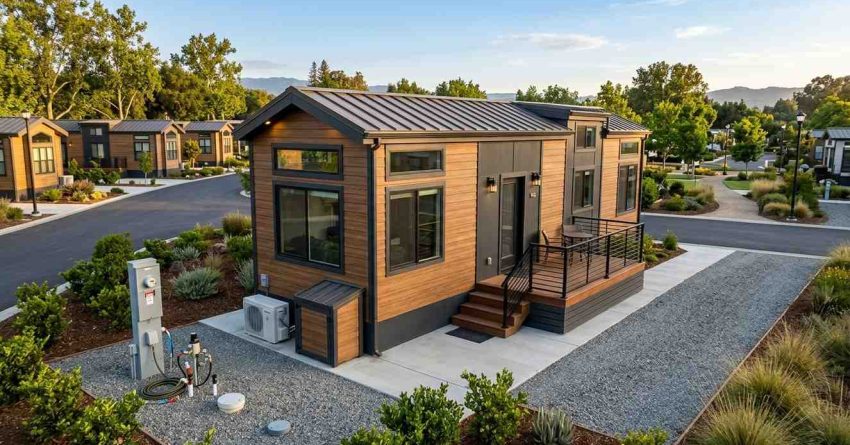
A park model home is a factory-built recreational unit designed for semi-permanent or seasonal living. Built to ANSI A119.5 standards, park models measure up to 400 square feet and are classified as recreational vehicles, not traditional homes, which affects how they are taxed, financed, and regulated.
Park models are popular among retirees, seasonal residents, vacation property owners, and buyers looking for affordable full-time housing in communities that permit them. They offer the feel of a small home with a significantly lower purchase price and faster setup timeline than site-built construction.
How Park Models Differ from Traditional Homes
Park models are built on a permanent chassis with wheels, which classifies them as RVs under federal standards. Unlike manufactured homes, they cannot exceed 400 square feet of living space. Unlike tiny homes on wheels, they are typically placed in designated park model communities or RV resorts rather than on private land.
Buyers comparing options across compact housing categories will find that cost, financing, and placement rules differ significantly between these types. Park models are often compared to tiny homes in terms of size and affordability — our tiny home pricing breakdown explains how the two differ in cost, construction, and long-term value.
Who Buys Park Model Homes in 2026?
The typical park model buyer in 2026 falls into one of three groups: retirees seeking affordable seasonal or full-time housing, vacation property buyers looking for a low-maintenance retreat, and budget-conscious buyers priced out of traditional housing markets. Landlords and property investors also purchase park models for placement in resort communities as rental units.
If you want a full breakdown of park model home types, layouts, and regulations, our park model homes guide covers every category in detail so you can compare options before committing to a purchase.
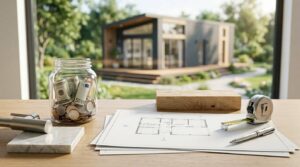
Average Park Model Cost in 2026
The base purchase price of a park model home in 2026 ranges from approximately $30,000 to $130,000. The wide range reflects differences in size, manufacturer, construction quality, and the level of interior finish included in the base price.
Most buyers purchasing a standard new unit with mid-range finishes spend between $45,000 and $80,000 before delivery and setup. Premium units with high-end cabinetry, upgraded appliances, loft additions, and expanded square footage push toward the upper end of the range.
Base Price Range by Size and Style
| Unit Type | Typical Base Price Range |
| Basic single-room park model (under 300 sq ft) | $30,000–$50,000 |
| Standard park model with loft (300–400 sq ft) | $50,000–$80,000 |
| Premium or custom park model | $80,000–$130,000 |
| Expandable or add-on room models | $70,000–$120,000 |
These prices reflect the unit only. Delivery, site preparation, utility connections, and permits are separate costs covered in the setup section below.
New vs. Used Park Model Prices
Used park models sell for $15,000 to $60,000 depending on age, condition, manufacturer, and whether the unit is already sited in a community. Buying used reduces upfront cost but may require renovation, appliance replacement, or structural inspection before the unit is move-in ready.
New units come with manufacturer warranties, current building standards compliance, and modern energy efficiency features that reduce long-term utility costs. For most buyers, the additional cost of a new unit is offset by lower maintenance expenses in the first five to ten years of ownership.
Understanding the full purchase price is only the first step — our park model financing walks through every loan type, lender category, and approval requirement available to buyers in 2026.
What Factors Affect Park Model Home Prices?
Several variables move the final price of a park model home significantly above or below the average range. Understanding these factors helps buyers make targeted decisions rather than comparing prices without context.
Size, Layout, and Floor Plan
Square footage is the single largest price driver. Units at or near the 400-square-foot maximum cost more than compact 280-square-foot models. Floor plan complexity also matters — open layouts with a single sleeping area cost less to build than units with separate bedrooms, full bathrooms, and loft additions.
Expandable models that include slide-out rooms or add-on structures increase both the purchase price and the setup requirements at the site.
Construction Materials and Finish Level
Manufacturers offer park models at entry, mid-range, and premium finish tiers. Entry-level units include basic cabinetry, standard appliances, and vinyl flooring. Premium units feature hardwood or tile flooring, custom cabinetry, stainless appliances, upgraded insulation, and higher-grade exterior siding.
Finish level and optional add-ons are among the biggest price drivers — our park model upgrades details which customizations add the most value and which ones inflate cost without meaningful return.
Location and Delivery Costs
The manufacturer’s location relative to the delivery site affects transportation cost. Deliveries within 100 miles of the factory typically cost $1,500 to $3,500. Long-distance deliveries exceeding 500 miles can add $5,000 to $10,000 or more to the total cost. Buyers purchasing from out-of-state manufacturers should factor delivery distance into their total budget before comparing unit prices.
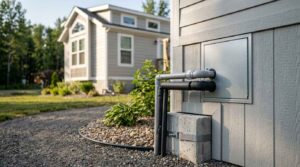
Park Model Setup and Installation Costs
The purchase price of the unit is only part of the total investment. Setup and installation costs add $10,000 to $30,000 or more depending on site conditions, local permit requirements, and the utility connections needed.
Site Preparation and Foundation
Most park model communities handle basic site preparation as part of the lot agreement. Buyers placing a unit on private land or in a new community must budget for grading, leveling, and foundation work. A concrete pad or pier foundation typically costs $3,000 to $8,000 depending on soil conditions and local building codes.
Permit requirements and site work vary significantly by county and state — our site preparation costs guide explains what to budget for grading, foundation, and utility connections before your unit arrives
Utility Hookups and Permits
Connecting a park model to water, sewer, and electrical service costs $2,000 to $10,000 depending on how close existing utility lines are to the site. Propane or septic systems add cost in rural locations without municipal service access.
Building permits range from $500 to $3,000 depending on the jurisdiction. Some counties treat park models as RVs and require only an RV placement permit, while others apply residential building codes that trigger more extensive inspection requirements.
Ongoing Costs of Owning a Park Model Home
Purchase and setup costs are one-time expenses. Ongoing ownership costs recur monthly and annually and must be included in any realistic budget comparison between a park model and other housing types.
Lot Rent and Community Fees
Most park model owners do not own the land their unit sits on. Instead, they pay monthly lot rent to the community or resort where the unit is placed. Lot rent in 2026 ranges from $300 to $1,200 per month depending on location, amenities, and whether the community is seasonal or year-round.
Communities with pools, clubhouses, fitness centers, and organized activities charge higher lot rent than basic communities with minimal shared amenities. Buyers should request a full fee schedule from any community before committing to placement.
Maintenance, Insurance, and Utilities
Annual maintenance costs for a park model home run $1,000 to $4,000 depending on the age of the unit, climate, and how heavily it is used. Routine upkeep is one of the most underestimated ownership expenses — our home maintenance costs guide breaks down annual service budgets for roofing, plumbing, HVAC, and more so you can plan ahead.
Insurance for a park model home typically costs $500 to $1,500 per year. Most insurers classify park models under RV or specialty dwelling policies rather than standard homeowner policies. Monthly utility costs vary by climate and usage but average $100 to $300 per month for a full-time resident.
Park Model Financing Options in 2026
Financing a park model home is different from financing a traditional home. Because park models are classified as recreational vehicles under federal standards, most conventional mortgage lenders do not offer standard home loans for these units.
The most common financing paths in 2026 include RV loans, personal loans, chattel loans, and manufacturer financing programs. RV loans typically carry terms of 10 to 20 years with interest rates ranging from 7% to 14% depending on credit score, down payment, and lender. Personal loans offer faster approval but shorter terms and higher rates, making them better suited for used unit purchases at lower price points.
Lender requirements often depend on how a unit is classified — reviewing the full range of park model home types helps buyers understand which financing path applies to their specific purchase.
Some buyers use land-home packages when purchasing a unit and a lot together in a community that allows ownership rather than rental. These packages may qualify for chattel or manufactured home loan programs with more favorable terms than standard RV financing.
Is a Park Model Home Worth the Cost?
For the right buyer, a park model home offers strong value relative to its purchase price. The combination of a low entry cost, minimal maintenance footprint, and flexible placement makes park models an attractive option for retirees, seasonal residents, and buyers seeking affordable housing in high-cost markets.
The primary trade-offs are lot rent dependency, limited financing options, and slower appreciation compared to site-built homes. Buyers who own their land or purchase in a community with land ownership options reduce the long-term cost significantly.
Buyers weighing value should also consider the broader landscape of compact housing — our tiny home alternatives compares park models against other small-footprint options by cost, durability, and resale potential.
Park models are not the right fit for every buyer, but for those whose lifestyle and budget align with what they offer, the cost-to-value ratio in 2026 is genuinely competitive with other entry-level housing options.
Conclusion
Park model home costs in 2026 range from $30,000 to $130,000 for the unit, with setup, lot rent, and ongoing expenses adding meaningfully to the total ownership picture.
Buyers who account for delivery, site preparation, permits, and monthly lot rent from the start avoid the budget gaps that derail many first-time purchases in this category.
At Mr. Local Services, we connect property owners with skilled professionals who handle everything from site preparation to ongoing maintenance — reach out today to get reliable service support for your park model home.
Frequently Asked Questions
How much does a park model home cost in 2026?
Park model homes cost between $30,000 and $130,000 in 2026, with most buyers spending $45,000 to $80,000 for a new standard unit. Delivery, site preparation, and permits add $10,000 to $30,000 on top of the base price.
Are park model homes a good investment?
Park model homes can be a good investment for buyers who own their land or purchase in communities with land ownership options. Units placed on rented lots appreciate more slowly and carry ongoing lot rent costs that reduce long-term return compared to site-built homes.
What is included in the base price of a park model?
The base price of a park model typically includes the unit structure, standard interior finishes, basic appliances, and factory-installed fixtures. Delivery, site preparation, utility hookups, permits, and optional upgrades are almost always priced separately.
How much does it cost to set up a park model home?
Setting up a park model home costs $10,000 to $30,000 on average, covering site grading, foundation or pad work, utility connections, and local permits. Costs vary based on site conditions, distance from utility lines, and local building code requirements.
Can you get a mortgage on a park model home?
Standard mortgages are not available for park model homes because they are classified as recreational vehicles, not real property. Most buyers use RV loans, chattel loans, personal loans, or manufacturer financing programs, which carry higher interest rates and shorter terms than conventional home loans.
How long do park model homes last?
A well-maintained park model home lasts 30 to 50 years. Longevity depends on construction quality, climate exposure, and how consistently the unit receives routine maintenance for roofing, plumbing, HVAC, and exterior surfaces.
What is the difference between a park model and a tiny home?
A park model is a factory-built RV-classified unit up to 400 square feet, designed for placement in communities or resorts. A tiny home is typically a custom or semi-custom structure built to residential codes, often on a trailer or permanent foundation, with more flexibility in placement and financing options.