Remodeling is not one-size-fits-all. Every project falls into one of four categories, each defined by scope, cost, and how deeply it changes your property. Whether you want a quick refresh or a full transformation, knowing these categories helps you plan smarter, budget accurately, and hire the right professional. This guide breaks down all four types of remodeling so homeowners, landlords, and property managers can choose the path that fits their goals.
The Four Main Types of Remodeling Explained
The four types of remodeling are cosmetic, pull-and-replace, structural, and whole-house. Cosmetic projects focus on surface upgrades. Pull-and-replace involves swapping fixtures and finishes within the same footprint. Structural remodeling alters walls, framing, or layout. Whole-house remodeling transforms the entire property at once.
Each type carries a different price range, timeline, and permit requirement. Cosmetic work might take a weekend, while structural changes often span weeks. Choosing correctly protects your budget and prevents scope creep. Most homeowners begin with cosmetic upgrades before progressing to deeper investments as needs evolve.
Cosmetic Remodeling
Cosmetic remodeling is the lightest category. It includes painting, new hardware, light fixtures, updated trim, and surface-level flooring refreshes. Nothing structural changes. No permits are typically required. This type works well for rental turnovers, pre-sale prep, or owners who want a fresh look without major disruption. Cosmetic projects are budget-friendly and often completed by minor handyman upgrades within days. They deliver fast visual impact and are the most common entry point for first-time renovators testing their property’s potential before committing to larger work.
Pull-and-Replace Remodeling
Pull-and-replace remodeling swaps existing fixtures, cabinets, countertops, appliances, or flooring within the same footprint. Walls stay put. Plumbing and electrical lines remain in their original locations. Kitchens and bathrooms are the most common candidates. This type costs more than cosmetic work but avoids the engineering complexity of structural changes. Timelines usually run two to six weeks. It is the sweet spot for owners who want a noticeably upgraded space, modern finishes, and improved function without the cost or permitting burden of moving load-bearing elements.
Understanding the four categories is the foundation. Choosing the right professional remodeling services depends on your property’s condition, your budget, and your long-term goals.
Structural and Whole-House Remodeling
The deeper categories require licensed contractors, engineering input, and permits. These projects reshape how a home functions, not just how it looks.
Structural Remodeling
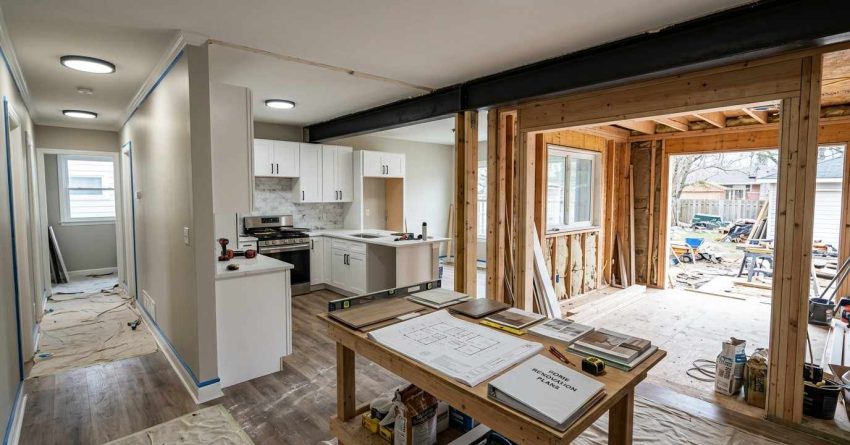
Structural remodeling changes the building’s bones. It includes removing or relocating load-bearing walls, expanding rooms, raising ceilings, adding square footage, or reconfiguring layouts. Foundation work, framing modifications, and updated plumbing rough-in work are common. Permits, inspections, and engineered drawings are mandatory. Costs scale quickly, and timelines often run two to six months. This type suits owners staying long-term who want their property to match modern living patterns, like open-concept kitchens or primary suite expansions.
Whole-House Remodeling
Whole-house remodeling addresses every room in a single coordinated project. It often combines all three previous categories with new HVAC, roofing, windows, and exterior work. This is the most disruptive option and usually requires temporary relocation. However, executing everything together saves money compared to phased projects and produces a fully unified result. It works best for older homes needing comprehensive updates or investors repositioning a property for higher market value.
How to Choose the Right Type for Your Property
The right remodeling type depends on three factors: your budget, your timeline, and how long you plan to stay. Cosmetic and pull-and-replace projects suit short-term owners or rental properties needing quick value boosts. Structural work pays off for owners staying five years or longer. Whole-house remodeling fits major investments and full property repositioning. Always start with a clear scope, professional estimates, and a contingency budget of 10% to 20%. Matching the project type to your actual goals prevents overspending and avoids regret after the dust settles.
Conclusion
The four types of remodeling, cosmetic, pull-and-replace, structural, and whole-house, give every property owner a clear path to upgrade smartly based on scope and goals.
Choosing wisely protects your budget, increases property value, and ensures your home or rental performs reliably for years to come.
We at Mr. Local Services connect you with vetted remodeling professionals across every category. Get matched today and remodel with confidence.
Frequently Asked Questions
Which type of remodeling adds the most value?
Whole-house and structural remodeling typically deliver the highest long-term value, while kitchen and bath pull-and-replace projects offer the strongest short-term return on investment.
Do I need permits for cosmetic remodeling?
Cosmetic remodeling rarely requires permits since no structural, electrical, or plumbing changes occur. Always confirm with your local building department before starting any project.
How long does pull-and-replace remodeling take?
Most pull-and-replace projects take two to six weeks, depending on material lead times, contractor availability, and whether the work involves a kitchen, bathroom, or full living area.
Is whole-house remodeling cheaper than phased projects?
Yes, whole-house remodeling usually costs less overall than multiple phased projects because contractors coordinate trades, materials, and permits in one efficient timeline.
Can I live in my home during structural remodeling?
Sometimes, depending on which areas are affected. Major structural work involving kitchens, bathrooms, or load-bearing walls often requires temporary relocation for safety and convenience.