Green and energy-efficient remodeling transforms residential and commercial properties into high-performance buildings that consume less energy, reduce utility costs, and minimize environmental impact. This approach combines proven building science principles with modern technology to create healthier, more comfortable living spaces that retain their value over time.
Property owners across the United States are increasingly prioritizing energy efficiency as utility costs rise and environmental awareness grows. This comprehensive guide covers building envelope improvements, HVAC system upgrades, renewable energy integration, sustainable materials, indoor air quality, smart home technology, green certifications, budgeting strategies, and contractor selection to help you plan and execute successful green remodeling projects.
What Is Green and Energy-Efficient Remodeling?
Green and energy-efficient remodeling refers to renovation projects that prioritize reduced energy consumption, sustainable material use, improved indoor air quality, and minimized environmental impact. Unlike conventional remodeling that focuses primarily on aesthetics and functionality, green remodeling applies building science principles to create homes that perform better across multiple dimensions.
The foundation of energy-efficient remodeling lies in understanding how buildings use energy. Heating and cooling typically account for the largest share of residential energy consumption, followed by water heating, lighting, and appliances. Green remodeling addresses each of these areas systematically, often starting with the building envelope before moving to mechanical systems and fixtures.
This approach differs from simply installing energy-efficient products. True green remodeling considers how individual components interact within the whole building system. Upgrading to a high-efficiency furnace, for example, delivers limited benefits if the home’s ductwork leaks conditioned air into unconditioned spaces or if inadequate insulation allows heat to escape through walls and ceilings.
The scope of green remodeling ranges from targeted upgrades like adding insulation or replacing windows to comprehensive whole-house renovations that address every building system. The right approach depends on the property’s current condition, the owner’s budget and goals, and local climate conditions that determine which improvements deliver the greatest return.
Why Energy-Efficient Remodeling Matters for Property Owners
Energy-efficient remodeling delivers measurable benefits that extend far beyond environmental considerations. Property owners who invest in green upgrades typically experience lower operating costs, increased property values, improved comfort, and reduced maintenance requirements over the life of their buildings.
Lower Utility Costs and Long-Term Savings
Utility bills represent a significant ongoing expense for property owners, and energy-efficient upgrades directly reduce these costs. According to the U.S. Department of Energy, properly insulating and air sealing a home can reduce heating and cooling costs by up to 15%. High-efficiency HVAC systems, ENERGY STAR appliances, and LED lighting compound these savings across multiple building systems.
The cumulative effect of multiple energy-efficient upgrades often exceeds the sum of individual improvements. A home with upgraded insulation, sealed ductwork, and a high-efficiency heat pump may use 30-50% less energy for heating and cooling than a comparable home with standard equipment and construction. These savings continue year after year, often offsetting the initial investment within five to ten years.
Increased Property Value and Market Appeal
Real estate markets increasingly reward energy-efficient homes with higher sale prices and faster transactions. The National Association of Realtors reports that energy efficiency ranks among the top features buyers seek, particularly in regions with extreme climates or high utility costs.
Homes with documented energy improvements, third-party certifications, or renewable energy systems often command premium prices. Solar panels, in particular, have been shown to increase home values by an average of 4.1% according to Zillow research. Energy-efficient upgrades consistently rank among the top improvements that buyers actively seek when evaluating properties. Homeowners who invest in green remodeling often recover a significant portion of their investment at resale, particularly in markets where utility costs and environmental awareness influence purchasing decisions.
Environmental Impact and Carbon Footprint Reduction
Residential buildings account for approximately 20% of U.S. energy consumption and associated greenhouse gas emissions, according to the U.S. Energy Information Administration. Energy-efficient remodeling directly reduces this impact by decreasing the amount of energy required to heat, cool, light, and power homes.
Beyond energy consumption, green remodeling addresses other environmental concerns through sustainable material selection, water conservation, and waste reduction during construction. These choices contribute to broader environmental goals while creating healthier living environments for occupants.
Key Components of a Green Remodeling Project
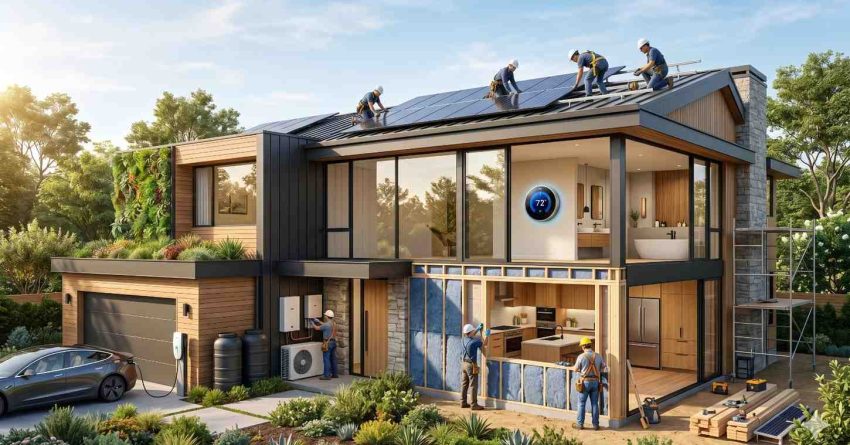
Successful green remodeling projects address multiple building systems in a coordinated approach that maximizes energy savings and comfort improvements. Understanding the key components helps property owners prioritize investments and avoid common mistakes that undermine performance.
Building Envelope and Insulation Upgrades
The building envelope separates conditioned interior spaces from the outdoor environment and includes walls, roofs, floors, windows, and doors. A well-designed envelope minimizes heat transfer and air leakage, reducing the energy required to maintain comfortable indoor temperatures.
Insulation upgrades often deliver the highest return on investment among green remodeling improvements. Adding insulation to attics, walls, and floors reduces heat loss in winter and heat gain in summer. The optimal insulation levels depend on climate zone, with colder regions requiring higher R-values to achieve meaningful energy savings.
Air sealing complements insulation by preventing conditioned air from escaping through gaps, cracks, and penetrations in the building envelope. Common air leakage points include electrical outlets, plumbing penetrations, recessed lights, and the connections between different building materials. Professional air sealing can reduce air infiltration by 25-40%, significantly improving both energy efficiency and comfort.
High-Performance Windows and Doors
Windows and doors represent significant weak points in most building envelopes. Standard single-pane windows allow substantial heat transfer and often contribute to drafts and comfort complaints. High-performance windows with double or triple glazing, low-emissivity coatings, and insulated frames dramatically reduce heat transfer while maintaining natural light and views.
Window selection should consider climate-specific factors. In heating-dominated climates, windows with high solar heat gain coefficients allow beneficial solar warming during winter months. In cooling-dominated climates, low solar heat gain coefficients reduce unwanted heat gain that increases air conditioning loads.
Energy-Efficient Lighting and Appliances
Lighting and appliances account for a significant portion of residential energy consumption, and modern alternatives offer dramatic efficiency improvements over older equipment. LED lighting uses 75% less energy than incandescent bulbs and lasts 25 times longer, according to the Department of Energy.
ENERGY STAR certified appliances meet strict efficiency standards that reduce energy and water consumption without sacrificing performance. Replacing an old refrigerator, dishwasher, or washing machine with an ENERGY STAR model typically reduces energy consumption by 10-50% depending on the age and efficiency of the replaced equipment.
Water Conservation Systems
Water heating represents the second-largest energy expense in most homes, making water conservation an important component of green remodeling. Low-flow fixtures, efficient water heaters, and recirculating systems reduce both water consumption and the energy required to heat it.
Heat pump water heaters offer particularly significant savings, using up to 70% less energy than conventional electric water heaters. These systems extract heat from surrounding air to warm water, making them especially effective in warm climates or conditioned spaces like basements.
Selecting the right materials and finishes determines both the performance and longevity of any green remodeling project. From insulation R-values to window U-factors, understanding material specifications helps property owners make informed decisions that balance upfront costs with long-term energy savings.
HVAC Systems and Energy Efficiency
Heating, ventilation, and air conditioning systems typically represent the largest energy consumers in residential buildings. Upgrading to high-efficiency equipment and optimizing system design can reduce HVAC energy consumption by 30-50% while improving comfort and indoor air quality.
High-Efficiency Heating and Cooling Equipment
Modern HVAC equipment offers efficiency levels that far exceed minimum code requirements. High-efficiency furnaces achieve 95-98% AFUE ratings, meaning nearly all fuel energy converts to useful heat. Heat pumps provide even greater efficiency by moving heat rather than generating it, achieving effective efficiencies of 300-400% in moderate climates.
Variable-speed equipment adjusts output to match actual heating and cooling loads, avoiding the energy waste associated with oversized systems that cycle on and off frequently. These systems also provide more consistent temperatures and better humidity control than single-speed alternatives.
Ductwork Sealing and Optimization
Duct leakage represents one of the most significant sources of energy waste in forced-air HVAC systems. The Department of Energy estimates that typical duct systems lose 25-40% of heating and cooling energy through leaks, particularly in unconditioned spaces like attics and crawlspaces.
Professional duct sealing using mastic or metal tape can reduce leakage to acceptable levels, improving system efficiency and comfort. In some cases, replacing deteriorated ductwork or relocating ducts to conditioned spaces provides additional benefits.
Smart Thermostats and Zoning Systems
Smart thermostats learn occupancy patterns and adjust temperatures automatically, reducing energy waste during unoccupied periods. The EPA estimates that ENERGY STAR certified smart thermostats save an average of 8% on heating and cooling costs.
Zoning systems divide homes into independently controlled areas, allowing different temperatures in different spaces based on occupancy and preference. This approach prevents heating or cooling unoccupied rooms and accommodates varying comfort preferences among household members.
Modern HVAC systems in remodeling projects offer efficiency ratings that were unimaginable a decade ago, with variable-speed compressors and smart controls that adapt to occupancy patterns and weather conditions. Proper sizing and installation remain critical factors that determine whether these systems deliver their promised energy savings.
Renewable Energy Integration in Remodeling
Renewable energy systems allow property owners to generate clean electricity on-site, reducing or eliminating dependence on grid power and associated utility costs. Solar photovoltaic systems have become increasingly affordable and represent the most common renewable energy choice for residential properties.
Solar Panel Systems and Installation Considerations
Residential solar installations have grown dramatically as equipment costs have declined and financing options have expanded. The Solar Energy Industries Association reports that the average cost of residential solar has dropped by more than 70% over the past decade, making solar accessible to a broader range of property owners.
Solar system sizing depends on electricity consumption, available roof space, and local solar resources. South-facing roofs with minimal shading provide optimal conditions, though east and west orientations can also work effectively. Professional solar assessments evaluate site-specific factors and project expected energy production and savings.
Installation considerations include roof condition, structural capacity, electrical panel compatibility, and local permitting requirements. Addressing roof repairs or upgrades before solar installation prevents the need to remove and reinstall panels later. Electrical panel upgrades may be necessary to accommodate solar connections and meet code requirements.
Battery Storage and Grid Independence
Battery storage systems allow solar-equipped homes to store excess daytime generation for use during evening hours or power outages. While batteries add significant cost to solar installations, they provide energy independence and backup power capabilities that appeal to many property owners.
Battery economics depend on local utility rate structures, particularly time-of-use rates that charge more for electricity during peak demand periods. In areas with favorable rate structures, batteries can provide meaningful savings by shifting solar generation to high-rate periods.
Geothermal and Alternative Energy Options
Ground-source heat pumps, commonly called geothermal systems, use the stable temperature of the earth to provide highly efficient heating and cooling. These systems circulate fluid through underground loops to exchange heat with the ground, achieving efficiencies of 400-600% in ideal conditions.
Geothermal installation requires significant upfront investment for ground loop installation, but operating costs are substantially lower than conventional HVAC systems. The Department of Energy notes that geothermal systems can reduce energy consumption by 25-50% compared to conventional systems.
Integrating renewable energy requires careful coordination with existing MEP systems in remodeling projects, ensuring that electrical panels, wiring, and structural supports can accommodate solar arrays or battery storage systems. This coordination prevents costly retrofits and ensures seamless operation between new and existing building systems.
Sustainable Building Materials and Finishes
Material selection significantly impacts both the environmental footprint and long-term performance of remodeling projects. Sustainable materials reduce environmental impact during manufacturing, installation, and eventual disposal while often providing superior durability and performance.
Recycled and Reclaimed Materials
Recycled-content materials divert waste from landfills while reducing the energy and resources required for new material production. Common recycled-content options include insulation made from recycled glass or denim, decking made from recycled plastic and wood fiber, and countertops made from recycled glass or paper.
Reclaimed materials salvaged from demolished buildings offer unique character while avoiding the environmental impact of new production. Reclaimed wood flooring, beams, and millwork provide distinctive aesthetics that cannot be replicated with new materials.
Low-VOC Paints and Finishes
Volatile organic compounds released by conventional paints, stains, and finishes contribute to indoor air pollution and can cause health effects ranging from headaches to respiratory irritation. Low-VOC and zero-VOC alternatives provide equivalent performance without these emissions.
Third-party certifications like Green Seal and GREENGUARD help identify products that meet strict emissions standards. These certifications verify that products have been tested and meet established limits for VOC emissions.
Sustainable Flooring Options
Flooring choices range from rapidly renewable materials like bamboo and cork to recycled-content options like reclaimed wood and recycled rubber. Each option offers different performance characteristics, aesthetics, and environmental profiles.
Bamboo grows to maturity in three to five years, making it a rapidly renewable alternative to traditional hardwoods that require decades to mature. Cork, harvested from bark without harming trees, provides natural cushioning and thermal insulation along with unique visual appeal.
The market for sustainable materials has expanded dramatically, offering property owners options that match or exceed the performance of conventional products while reducing environmental impact. Understanding certifications like FSC for wood products or Cradle to Cradle for manufactured goods helps identify genuinely sustainable choices.
Indoor Air Quality and Healthy Home Design
Indoor air quality directly affects occupant health and comfort, making it an essential consideration in green remodeling. Tightly sealed, energy-efficient homes require intentional ventilation strategies to maintain healthy indoor environments.
Ventilation and Air Filtration Systems
Mechanical ventilation systems provide controlled fresh air exchange in tightly sealed homes where natural air infiltration is minimized. Heat recovery ventilators and energy recovery ventilators capture heat from exhaust air to precondition incoming fresh air, maintaining energy efficiency while ensuring adequate ventilation.
High-efficiency air filtration removes particulates, allergens, and other contaminants from indoor air. MERV 13 or higher filters capture most airborne particles, including many bacteria and virus-carrying droplets. Whole-house air purification systems using UV light or photocatalytic oxidation provide additional protection against biological contaminants.
Moisture Control and Mold Prevention
Excess moisture creates conditions for mold growth, wood rot, and other problems that affect both building durability and occupant health. Effective moisture control addresses both bulk water intrusion and water vapor movement through building assemblies.
Proper flashing, drainage, and waterproofing prevent bulk water from entering building assemblies. Vapor barriers and careful attention to dew point locations prevent condensation within walls and ceilings. Bathroom and kitchen exhaust fans remove moisture at its source before it can spread throughout the home.
Non-Toxic Material Selection
Building materials can release harmful chemicals for months or years after installation. Formaldehyde from engineered wood products, flame retardants from foam insulation, and plasticizers from vinyl flooring represent common concerns in conventional construction.
Selecting materials with third-party certifications for low emissions helps ensure healthy indoor environments. The GREENGUARD certification program tests products for chemical emissions and certifies those meeting strict standards for indoor air quality.
Proper ventilation systems balance energy efficiency with indoor air quality, using heat recovery ventilators or energy recovery ventilators to bring in fresh air without losing conditioned air. These systems are particularly important in tightly sealed green homes where natural air infiltration is minimized.
Smart Home Technology for Energy Management
Smart home technology enables automated energy management that optimizes consumption based on occupancy, weather, utility rates, and user preferences. These systems provide visibility into energy use patterns and identify opportunities for additional savings.
Automated Lighting and Climate Control
Smart lighting systems adjust automatically based on occupancy, time of day, and available daylight. Motion sensors turn lights off in unoccupied rooms, while daylight sensors dim artificial lighting when natural light is sufficient. Scheduled programming ensures lights turn off at appropriate times regardless of occupant behavior.
Smart climate control extends beyond basic programmable thermostats to include room-by-room temperature control, humidity management, and integration with other building systems. Advanced systems learn occupant preferences and adjust automatically while maintaining energy efficiency.
Energy Monitoring Systems
Whole-house energy monitors provide real-time visibility into electricity consumption, helping identify energy-wasting equipment and behaviors. Circuit-level monitoring breaks down consumption by individual circuits, pinpointing specific opportunities for improvement.
Many utility companies offer smart meter data access through online portals or third-party apps. This data helps property owners understand consumption patterns and evaluate the impact of efficiency improvements.
Integration with Renewable Energy Systems
Smart energy management systems coordinate consumption with on-site renewable generation, maximizing self-consumption of solar electricity and minimizing grid purchases. These systems can shift flexible loads like water heating, EV charging, and pool pumps to periods of peak solar production.
Battery storage integration adds another layer of optimization, storing excess solar generation for use during evening hours or peak rate periods. Advanced systems consider weather forecasts, utility rate schedules, and historical consumption patterns to optimize battery charging and discharging.
Integrating energy management into a broader smart home remodeling strategy creates opportunities for automation that extends beyond simple thermostat control. Whole-house systems can coordinate lighting, HVAC, and appliances to optimize energy use based on occupancy, time-of-use electricity rates, and even weather forecasts.
Green Certifications and Standards
Third-party certifications provide independent verification that homes meet established standards for energy efficiency, sustainability, and indoor environmental quality. These certifications add credibility to green claims and can increase property values.
ENERGY STAR Certification
ENERGY STAR Certified Homes meet strict energy efficiency requirements verified through third-party testing and inspection. These homes are typically 10-20% more efficient than homes built to code, according to the EPA.
The certification process includes mandatory inspections and testing, including blower door tests to verify air sealing and duct leakage tests to verify HVAC system integrity. This verification ensures that efficiency measures are properly installed and performing as intended.
LEED for Homes
Leadership in Energy and Environmental Design for Homes addresses a broader range of sustainability factors beyond energy efficiency. LEED certification considers site selection, water efficiency, materials, indoor environmental quality, and innovation in addition to energy performance.
LEED certification levels range from Certified to Platinum based on points earned across multiple categories. Higher certification levels require more stringent performance and additional sustainable features.
Other Green Building Programs
Regional and specialty certification programs address specific priorities or building types. The National Green Building Standard provides a residential green building rating system developed by the National Association of Home Builders. Passive House certification focuses on extreme energy efficiency through superior building envelope performance.
Local utility programs often provide incentives for meeting specific efficiency standards, even without formal third-party certification. These programs may offer rebates, reduced permit fees, or expedited inspections for qualifying projects.
Many green certification programs require specific permits and inspections that go beyond standard building code requirements, including blower door tests for air sealing and duct leakage testing for HVAC systems. Understanding these requirements early in the planning process prevents delays and ensures projects meet certification standards.
Planning and Budgeting for Green Remodeling
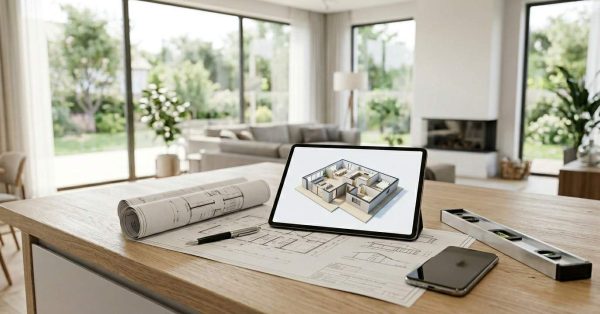
Effective planning maximizes the impact of green remodeling investments by prioritizing improvements that deliver the greatest benefits for available budgets. Professional energy assessments help identify the most cost-effective opportunities for each property.
Energy Audits and Prioritization
Professional energy audits evaluate current building performance and identify specific opportunities for improvement. Auditors use diagnostic tools including blower doors, infrared cameras, and combustion analyzers to assess air leakage, insulation effectiveness, and equipment efficiency.
Audit reports typically prioritize recommendations based on cost-effectiveness, considering both upfront costs and projected energy savings. This prioritization helps property owners allocate limited budgets to improvements that deliver the greatest return.
Many utilities offer free or subsidized energy audits to customers, making professional assessment accessible regardless of budget. These audits often identify low-cost improvements that deliver immediate savings alongside larger projects that require more significant investment.
Home energy audits provide the foundation for effective green remodeling by identifying specific opportunities and quantifying expected savings. Professional auditors use diagnostic equipment to pinpoint air leaks, insulation gaps, and equipment inefficiencies that waste energy.
Cost-Benefit Analysis of Green Upgrades
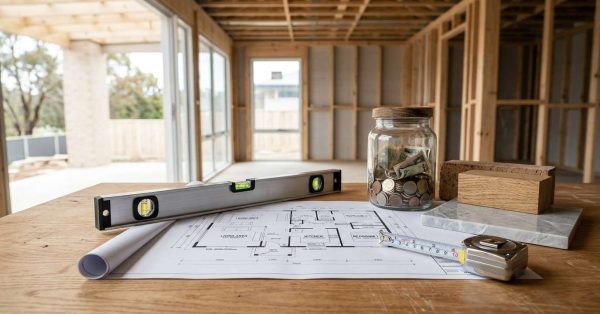
Evaluating green upgrades requires considering both upfront costs and long-term savings. Simple payback calculations divide initial investment by annual savings to determine how long until the investment pays for itself. More sophisticated analyses consider factors like energy price escalation, equipment lifespan, and the time value of money.
Some improvements deliver rapid payback through immediate energy savings. Air sealing and insulation upgrades often pay for themselves within two to five years. Other improvements like solar panels or geothermal systems require longer payback periods but provide decades of savings after the initial investment is recovered.
Incentives, Rebates, and Tax Credits
Federal, state, and local incentives significantly reduce the net cost of many green improvements. The federal Residential Clean Energy Credit provides a 30% tax credit for solar, battery storage, and geothermal installations through 2032, according to the IRS.
State and utility incentives vary widely but can provide substantial additional savings. The Database of State Incentives for Renewables & Efficiency provides a comprehensive listing of available programs by location.
Green remodeling projects benefit from specialized budgets and financing options that account for the unique cost structure of energy-efficient upgrades, including longer payback periods offset by utility savings and available incentives. Many lenders now offer green mortgages and energy improvement loans with favorable terms for qualified projects.
Hiring Contractors for Green Remodeling Projects
Green remodeling requires specialized knowledge that goes beyond conventional construction skills. Finding contractors with appropriate training and experience helps ensure that efficiency measures are properly installed and perform as intended.
Finding Certified Green Building Professionals
Several organizations provide training and certification for green building professionals. Building Performance Institute certification indicates training in building science and energy efficiency. LEED Accredited Professionals have demonstrated knowledge of the LEED rating system. RESNET Home Energy Raters are qualified to conduct energy ratings and verify compliance with efficiency standards.
Trade associations and certification bodies maintain directories of qualified professionals. The Building Performance Institute, RESNET, and U.S. Green Building Council all provide searchable databases of certified professionals by location.
Questions to Ask Before Hiring
Effective contractor vetting includes specific questions about green building experience and qualifications. Ask about relevant certifications, training, and continuing education. Request references from similar green remodeling projects and follow up with those references about their experience.
Discuss specific efficiency measures planned for your project and ask how the contractor will verify proper installation. Blower door testing, duct leakage testing, and infrared scanning provide objective verification that work meets performance standards.
Verifying Credentials and Experience
Verify claimed certifications through issuing organizations. Check contractor licensing and insurance through state licensing boards. Review online reviews and Better Business Bureau ratings for patterns of complaints or concerns.
Request detailed proposals that specify equipment models, installation methods, and performance expectations. Compare proposals from multiple contractors to ensure you understand what is included and how different approaches compare.
Finding qualified professionals requires understanding what distinguishes certified green builders from conventional hiring remodeling contractors, including specific training in building science, energy modeling, and sustainable material installation. Verifying certifications and requesting references from similar green projects helps ensure contractors can deliver promised performance.
Room-by-Room Green Remodeling Considerations
Different rooms present different opportunities for energy efficiency and sustainability improvements. Understanding room-specific considerations helps prioritize investments and coordinate improvements across the home.
Kitchen Energy Efficiency
Kitchens contain multiple energy-consuming appliances and often represent significant opportunities for efficiency improvements. Refrigerators, dishwashers, and cooking equipment all offer ENERGY STAR certified options that reduce energy consumption while maintaining performance.
Lighting design significantly impacts kitchen energy use. Task lighting over work surfaces reduces the need for general illumination, while LED fixtures provide efficient, long-lasting light. Natural daylighting through windows or skylights reduces daytime lighting needs.
Ventilation requirements for cooking create opportunities for energy recovery. Range hoods that exhaust cooking fumes can incorporate heat recovery to precondition makeup air, reducing the energy impact of required ventilation.
Energy-efficient kitchen remodeling focuses on appliance selection, lighting design, and ventilation systems that reduce energy consumption while maintaining functionality. ENERGY STAR certified refrigerators, dishwashers, and cooking equipment can reduce kitchen energy use by 20-30% compared to standard models.
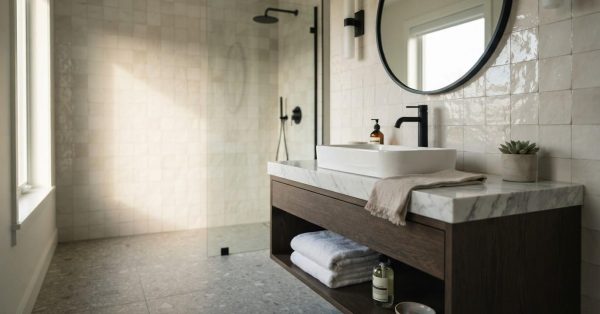
Bathroom Water and Energy Conservation
Bathrooms offer significant opportunities for water conservation, which also reduces the energy required for water heating. Low-flow showerheads and faucets reduce water consumption by 25-60% without noticeably affecting user experience.
Toilets represent the largest source of indoor water use in most homes. Dual-flush toilets allow users to select appropriate flush volumes, reducing water consumption by 20-60% compared to older fixtures. WaterSense certified toilets meet EPA standards for water efficiency.
Exhaust ventilation removes moisture that can cause mold and mildew problems. ENERGY STAR certified bathroom fans provide effective ventilation while using less energy and operating more quietly than standard models.
Water conservation drives many green bathroom remodeling decisions, with low-flow fixtures, dual-flush toilets, and recirculating hot water systems reducing both water and energy consumption. These upgrades often pay for themselves within a few years through reduced utility bills.
Living Spaces and Bedrooms
Living areas and bedrooms benefit from envelope improvements that enhance comfort while reducing energy consumption. Proper insulation and air sealing eliminate drafts and cold spots that compromise comfort. High-performance windows maintain comfortable surface temperatures while providing natural light and views.
Lighting controls including dimmers, occupancy sensors, and daylight sensors reduce energy waste in spaces with variable occupancy and lighting needs. Smart lighting systems can automate these controls while providing convenient user interfaces.
Ceiling fans provide effective cooling at a fraction of the energy cost of air conditioning. In heating season, reversing fan direction circulates warm air that accumulates near ceilings, improving comfort and reducing heating loads.
Common Mistakes in Green Remodeling
Understanding common mistakes helps property owners avoid pitfalls that undermine the effectiveness of green remodeling investments. Many of these mistakes result from addressing individual components without considering whole-building performance.
Overlooking the Building Envelope
Installing high-efficiency HVAC equipment in a poorly insulated, leaky home wastes much of the potential efficiency gain. The building envelope should be addressed before or alongside mechanical system upgrades to ensure that efficient equipment operates in conditions that allow it to perform effectively.
Air sealing is often overlooked in favor of more visible improvements like insulation or equipment upgrades. However, air leakage can account for 25-40% of heating and cooling energy loss, making air sealing one of the most cost-effective efficiency improvements available.
Choosing Aesthetics Over Performance
Selecting materials or equipment based primarily on appearance rather than performance can undermine efficiency goals. Windows chosen for style without attention to energy performance may look attractive while allowing significant heat transfer. Appliances selected for features without considering efficiency ratings may consume more energy than necessary.
Balancing aesthetics and performance requires understanding the performance implications of different choices. Many high-performance options are available in styles that satisfy aesthetic preferences without compromising efficiency.
Ignoring Whole-House Systems Thinking
Individual improvements can interact in unexpected ways when whole-house performance is not considered. Tightening the building envelope without addressing ventilation can create indoor air quality problems. Upgrading to a high-efficiency furnace without sealing ductwork wastes much of the potential savings.
Successful green remodeling requires a whole-house approach to planning and design that considers how individual upgrades interact with existing building systems. Addressing insulation without considering ventilation, for example, can create moisture problems that undermine both energy savings and indoor air quality.
Conclusion
Green and energy-efficient remodeling delivers measurable benefits including lower utility costs, increased property values, improved comfort, and reduced environmental impact. Success requires understanding building science principles, selecting appropriate materials and equipment, and working with qualified professionals who can ensure proper installation.
The investment in green remodeling pays dividends for years through reduced operating costs and enhanced property value. Property owners who prioritize energy efficiency position their buildings for long-term performance in an environment of rising energy costs and increasing buyer demand for sustainable features.
We at Mr. Local Services connect property owners with skilled professionals who specialize in energy-efficient upgrades, sustainable materials, and green building practices that transform properties into high-performance, comfortable, and valuable assets.
Frequently Asked Questions
What is the most cost-effective green remodeling upgrade?
Air sealing and insulation upgrades typically deliver the highest return on investment among green improvements. These upgrades often pay for themselves within two to five years through reduced heating and cooling costs while improving comfort throughout the home.
How much can energy-efficient remodeling reduce utility bills?
Comprehensive green remodeling can reduce energy consumption by 30-50% compared to typical existing homes. Individual improvements vary, with HVAC upgrades, insulation, and air sealing each contributing 10-20% savings depending on the home’s starting condition.
Do green remodeling projects qualify for tax credits?
Yes, many green improvements qualify for federal tax credits. Solar panels, battery storage, and geothermal systems qualify for a 30% federal tax credit through 2032. Additional state and utility incentives may provide further savings depending on location.
How long does it take to see ROI on energy-efficient upgrades?
Payback periods vary by improvement type. Air sealing and insulation typically pay back within 2-5 years. High-efficiency HVAC systems may take 5-10 years. Solar panels typically reach payback in 6-10 years depending on local electricity rates and incentives.
Can older homes be made energy efficient?
Yes, older homes often benefit significantly from energy efficiency upgrades. Many older homes have minimal insulation and significant air leakage, creating substantial opportunities for improvement. Professional energy audits identify the most effective upgrades for each property.
What certifications should I look for in green contractors?
Look for Building Performance Institute certification for energy efficiency work, LEED Accredited Professional status for sustainable building projects, and RESNET certification for energy rating and verification. Trade-specific certifications from manufacturers indicate training on specific equipment and systems.
Is green remodeling more expensive than traditional remodeling?
Green remodeling may have higher upfront costs for some improvements, but lower operating costs often offset the initial investment. Many green materials and equipment have become cost-competitive with conventional alternatives. Available incentives and rebates further reduce net costs for qualifying improvements.