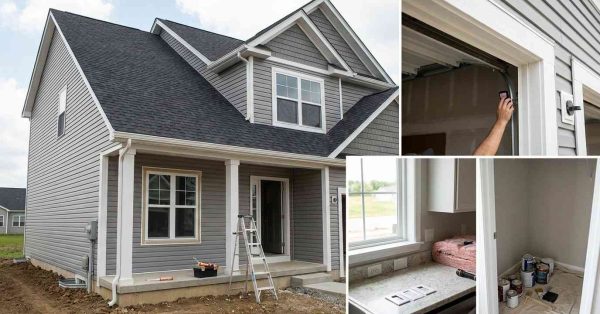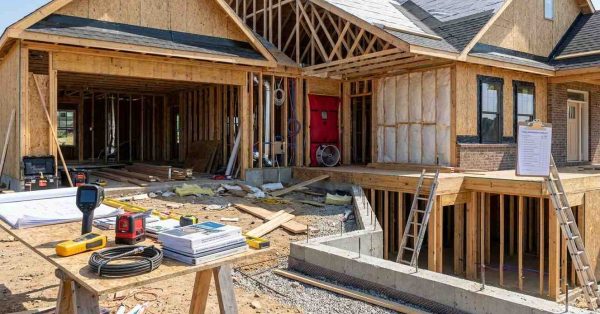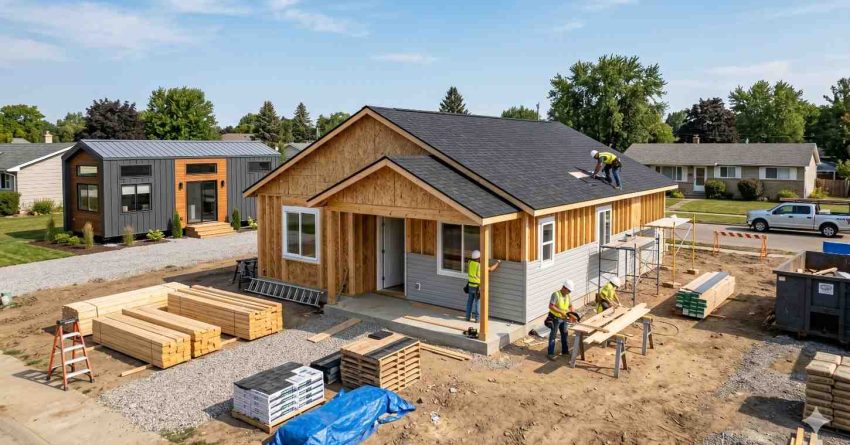
The cheapest style of house to build is a single-story ranch home or a small rectangular structure with a simple roofline, minimal interior walls, and a compact square footage. These design choices reduce labor hours, material volume, and structural complexity — the three biggest drivers of residential construction costs.
Choosing the right house style from the start is one of the most powerful cost-control decisions a homeowner or property manager can make. Before a single nail is driven, the shape, size, and layout of a home determine a significant portion of the final build budget. Understanding which styles keep those numbers low — and why — helps you plan with confidence and avoid costly design decisions that add up fast.
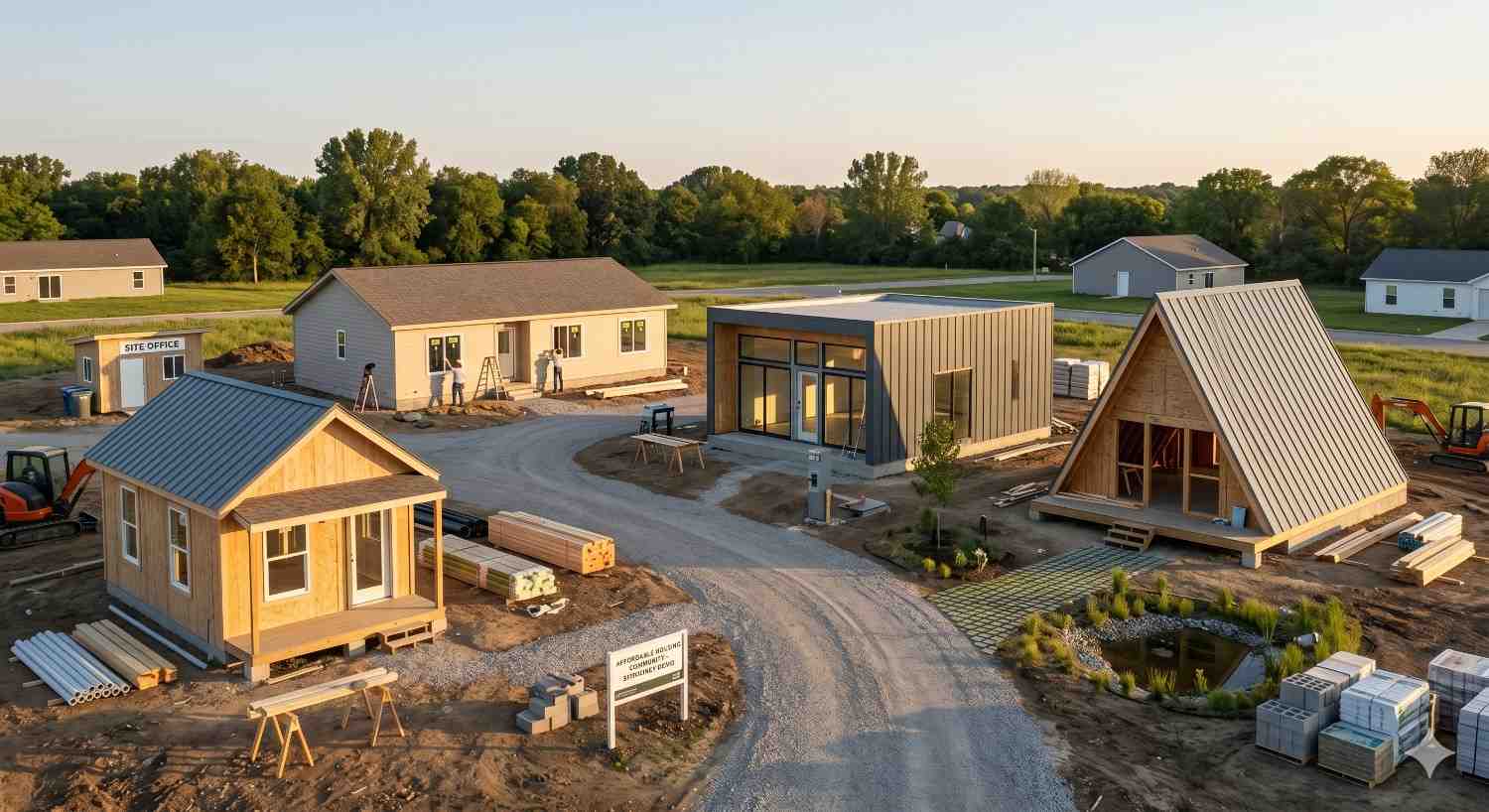
The Cheapest House Styles to Build
The most affordable homes share a common profile: simple geometry, minimal roofline complexity, single-story construction, and a compact footprint. These characteristics reduce the number of skilled labor hours required, limit material waste, and simplify the foundation work underneath.
A straightforward rectangular or square floor plan is consistently the least expensive shape to build. Every angle added to a floor plan adds cost. Every additional roofline intersection adds framing complexity. Keeping the shape simple keeps the budget manageable.
Ranch-Style Homes
Ranch homes are single-story structures built on a slab or crawl space foundation. Their horizontal layout eliminates the need for a staircase, reduces load-bearing wall requirements, and simplifies the roofline to a basic gable or hip design. This makes them faster to frame and easier to finish.
Because everything is on one level, plumbing and electrical runs are shorter and more direct. HVAC systems work more efficiently in single-story layouts, which also reduces mechanical installation costs. Ranch homes consistently rank among the most cost-effective builds per square foot for residential construction.
Tiny Homes and Small Square Footage Builds
Tiny homes — typically under 400 square feet — represent the lowest absolute construction cost of any residential style. Less square footage means less framing, less roofing material, less flooring, fewer fixtures, and a smaller foundation. Every cost category scales down proportionally.
Small rectangular homes in the 600 to 1,000 square foot range offer a practical middle ground. They provide livable space without the cost multipliers that come with larger footprints. For landlords and property managers building rental units or accessory dwelling units, this size range delivers strong value relative to construction investment.
Tiny home construction options vary widely in design, materials, and site requirements — and working with experienced professionals ensures the build meets local code while staying on budget.
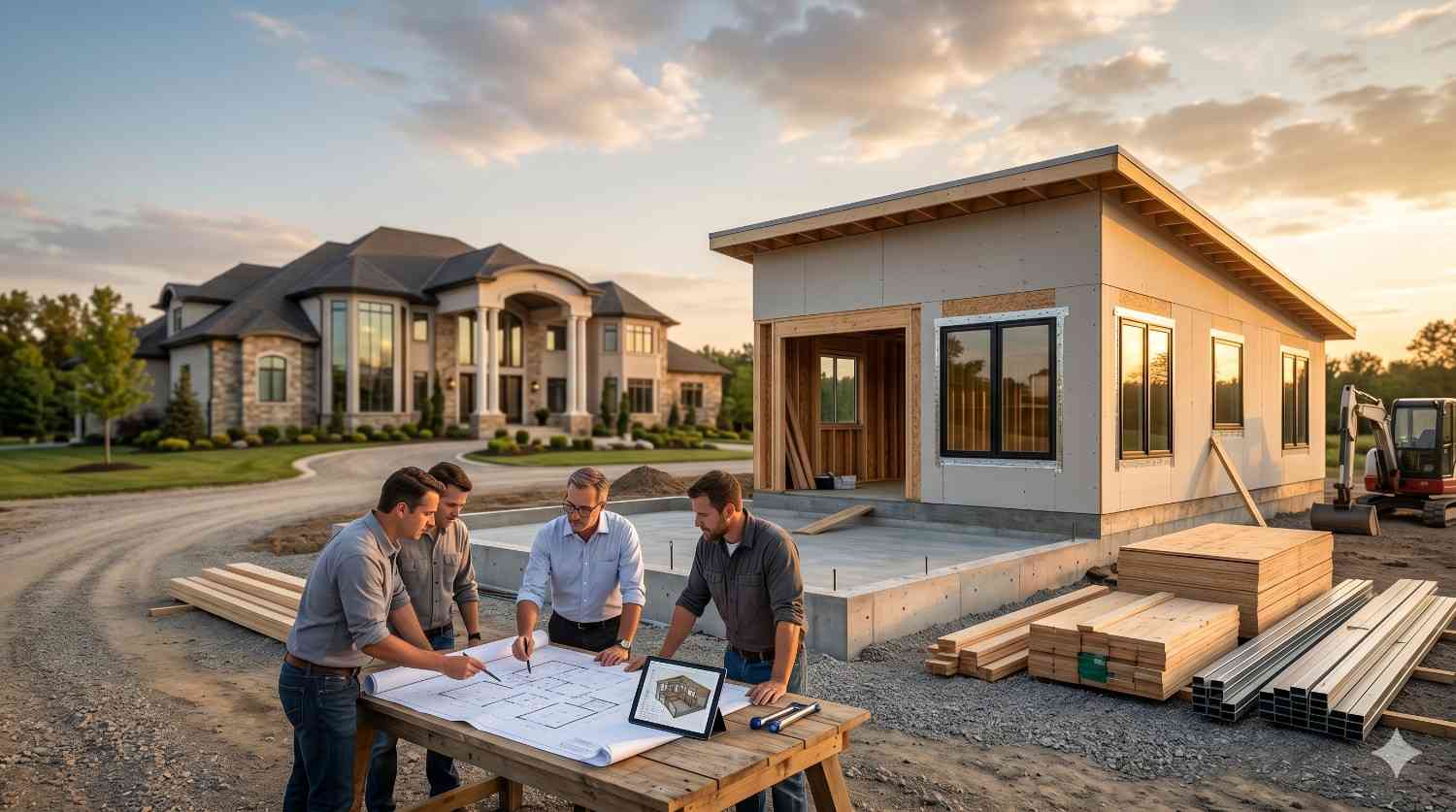
What Makes a House Style Cheaper to Build?
The style of a home influences cost, but the specific design decisions within that style determine the final number. Several structural and material factors consistently separate affordable builds from expensive ones.
Simple Rooflines and Single-Story Layouts
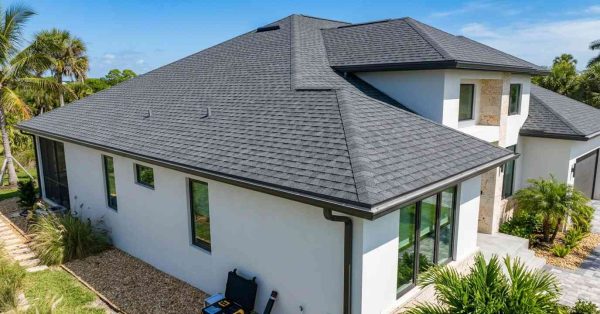
A gable roof — the classic triangular shape — is the least expensive roof to frame and install. It uses fewer materials than a hip roof, requires less labor, and is faster to waterproof. Every additional roofline valley, dormer, or pitch change adds framing complexity and increases both material and labor costs.
Single-story layouts also reduce foundation requirements. A two-story home of the same square footage requires a smaller footprint but a stronger, more engineered foundation to carry the upper floor load. That engineering adds cost. A single-story spread across a larger slab often costs less structurally than a two-story equivalent.
Material Choices and Prefabrication Options
Standard dimensional lumber, vinyl siding, asphalt shingles, and concrete slab foundations are the most cost-effective material choices for residential construction. Substituting engineered materials, custom millwork, or premium cladding at any stage of the build increases cost significantly.
Prefabricated and modular homes take cost efficiency further. Factory-built wall panels, roof trusses, and modular sections reduce on-site labor time and minimize material waste. Modular construction can reduce total build costs by 10 to 20 percent compared to traditional stick-built methods, depending on design complexity and site conditions.
For homeowners and property managers evaluating build methods, remodeling and construction planning with a qualified contractor early in the process helps identify where prefabrication can replace custom work without sacrificing quality or durability.
Cheap to Build vs. Cheap to Own — Know the Difference
The least expensive home to build is not always the least expensive home to own. A ranch home built with minimal insulation and standard windows may cost less upfront but generate higher energy bills year over year. A tiny home built without durable exterior cladding may require more frequent maintenance and repair.
Smart budget building means evaluating both construction cost and long-term operating cost together. Investing slightly more in insulation, roofing quality, and mechanical systems during the build phase typically reduces ongoing maintenance expenses and extends the useful life of the structure. For landlords and property managers, this calculation directly affects net operating income over time.
The cheapest house to build is the one designed with both the construction budget and the ownership cost in mind from the beginning.
Conclusion
Ranch homes and small rectangular structures with simple rooflines consistently deliver the lowest residential construction costs. Design simplicity, compact square footage, and standard materials are the core cost drivers.
For homeowners and property managers planning a new build, understanding these cost factors early prevents budget overruns and supports smarter long-term decisions around ongoing maintenance and repair needs once the structure is complete.
At Mr. Local Services, we connect you with skilled professionals who help you build, maintain, and improve your property with confidence — from the ground up.
Frequently Asked Questions
What is the least expensive type of house to build per square foot?
Small rectangular or square single-story homes built on a concrete slab with standard materials typically cost the least per square foot. Simpler geometry and fewer custom elements keep per-square-foot costs lowest.
Is a one-story or two-story house cheaper to build?
A one-story home is generally cheaper to build. It requires less structural engineering, simpler roofing, and shorter mechanical runs, which reduces both material and labor costs compared to a two-story design.
How much does it cost to build a small simple house?
A basic small home between 600 and 1,000 square feet can cost between $100 and $200 per square foot depending on location, materials, and labor rates. Total costs typically range from $60,000 to $200,000.
Are prefab or modular homes cheaper than stick-built homes?
Yes. Modular and prefabricated homes often cost 10 to 20 percent less than comparable stick-built homes because factory construction reduces labor time, material waste, and weather-related construction delays.
What features make a house more expensive to build?
Complex rooflines, multiple stories, custom millwork, premium materials, irregular floor plan shapes, and high-end mechanical systems all increase construction costs significantly compared to simple, standard builds.