A plumber can fix the source of water damage, such as a burst pipe, leaking fixture, or failed water heater, but cannot fully restore the structural and material damage left behind. Plumbers stop the water. Water damage restoration specialists dry, repair, and rebuild what the water destroyed. For most homeowners, landlords, and property managers, both professionals are needed to fully resolve a serious water event and return the property to safe, livable condition.
What a Plumber Can and Cannot Fix After Water Damage
A licensed plumber repairs the plumbing failure that caused the water damage. This includes burst pipes, slab leaks, failed shut-off valves, broken supply lines, leaking water heaters, sewer backups, and faulty fixtures. Plumbers do not dry wet drywall, remove saturated insulation, treat mold growth, or restore warped flooring. Their job ends at the leak. Restoration begins where their work stops.
What Plumbers Handle Directly
Plumbers diagnose and stop the active water source. They locate hidden leaks using pressure tests and moisture meters, replace damaged pipe sections, repair joints, and reseal fixtures. They also restore water flow safely, test the system for additional weak points, and confirm the property is no longer at risk from the same plumbing failure. For sudden emergencies like a midnight pipe burst, a plumber is the first call you make to prevent further loss.
What Falls Outside a Plumber’s Scope
Plumbers do not handle the aftermath. Wet subflooring, soaked carpet, damaged cabinetry, ruined drywall, and contaminated insulation require restoration tools and certifications most plumbing companies do not carry. Mold remediation, structural drying with industrial dehumidifiers, antimicrobial treatment, and content cleaning all sit outside their license. Attempting to dry materials yourself or relying only on a plumber after a major leak often leads to hidden mold and long-term structural decay.
Stopping the leak is only half the job. The damaged materials, hidden moisture, and air quality risks call for full water damage restoration services that pick up where the plumber leaves off.
When You Need a Water Damage Specialist Instead
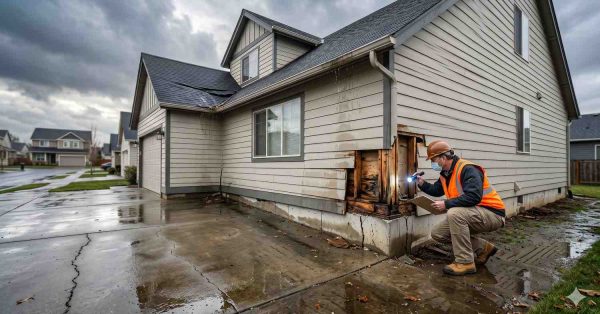
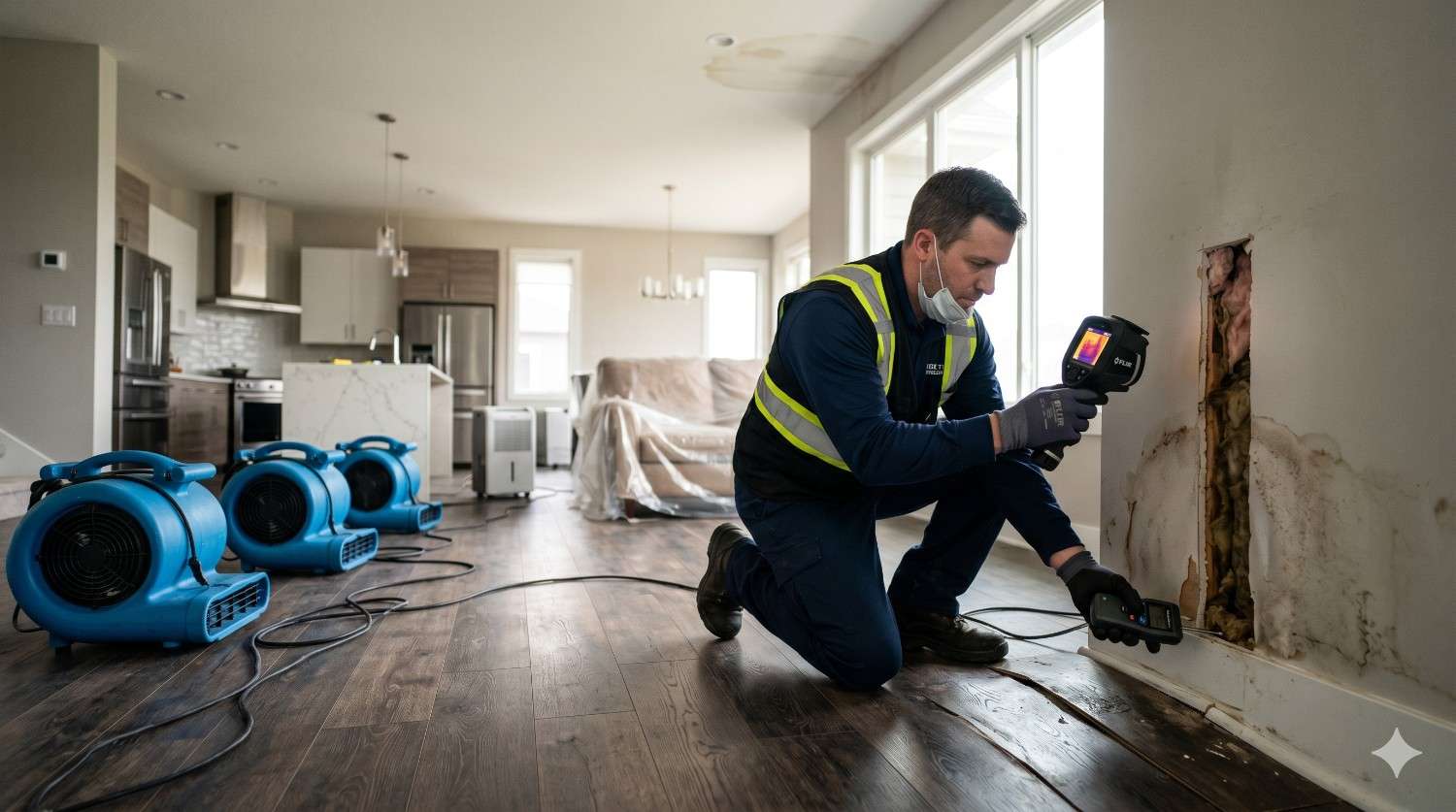
Water damage specialists are required when water has soaked into building materials, traveled across multiple rooms, or sat for more than 24 hours. Restoration pros use thermal imaging, moisture mapping, commercial air movers, and dehumidifiers to dry structures completely. They also handle insurance documentation, mold prevention, and full reconstruction. If your ceiling is sagging, your floors are buckling, or your walls smell musty, a plumber alone will not solve the problem.
Signs the Damage Has Spread Beyond the Pipes
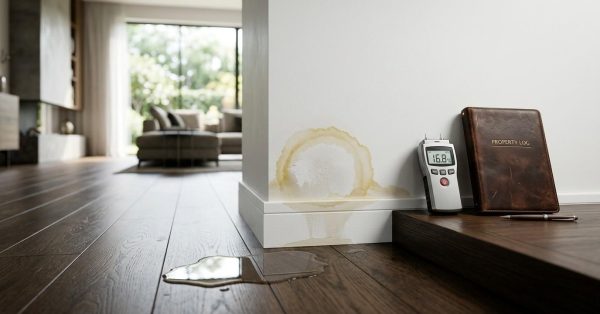
Watch for warped hardwood, peeling paint, soft drywall, dark staining, and a persistent damp odor. Hear running water inside walls. Notice unexplained spikes in your water bill. These signal that moisture has migrated into structural cavities. At that point, plumbing repair must be paired with professional drying and material restoration to prevent mold, rot, and code violations during future inspections or sales.
How Plumbers and Restoration Pros Work Together
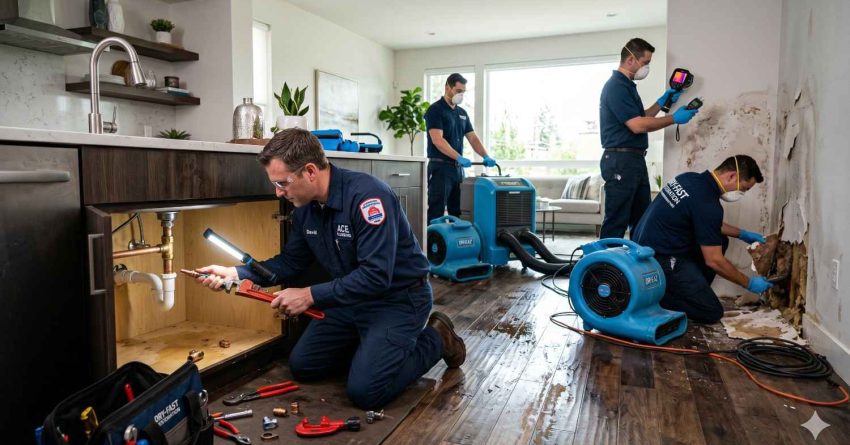
On most serious water damage jobs, both trades work in sequence. The plumber arrives first, isolates the water, and repairs the failure. The restoration team follows with extraction, drying, demolition of unsalvageable materials, and rebuilding. Coordinated providers shorten timelines, reduce insurance friction, and protect long-term property value. Hiring licensed plumbing repair services alongside a certified restoration crew gives property owners one clear path from emergency to full recovery.
Conclusion
A plumber fixes the leak. A restoration specialist fixes everything the leak damaged. Together, they return your property to a safe, dry, and structurally sound condition.
For homeowners, landlords, and property managers, knowing which professional to call first protects your timeline, your insurance claim, and your property’s long-term value.
When water strikes, we connect you with vetted plumbers and restoration experts in one call. Trust Mr. Local Services to dispatch the right pro fast.
Frequently Asked Questions
Should I call a plumber or restoration company first?
Call a plumber first to stop the active leak, then bring in a restoration company to dry materials, prevent mold, and repair structural damage caused by the water.
Will a plumber dry out wet drywall or flooring?
No. Plumbers repair the water source only. Drying wet drywall, subflooring, and insulation requires restoration equipment and certifications that standard plumbing services do not provide.
How long do I have before water damage causes mold?
Mold can begin growing within 24 to 48 hours of water exposure. Fast extraction, drying, and dehumidification are critical to prevent permanent material damage and air quality issues.
Does homeowners insurance cover plumber and restoration costs?
Most policies cover sudden, accidental water damage, including plumbing repair and restoration. Gradual leaks or unmaintained systems are often excluded, so document everything immediately.
Can a handyman fix water damage instead of a plumber?
A handyman can patch minor cosmetic issues but cannot legally repair major plumbing failures or perform certified water damage restoration in most states. Hire licensed specialists for safety and compliance.