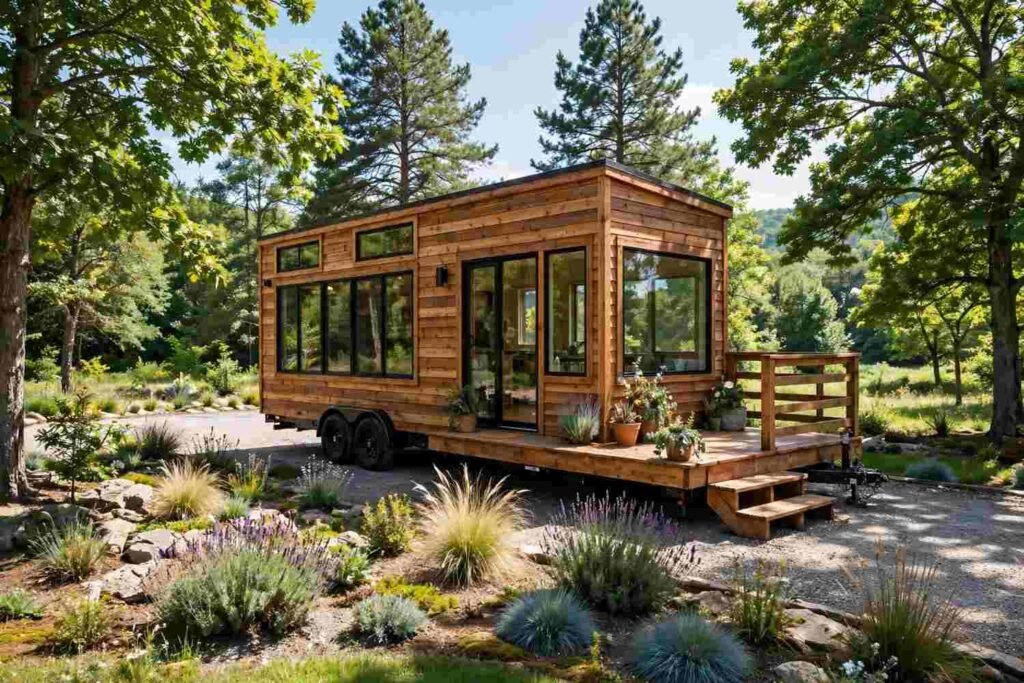
A tiny home on wheels needs either an RVIA certification or a NOAH certification to be legally recognized in most jurisdictions, and the permit process depends almost entirely on which classification your build falls under. I’ve seen owners skip this step and get stuck unable to insure, finance, or even legally park their home.
Getting classification wrong costs real money. A THOW treated as an RV avoids building permits entirely, while one treated as a permanent structure triggers a full local permitting process, inspections, and code compliance.
I cover how classification determines your permit path, what NOAH and RVIA certification actually require, how state and local rules shift the picture, what inspections check for, and what it costs to do this correctly from the start.
What Counts as a Tiny Home on Wheels (Legal Classification)
Classification is the single decision that determines every permit, inspection, and certification requirement that follows. Get this wrong early and everything downstream financing, insurance, parking rights becomes harder or impossible.
RVIA vs. RV vs. Park Model vs. THOW Definitions
A recreational vehicle is a unit built on a chassis, designed for temporary or recreational living, and certified under National Fire Protection Association standards. A tiny home on wheels is a dwelling built on a trailer chassis that functions as a full-time residence rather than a recreational unit.
That distinction matters to regulators even when the two structures look nearly identical. Park models fall under a separate ANSI standard built for longer-term seasonal placement, and I explain how that standard applies later in this guide.
Why Classification Determines Every Permit You’ll Need
Your classification decides which agency has jurisdiction over your build. An RV-classified THOW answers to RVIA and state DMV rules. A structure-classified THOW answers to local building departments instead.
I walk through both permit paths in the next section, because the fork happens immediately.
Do You Need a Permit for a Tiny Home on Wheels
Permit requirements split into two completely different tracks depending on how your local jurisdiction treats your build.
When a THOW Is Treated Like an RV (No Building Permit)
A THOW registered and certified as an RV typically bypasses local building permits entirely. It gets titled through the state DMV instead, the same way a travel trailer does.
This path is faster and cheaper. But it also restricts full-time occupancy in many counties, since RVs are frequently zoned for recreational use only.
When a THOW Is Treated Like a Structure (Permit Required)
Some counties classify any dwelling used as a primary residence as a structure regardless of wheels. That triggers standard building permits, plan review, and local code inspections the same process a stick-built home goes through.
I break down which states lean which direction later in this guide, since the variance is significant.
NOAH Certification Explained
The National Organization of Alternative Housing built a third-party inspection program specifically because THOWs didn’t fit neatly into RV or building codes.
What NOAH Inspects and Certifies
NOAH is a third-party certification body that inspects tiny homes on wheels against a unified national standard covering structural integrity, electrical systems, plumbing, and fire safety. The certification exists because many THOWs are neither pure RVs nor traditional structures, and it fills that regulatory gap.
Inspectors check framing, insulation, electrical panel capacity, and plumbing connections against that standard. A passed inspection results in a compliance sticker recognized by insurers and lenders in most states.
How to Get NOAH Certification for Your Build
You submit build plans before construction starts, since NOAH requires pre-approval rather than after-the-fact inspection. A certified inspector then visits at key construction milestones typically framing, rough-in, and final walkthrough.
I get asked constantly why pre-approval matters so much. It’s because retrofitting a finished build to meet code is far more expensive than building to spec from day one.
RVIA Certification for Tiny Homes on Wheels
RVIA certification is the older, more widely recognized standard, and many lenders default to requiring it specifically.
RVIA Standards Your THOW Must Meet
The Recreational Vehicle Industry Association certifies units against National Fire Protection Association 1192 standards, covering LP gas systems, electrical wiring, and structural components. A study published by the National Fire Protection Association sets the technical basis these inspections follow.
RVIA-badged units get a seal displayed on the exterior, which state DMVs and insurers recognize instantly. That recognition speeds up titling and financing.
RVIA vs. NOAH Which Certification Fits Your Situation
RVIA suits builders planning to register their THOW as an RV and travel or relocate it regularly. NOAH suits builders planning long-term stationary use who need a standard built specifically for tiny home construction rather than adapted from RV codes.
Some builders pursue both. It’s not cheap, but it opens the widest range of financing and parking options.
Building Codes That Apply to Tiny Homes on Wheels
Beyond RVIA and NOAH, several formal code standards intersect with THOW construction depending on classification and placement.
ANSI A119.5 Standard for Park Model RVs
ANSI A119.5 is a national code standard that governs park model recreational vehicles, covering unit size limits, structural requirements, and utility connections. Park models sit in a distinct category from both standard RVs and THOWs, and I mention this because some jurisdictions apply it to larger tiny homes by default.
Knowing which standard your county applies before you build saves a full redesign later.
Local and County Zoning Overlaps
Zoning operates independently from certification. A county can require a certified NOAH or RVIA unit and still deny placement based on lot size, setback rules, or accessory dwelling unit restrictions.
I always tell people to check zoning before they check certification requirements. Certification means nothing if the lot itself can’t legally host the structure.
State-by-State Permit and Zoning Variance
No federal standard forces uniform treatment of THOWs, so state and local rules create the widest variance in this entire process.
States With Clear THOW-Friendly Laws
Several states have passed explicit legislation recognizing tiny homes on wheels as a distinct housing category with defined permit pathways. These states typically publish a specific code path rather than forcing builders to argue classification case by case.
That clarity cuts permit timelines dramatically compared to states without dedicated rules.
States With Ambiguous or Restrictive Rules
Other states leave THOW classification entirely to county discretion, which means identical builds get approved in one county and denied in the next. The American Planning Association has documented this patchwork as one of the biggest barriers to tiny home adoption nationally.
I recommend calling the local building department directly before buying land or a build. A five-minute call saves months of rework.
The Inspection Process Step by Step
Every certification path runs through a structured inspection sequence, and skipping steps is the single biggest cause of failed or delayed approval.
Pre-Inspection Documentation You Need
Inspectors expect stamped structural plans, electrical schematics, and plumbing layouts before they schedule a visit. Missing documentation is the number one reason initial inspection requests get rejected outright.
Get your paperwork organized before you call for an inspection date. It moves the whole timeline faster.
What Inspectors Check On-Site
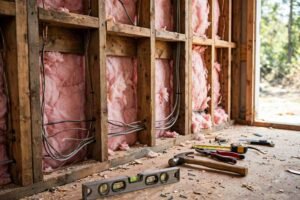
On-site inspectors physically verify framing connections, electrical grounding, gas line pressure testing, and water system integrity against the applicable code. They flag anything that doesn’t match the submitted plans, which triggers a re-inspection.
A single failed item doesn’t fail the whole build. It just means a follow-up visit once the fix is documented.
Where You’re Allowed to Park or Place a Certified THOW
Certification answers “is this legal to exist.” Placement answers a completely separate question: “is this legal to exist here.”
Permanent Foundation vs. Wheeled Placement Rules
A THOW placed on a permanent foundation often loses its RV classification entirely and gets treated as a manufactured or modular home instead, triggering a different permit set. Keeping the unit on its wheels and axles typically preserves RV classification and its lighter permit burden.
This single choice foundation or wheels changes your entire regulatory pathway.
RV Parks, Tiny Home Communities, and Private Land
RV parks generally accept RVIA-certified units without additional local permitting since the park itself holds the zoning approval. Private land placement usually requires the owner to secure permits directly, since no blanket zoning approval exists.
Dedicated tiny home communities increasingly split the difference, pre-approving specific certification types before you even apply.
Insurance, Financing, and Certification Requirements
Lenders and insurers treat certification as a proxy for risk, and an uncertified THOW faces real limits on both fronts.
Why Lenders Require RVIA or NOAH Certification
Most tiny home lenders require RVIA or NOAH certification because it gives them a recognized, inspectable standard to underwrite against. An uncertified build represents unknown risk, and most lenders simply decline rather than evaluate it manually.
This requirement isn’t optional in nearly every financing conversation I’ve seen.
Insurance Implications of an Uncertified THOW
Insurers price risk the same way lenders do. An uncertified THOW often gets quoted at a higher premium, or an insurer declines coverage entirely until certification is complete.
Certification isn’t just a legal box to check. It directly affects your monthly costs for years.
Cost of Permits, Inspections, and Certification
Budgeting for compliance costs upfront avoids the most common source of THOW project overruns.
Typical Fee Ranges by Certification Type
NOAH certification runs a few thousand dollars depending on unit size and inspection milestones required. RVIA certification costs vary by manufacturer partnership, and local building permits add separate county-level fees on top of either path.
Get exact numbers from your specific county and certifying body. Ranges shift by region and change year to year.
Hidden Costs Homeowners Overlook
Re-inspection fees stack up fast when a build fails an initial check and requires a follow-up visit. Plan review fees, zoning variance applications, and engineering stamp requirements also add cost that rarely appears in initial estimates.
Build a compliance buffer into your budget from day one. It’s cheaper than scrambling later.
Common Mistakes That Delay or Fail Certification

Most certification delays trace back to a small handful of avoidable errors.
Skipping Pre-Build Plan Review
Builders who start construction before submitting plans for review risk failing inspection on structural elements that are expensive to retrofit. Pre-approval exists specifically to catch these issues before they’re built into the walls.
I’ve watched this mistake add months to a project that should have taken weeks.
Mismatched Classification and Local Code
Building to RVIA standards in a county that requires structure-level permitting creates a mismatch that no certification fixes after the fact. The classification decision has to match the actual local code before construction starts, not after.
Confirm classification with your local building department before you pick a certification path.
Conclusion
Getting a tiny home on wheels legally certified comes down to one early decision: classification. That choice determines your permit path, your certification body, and your long-term financing and insurance options.
The variance between states makes this process feel confusing, but the pattern is consistent everywhere. Confirm local rules, choose the right certification, and document everything before you build.
We connect homeowners with trusted professionals who understand these requirements firsthand. Reach out to Mr. Local Services to get your tiny home project started on solid, compliant ground.
Frequently Asked Questions
Do all tiny homes on wheels need RVIA certification?
No, not all THOWs require RVIA specifically. Many use NOAH certification instead, and the right choice depends on how your state or county classifies the structure.
How long does NOAH certification take?
NOAH certification typically takes several weeks to a few months, depending on inspection scheduling and how quickly documentation gets submitted. Pre-approval before construction speeds up the entire timeline.
Can I live full-time in an uncertified tiny home on wheels?
Living full-time in an uncertified THOW is legally risky in most jurisdictions. Insurance, financing, and zoning enforcement all typically require a recognized certification first.
What happens if my county doesn’t have THOW-specific rules?
Counties without specific rules usually default to treating your build as either an RV or a structure based on how it’s built and used. Calling the building department directly clarifies which path applies before you invest in construction.
Is RVIA or NOAH certification more expensive?
Costs for both vary by region and unit size, and neither is consistently cheaper across the board. Get quotes from both certifying bodies before deciding which fits your build and budget.
Does a permanent foundation void my RV classification?
Yes, placing a THOW on a permanent foundation generally reclassifies it away from RV status. That change often shifts the unit into manufactured or modular home permitting instead.
Do RV parks require additional permits beyond RVIA certification?
Most RV parks accept RVIA-certified units under the park’s existing zoning approval without requiring separate permits. Private land placement usually needs its own permit process instead.
What documents do I need before scheduling an inspection?
Inspectors generally require stamped structural plans, electrical schematics, and plumbing layouts before scheduling a visit. Missing documentation is the most common reason inspection requests get delayed.
Can a failed inspection be fixed without starting over?
Yes, a failed inspection typically flags specific items rather than failing the entire build. A documented fix followed by a re-inspection usually resolves it without a full restart.
FURTHER READING
► Where to Legally Park a Tiny Home on Wheels: Options & Regulations
► Tiny Home Utility Hookup Options: RV Park, Off-Grid & Full Hookup