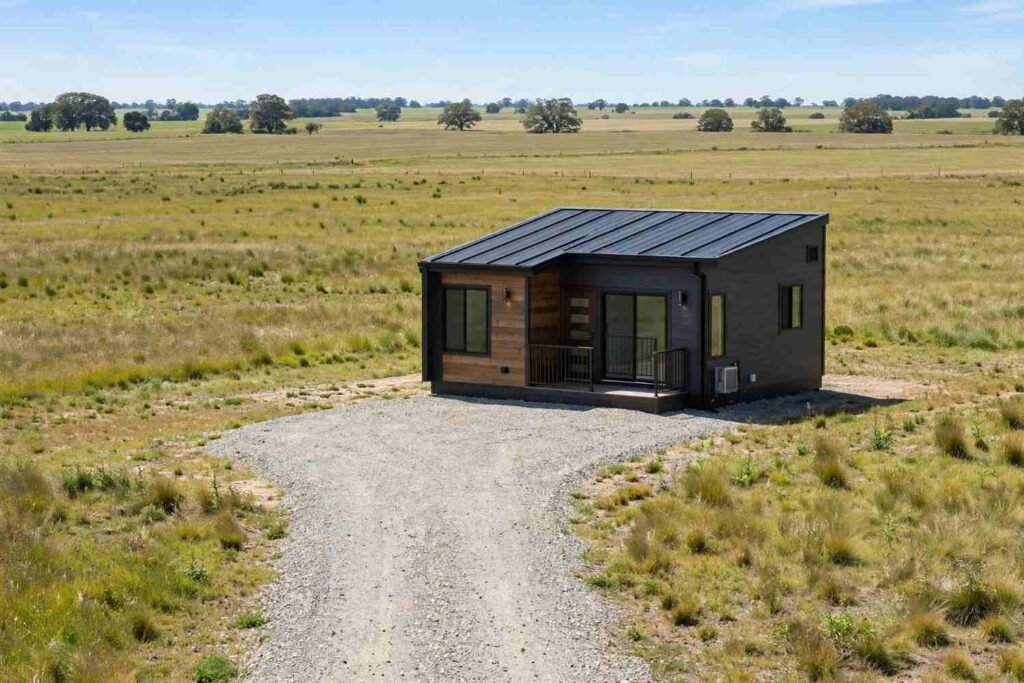
Park models can legally sit on land zoned for recreational vehicles, agricultural use, or specific residential districts that allow accessory dwelling units. Most cities restrict them from standard residential lots unless the structure meets permanent foundation and utility codes.
Zoning confusion is the number one reason park model placements get rejected after purchase. I’ve seen buyers spend thousands on a unit before checking a single local ordinance, and that mistake is completely avoidable.
This guide walks through how zoning laws classify a park model, where placement is actually allowed, what permits and utility codes require, and the restrictions from HOA rules to state variance that catch people off guard. Then it closes with the exact steps to place one legally.
What Is a Park Model and How Zoning Laws Classify It
A park model home is a recreational vehicle built on a single chassis, typically under 400 square feet, designed for long-term or seasonal placement rather than frequent towing. That classification matters more than almost anything else in this entire process.
Zoning officials don’t look at square footage first. They look at how the structure is titled as an RV, a manufactured home, or a permanent dwelling and that title drives every rule that follows.
Park Model vs. RV vs. Manufactured Home Classification
A travel trailer is built for regular road use. A park model is built for one location, hooked up once, and rarely moved again. A manufactured home meets HUD code and sits on a permanent foundation with utility connections that meet residential building standards.
I walk clients through this distinction constantly because the wrong classification on paperwork can block an otherwise legal placement. Park models are titled as RVs in most states, even though they function like small homes.
That RV title is a double-edged sword. It opens the door to RV park placement without a building permit, but it closes the door to many residential zones that require a permanent dwelling classification.
Why Classification Determines Where You Can Place One
Zoning codes are written around use categories, not structure size. A lot zoned for single-family residential use generally excludes RV-classified structures entirely, regardless of how nice the interior looks.
Agricultural and rural zones tend to have looser structure definitions, which is why park models show up more often on larger rural parcels. The classification on your title is the first document a zoning officer checks before anything else gets discussed.
Zoning Districts That Allow Park Models
Zoning districts fall into a handful of categories, and each one treats recreational vehicles differently. Knowing which category your target property sits in saves weeks of back-and-forth with a permitting office.
Residential Zoning Restrictions
Standard single-family residential zones almost universally prohibit RV-classified structures as primary dwellings. Some districts allow temporary placement during construction of a primary home, but that permit usually expires within 12 months.
A few municipalities carve out exceptions for accessory dwelling units, and a park model can sometimes qualify if it’s permanently affixed and connected to full utilities. That exception is never automatic it requires a specific ADU permit application, not just a placement permit.
I always tell homeowners to call the zoning department directly rather than assume a general residential designation works. One phone call prevents a very expensive guess.
Agricultural and Rural Zoning Allowances
Agricultural and rural residential zones typically carry far fewer restrictions on structure type. Many counties allow a park model as a secondary residence for farm workers, family members, or caretakers without the same permanent foundation requirement urban zones impose.
Lot size matters here too. Rural parcels often exceed the minimum acreage that triggers stricter oversight, which is part of why park model communities cluster in unincorporated county land more than inside city limits.
RV Parks and Park Model Communities
Dedicated RV parks and park model communities remain the most straightforward legal placement option, because the land is already zoned for exactly this use. Zoning approval isn’t a question it was settled when the park itself was permitted.
Long-Term vs. Seasonal Placement Rules
Some parks cap stays at 180 or 270 days per year to preserve their RV classification and avoid being reclassified as a residential subdivision under state law. Others operate as long-term or permanent park model communities with no such cap, but those communities usually charge higher lot fees and require deeper foundation work.
Read the park’s rules before signing a lease. A seasonal-only park won’t let a resident live there year-round, no matter what the sales brochure implied.
Placing a Park Model on Private Land
Private land ownership gives more control, but it also shifts every zoning burden onto the property owner. There’s no park management handling compliance that responsibility now sits entirely with the buyer.
Minimum Lot Size and Setback Requirements
Most counties set a minimum lot size for any dwelling placement, often between half an acre and two acres depending on the zoning district. Setback requirements the distance a structure must sit from property lines, roads, and water sources apply to park models exactly like they apply to any other structure.
Setback distances typically range from 10 to 50 feet depending on the boundary type, according to the National Association of Counties, which tracks land use policy trends across county governments. I’ve seen placements denied purely on a setback violation even when every other requirement was met.
Accessory Dwelling Unit (ADU) Rules
ADU ordinances have expanded across many states as housing shortages push local governments toward more flexible secondary housing rules. A park model can sometimes qualify as an ADU when it’s permanently connected to sewer, water, and electric service and meets a minimum size or safety standard.
Qualifying as an ADU usually means giving up the RV classification entirely. That trade-off is worth discussing with a local permitting office before committing to a specific unit.
County and City Permit Requirements
Permits are where good intentions meet bureaucratic reality. Skipping this step is the fastest way to end up with a placement order to vacate months after move-in.
Building Permits vs. Placement Permits
A building permit applies to permanent construction foundations, utility trenching, decks attached to the structure. A placement permit, sometimes called a siting permit, applies specifically to positioning the unit on the lot and connecting it to existing utility stubs.
Some jurisdictions require both. Others only require a placement permit if no new construction happens on-site. I always confirm which permits apply with the local building department, because permit categories vary significantly by county.
How the Permit Application Process Works
The typical process starts with a zoning verification letter confirming the lot allows the intended use. From there, an application goes in with a site plan, utility connection details, and often a septic or sewer capacity letter.
Most counties process straightforward placement permits within 2 to 6 weeks, though rural counties with smaller staff can take longer. Delays usually come from incomplete site plans, not from the zoning question itself.
Utility Hookup Codes and Requirements
Utility connections carry their own code requirements, separate from zoning entirely. A property can be perfectly zoned for a park model and still fail inspection over a bad hookup.
Water, Sewer, and Septic Connection Rules
Municipal water and sewer connections require a permit tie-in inspection to confirm the connection meets local plumbing code. Properties relying on septic systems need a capacity letter confirming the system handles the additional load a park model adds.
Older septic systems sized for a smaller original home sometimes can’t support a second dwelling. That’s a repair and inspection conversation, not just a paperwork one.
Electrical Hookup Code Compliance
Park models typically run on a 30-amp or 50-amp service, and the hookup point needs a permitted electrical panel connection rather than an extension cord workaround. Local electrical code generally requires a licensed electrician to complete the tie-in and pass inspection.
Skipping licensed electrical work voids most insurance coverage on the unit. It’s not worth the shortcut.
HOA Restrictions and Deed Covenants
Zoning compliance doesn’t guarantee HOA approval, and that gap trips up more buyers than almost any other issue on this list. A neighborhood can sit in a zoning district that technically allows a park model while the HOA’s covenants ban it outright.
Deed restrictions sometimes predate current zoning code entirely and carry their own enforcement mechanism through fines or liens. Reading the full covenant document not just a summary before purchasing land inside an HOA saves a painful surprise later.
State-by-State Variations in Park Model Regulations
Zoning is primarily a local function, but states set the outer boundaries local governments operate within. California, Florida, and Texas each maintain distinct statutory definitions for recreational vehicles that influence how counties write their own ordinances.
Some states classify park models under a general RV statute with almost no size distinction, while others carved out specific park model definitions with separate placement rules. Checking state statute language first gives useful context before diving into county-level code.
Common Reasons Park Model Placement Gets Denied
Denials follow predictable patterns once you’ve seen enough of them. Most trace back to one of a handful of recurring mistakes.
Foundation and Anchoring Violations
Building codes in wind-prone and flood-prone regions require specific anchoring systems rated for local wind speeds, and a generic tie-down kit often fails inspection in these areas. Foundation type whether a pier system, a permanent slab, or a skirted foundation needs to match what the local code actually specifies for that structure classification.
Buying the anchoring hardware before confirming the local wind rating requirement is a common and expensive mistake. A five-minute call to the building department settles it.
Steps to Legally Place a Park Model on Your Property
Getting this right in order saves time, money, and a lot of frustration.
- Confirm the zoning district and permitted use for the specific parcel before purchasing land or a unit.
- Contact the local building and zoning departments to ask directly whether park models are allowed and what permits apply.
- Verify utility capacity water, sewer or septic, and electrical before assuming the site can support the hookup.
- Check HOA covenants and deed restrictions independently of zoning approval.
- Apply for all required permits and schedule inspections before move-in, not after.
Pre-Purchase Zoning Checklist
Confirm the lot’s zoning classification, minimum size, and setback rules first. Then confirm utility capacity, HOA restrictions, and the specific permit sequence the county requires.
Skipping any one of these steps is how buyers end up with a park model they can’t legally keep on the property they bought it for.
Conclusion
Park model placement comes down to classification, zoning district, and permit compliance working together correctly. Skip one piece and the whole plan falls apart fast.
Every county writes its own rules, and state statutes shape what counties can even allow. Confirming the details early protects the investment.
We connect homeowners with trusted professionals who handle permitting, utility hookups, and site prep correctly the first time. Reach out to Mr. Local Services to get your property placement-ready.
Frequently Asked Questions
Can I place a park model on residential property?
Most standard residential zones prohibit RV-classified structures as primary dwellings. Some allow exceptions through an accessory dwelling unit permit, but that requires giving up the RV classification.
Do park models need a building permit?
Park models often need a placement or siting permit rather than a full building permit, unless new construction like a foundation or deck is involved. Requirements vary significantly by county.
What zoning allows park model homes?
Agricultural, rural residential, and dedicated RV park or park model community zones most commonly allow park model placement. Standard urban residential zones rarely do.
Can an HOA ban a park model even if zoning allows it?
Yes. HOA covenants operate independently of zoning law and can prohibit a park model even in a zoning district that technically permits it.
How much land do I need to place a park model?
Minimum lot sizes typically range from half an acre to two acres depending on the county and zoning district. Rural zones generally require less oversight than urban ones.
Can a park model qualify as an accessory dwelling unit?
A park model can sometimes qualify as an ADU when it’s permanently connected to full utilities and meets local size and safety standards. Qualifying usually means it can no longer be titled as an RV.
What permits do I need for utility hookups?
Water, sewer or septic, and electrical connections each typically require their own permit and inspection, separate from the zoning or placement permit. A licensed electrician must complete electrical tie-ins in most jurisdictions.
Why do park model placements get denied?
The most common denial reasons are incorrect zoning classification, setback violations, insufficient utility capacity, and foundation or anchoring that doesn’t match local wind or flood code.