Vinyl siding costs less upfront, but fiber cement lasts longer in harsh climates and holds up better against hail and sun exposure. That single tradeoff drives most of the siding decisions I see on park model homes.
Park models sit outside year-round, often in exposed lots with less protection than a traditional house gets from mature landscaping or neighboring structures. The siding on a smaller structure also has to work harder per square foot, since there’s less surface area to spread wear across.
I walk through siding fundamentals first, then break down vinyl, metal, wood, fiber cement, and accent cladding options one at a time. After that, I compare them side by side, cover climate factors and maintenance realities, and finish with how to match a material to your budget and style goals.
What Siding and Cladding Mean for a Park Model Home
Siding is the outer material layer that protects a structure’s frame from weather, moisture, and physical damage. Cladding is the broader term it includes siding but also covers accent materials like stone veneer or brick that aren’t structural.
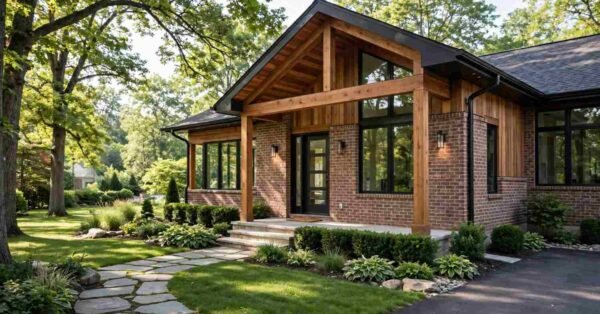
On a park model, this distinction matters because many owners mix a primary siding material with a cladding accent. I see this constantly on units parked in HOA communities where curb appeal rules require visual variety.
How Park Model Siding Differs From Traditional Home Siding
A park model’s siding sits on a lighter frame than a stick-built house. That frame flexes slightly during transport and setup, so the siding material needs enough flexibility to avoid cracking during that process.
Weight also matters more here. A heavy stone-look material that a standard house handles without issue can add real stress to a park model’s structural rating.
Why Material Choice Matters More on Smaller Structures
A 400-square-foot park model has proportionally more exterior surface exposed relative to its interior space than a 2,000-square-foot house. Every square foot of siding works harder to keep the whole structure protected.
I’ve seen owners cut corners on siding thinking a smaller home means smaller risk. It’s the opposite a failure point spreads faster across less material.
Vinyl Siding for Park Model Homes
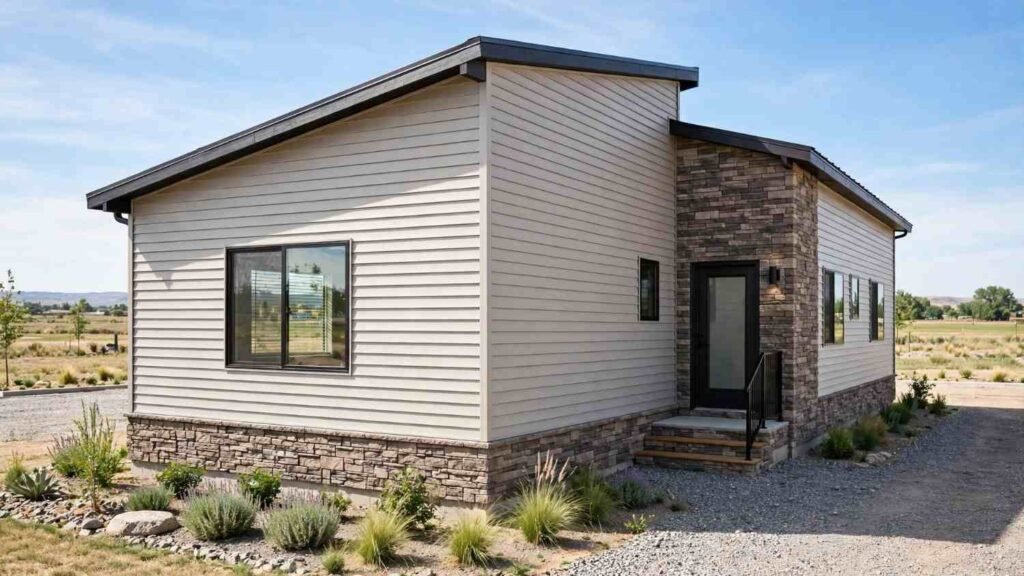
Vinyl siding is the most common cladding choice for park models because it balances low cost with decent weather performance. Most park model manufacturers install it as a standard option for exactly that reason.
It comes in horizontal lap panels and vertical board-and-batten styles, both of which mimic traditional wood siding without the upkeep.
Durability and Weather Resistance of Vinyl
Vinyl siding resists moisture rot and won’t attract termites or wood-boring insects. It does become brittle in extreme cold and can crack on impact once temperatures drop well below freezing.
Quality vinyl siding lasts 20 to 40 years according to the U.S. Department of Housing and Urban Development’s guidance on manufactured housing durability, though real-world lifespan depends heavily on sun exposure and installation quality. I generally tell owners in southern states to expect the lower end of that range because UV exposure fades and weakens the material faster.
Style and Color Range Available in Vinyl
Vinyl now comes in dozens of colors and several texture profiles, including options that mimic cedar shake or board-and-batten wood grain. The color runs through the material instead of sitting on top as paint, so scratches don’t reveal a different color underneath.
Darker colors absorb more heat and can warp over time in direct sun. I steer owners toward lighter or mid-tone colors on any park model that sits in a full-sun lot.
Metal Siding and Cladding Options
Metal siding brings a different durability profile than vinyl. It resists fire, impact, and pest damage in ways vinyl simply can’t match, and it holds up under severe weather that would crack or dent softer materials.
Steel and aluminum are the two dominant choices, and they perform differently enough that the choice between them isn’t arbitrary.
Steel vs Aluminum Siding Performance
Steel siding resists denting far better than aluminum and holds paint finishes longer without chipping. Aluminum weighs less, resists rust completely since it doesn’t contain iron, and costs less than steel in most markets.
I recommend steel for hail-prone regions and aluminum for coastal properties where rust resistance outweighs impact resistance.
Rust, Denting, and Coastal Considerations
Steel siding needs a quality coating to prevent rust, and that coating degrades over time near saltwater. A scratch that exposes bare steel becomes a rust point within months in a coastal environment.
Aluminum dents more easily than steel but never rusts, which makes it the safer long-term choice directly on the coast. I’ve watched steel-sided units in beach communities develop rust streaks within two years when the coating wasn’t marine-grade.
Wood and Wood-Composite Siding
Wood siding gives a park model the warmest, most natural look of any option on this list. It also demands the most ongoing attention of any material here, which is the tradeoff every owner needs to accept going in.
Composite wood products split the difference, offering a similar appearance with meaningfully less maintenance.
Natural Wood Cladding Maintenance Needs
Natural wood siding needs resealing or repainting every 3 to 5 years to prevent moisture penetration and rot. Skipping that maintenance window shortens the material’s lifespan significantly and invites pest problems.
Cedar and redwood naturally resist rot better than pine or fir, so the species choice affects how forgiving the material is if maintenance slips.
Engineered Wood Composite Durability
Engineered wood composite siding combines wood fibers with resins to resist moisture and pests better than solid wood. It typically carries a 20 to 30 year manufacturer warranty, well beyond what natural wood siding offers.
I point budget-conscious owners who still want a wood look toward composite over solid wood almost every time. The maintenance savings add up fast.
Fiber Cement Siding for Park Models
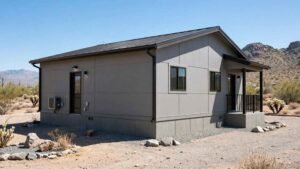
Fiber cement siding blends cement, sand, and cellulose fibers into a rigid board that resists fire, insects, and rot better than almost any other option on this list. It’s become a popular upgrade choice for owners planning to keep their park model long-term.
The tradeoff is weight and installation complexity, both of which matter more on a park model than a standard house.
Fire Resistance and Longevity
Fiber cement carries a Class A fire rating and won’t ignite or spread flame the way wood or vinyl can. It commonly lasts 30 to 50 years with basic maintenance, according to the National Association of Home Builders’ materials research, making it one of the longest-lasting cladding materials available for residential structures.
That longevity comes with a real cost premium, so I usually recommend it to owners who plan to keep the unit in one location for a decade or more.
Weight Considerations for Mobile Structures
Fiber cement weighs significantly more per square foot than vinyl or aluminum, which adds load to a park model’s frame. Any unit that will be relocated again after installation needs a structural check before committing to this material.
I always confirm axle and frame ratings before recommending fiber cement on a unit that isn’t staying permanently sited.
Faux Stone and Brick Cladding Accents
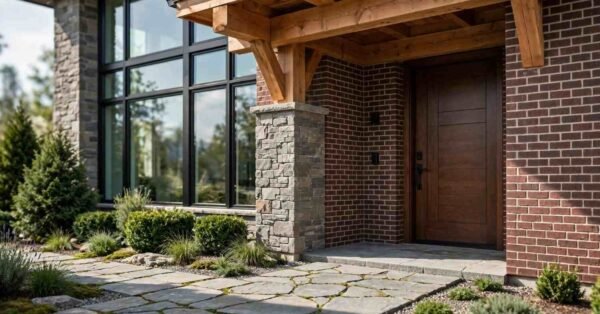
Faux stone and brick cladding aren’t full siding replacements; they’re accent materials used on skirting, entry walls, or a single feature elevation. They add visual weight and a built-in look that plain siding can’t achieve alone.
Most park model owners use these accents to break up a large flat wall or to dress up the base skirting area.
Where Accent Cladding Works Best on a Park Model
Entry walls, skirting, and the base of exterior chimneys are the most common spots for stone or brick accent cladding. These areas take the most physical abuse from lawn equipment, foot traffic, and splashback, so a harder material earns its keep there.
I rarely recommend full-wall stone cladding on a park model. The weight and cost rarely justify the result compared to using it as a targeted accent.
Cost and Installation Complexity
Manufactured stone veneer costs less than real stone and installs faster, since it’s lighter and doesn’t need the same structural support. Real stone and brick require additional footing and support that most park model frames aren’t built to carry.
I default to manufactured veneer on nearly every park model project for exactly that reason.
Comparing Siding Materials Side by Side
Every material on this list makes a different tradeoff between cost, lifespan, and upkeep. Laying them out together makes the decision much easier than reading about each one in isolation.
Cost, Lifespan, and Maintenance Comparison Table
| Material | Lifespan | Maintenance | Relative Cost |
| Vinyl | 20–40 years | Low | $ |
| Aluminum | 30–40 years | Low | $$ |
| Steel | 25–40 years | Medium | $$ |
| Natural Wood | 15–25 years | High | $$ |
| Wood Composite | 20–30 years | Low-Medium | $$$ |
| Fiber Cement | 30–50 years | Low | $$$$ |
| Stone/Brick Veneer | 30+ years | Very Low | –$ |
I use this table as a starting point with owners, then narrow it down based on their climate and how long they plan to keep the unit sited.
Climate and Regional Factors That Affect Siding Choice

The same siding material performs completely differently depending on where the park model sits. A material that thrives in Arizona heat can fail fast in Minnesota winters, and the reverse holds true too.
Matching material to climate prevents most of the premature siding failures I get called out to inspect.
Siding for Hot and Humid Climates
Fiber cement and aluminum handle high heat and humidity without warping, fading, or trapping moisture against the frame. Vinyl works too, but only in lighter colors that don’t absorb excess heat.
Humidity accelerates wood rot dramatically, so I steer owners away from natural wood siding in any consistently humid region.
Siding for Cold, Snow-Heavy Regions
Steel and fiber cement resist the freeze-thaw cycles that crack more brittle materials over a hard winter. Vinyl becomes noticeably brittle below freezing and can crack under impact from falling ice or aggressive snow removal.
I recommend impact-rated vinyl or steel for any park model sited in a region with regular hard freezes.
Maintenance and Lifespan Expectations by Material
Every siding material needs some baseline maintenance, even the low-upkeep options. Understanding what that maintenance actually looks like prevents surprises down the road.
Vinyl needs an occasional wash to prevent mildew buildup in shaded areas. Wood needs resealing on a strict schedule. Metal needs periodic inspection for coating damage that could lead to rust.
Signs Your Park Model Siding Needs Repair or Replacement
Warping, visible gaps at seams, and soft spots when pressed are the clearest signs siding has failed and needs replacement. Discoloration alone usually means cleaning will fix it, but soft or spongy material underneath means moisture has already gotten in.
I tell owners to do a hands-on check twice a year, running a palm along seams and low corners where water tends to collect.
Choosing the Right Siding for Your Park Model’s Style and Budget
The right siding choice balances four things: your budget, your climate, how long you’re keeping the unit sited, and the look you want. No single material wins on all four counts, which is exactly why this list has seven different options.
I walk owners through these four factors in order, since budget and climate usually narrow the list down to two or three realistic choices before style even enters the conversation.
Matching Cladding to Resale Value and Curb Appeal
Buyers consistently respond better to fiber cement and stone accents than to plain vinyl, even when the performance difference doesn’t matter much for their situation. A mid-range upgrade like wood composite or a stone accent wall tends to return more at resale than its cost difference over vinyl.
We help owners weigh that resale math against upfront budget so the decision fits both the short term and the long term.
Conclusion
Vinyl, metal, wood, fiber cement, and accent cladding each solve a different combination of budget, climate, and lifespan needs. The right choice depends on where your park model sits and how long you’re keeping it there.
Matching material to climate prevents most premature failures, and a little planning upfront saves real money over the structure’s life.
We help property owners evaluate these tradeoffs and connect with skilled professionals who install and maintain every siding option covered here. Reach out to Mr. Local Services when you’re ready to move forward.
Frequently Asked Questions
What is the most durable siding for a park model home?
Fiber cement is the most durable option, commonly lasting 30 to 50 years with basic upkeep. It resists fire, pests, and rot better than vinyl, wood, or metal siding.
Is vinyl siding good for park model homes?
Vinyl siding works well for most park models thanks to its low cost and low maintenance. It becomes brittle in extreme cold, so impact-rated vinyl is a better fit for freezing climates.
How often does park model siding need to be replaced?
Replacement timing depends on material vinyl and aluminum often last 20 to 40 years, while fiber cement can last up to 50. Climate exposure and maintenance habits affect these ranges significantly.
Can you put stone veneer on a park model?
Manufactured stone veneer works well as an accent on skirting or entry walls without overloading the frame. Real stone typically requires additional structural support most park models don’t have.
What siding holds up best in coastal climates?
Aluminum siding resists rust completely since it contains no iron, making it a strong coastal choice. Steel siding needs marine-grade coating to avoid rust in salty air environments.
Does wood siding work on a park model home?
Natural wood siding works but needs resealing every 3 to 5 years to prevent rot and pest damage. Wood composite siding offers a similar look with significantly less required maintenance.
How much does it cost to reside a park model home?
Costs vary widely based on material, ranging from budget-friendly vinyl to premium fiber cement or stone accents. Smaller square footage on park models can offset some of the higher per-square-foot material costs.
What color siding is best for hot climates?
Lighter and mid-tone colors reflect more heat and reduce warping risk in vinyl siding specifically. Darker colors absorb heat and can shorten the lifespan of heat-sensitive materials like vinyl.