
A park model roof takes a beating that a standard house roof never sees. It gets towed down highways, parked under trees for a decade, and left to handle sun and snow with a fraction of the structure a regular home has above it. I’ve spent enough time around these units to know the roof is usually the first thing to fail and the last thing owners think about.
Ignoring roof care on a park model leads to water intrusion that rots the whole structure from the inside. A leak you don’t catch early turns into soft flooring, moldy walls, and a repair bill that dwarfs the cost of a simple annual inspection.
I’ll walk you through the roofing types and how they differ, the signs that tell you something’s wrong, the maintenance routines that actually extend a roof’s life, and what it costs to repair or replace one when the time comes.
What Makes Park Model Roofing Different From Standard RV or Home Roofing
A park model roof is a lightweight, low-slope roofing system built for a manufactured recreational unit that stays in one place most of the year. It carries less structural support than a house roof and gets exposed to more movement stress than either a home or a travel trailer.
The framing underneath is thinner than standard residential construction. That means the roofing material itself has to do more of the work protecting the interior from weather.
Park models also sit low to the ground and often park under trees, near water, or in shaded lots year-round. That fixed positioning creates constant exposure to debris, moisture pooling, and UV breakdown in ways a home roof, which is usually higher up and better ventilated, doesn’t experience the same way.
Why Roof Design Matters for Park Model Longevity
The roof design on a park model directly determines how well it sheds water and resists wind uplift. A poorly sloped or improperly sealed roof holds water in low spots, and standing water is the single biggest cause of premature membrane failure.
I always tell people the roof’s design and its maintenance schedule work together. A great roofing material on a poorly maintained schedule fails just as fast as cheap material on a well-maintained one.
Common Park Model Roofing Types and Materials
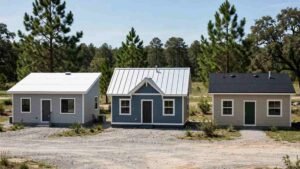
Three roofing materials dominate the park model market: TPO/PVC membranes, metal panel systems, and EPDM rubber. Each handles weather, weight, and longevity differently, and the right choice depends on your climate and budget.
TPO and PVC Membrane Roofing
TPO (thermoplastic polyolefin) roofing is a single-ply membrane material that reflects heat and resists UV degradation better than most alternatives. It’s become the most common choice on newer park models because it’s lightweight and seams heat-weld together for a strong waterproof bond.
PVC works similarly and holds up well against ponding water and chemical exposure. Both materials typically last 15 to 20 years with proper maintenance, and both need periodic seam inspection since heat-welded joints are the most likely failure point over time.
Metal Roofing Systems
Metal roofing shows up on higher-end park models and offers the longest lifespan of the common options, often 30 to 50 years. It sheds snow and water fast because of its slope and surface, and it resists puncture damage from falling branches far better than membrane roofing.
The tradeoff is weight and cost. Metal adds structural load that not every park model chassis is built to carry, and it costs more upfront than membrane systems.
Rubber (EPDM) Roofing
EPDM rubber roofing has been used on RVs and park models for decades. It’s flexible, handles temperature swings without cracking, and costs less than TPO or metal.
The downside is EPDM absorbs UV radiation instead of reflecting it, which shortens its lifespan to roughly 10 to 15 years compared to TPO. It also requires more frequent recoating to maintain that flexibility as it ages.
Peaked Roofs vs Flat Roofs on Park Models
Park models come in two dominant roof profiles: peaked (pitched) and flat (low-slope). The profile affects water drainage, attic space, wind resistance, and maintenance frequency.
Pros and Cons of Each Roof Style
A peaked roof drains water and snow naturally because gravity does most of the work. It also creates usable attic space for insulation, which helps with energy efficiency. The tradeoff is a peaked roof costs more to build and repair because of the added framing complexity.
A flat or low-slope roof costs less to manufacture and is easier to walk on for inspections and repairs. Water drainage depends entirely on proper installation and a consistent maintenance schedule, since these roofs pond water more easily than a pitched design.
Signs of Roof Damage and Wear on a Park Model
Catching roof damage early is the difference between a $200 patch and a $6,000 replacement. I recommend a visual inspection twice a year, plus after any major storm.
Leaks, Soft Spots, and Seam Failures
Soft spots on the roof surface when you walk on it signal water has already gotten into the substrate underneath. Stains on interior ceilings, especially near seams or vents, point to a leak that’s been active for a while before you noticed it.
Seam separation around vents, skylights, and roof edges is the most common failure point on membrane roofs. A discolored or chalky roof surface tells you the material’s protective coating has worn thin and UV exposure is starting to degrade the membrane itself.
Average Lifespan of Each Park Model Roofing Type
| Roofing Type | Average Lifespan | Key Maintenance Need |
| TPO/PVC Membrane | 15–20 years | Seam inspection, periodic cleaning |
| Metal Panel | 30–50 years | Fastener checks, rust prevention |
| EPDM Rubber | 10–15 years | Recoating every 5–7 years |
These numbers assume regular maintenance. A neglected roof of any material type loses years off its expected lifespan, sometimes cutting it in half.
Seasonal Maintenance Schedule for Park Model Roofs
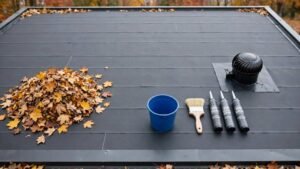
A seasonal maintenance rhythm keeps small problems from becoming structural ones. I break this into two windows: warm-season upkeep and cold-season prep.
Spring and Summer Roof Care
Spring is the time to clear winter debris, check for cracked caulking around vents and edges, and clean the roof surface of dirt and algae buildup. Summer heat accelerates UV damage, so a mid-summer inspection catches any new cracking or seam separation before fall storms arrive.
Fall and Winter Roof Prep
Fall prep means clearing leaves and branches before they trap moisture against the roof surface. Winter care focuses on snow load monitoring for peaked roofs and ice dam prevention, since trapped meltwater is one of the fastest ways to force water under a membrane seam.
Cleaning and Sealing Your Park Model Roof
Routine cleaning removes the dirt, algae, and organic debris that trap moisture against the roofing material. A soft-bristle brush and a mild, non-abrasive cleaner work on most membrane and rubber surfaces without damaging the protective coating.
Sealing the seams and penetration points around vents, skylights, and AC units closes the gaps where water intrusion starts. I recommend checking and resealing these points at least once a year, more often in regions with heavy rain or snow.
Roof Coating and Recoating Options for Added Durability
A reflective roof coating adds a protective layer that extends the life of the underlying membrane by shielding it from direct UV exposure. Acrylic coatings work well on most membrane types and cost less than silicone, though silicone coatings handle ponding water better over the long term.
Recoating on the schedule the manufacturer recommends, usually every 5 to 10 years depending on material, keeps the roof’s waterproofing intact well past what the base material would achieve alone.
Repair vs Full Roof Replacement: How to Decide

A localized repair makes sense when damage is limited to a small area, like a single seam failure or a puncture from debris. Full replacement becomes the smarter move when damage is widespread, the underlying decking has rotted, or the roof has already exceeded its expected lifespan.
I always weigh the cost of repeated patch repairs against the cost of one full replacement. Three or four repairs in a single year usually costs more in the long run than replacing the roof outright.
Cost Factors That Influence Park Model Roof Maintenance
Several factors drive the price of park model roof maintenance and repair: the roofing material itself, the size of the unit, the extent of damage, regional labor rates, and accessibility of the roof for the crew doing the work.
Metal roofing repairs typically cost more per square foot than membrane repairs because of the specialized tools and fasteners involved. A roof that’s easy to access from ground level costs less to service than one requiring scaffolding or a lift.
Choosing a Qualified Professional for Roof Inspection and Repair
Look for a contractor with specific experience in park model or RV-style roofing, not just general residential roofing. The materials, fastening methods, and structural considerations differ enough that general roofing experience doesn’t always transfer cleanly.
Ask for documentation of past park model or manufactured housing roof work, confirm they carry proper insurance, and get a written estimate that breaks down material and labor costs separately. A trustworthy home repair provider walks you through the inspection findings in plain language before recommending a repair path.
Conclusion
Park model roofing comes down to matching the right material to your climate, then sticking to a seasonal maintenance rhythm that catches small problems early. TPO, metal, and EPDM each offer a different balance of cost and lifespan worth weighing carefully.
A well-maintained roof protects everything underneath it, from insulation to interior finishes, for decades. Skipping inspections shortens that timeline fast, regardless of which material sits on top.
We at Mr. Local Services connect you with roofing professionals who understand park model construction specifically. Reach out to get a proper inspection scheduled before small issues turn into structural ones.
Frequently Asked Questions
How often should a park model roof be inspected?
I recommend inspecting a park model roof twice a year, in spring and fall, plus after any major storm. Catching small issues early prevents costly water damage later.
What is the best roofing material for a park model?
TPO membrane roofing offers the best balance of cost, weight, and UV resistance for most park models. Metal lasts longer but adds structural weight and cost that not every unit can support.
Can a park model roof be walked on safely?
Flat and low-slope park model roofs generally support foot traffic for inspection, though weight limits vary by manufacturer. Always check the roof’s load rating before walking on it, and avoid it after rain when surfaces get slippery.
How much does it cost to replace a park model roof?
Full roof replacement costs vary widely based on material and unit size, but membrane replacements typically run several thousand dollars while metal replacements cost more. Getting a written estimate from a qualified contractor gives you an accurate number for your specific unit.
What causes most park model roof leaks?
Seam failures around vents, skylights, and roof edges cause most park model roof leaks. UV degradation over time also weakens the membrane itself, making it more prone to cracking and water intrusion.
Does roof coating actually extend a park model roof’s lifespan?
Yes, a reflective roof coating shields the underlying membrane from direct UV exposure and slows material breakdown. Recoating on schedule can add several years to a roof’s usable life.
Is EPDM or TPO better for a park model roof?
TPO generally outperforms EPDM because it reflects heat instead of absorbing it, giving it a longer average lifespan. EPDM costs less upfront but needs more frequent recoating to stay flexible and watertight.
When does a roof repair make more sense than full replacement?
Repair makes sense when damage is isolated to a small area and the underlying decking is still sound. Replacement becomes the better option once repairs become frequent or the roof has passed its expected lifespan.