
Home ownership comes with its own language, and not knowing it costs you. When a contractor mentions a “P-trap,” a “soffit,” or a “load-bearing wall,” the wrong response is a blank stare because that blank stare can lead to bad decisions, missed problems, and unnecessary expenses.
Understanding home service terminology helps you communicate clearly with professionals, ask the right questions, and protect your property investment. This glossary covers the core terms every homeowner, landlord, and property manager needs to know.
Why Home Terminology Matters for Beginners
Most homeowners learn home vocabulary the hard way after something breaks. I think that is backwards. Knowing the language before a problem hits puts you in control of every service call, estimate, and repair conversation.
Professionals use technical terms constantly. When you understand those terms, you stop nodding along and start making informed decisions. That shift alone changes the quality of every service interaction you have.
How Knowing the Right Words Saves You Time and Money
A homeowner who can describe a problem accurately gets a faster, more accurate diagnosis. “There’s a leak under the sink near the curved pipe” is more useful than “something is dripping.” Precision language shortens service calls and reduces the chance of misdiagnosis.
It also protects you from scope creep. When you understand what a contractor proposes, you can evaluate whether the work matches the problem. That knowledge is your best defense against unnecessary upsells.
Essential Home Systems Terms
Home systems are the mechanical and structural components that keep a property functional. These are the terms that come up most often during inspections, repairs, and service calls.
HVAC, Plumbing, and Electrical Basics
HVAC stands for Heating, Ventilation, and Air Conditioning. It refers to the full climate control system in a home, including the furnace, air conditioner, ductwork, and thermostat.
Air handler the indoor unit of an HVAC system that circulates conditioned air through the ductwork.
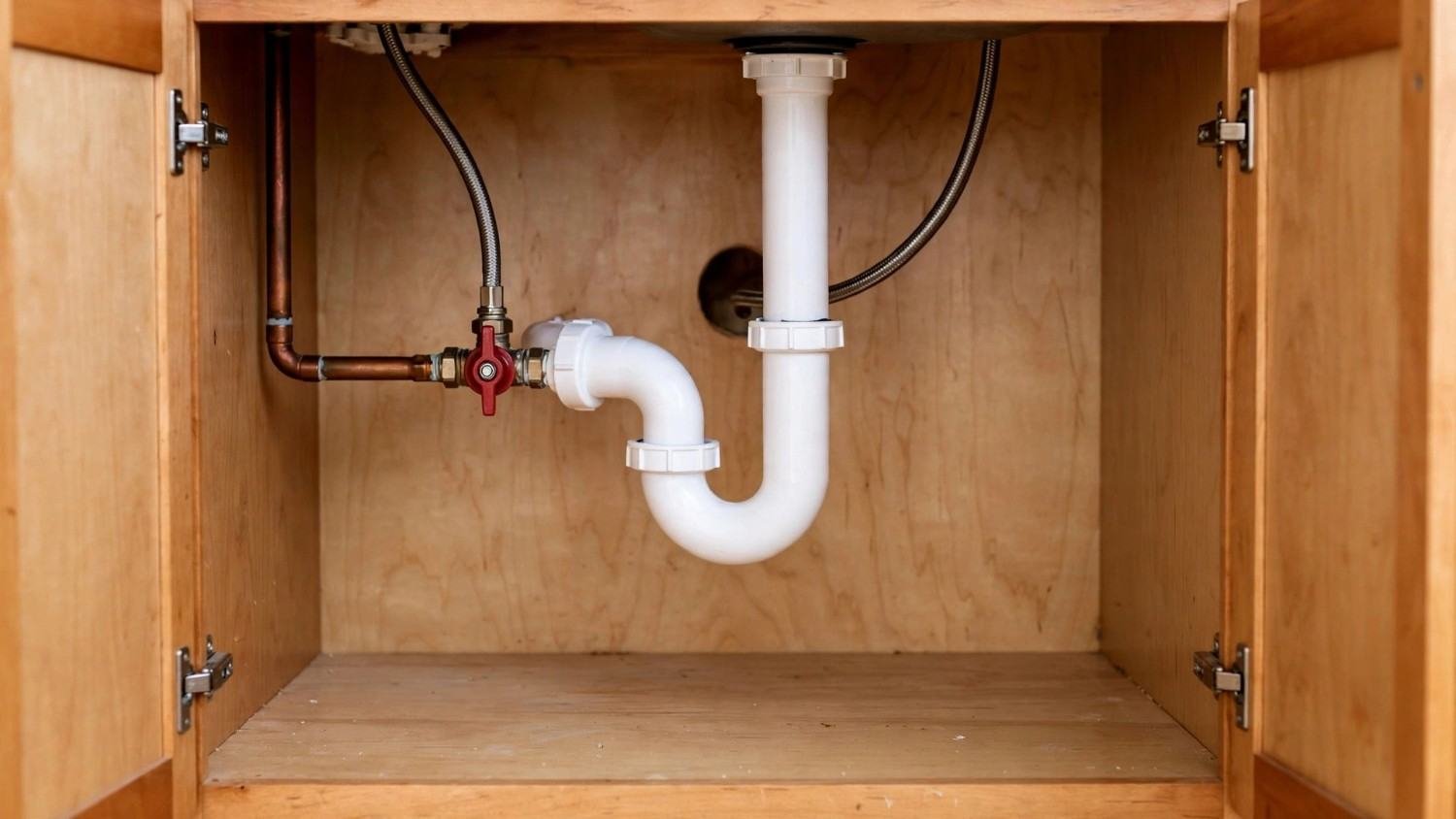
P-trap the curved pipe section beneath a sink or drain that holds water to block sewer gases from entering the home.
Shut-off valve a valve that stops water flow to a specific fixture or the entire home. Knowing where yours is located is essential before any plumbing services work begins.
Circuit breaker a safety switch in your electrical panel that automatically cuts power to a circuit when it detects an overload or fault.
GFCI outlet Ground Fault Circuit Interrupter. A specialized outlet that cuts power instantly when it detects a ground fault, required in bathrooms, kitchens, and outdoor areas.
Load-bearing wall a wall that supports the structural weight of the home above it. Removing one without proper support causes serious structural damage.
Roofing and Structural Vocabulary
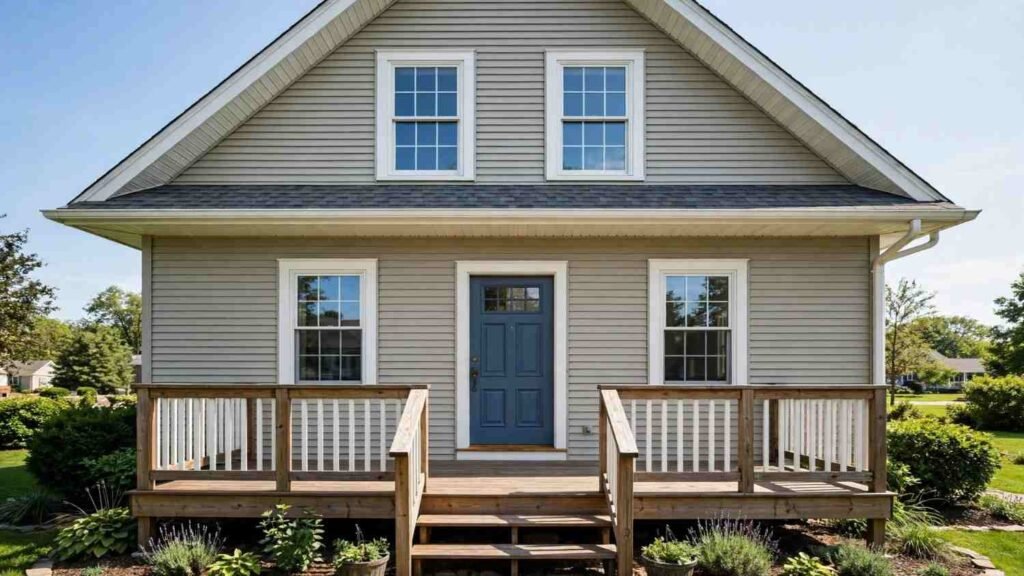
Soffit the underside of a roof overhang, typically vented to allow airflow into the attic.
Fascia the horizontal board running along the roofline where gutters attach.
Flashing thin metal strips installed around chimneys, vents, and roof joints to direct water away and prevent leaks.
Decking (roof) the flat surface of plywood or OSB panels that sit beneath the shingles and form the structural base of the roof.
Joist a horizontal structural beam that supports floors or ceilings. Floor joists run beneath your floors; ceiling joists run above your ceilings.
Subfloor the structural layer of flooring installed directly on top of the joists, beneath the finished floor surface.
Interior and Exterior Finish Terms

Finish work refers to the visible surfaces and components of a home the materials and installations that define how a space looks and functions day to day.
Flooring, Drywall, and Painting Language
Hardwood vs. engineered hardwood solid hardwood is milled from a single piece of wood; engineered hardwood uses a real wood veneer over a plywood core. Engineered handles moisture better and works in more areas of the home.
Luxury vinyl plank (LVP) a synthetic flooring material designed to mimic wood or stone. It is waterproof, durable, and one of the most popular choices for high-traffic areas.
Drywall (gypsum board) the standard wall and ceiling material in most homes, made from a gypsum plaster core between two paper sheets.
Mud (joint compound) the paste used to fill seams, nail holes, and imperfections in drywall before painting.
Primer a preparatory coating applied before paint to improve adhesion, seal surfaces, and ensure even color coverage.
Sheen the level of gloss in a paint finish. Common sheens include flat, eggshell, satin, semi-gloss, and high-gloss. Higher sheen means more durability and easier cleaning.
Windows, Doors, and Siding Vocabulary
Jamb the vertical side frame of a door or window opening.
Threshold the strip at the bottom of a door frame that seals the gap between the door and the floor.
Casing the decorative trim that frames a door or window on the interior side.
Double-hung window a window with two sashes that both slide vertically, allowing ventilation from the top, bottom, or both.
Siding the exterior cladding material on a home’s walls. Common types include vinyl, fiber cement, wood, and engineered wood.
Caulk a flexible sealant applied around windows, doors, and joints to block air and water infiltration.
Repair, Maintenance, and Service Terms
These are the terms that come up during routine upkeep, emergency repairs, and professional service visits. Knowing them helps you describe problems accurately and understand what a technician is telling you.
Handyman, Appliance, and Cleaning Service Language
Punch list a list of small, outstanding tasks that need completion at the end of a project. Common in remodeling and new construction.
Caulking the process of applying caulk to seal gaps. Distinct from grouting, which fills the joints between tiles.
Grout a cement-based filler used between tiles to seal joints and prevent moisture infiltration.
Appliance life expectancy the average number of years a major appliance operates before replacement becomes more cost-effective than repair. Most major appliances run 10–15 years depending on brand and maintenance.
Deep cleaning vs. standard cleaning standard cleaning covers routine surface tasks; deep cleaning addresses built-up grime in areas not reached during regular maintenance, such as behind appliances, inside ovens, and grout lines.
Water Damage, Pest Control, and Safety Terms
Mitigation the process of stopping active damage and preventing further loss. In water damage services, mitigation happens before restoration begins.
Remediation the removal and treatment of a hazard, most commonly used for mold, asbestos, or contaminated materials.
Integrated Pest Management (IPM) a systematic approach to pest control that combines prevention, monitoring, and targeted treatment to minimize chemical use.
Grab bar a wall-mounted support bar installed in bathrooms and stairways to assist with balance and mobility. A core component of safety and mobility services for aging-in-place modifications.
Egress window a window large enough to serve as an emergency exit. Building codes require egress windows in bedrooms and finished basements.
Outdoor and Landscaping Terms

Outdoor terminology covers everything from the structure of your deck to the health of your trees. These terms come up during landscaping consultations, deck inspections, and exterior maintenance visits.
Deck, Tree, and Landscape Vocabulary
Decking boards the surface planks of a deck that you walk on. Common materials include pressure-treated lumber, composite, and hardwood.
Ledger board the horizontal board that attaches a deck directly to the house structure. It carries a significant portion of the deck’s load.
Canopy the uppermost layer of a tree formed by its branches and leaves. Canopy management is a key part of tree services for light control and storm safety.
Crown thinning the selective removal of branches throughout a tree’s crown to increase light penetration and reduce wind resistance.
Mulch organic or inorganic material spread around plants and trees to retain moisture, regulate soil temperature, and suppress weeds.
Hardscape the non-living elements of a landscape design, including patios, walkways, retaining walls, and driveways.
Power Washing and Dryer Vent Terms
PSI (pounds per square inch) the measurement of water pressure in a power washer. Higher PSI removes tougher buildup but requires care on delicate surfaces.
GPM (gallons per minute) the flow rate of a pressure washer. Higher GPM rinses surfaces faster and more thoroughly.
Lint trap vs. dryer vent the lint trap is the removable screen inside the dryer; the dryer vent is the duct that exhausts hot air and lint outside the home. The vent requires periodic professional cleaning to prevent fire hazards.
Soft washing a low-pressure cleaning method that uses cleaning solutions rather than high-pressure water, used on roofs, siding, and painted surfaces to avoid damage.
Home service language is not complicated once you see it laid out clearly. We put this glossary together so you walk into every service call, estimate, and repair conversation with the vocabulary you need to make confident decisions. When you are ready to put that knowledge to work, Mr. Local Services connects you with skilled professionals across every category covered here.
Frequently Asked Questions
What is the difference between mitigation and remediation in home services?
Mitigation stops active damage from spreading it is the emergency response. Remediation removes the hazard and restores the affected area. Water damage work, for example, starts with mitigation to stop the water, then moves into remediation to address mold and structural repair.
Do I need to know home terminology before calling a contractor?
You do not need to be an expert, but knowing basic terms helps you describe the problem clearly and understand the proposed solution. Even a few key words like “P-trap,” “flashing,” or “load-bearing” make the conversation more productive and help you ask better questions.
What does load-bearing mean and why does it matter?
A load-bearing wall carries the structural weight of the home above it. Removing or modifying one without proper engineering support causes serious structural damage. Always confirm whether a wall is load-bearing before any remodeling work that involves wall removal.


