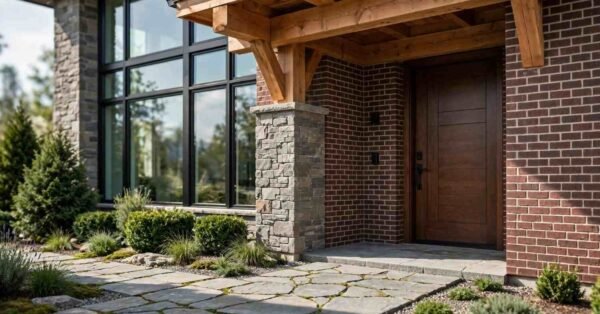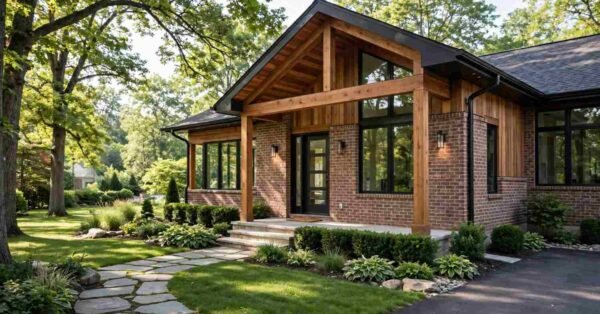
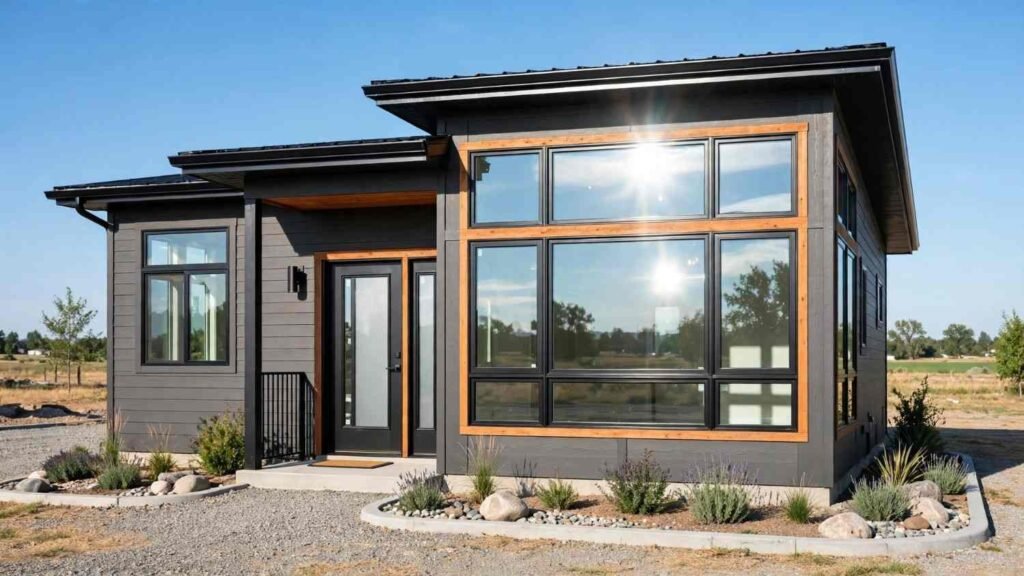
Park model windows and doors work harder than standard home units because they seal a smaller, more exposed structure against constant temperature swings. The right combination cuts energy loss dramatically and changes how a park model looks and feels day to day.
Most park models sit in open lots with minimal wind buffering, so window and door performance directly affects comfort and utility costs. Owners who upgrade these components often see real seasonal savings within the first year.
I walk through the materials and construction methods that matter most, how energy ratings translate into real comfort, and the style choices that keep a park model looking sharp. From there I cover installation, maintenance, replacement costs, and the signals that tell you it’s time for an upgrade.
What Makes Park Model Windows and Doors Different
Park model windows and doors are smaller-scale building components engineered for structures under 400 square feet that face year-round outdoor exposure without a traditional foundation buffering temperature shifts. That distinction changes everything about how they’re built.
Standard residential windows assume a stable foundation and consistent wall cavity depth. Park models don’t offer either one. The frame has to flex slightly with the structure’s minor seasonal movement while still holding a tight seal.
I’ve seen owners install home-grade windows in a park model expecting the same performance, only to deal with drafts and condensation within a season. The frame depth, weep system, and mounting hardware all need to match the trailer-style construction underneath.
Manufacturers building specifically for park models account for narrower wall cavities and lighter overall structure weight. That means thinner frame profiles without sacrificing the seal integrity a full-size home window relies on.
Key Window and Door Materials Used in Park Models

Vinyl frames dominate the park model market because they resist moisture, need no repainting, and flex slightly without cracking during transport or seasonal shift. That flexibility matters more here than in a stationary home.
Aluminum frames show up often too, mostly in older or budget-tier units. Aluminum conducts heat and cold fast, which means more condensation and higher energy loss compared to vinyl or fiberglass.
Fiberglass is the upgrade material for owners chasing top-tier efficiency. It expands and contracts at nearly the same rate as glass, which keeps seals tighter across temperature extremes than vinyl manages long-term.
For doors, steel and fiberglass slab construction both hold up well against the wear a park model door takes. Steel costs less upfront but dents easier. Fiberglass resists denting and mimics wood grain convincingly for owners who want a traditional look.
Comparison Table: Common Frame Materials
| Material | Energy Performance | Durability | Typical Cost Tier |
| Vinyl | Good | High | Budget-Mid |
| Aluminum | Fair | Medium | Budget |
| Fiberglass | Excellent | High | Mid-Premium |
I generally point owners toward vinyl as the balanced choice unless the budget supports fiberglass. Aluminum makes sense only when upfront cost is the single deciding factor.
Energy Efficiency Ratings and What They Mean
A U-factor rating measures how much heat a window or door lets escape, and lower numbers always mean better insulation performance. The U.S. Department of Energy notes that ENERGY STAR-certified windows can cut heating and cooling costs by an average of 12% nationwide compared to non-certified models.
Solar Heat Gain Coefficient, or SHGC, measures how much solar radiation passes through the glass. A lower SHGC keeps a park model cooler in direct summer sun, which matters a lot given how exposed most park model lots are.
Air leakage ratings round out the picture. This number reflects how much air passes through the window assembly itself, separate from the glass performance. Tighter seals mean lower numbers here.
I always tell owners to check all three ratings together, not just U-factor alone. A window can have a strong U-factor and still leak air badly at the frame if the installation or weep system is subpar.
Quick Reference: What Each Rating Tells You
- U-factor: heat transfer through the whole unit, lower is better
- SHGC: solar heat passing through the glass, lower is better for hot climates
- Air leakage: draftiness at the frame, lower is better
Climate Considerations for Park Model Window and Door Choices
Hot, sunny climates call for a lower SHGC rating to block solar heat gain before it ever becomes an air conditioning problem. Owners in the Southwest and Gulf regions benefit most from this specific rating.
Cold climates flip the priority toward U-factor. A tight U-factor keeps interior heat from bleeding out through the glass and frame during long winter stretches, which matters more in northern states and mountain regions.
Mixed climates need balance across all three ratings rather than a heavy lean toward one number. Park models in the Midwest and mid-Atlantic regions face both extremes across a single year.
Wind exposure changes the equation too. Coastal and high-plains locations push more air pressure against window seals, so air leakage ratings deserve extra attention beyond what a mild-climate location requires.
Window Styles and Configurations for Park Models

Single-hung and double-hung windows remain the most common park model choice because they fit narrow wall space efficiently while still opening for ventilation. Double-hung units add the option to tilt both sashes for easier cleaning.
Sliding windows work well on shorter wall sections where a hung window’s vertical clearance doesn’t fit. They’re a popular pick for kitchen and bathroom spaces in smaller park model layouts.
Awning windows hinge at the top and open outward, which lets owners keep a window cracked during light rain without water getting in. That makes them a strong choice for bedrooms and living spaces that need consistent airflow.
Bay and bow windows show up in higher-end park models where owners want a design statement. They add visual depth and interior light but require more careful structural planning given the added weight and wall modification involved.
Door Styles That Balance Function and Curb Appeal
Entry doors on a park model typically run narrower and shorter than standard home doors, so style choices need to work within tighter dimensional constraints. Six-panel steel doors remain the most budget-friendly option that still looks finished.
French doors and sliding glass doors both bring in natural light and visually expand a small interior, which matters in a space where every square foot counts. Sliding glass doors also save the swing clearance a hinged door demands.
Storm doors add a second layer of weather protection and extend the life of the primary entry door underneath. They’re a low-cost upgrade that pays off fastest in climates with harsh sun or frequent storms.
Color and hardware finish choices carry real weight in a park model’s overall look given the compact exterior. A dark frame with brushed nickel hardware reads more modern, while a white frame with black hardware leans traditional.
Installation Considerations for Park Model Units
Rough opening measurements in a park model rarely match standard home construction, so accurate on-site measurement always comes before ordering replacement units. A quarter-inch miscalculation causes real installation problems in a structure this size.
Flashing and sealant application matter more here than in stationary construction because park models experience more vibration and minor shifting over their lifespan. Proper flashing keeps water from working into the wall cavity around the frame.
Structural reinforcement sometimes becomes necessary when a larger window or door replaces a smaller original opening. The surrounding wall framing needs evaluation before any size change moves forward.
Professional installation protects the manufacturer warranty on most premium window and door products. Many warranties specifically exclude damage tied to improper self-installation, which makes professional installation worth the added cost.
Maintenance Practices That Extend Window and Door Life
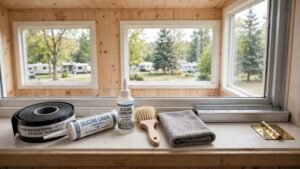
Cleaning the tracks and weep holes twice a year prevents the debris buildup that leads to water pooling and eventual frame damage. This single habit prevents more repair calls than almost any other maintenance step.
Resealing exterior caulk lines every one to two years keeps water from penetrating the wall cavity around each window and door. Caulk breaks down faster on a park model given the added exposure to sun and temperature swings.
Lubricating hinges, tracks, and locking mechanisms keeps hardware functioning smoothly and prevents the strain that eventually cracks vinyl components. A basic silicone-based lubricant works well and won’t attract additional dust.
Inspecting weatherstripping each fall catches compression and gaps before winter weather turns a minor draft into a real heating cost increase. Replacement weatherstripping is inexpensive and simple to install without professional help.
Cost Factors and Budgeting for Replacement or Upgrades
Frame material drives the biggest cost swing between window and door options, with fiberglass running highest, vinyl in the middle, and aluminum lowest for comparable sizes. Glass package upgrades add cost on top of frame material.
Double and triple-pane glass configurations increase upfront price but reduce long-term energy spend, especially in climates with wide seasonal temperature swings. The payback period usually runs three to seven years depending on local utility rates.
Labor costs vary based on whether the replacement matches the existing rough opening or requires structural modification. A direct swap costs meaningfully less than a resize project.
Bundling multiple window or door replacements into a single project typically reduces per-unit labor cost compared to spacing the work out over separate service calls.
Signs It’s Time to Replace Your Park Model Windows or Doors
Condensation forming between glass panes signals a failed seal on double or triple-pane units, and that failure can’t be repaired. Once moisture gets between the panes, replacement is the only real fix.
Visible warping, cracking, or discoloration in the frame material means the structural integrity of the window or door is already compromised. This shows up most often in older aluminum-framed units.
Noticeable drafts near a closed window or door point to failed weatherstripping or a seal that’s degraded beyond simple maintenance. A quick way to check is holding a lit candle near the frame on a windy day and watching for flicker.
Rising energy bills without a clear explanation elsewhere in the home often trace back to window and door performance loss that’s happened gradually enough to go unnoticed month to month.
Conclusion
Park model windows and doors carry more weight than their size suggests, shaping comfort, energy costs, and curb appeal all at once. The right material and rating choices protect that investment for years.
Climate, style, and budget all factor into the right decision, and getting the ratings right upfront prevents costly guesswork down the road. Installation quality matters just as much as the product itself.
We help homeowners and property managers at Mr. Local Services match the right windows and doors to their park model’s specific needs. Reach out to get a professional assessment started today.
Frequently Asked Questions
What is the average lifespan of park model windows?
Vinyl-framed park model windows typically last 15 to 20 years with proper maintenance. Fiberglass frames often last longer, sometimes exceeding 25 years in moderate climates.
Can I install standard home windows in a park model?
Standard home windows generally don’t fit park model rough openings or wall cavity depths correctly. Purpose-built park model units account for the narrower framing and lighter structural load.
How much does it cost to replace a park model door?
A basic steel entry door replacement typically runs a few hundred dollars for materials, with fiberglass or French door options costing more. Labor adds to the total based on installation complexity.
Do park model windows need special hurricane or wind ratings?
Coastal and high-wind regions often require windows rated for local wind pressure codes. I always recommend checking local building codes before ordering replacement units in these areas.
What’s the difference between single-hung and double-hung windows?
Single-hung windows only open from the bottom sash, while double-hung windows open from both the top and bottom sash. Double-hung units also typically tilt inward for easier cleaning.
How often should weatherstripping be replaced?
Weatherstripping generally needs replacement every three to five years, though harsh climates with intense sun or cold may shorten that timeline. Annual fall inspections catch wear before it causes real energy loss.
Is triple-pane glass worth the extra cost for a park model?
Triple-pane glass makes the most financial sense in climates with extreme temperature swings between seasons. In milder climates, double-pane glass often delivers a better cost-to-benefit ratio.
What causes condensation between window panes?
Condensation between panes means the seal holding the gas fill or air gap has failed. This is a manufacturing or age-related failure that requires full unit replacement rather than repair.