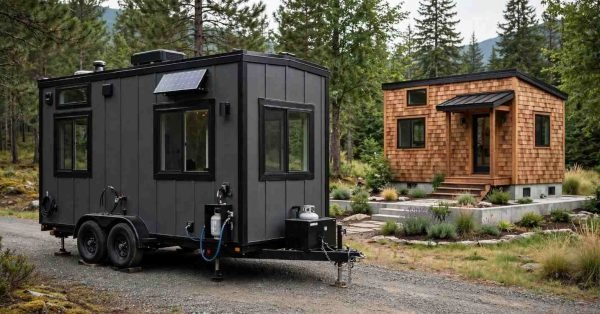
Tiny homes on wheels cost a fraction of a traditional house and let owners relocate whenever life changes direction. I have watched more and more people trade a 30-year mortgage for a few hundred square feet of freedom, and the reasons behind that choice are a lot more practical than most people assume.
This shift is not just a trend on social media. Rising home prices, high interest rates, and a growing desire for simpler living are pushing people toward smaller, mobile housing options.
I am walking through the seven real benefits that keep showing up when people explain why they made the switch. Then I touch on what it actually takes to maintain one of these homes once you own it.
Lower Cost of Ownership Compared to Traditional Homes
Upfront Build and Purchase Costs
A tiny home on wheels typically costs between $30,000 and $80,000 to build or buy, according to the National Association of Home Builders, a figure that sits far below the median price of a standard single-family home. That price gap is the first thing most buyers mention.
I see this pattern constantly with clients who are done waiting for housing prices to level off. A tiny home gets them into ownership now, not in five years.
Reduced Utility and Maintenance Expenses
Smaller square footage means smaller utility bills every single month. Heating, cooling, and electricity all shrink along with the floor plan.
Maintenance costs drop too. Fewer systems, less square footage to repair, and fewer surfaces to maintain all add up over a year of ownership.
Freedom to Move and Relocate Anytime
Mobility for Work, Travel, or Lifestyle Changes
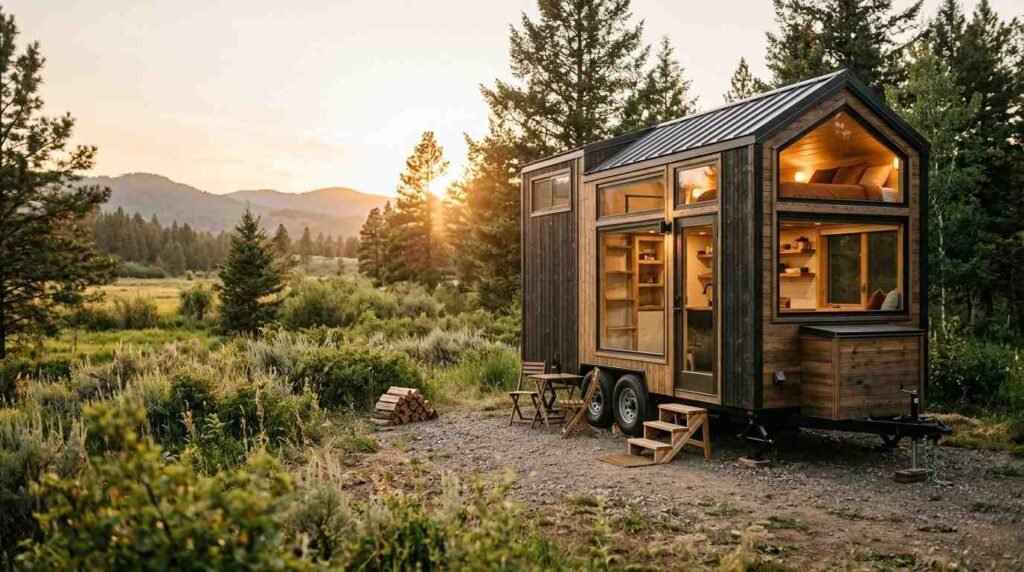
A tiny home on wheels goes wherever the owner goes. Remote workers chase better weather, lower-cost regions, or proximity to family without selling a house first.
This mobility removes the biggest friction point in traditional homeownership. I talk to people who moved three times in two years and never once dealt with a real estate agent.
Simpler, More Sustainable Living
Smaller Footprint, Less Waste
A tiny home uses a fraction of the building materials, energy, and water that a standard home requires. The U.S. Department of Energy notes that smaller homes directly reduce heating and cooling energy demand, since there is simply less space to condition.
I notice this appeals most to buyers who already compost, garden, or track their household waste. The tiny home fits a lifestyle they were already building toward.
Faster Path to Debt-Free Homeownership
Avoiding Long-Term Mortgage Commitments
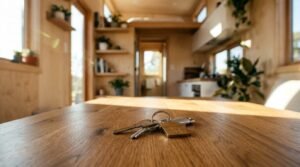
Most tiny home buyers pay cash or finance for a short term, often three to seven years instead of thirty. That timeline changes everything about how someone plans their finances.
I see clients pay off a tiny home in the time it takes a traditional buyer to finish their first mortgage refinance. The debt-free timeline alone drives a lot of these purchases.
Flexibility in Placement and Land Use
Placing a Tiny Home on Owned or Rented Land
Tiny homes on wheels can sit on a family member’s land, a rented lot, or a piece of property the owner buys outright. That flexibility opens up housing options in areas where buying a full lot is out of reach financially.
Zoning rules vary a lot by city and county, so I always tell people to check local regulations before committing to a location. Some areas restrict tiny homes to specific zones or require them to meet RV certification standards.
Minimalist Lifestyle Benefits
Less Clutter, More Intentional Living
Living in 200 to 400 square feet forces real decisions about what stays and what goes. Most owners describe this as freeing rather than restrictive once they adjust.
I hear the same thing from almost everyone who makes this switch. They spend less time managing possessions and more time doing things that actually matter to them.
Customization and Personal Design Control
Building a Home That Fits Exact Needs
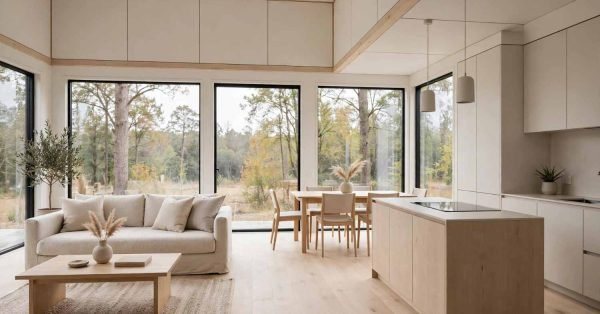
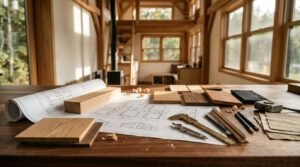
A tiny home gets built around the owner’s exact priorities, whether that is a full kitchen, a home office nook, or oversized windows for natural light. Custom builders work directly with buyers on layout decisions that a production home builder would never offer.
This level of control over design is rare at any price point. I think that is part of why so many buyers describe the process as personal instead of transactional.
Maintaining a Tiny Home on Wheels
Owning a tiny home still means dealing with plumbing, electrical systems, roofing, and seasonal upkeep, just at a smaller scale. The systems are more compact, but they are not optional. A roof leak or electrical issue in 300 square feet still needs a qualified professional.
Smaller spaces actually make neglect more visible and more urgent to fix. A tiny home owner benefits from the same reliable, all-in-one service network a traditional homeowner relies on, just scaled to fit a smaller footprint.
Conclusion
Tiny homes on wheels solve a real affordability and lifestyle problem for people ready to move past traditional homeownership. Lower costs, true mobility, and total design control explain why this movement keeps growing.
The tradeoffs are real, but so are the freedoms that come with them. Anyone weighing this decision benefits from understanding both sides clearly before building or buying.
We help tiny home owners keep every system running right, from plumbing to electrical to seasonal maintenance. Reach out to Mr. Local Services when your tiny home needs a trusted hand.
Frequently Asked Questions
How much does a tiny home on wheels typically cost?
Most tiny homes on wheels cost between $30,000 and $80,000 depending on size, materials, and customization. Custom builds with high-end finishes can run higher.
Can you live in a tiny home on wheels year-round?
Yes, most tiny homes on wheels are built for full-time living with proper insulation, plumbing, and electrical systems. Climate and local zoning rules affect what is required.
Do you need a permit to park a tiny home on wheels?
Permit requirements depend entirely on local zoning laws and whether the home is classified as an RV or a dwelling. Checking with the local building department before placement is essential.
How long does a tiny home on wheels last?
A well-built tiny home lasts 20 to 30 years with proper maintenance, similar to a well-maintained RV or small structure. Regular upkeep of the roof, plumbing, and exterior extends that lifespan significantly.
Is financing available for tiny homes on wheels?
Yes, some lenders offer RV loans or personal loans specifically for tiny homes, though terms vary widely by lender. Many buyers also pay cash to avoid financing altogether.