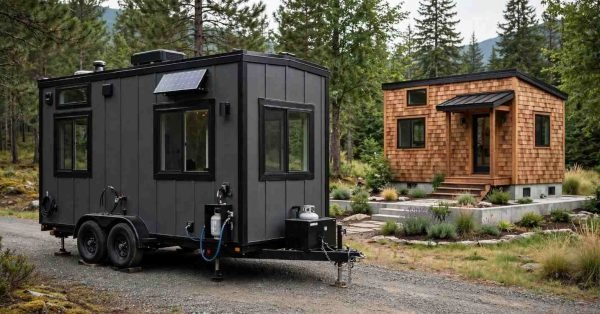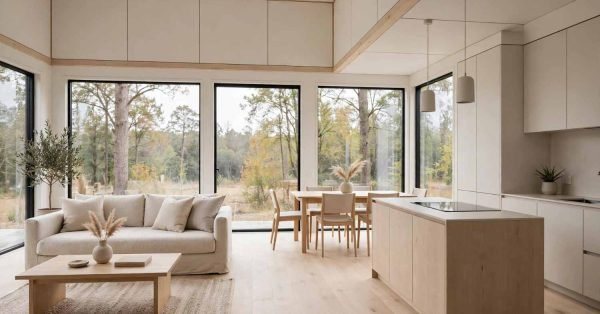
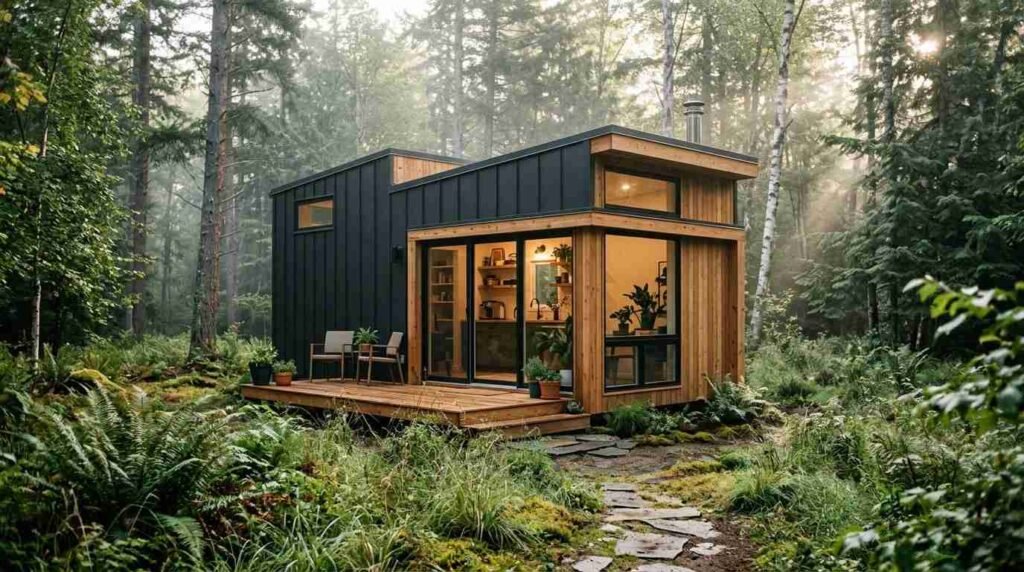
The tiny home movement is a housing and lifestyle trend built around living in homes typically under 400 square feet, prioritizing simplicity, lower cost, and intentional use of space. I’ve watched this shift go from a fringe idea to a mainstream housing conversation over the last fifteen years.
It matters right now because housing costs keep climbing while wages lag behind in most US markets. Tiny homes offer a real alternative for people priced out of traditional homeownership, and property owners are taking notice too.
I walk through where this movement came from, how it grew into the trend we see today, the types of tiny homes people choose, the lifestyle reasons behind the shift, and the legal and financial realities anyone considering tiny living needs to understand. By the end, you’ll know exactly how this movement fits into the broader housing picture.
What Is the Tiny Home Movement?
The tiny home movement is a cultural and architectural shift toward smaller, simpler housing that emphasizes function over square footage. Most tiny homes range from 100 to 400 square feet, a fraction of the average American home size.
I see this movement as more than just small houses. It’s a rejection of the idea that bigger always means better, and a return to housing that matches what people actually need.
Defining a Tiny Home by Size and Purpose
A tiny home is a dwelling under 400 square feet that’s designed for full-time, functional living rather than temporary use. That distinguishes it from a cabin or a shed; it has a kitchen, bathroom, and sleeping space built for daily life.
I always tell people the size isn’t the whole story. Purpose matters just as much. A tiny home is built to be lived in permanently, not visited on weekends.
Core Values Behind the Movement
Tiny home living centers on three recurring values: financial simplicity, environmental consciousness, and intentional ownership. People choosing this path usually want less debt, a smaller environmental footprint, and fewer possessions tying them down.
And that’s really the throughline across the whole movement. It’s not about deprivation. It’s about choosing what actually adds value to a smaller, more deliberate life.
The Origins of the Tiny Home Movement
Tiny home living traces back further than most people realize, though the modern movement took shape in the early 2000s. I find the history genuinely surprising once you dig into it.
Small-space living has roots in necessity-driven housing throughout American history, long before it became a lifestyle choice.
Early Influences and Pre-Movement History
Homesteader cabins, Henry David Thoreau’s writings on simple living, and post-war “starter homes” all planted early seeds for what became the tiny home movement. Thoreau’s Walden, published in 1854, specifically explored living with less as a philosophical choice rather than a financial necessity.
Jay Shafer is widely credited as a founding figure, building one of the first modern tiny homes on wheels in the late 1990s. He later founded Tumbleweed Tiny House Company, which became one of the movement’s first commercial builders.
The 2008 Financial Crisis as a Turning Point
The 2008 housing market crash pushed tiny living from niche interest into a genuine national response to economic hardship. Foreclosures, job losses, and tightened lending standards left many Americans looking for housing alternatives that required far less financial risk.
I think this is the real inflection point. Before 2008, tiny homes were a curiosity. After it, they became a practical answer for people rebuilding their finances.
How the Tiny House Movement Grew Into a National Trend
The tiny home movement moved from a small subculture to mainstream awareness largely through media coverage and grassroots community building starting around 2012. That’s when most Americans outside the niche first heard the term “tiny house.”
I watched this happen in real time through the explosion of blogs, forums, and eventually television coverage.
Media, TV Shows, and Public Awareness
Television shows like “Tiny House Nation” and “Tiny House Hunters,” which premiered in 2014, introduced millions of viewers to the lifestyle and drove massive spikes in public interest. These shows packaged tiny living as aspirational, which pulled in an audience far beyond the original minimalist and financial-independence crowds.
That media exposure created a ripple effect. Builders saw demand spike, Pinterest boards filled up with tiny home layouts, and regular people started asking whether this could actually work for them.
The Rise of Tiny Home Communities
Dedicated tiny home communities began forming in states like Texas, Oregon, and Colorado, giving residents legal land access and a built-in social network. These communities solved one of the movement’s biggest early obstacles: where to legally park or place a tiny home.
I think these communities did more for legitimizing tiny living than almost anything else. They proved this could be a long-term housing solution, not just a temporary experiment.
Types of Tiny Homes Today
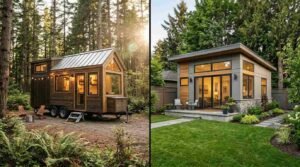
Tiny homes today fall into a few distinct categories, each suited to different needs, budgets, and legal situations. Knowing the difference matters a lot before anyone commits to buying or building one.
I break it down into two main camps for most people trying to decide.
Tiny Homes on Wheels (THOWs)
A tiny home on wheels is a dwelling built on a trailer chassis, allowing it to be classified and moved like a recreational vehicle in most states. This classification matters because it often sidesteps the stricter building codes applied to permanent residential structures.
THOWs appeal to people who want mobility or who are working around strict local zoning that blocks tiny homes as permanent dwellings. They’re also the style most commonly featured in media coverage of the movement.
Foundation-Built Tiny Homes and ADUs
A foundation-built tiny home is a permanent structure on a fixed foundation, often built as an accessory dwelling unit, or ADU, on an existing property. These are subject to standard residential building codes rather than RV regulations.
I see these gaining ground fast, especially as cities relax ADU rules to address housing shortages. They function more like a small permanent house than a mobile dwelling.
Why People Choose Tiny Home Living
The reasons people move into tiny homes break down into a handful of consistent motivations across nearly every case I come across. Money and mindset both play a role.
Financial Freedom and Lower Cost of Living
A tiny home typically costs a fraction of a traditional house, which means dramatically lower or eliminated mortgage debt for the owner. Lower square footage also means lower utility bills, less property tax in most jurisdictions, and far less spent on furnishing and upkeep.
I talk to people constantly who made this move specifically to get out from under a thirty-year mortgage. For a lot of them, it worked.
Minimalism, Sustainability, and Lifestyle Goals
Tiny home owners often cite a desire for a smaller environmental footprint and a less cluttered, more intentional lifestyle as primary motivations. Smaller spaces naturally force fewer possessions, less energy consumption, and a simpler day-to-day routine.
This part resonates with a different crowd than the financial-independence group. It’s less about escaping debt and more about escaping excess.
Zoning Laws and Legal Challenges for Tiny Homes
Zoning laws remain the single biggest obstacle to tiny home adoption across most of the United States. I’d call this the most frustrating part of the whole movement for people who want to build one.
Building Codes and Minimum Size Requirements
Many US municipalities still enforce minimum square footage requirements for permanent residential structures, which can legally block smaller tiny homes outright. These codes were written decades before tiny homes existed, and most haven’t caught up.
A homeowner can do everything right and still get blocked by a local ordinance written for an entirely different era of housing.
How Cities Are Adapting Zoning Rules
A growing number of cities have started updating zoning codes specifically to accommodate tiny homes and ADUs as part of broader affordable housing strategies. California, Oregon, and several Texas municipalities have led this shift with statewide or city-level ADU reforms over the past several years.
I expect this trend to keep accelerating. Housing shortages are forcing local governments to reconsider rules that no longer serve their communities.
The Real Cost of Building or Buying a Tiny Home
Tiny homes cost less than traditional houses, but the actual price range surprises a lot of first-time buyers. The gap between a basic build and a fully custom one is enormous.
Average Price Ranges by Tiny Home Type
A DIY tiny home build typically runs $10,000 to $30,000, while a professionally built custom tiny home often lands between $60,000 and $150,000, according to the National Association of Home Builders. Price depends heavily on materials, square footage, and whether it’s built on a trailer or a permanent foundation.
I tell people to treat the low-end DIY numbers with caution. Labor, permits, and finishing work add up fast even on a small build.
Hidden Costs Homeowners Often Overlook
Land costs, utility hookups, permits, and insurance are expenses that catch a lot of new tiny home owners off guard. Many assume the build price is the final price, and it almost never is.
Insurance is a particularly common surprise. Tiny homes on wheels often need specialized RV-style insurance rather than standard homeowners coverage.
Maintaining and Upgrading a Tiny Home
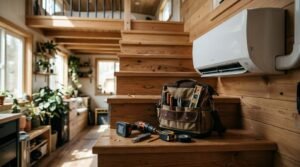
A tiny home’s small footprint doesn’t mean small maintenance needs. If anything, the compact systems packed into a tiny space require more frequent, careful attention than a standard house.
Common Maintenance Needs in a Small Footprint
Tiny homes need regular attention to roofing, plumbing seals, and ventilation systems because moisture and temperature issues compound quickly in a small enclosed space. A leak that would be minor in a large house can affect the entire living area of a tiny home within days.
I see ventilation problems come up constantly. Condensation builds fast in a tight space without proper airflow, and that leads to mold if it’s ignored.
Popular Upgrades That Add Value
Owners commonly invest in loft insulation, multi-functional storage builds, and high-efficiency HVAC mini-splits to improve comfort and long-term livability. These upgrades address the most common complaints tiny home owners have after their first year living in the space.
A well-planned upgrade does more for a tiny home than it would in a larger house, simply because every square foot carries more weight.
The Tiny Home Movement’s Role in the Housing Market

Tiny homes have shifted from a personal lifestyle choice into a piece of the broader affordable housing conversation happening across the US. That’s a meaningful change from where this movement started.
Tiny Homes as a Solution to Affordable Housing
Several US cities have piloted tiny home villages specifically to house people experiencing homelessness, treating the format as a scalable, lower-cost housing solution. The National Low Income Housing Coalition has documented these pilot programs as a growing response to housing shortages in high-cost metro areas.
I think this is the most significant turn the movement has taken. It started as a personal choice, and it’s becoming public policy.
What’s Next for the Tiny Home Movement
The tiny home movement isn’t slowing down, and a few clear trends point to where it’s headed over the next several years.
Emerging Trends and Predictions
Prefabricated and modular tiny home construction is expanding rapidly, cutting build timelines and costs compared to traditional custom builds. Expect more cities to formalize ADU-friendly zoning as housing affordability pressure continues building across the country.
I expect tiny homes to keep moving from the fringe into standard housing policy. The momentum behind this shift shows no sign of reversing.
Conclusion
The tiny home movement grew from a financial crisis response into a legitimate housing alternative shaping zoning policy nationwide. It connects affordability, sustainability, and intentional living in a way traditional housing rarely does.
Tiny living isn’t a passing trend. It’s reshaping how people think about space, debt, and what a home actually needs to provide.
We help homeowners maintain and upgrade every type of property, tiny homes included. Reach out to Mr. Local Services to talk through your next project.
Frequently Asked Questions
What is considered a tiny home?
A tiny home is a dwelling typically under 400 square feet, built for full-time residential use rather than temporary stays. It includes standard living essentials like a kitchen, bathroom, and sleeping area.
When did the tiny home movement start?
The modern tiny home movement started gaining traction in the late 1990s and grew significantly after the 2008 financial crisis. Jay Shafer is widely credited as an early pioneer of the movement.
Are tiny homes legal everywhere in the US?
No, tiny home legality varies significantly by city and county due to local zoning laws and minimum square footage requirements. Some cities have updated codes to allow them, while others still restrict or ban them outright.
How much does it cost to build a tiny home?
A DIY tiny home typically costs $10,000 to $30,000, while a professionally built custom version often runs $60,000 to $150,000. Costs depend on size, materials, and whether it sits on wheels or a permanent foundation.
Do tiny homes need special insurance?
Yes, tiny homes on wheels often require specialized RV-style insurance rather than standard homeowners insurance. Foundation-built tiny homes are typically easier to insure under conventional residential policies.
What’s the difference between a tiny home and an ADU?
A tiny home is often built on a trailer for mobility, while an ADU, or accessory dwelling unit, is a permanent structure built on a fixed foundation on an existing property. ADUs follow standard residential building codes rather than RV regulations.
Why did tiny homes become popular?
Tiny homes became popular due to rising housing costs, the 2008 financial crisis, and growing interest in minimalism and sustainable living. Television coverage starting around 2014 accelerated mainstream awareness significantly.
Can a tiny home be a permanent residence?
Yes, a tiny home can serve as a full-time permanent residence, provided it meets local zoning and building code requirements. Foundation-built tiny homes are generally easier to establish as a primary, legally recognized residence than models on wheels.