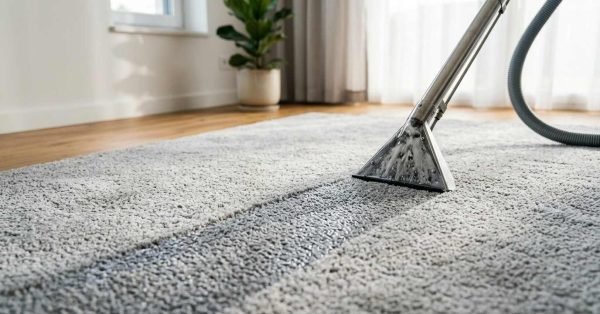

A maid service is a professional cleaning company that sends trained, vetted cleaners to your home on a one-time or recurring schedule to handle routine and deep cleaning tasks. I’ve watched maid services become one of the most-used home services in the country because they hand busy homeowners, landlords, and property managers back their time without the hassle of finding help themselves.
Clean, well-kept properties hold value, pass inspections, and turn over faster. Skipping regular cleaning quietly costs you in wear, tenant complaints, and bigger deep-clean bills later.
In this guide, I walk through what a maid service actually is, how the booking-to-cleaning process works, what’s included and what costs extra, how much it runs, how to vet a trustworthy provider, and where cleaning fits into your wider property maintenance plan. Consider this your full orientation.
What Is a Maid Service?
A maid service is a professional cleaning company that dispatches trained cleaners to residential or commercial properties on a scheduled basis to perform household cleaning tasks. I think of it as outsourced, managed cleaning: the company handles hiring, training, scheduling, and supplies, so you deal with one accountable business instead of an individual.
Most maid services work through recurring plans, though one-time visits are common too. Homeowners use them to reclaim weekends. Landlords and property managers lean on them for turnovers and to keep units showing well.
The word “maid” is a holdover from older domestic-service language. Today it simply means the crew or cleaner assigned to your property. What matters is the structure behind them: professional house cleaning services built around consistency, vetting, and accountability. That structure is what separates a maid service from hiring a solo cleaner off a classified ad.

How Does a Maid Service Work, Step by Step?
A maid service works by taking your booking, matching a vetted crew to your home, cleaning to a set checklist during the visit, and repeating that on your chosen schedule. The whole model is built to be predictable, so you know what happens each time.
Booking and Scheduling
You start by requesting a quote, usually online or by phone, and describing your home’s size, condition, and the cleaning you want. The company gives you a price and a time window. Most let you set a recurring cadence – weekly, biweekly, or monthly or book a single visit.
The Cleaning Visit
On visit day, the assigned cleaner or crew arrives with their own supplies and equipment in most cases. They work through a standard checklist covering kitchens, bathrooms, floors, and living areas. You don’t need to be home if you’ve arranged access.
Recurring vs. One-Time Flow
Recurring plans get lighter and faster over time, because the home stays maintained between visits. One-time and first-time cleans usually take longer and cost more, since the crew is resetting the home to a baseline. Understanding recurring cleaning plans helps you pick a cadence that keeps costs down without letting the home slide.
What Does a Maid Service Include?
A standard maid service includes routine cleaning of kitchens, bathrooms, bedrooms, and common living spaces, covering surfaces, floors, fixtures, and general tidying. The exact checklist varies by company, but the core stays consistent across the industry.
Standard Cleaning Tasks
Standard visits typically cover dusting surfaces, vacuuming and mopping floors, wiping counters, cleaning sinks and toilets, sanitizing bathrooms, and emptying trash. These are the repeatable tasks that keep a home livable week to week.
Deep Cleaning Add-Ons
Deep cleaning goes beyond the surface to tackle buildup that routine visits skip, inside ovens, behind appliances, baseboards, grout, and interior windows. Most companies price deep cleaning services separately because they take far more time and labor. I always recommend a deep clean as the first visit, then routine maintenance after.
Add-ons like laundry, dishes, interior fridge cleaning, and inside-cabinet wiping usually cost extra and must be requested up front.

Maid Service vs. House Cleaning vs. Janitorial
A maid service and a house cleaning service overlap heavily and are often the same thing, while janitorial service refers to commercial and facility cleaning. The distinction matters most when you’re matching a provider to the right property type.
Here’s how the three compare across the attributes that decide which you need:
| Attribute | Maid Service | House Cleaning | Janitorial |
| Primary setting | Homes | Homes | Offices, facilities |
| Schedule | Recurring or one-time | Recurring or one-time | Nightly/contract |
| Typical scope | Routine + deep home tasks | Routine + deep home tasks | Floors, restrooms, trash, common areas |
| Best for | Homeowners, landlords | Homeowners, landlords | Businesses, property managers |
For residential and rental properties, a maid service and residential house cleaning services are effectively interchangeable. Janitorial cleaning is the right call for commercial square footage.
Types of Maid Service Arrangements
Maid services offer four main arrangement types: recurring cleaning, one-time cleaning, deep cleaning, and move-in/move-out cleaning. Each fits a different situation, and most companies offer all four.
Recurring cleaning keeps a home maintained on a set schedule. One-time cleaning handles a specific event, guests, a party, or a seasonal reset. Deep cleaning resets a home to baseline. Move-out cleaning prepares a property for the next occupant.
Landlords and property managers rely heavily on move-out cleaning services to turn units between tenants fast and protect security deposits. Matching the arrangement to your actual need is the difference between paying for exactly what you want and overpaying for coverage you don’t.
How Much Does a Maid Service Cost?
A maid service typically costs between $120 and $280 per visit for an average home, according to HomeAdvisor’s cleaning cost data, with most homeowners landing near the middle of that range. Price depends on home size, cleaning depth, frequency, and location.
Pricing usually follows one of three models: flat rate per visit, hourly, or per square foot. Here’s how the main cost factors shake out:
| Factor | Effect on Price |
| Home size | Larger homes cost more per visit |
| Cleaning type | Deep cleans run 1.5–2x routine visits |
| Frequency | Recurring plans lower per-visit cost |
| Add-ons | Laundry, fridge, windows increase price |
| Location | Urban markets price higher |
Recurring plans almost always beat one-time booking on a per-visit basis, because the home stays easier to clean. Understanding maid service pricing upfront keeps you from being surprised by first-visit or add-on charges.

How to Choose a Reliable Maid Service
You choose a reliable maid service by checking insurance and bonding, reading verified reviews, confirming background-checked staff, and getting a clear written quote before booking. These four checks filter out most of the risk.
I always start with proof of insurance and bonding, then look for consistent recent reviews rather than a handful of perfect ones. A trustworthy company explains its checklist, pricing, and cancellation policy without you having to push. Guaranteed satisfaction policies and stable, trained crews are strong signals.
The steps for hiring a house cleaner come down to vetting trust, scope, and price before any work starts. Skipping that vetting is how people end up with no-shows, surprise charges, or worse.
Are Maid Services Insured, Bonded, and Screened?
Reputable maid services are insured, bonded, and staff-screened, which protects you financially if something is damaged, stolen, or if a cleaner is injured on your property. This is one of the biggest advantages of a company over a solo hire.
Liability insurance covers accidental damage to your home. Bonding protects against theft. Background screening and workers’ compensation protect you from liability if a cleaner is hurt on site. A company that carries bonded and insured cleaning coverage takes that entire risk off your shoulders.
I never book a service that won’t show proof of coverage. For landlords and property managers, that documentation isn’t optional; it’s basic liability protection.
What to Expect Before, During, and After a Visit
Before a visit you arrange access and clear clutter, during it the crew cleans to the checklist, and after it you inspect the work and confirm any follow-ups. Knowing the flow keeps expectations realistic and results consistent.
Before the crew arrives, pick up personal items and secure valuables and pets so cleaners can work efficiently. During the visit, you don’t need to supervise, though being reachable helps. After, walk through against the checklist and flag anything missed; most companies with a satisfaction guarantee will return to fix it.
Good communication up front, about pets, problem areas, and priorities, gets you a better clean every time.
Maid Services for Homeowners vs. Property Managers
Maid services serve homeowners with routine upkeep and serve landlords and property managers with tenant turnovers, recurring rental maintenance, and inspection-ready cleaning. The core service is the same; the use case differs.
Homeowners mostly want recurring cleaning that hands back their weekends. Property managers need reliable turnover cleaning between tenants, plus consistent scheduling across multiple units. Real estate professionals often book cleaning to stage properties before showings and listings.
For anyone managing rentals, rental turnover cleaning is what keeps units leasable and protects against deposit disputes. The right provider scales from a single home to a full portfolio without losing consistency.

How a Maid Service Fits Into Home Maintenance
A maid service is one piece of a larger property-care system that also includes repairs, seasonal upkeep, and specialized cleaning. Regular cleaning protects the work every other trade does and surfaces small problems early.
Consistent cleaning reveals leaks under sinks, grout failure, and appliance issues before they become expensive repairs. It sits alongside services like dryer vent cleaning, which handles a specific safety task routine cleaners don’t touch. Together, cleaning and maintenance keep a property safe, functional, and holding its value.
I treat cleaning as the baseline layer of home care, the one that keeps everything else running and makes bigger issues visible before they cost you.
Conclusion
You now understand what a maid service is, how it works from booking to visit, what it includes, what it costs, and how to vet a reliable, insured provider for any property.
Cleaning is the foundation of broader property care, and dedicated resources on pricing, turnovers, and deep cleaning let you go further on each piece.
We built Mr. Local Services to connect you with trusted, vetted cleaning professionals fast, so book with confidence and keep your property spotless year-round.
Frequently Asked Questions
What is the difference between a maid service and a housekeeper?
A maid service is a company that sends vetted crews on a schedule, while a housekeeper is usually one individual you hire directly. The service handles vetting, supplies, and backup coverage.
Do I need to be home during a maid service visit?
No, you don’t need to be home if you’ve arranged secure access beforehand. Most homeowners provide a key, code, or lockbox, and many prefer being away while cleaners work.
How often should I schedule a maid service?
Most homes do well with biweekly cleaning, though weekly suits busy households and monthly works for lighter needs. Rentals typically need cleaning at each tenant turnover.
Are maid services worth the cost?
Maid services are worth it for people who value their time or manage multiple properties. They deliver consistent results, protect property value, and prevent costly deep-clean buildup.
Do maid services bring their own cleaning supplies?
Most maid services bring their own supplies and equipment as part of the price. Some let you request specific or eco-friendly products, and a few ask you to provide certain items.
What should I do before a maid service arrives?
Before a maid service arrives, clear clutter, secure valuables and pets, and note any priority areas. This lets the crew focus on cleaning rather than tidying and organizing.
Can property managers use one maid service for multiple units?
Yes, property managers can use one maid service across multiple units for consistent turnover and recurring cleaning. Many companies offer portfolio scheduling and volume pricing for this.