Every surface in a home reacts differently to cleaning products, and mismatching the two is one of the fastest ways to cause permanent damage. I’ve seen etched marble, stripped hardwood finish, and pitted stainless steel, all from a cleaner that was simply wrong for the material. Knowing what a surface is made of tells you exactly how to care for it.
Getting this wrong costs more than time. A single wrong product on natural stone or hardwood can mean refinishing, resealing, or full replacement.
This guide walks through stone, wood, tile, metal, glass, fabric, countertops, paint, exterior surfaces, and appliances. Each section explains the material’s sensitivities and the safest cleaning approach for it.
Understanding Surface Types and Why Compatibility Matters
Surfaces fall into two broad categories: porous and non-porous. Porous materials absorb liquid, which means they also absorb whatever is in that liquid, including cleaning chemicals.
Non-porous surfaces sit on the opposite end. Water and cleaners stay on top of the material rather than soaking in, which changes how quickly a residue builds up.
Porous vs. Non-Porous Surfaces
Natural stone, unsealed wood, and grout are porous. Glass, sealed tile, and stainless steel are not. This single distinction determines almost every cleaning decision that follows.
How the Wrong Cleaner Damages a Surface
Acidic cleaners strip the finish off porous stone, and abrasive powders scratch soft metals. Damage from a mismatched product often shows up gradually, which is why the wrong routine can go unnoticed for months.
Natural Stone Surfaces (Granite, Marble, Travertine, Slate)
Natural stone counters and floors bring warmth to a home, but they carry a vulnerability most homeowners don’t expect: reactivity to acid.
Acid Sensitivity and Etching Risk
Marble and travertine contain calcium carbonate, and acidic cleaners containing vinegar or citrus react with that mineral on contact, causing dull etch marks that cannot be wiped away. Granite tolerates acid better than marble but still dulls with repeated exposure.
Sealed vs. Unsealed Stone Care
Sealed stone resists staining because the sealant blocks liquid from soaking into the pores. Unsealed stone absorbs spills within minutes, and a stain that sets into unsealed travertine changes how the whole slab needs to be treated going forward.
Wood Surfaces (Hardwood Floors, Cabinets, Furniture, Trim)
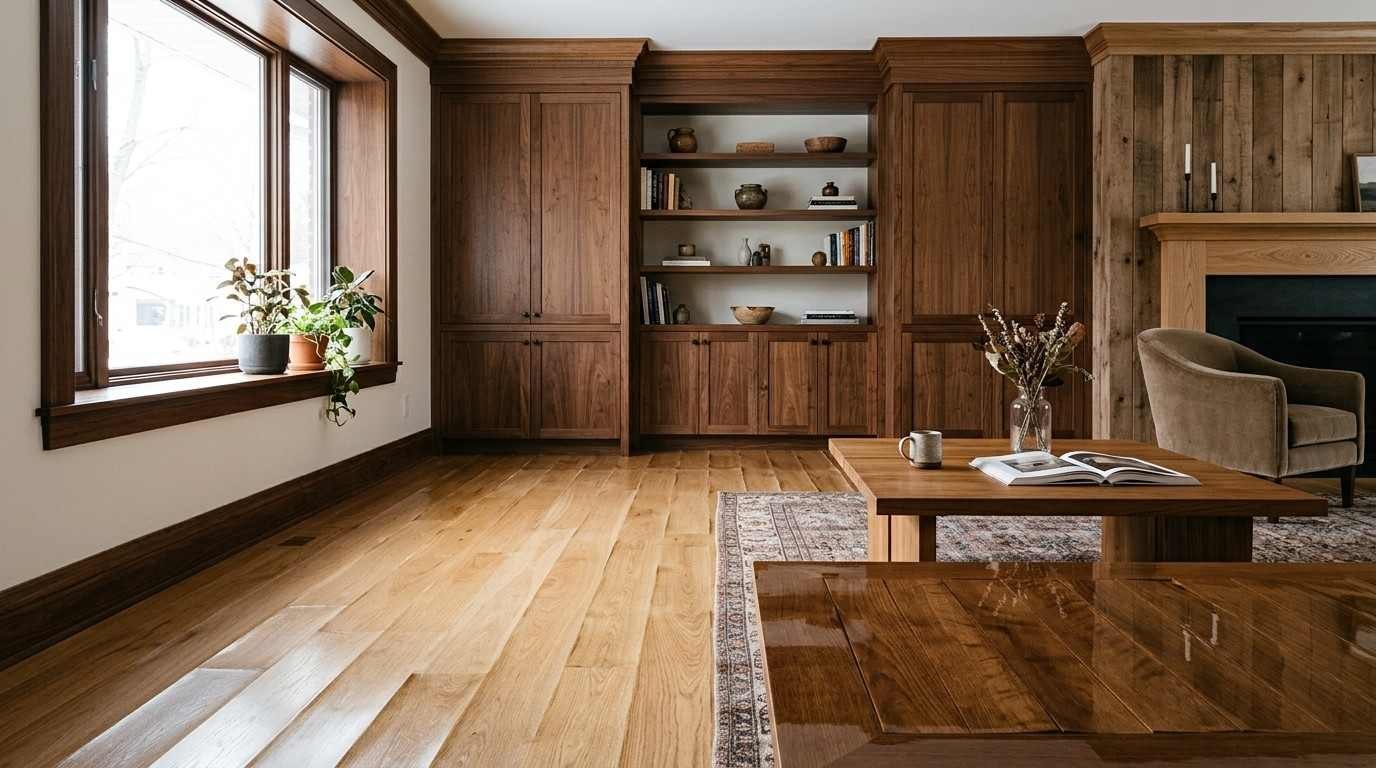
Wood is one of the most common surfaces in a home, appearing in floors, cabinetry, trim, and furniture, and it responds to moisture in ways that few other materials do.
Finished vs. Unfinished Wood
A polyurethane or lacquer finish creates a protective barrier that keeps water from reaching the wood grain underneath. Unfinished or waxed wood has no such barrier, so liquid soaks straight into the fibers.
Moisture Sensitivity
Standing water on hardwood floors causes swelling, warping, and eventually cupping along the board edges. This is why manufacturers recommend damp, not wet, mopping as the standard for finished hardwood.
Tile, Grout, and Ceramic Surfaces
Tile itself is usually durable, but the grout lines between tiles are a different story entirely.
Glazed vs. Unglazed Tile
Glazed tile has a hard, glass-like coating that resists staining and scratching. Unglazed tile, often used outdoors or in showers for slip resistance, lacks that coating and behaves more like a porous stone.
Grout Porosity and Staining
Grout is cement-based and highly porous, absorbing dirt, oil, and colored liquids far faster than the tile surrounding it. Grout porosity is the reason a floor can look clean while the grout lines still darken over time.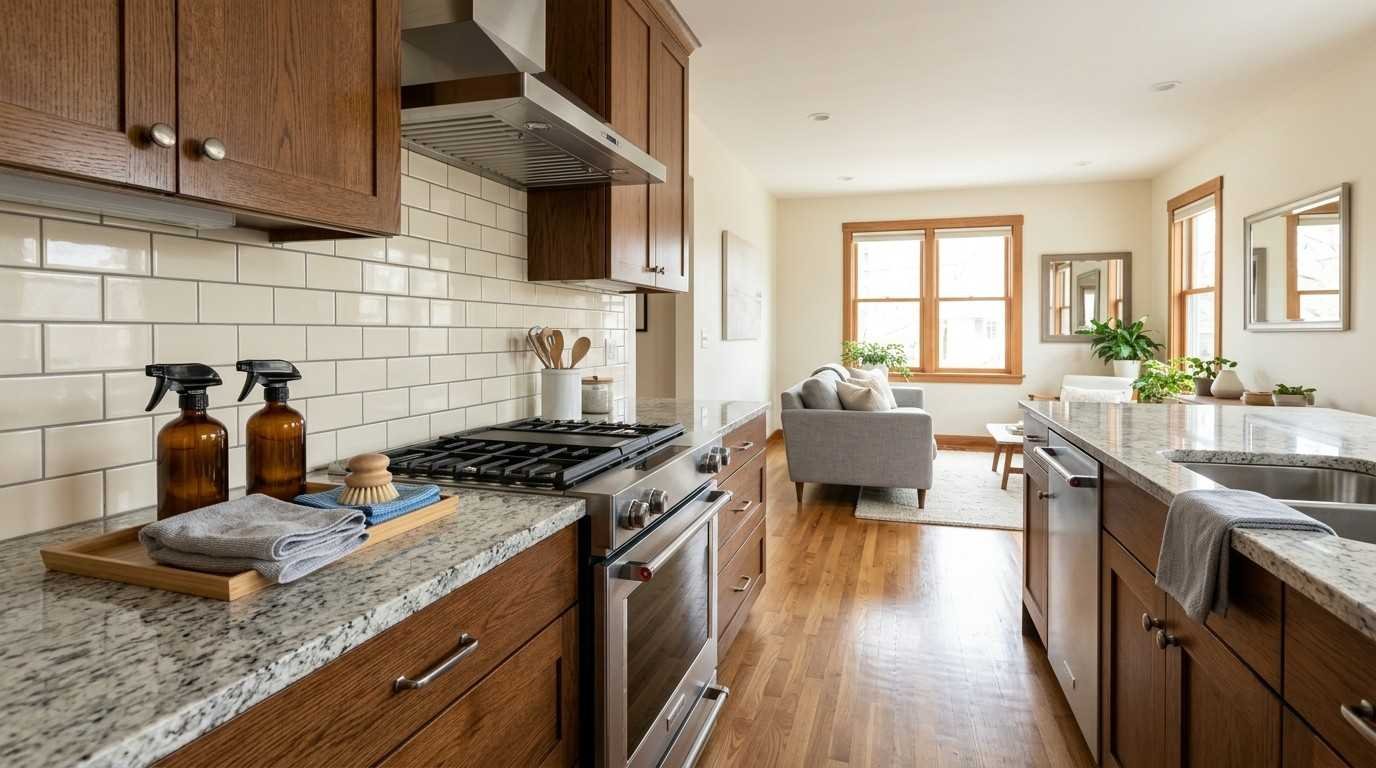
Metal Fixtures and Surfaces (Stainless Steel, Brass, Chrome, Copper)
Metal fixtures throughout a kitchen or bathroom each carry their own reactivity profile, and treating them all the same way accelerates wear.
Oxidation and Tarnish Risk
Brass and copper oxidize when exposed to air and certain cleaning chemicals, developing a dulled patina that changes the fixture’s original color. Chrome resists tarnish but shows water spots and fingerprints more visibly than either.
Abrasive Damage on Finishes
Stainless steel scratches permanently under abrasive pads, and those scratch marks trap grease and dirt going forward. A soft cloth moved in the direction of the steel’s grain avoids this entirely.
Glass and Mirrored Surfaces
Glass looks simple to clean, but streaking and residue build-up are more about technique than the product itself.
Streak-Free Cleaning Principles
Ammonia-based glass cleaners break down oil and fingerprints effectively, but leftover residue from paper towels often causes the streaking people blame on the product. A lint-free microfiber cloth resolves most of that issue.
Window Seal and Frame Considerations
The frame and seal around a window are a different material entirely from the glass itself, usually vinyl, aluminum, or wood, and each reacts differently to moisture pooling at the base of the pane.
Fabric, Upholstery, and Soft Surfaces
Fabric surfaces, from couches to curtains, respond to cleaning products according to the fiber they’re made from rather than their appearance.
Natural Fiber vs. Synthetic Fiber
Natural fibers like cotton, wool, and silk absorb liquid and can shrink or discolor with the wrong treatment. Synthetic fibers such as polyester and nylon resist staining better but trap odors more stubbornly.
Water-Based vs. Solvent-Based Stains
A water-based stain like coffee responds to a different treatment than a solvent-based stain like grease or ink. Using the wrong approach often sets the stain permanently rather than lifting it.
Countertop Materials (Quartz, Laminate, Butcher Block, Concrete)
Countertop material determines what a surface can tolerate in terms of heat, chemicals, and daily wear.
Heat and Chemical Resistance by Material
Quartz resists staining and heat fairly well but can discolor from prolonged sun exposure. Butcher block absorbs both moisture and bacteria if left unsealed, and concrete countertops need periodic resealing to maintain their stain resistance.
Painted and Drywall Surfaces
Interior walls seem uniform, but the paint finish underneath the color determines exactly how much scrubbing that wall can handle.
Matte vs. Semi-Gloss Cleaning Differences
Matte and flat paint finishes show scrub marks and burnishing when wiped too aggressively. Semi-gloss and satin finishes tolerate a damp cloth and mild soap far better, which is why bathrooms and kitchens typically use them.
Exterior Surfaces (Siding, Brick, Concrete, Roofing)
Exterior surfaces face constant weather exposure, and each material has a different tolerance for pressure and moisture.
Pressure Sensitivity by Material
Vinyl siding cracks under high-pressure spray at close range, while brick and concrete generally tolerate more force. Roofing shingles are the most sensitive of the group, since granule loss from pressure washing shortens the roof’s lifespan.
Mold, Mildew, and Organic Growth Risk
Shaded, damp areas of siding and roofing develop mold and algae growth over time, and organic growth left untreated can degrade certain siding materials faster than sun exposure does.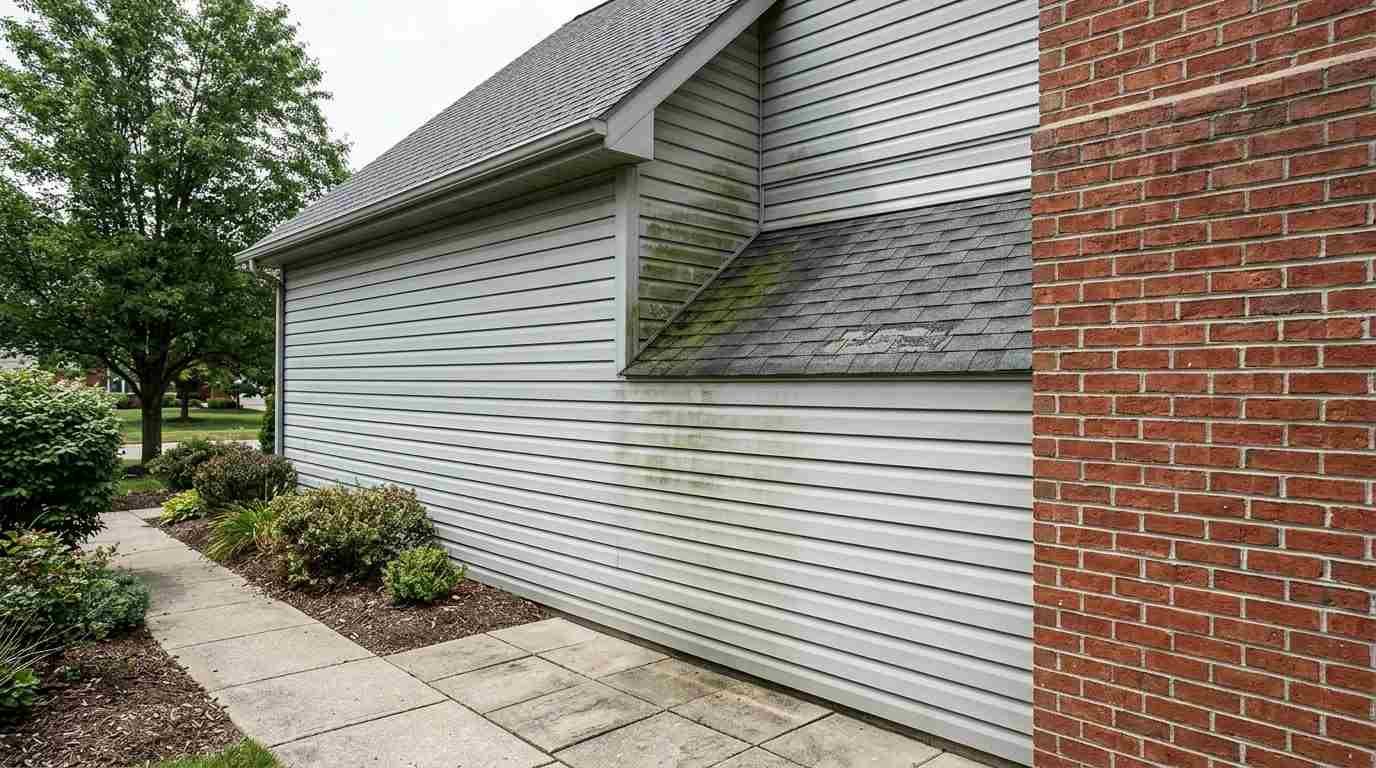
Appliance Surfaces (Stainless Steel, Glass Cooktops, Interior Components)
Appliances combine multiple materials in a single unit, often stainless steel exteriors paired with glass or ceramic interior components.
Glass cooktops scratch under gritty cleaners and require a dedicated cooktop cleaner rather than an all-purpose spray. Interior components, like oven racks and refrigerator shelving, vary between coated wire, glass, and plastic, each with a different heat and chemical tolerance.
Choosing the Right Cleaning Method for Mixed-Material Spaces
Most rooms combine several materials at once, a kitchen alone might have stone counters, wood cabinets, tile floors, and stainless appliances in a single space.
When to Call a Professional vs. DIY
Routine dusting and wiping suit most homeowners just fine. Deep staining, etching, or buildup across multiple porous surfaces usually signals that professional-grade equipment and products will get better results than repeated DIY attempts.
Seasonal and Maintenance Considerations by Surface
Humidity swings in summer affect wood and grout differently than the dry air of winter, which tends to shrink wood and crack unsealed stone.
Reviewing each surface at the start of a season, resealing stone, conditioning wood, checking exterior siding, catches small issues before they become costly repairs.
Conclusion
Every surface in a home tells you what it needs once you understand its material. Stone, wood, tile, metal, glass, and fabric each carry their own rules for safe cleaning.
We know matching the right approach to each material protects your home’s value for years to come. If you’d rather leave the details to professionals, Mr. Local Services connects you with skilled cleaning experts who handle it right the first time.
Frequently Asked Questions
What cleaning products should never be used on natural stone?
Avoid vinegar, lemon, and other acidic cleaners on marble, travertine, and limestone. These react with the stone’s minerals and cause permanent dull spots called etching.
How often should hardwood floors be deep cleaned?
Most hardwood benefits from a thorough cleaning every one to two weeks, using minimal water. Excess moisture is the biggest risk to a hardwood floor’s finish over time.
Why does grout stain faster than tile?
Grout is porous cement, while glazed tile has a protective coating. Grout absorbs dirt, oil, and color from spills far more readily than the tile around it.
Can stainless steel appliances be cleaned with abrasive sponges?
Abrasive sponges scratch stainless steel permanently and those scratches trap grease over time. A soft cloth wiped along the grain keeps the finish intact.
Is pressure washing safe for all exterior surfaces?
No, pressure washing suits brick and concrete but damages vinyl siding and roofing shingles at high settings. Surface material always determines safe pressure levels.
What’s the difference between water-based and solvent-based stains on fabric?
Water-based stains like coffee lift with different treatments than solvent-based stains like grease. Using the wrong method often sets the stain permanently into the fibers.
How do I know if a countertop needs resealing?
Water that no longer beads on the surface and soaks in instead signals the seal has worn down. This applies most to granite, concrete, and butcher block countertops.