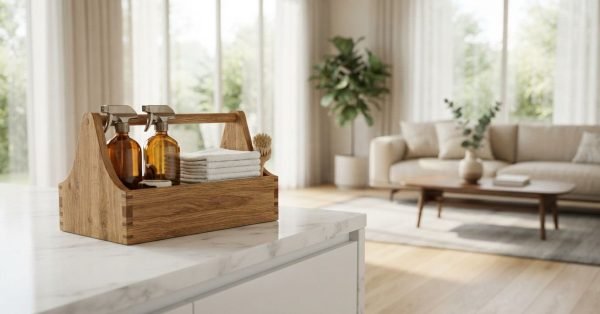
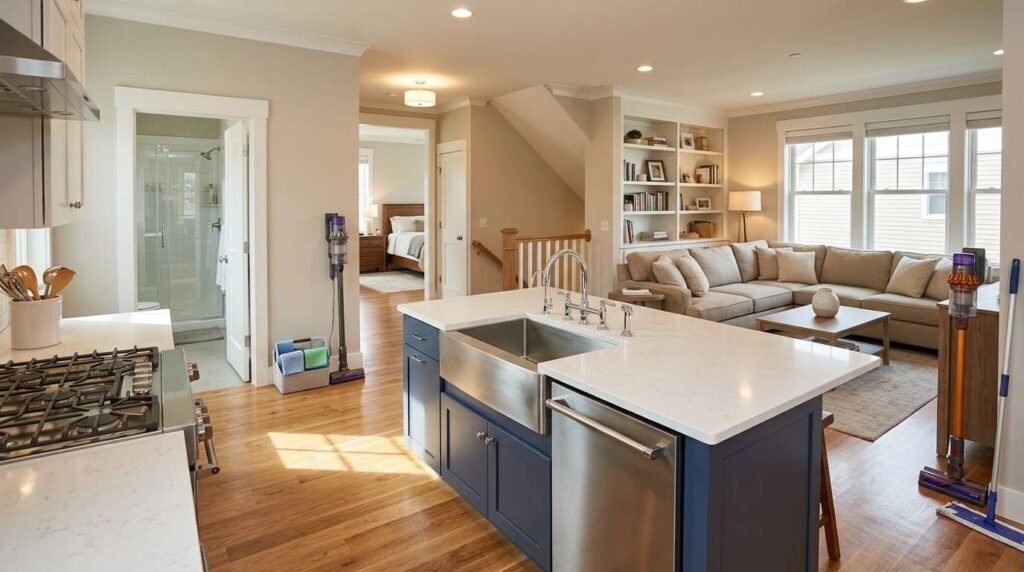
I’ve walked into hundreds of homes where the cleaning routine looked busy but never actually worked. A room-by-room cleaning method is a structured approach that tackles each space based on its specific dirt, moisture, and traffic patterns instead of applying the same routine everywhere. It matters because kitchens, bathrooms, and bedrooms accumulate grime differently, and treating them the same wastes time and leaves real problems behind.
Skipping this structure lets grease build in kitchens, mildew spread in bathrooms, and dust trigger allergies in bedrooms. I’ve seen small oversights turn into bigger maintenance headaches within a season.
This guide walks through every major room, covers tools and frequency schedules, and explains when a routine clean uncovers a deeper issue worth addressing.
What Room-by-Room Cleaning Means (and Why It Beats a Random Approach)
I think of a house less as one big space and more as a set of connected environments. Each room collects a different mix of dust, grease, moisture, and bacteria, so it needs its own cleaning logic.
A room-by-room cleaning method breaks the home into zones and matches the products, tools, and frequency to what that zone actually produces. Kitchens generate grease and food residue. Bathrooms generate moisture and bacteria. Bedrooms generate dust and fabric buildup.
This structure also makes cleaning faster over time. Once a routine exists per room, nothing gets forgotten, and nothing gets over-cleaned at the expense of something that needed more attention.
Kitchen Cleaning: The Highest-Priority Room in the House
Kitchens work harder than almost any other room, and the mess reflects that. Grease, food particles, and moisture combine constantly, which makes kitchen deep cleaning a higher-frequency task than most homeowners expect.
According to the NSF International 2023 household germ study, kitchen sponges and sink areas carry more bacteria than most bathroom surfaces, which reshapes how priority should get assigned in a cleaning routine.
Countertops, Appliances & Sink Sanitation
Countertops need daily wipe-downs with a disinfecting solution, since food prep leaves bacteria behind even when a surface looks clean. Sinks collect the same residue and need equal attention, not an afterthought.
Appliance exteriors build up grease film faster than most people notice day to day. Interior appliance cleaning, especially inside ovens and refrigerators, deserves its own scheduled task rather than a “whenever it looks bad” approach.
Cabinet Fronts, Grease Zones & Floor Care
Cabinet fronts near the stove collect airborne grease that hardens into a sticky film over weeks. Wiping this zone weekly prevents a buildup that becomes much harder to remove later.
Kitchen floors deal with spills, crumbs, and foot traffic all day. A mop routine suited to the flooring material keeps grime from working into seams and grout lines.
Bathroom Cleaning: Sanitation, Mold Prevention & Fixture Care
Bathrooms combine moisture, heat, and organic residue, which makes them the fastest room in a home to develop bacterial and fungal growth. Bathroom sanitation cleaning needs to happen more frequently than almost any other room-based task.
Toilet, Tub & Shower Disinfection
Toilets need daily attention to the bowl and weekly attention to the base, hinges, and surrounding floor, since bacteria spreads well beyond the bowl itself. Tubs and showers need a disinfecting cleaner strong enough to cut through soap scum and body oil residue.
Shower curtains and glass doors trap moisture against their surface, which speeds up mildew formation if they’re not dried or wiped after use.
Grout, Mildew & Ventilation Concerns
Grout lines absorb moisture and soap over time, creating a surface where mildew can take hold even with regular surface cleaning. Mildew and mold growth in bathrooms points to a ventilation problem as often as it points to a cleaning gap, particularly in rooms without an exhaust fan running long enough after showers.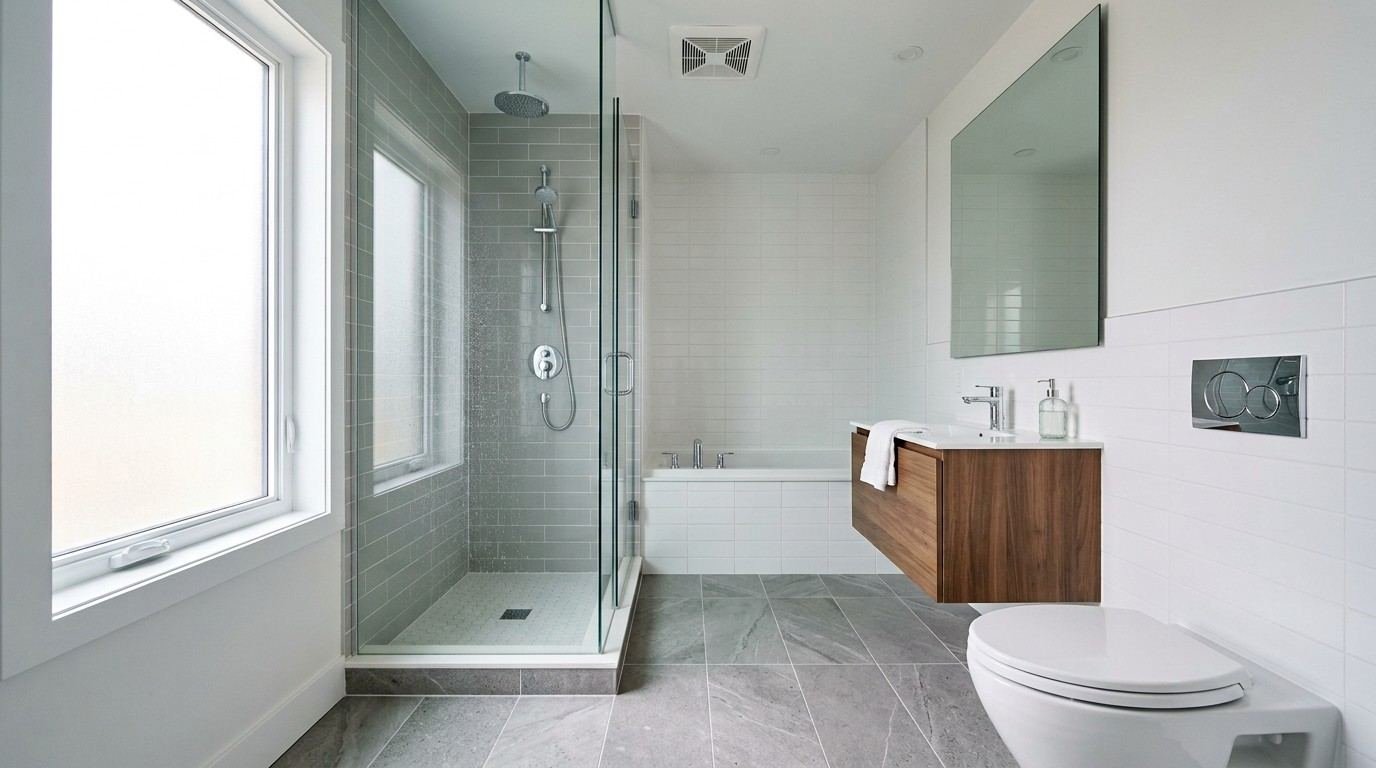
Bedroom Cleaning: Dust Control & Allergen Reduction
Bedrooms don’t generate grease or bacteria the way kitchens and bathrooms do, but they collect something just as disruptive: dust and skin cells that accumulate in fabric and settle on every horizontal surface.
Bedroom dust control starts with bedding. Sheets need weekly washing, and pillows and comforters need a seasonal deep clean since they absorb oils and dust mites over months of use. Carpeted bedrooms trap far more dust than hard flooring, which changes how often vacuuming needs to happen.
Nightstands, headboards, and blinds collect a layer of dust that’s easy to miss during a quick tidy. A slower pass with a microfiber cloth picks up what a rushed cleaning misses entirely.
Living Room & Common Area Cleaning: Upholstery, Floors & Surfaces
Living rooms see the most foot traffic and the widest mix of activities, from eating to pets to guests, which means living room surface cleaning has to account for more variables than almost any other space.
Upholstery absorbs oils, dust, and odors over time, and a vacuum attachment pass weekly slows that buildup considerably. Hard surfaces like coffee tables and shelving need dusting more often than most people realize, since airflow patterns in common areas circulate dust constantly.
Flooring in this zone takes the heaviest wear in the house. Rugs need rotation and deeper cleaning on a schedule, since foot traffic compresses fibers and grinds dirt in over time.
Home Office Cleaning: Electronics, Dust & Air Quality
Home offices have become a permanent fixture in more households, and they bring a cleaning challenge that’s different from the rest of the home. Home office dust and electronics cleaning requires care around sensitive equipment that other rooms don’t have.
Keyboards, monitors, and desk surfaces collect dust and skin oils daily, and static buildup around electronics actually attracts more dust than surrounding surfaces. A microfiber cloth and electronics-safe cleaner prevents buildup without risking damage to screens or ports.
Paper clutter also traps dust in ways that are easy to overlook. Clearing and wiping surfaces weekly keeps allergens from settling into a space where people often spend hours at a time.
Laundry Room Cleaning: Lint, Vents & Moisture Control
Laundry rooms combine two things that don’t mix well: moisture from washing and heat from drying, which creates a specific set of cleaning priorities most other rooms don’t share.
Laundry room lint and vent buildup creates one of the more overlooked hazards in a home. Lint escapes the trap during every drying cycle and settles inside duct pathways, on top of appliances, and along baseboards, gradually reducing airflow efficiency over repeated cycles.
Washer drums and gaskets need regular wiping since trapped moisture inside rubber seals leads to mildew odor if left unaddressed for even a few weeks. Floors in this room also need attention, since detergent residue and lint dust settle into flooring seams over time.
Entryway, Hallway & Staircase Cleaning: High-Traffic Zones
Entryways and hallways absorb more outside dirt than any other part of the home, since shoes, bags, and pets all pass through the same narrow strip of flooring repeatedly.
High-traffic surface cleaning in these zones means more frequent sweeping and mopping than in rooms with less foot traffic. Baseboards and wall surfaces along staircases pick up scuff marks and dust that get overlooked during a standard cleaning pass.
Light fixtures and handrails in these areas get touched constantly and need wiping on a shorter cycle than most homeowners assume, since they carry more bacteria transfer than flat surfaces.
Cleaning Frequency by Room: Daily, Weekly, Monthly & Seasonal Tasks
Matching frequency to room type prevents both over-cleaning and neglect. This breakdown reflects how quickly each space accumulates dirt, moisture, or bacteria.
| Room | Daily | Weekly | Monthly | Seasonal |
| Kitchen | Counters, sink, stovetop | Cabinet fronts, appliance exteriors | Oven interior, fridge interior | Range hood filter, deep floor scrub |
| Bathroom | Sink, toilet bowl | Tub/shower, floors | Grout, exhaust fan | Caulking check, drain treatment |
| Bedroom | Bed making | Dusting, vacuuming | Under-bed areas | Mattress rotation, linen deep wash |
| Living Room | Tidying | Vacuuming, dusting | Upholstery attachment clean | Rug rotation, deep upholstery clean |
| Home Office | Desk wipe-down | Electronics dusting | Cable and vent dusting | Deep equipment clean |
| Laundry Room | Lint trap | Floor cleaning | Drum and gasket wipe | Vent pathway check |
| Entryway/Hallway | Sweep | Mop, baseboard wipe | Light fixture cleaning | Deep scrub, wall spot cleaning |
Essential Tools, Products & Equipment for Room-by-Room Cleaning
Different rooms call for different tools, and using the wrong one usually means more effort for a worse result. Cleaning tools and equipment should match the surface and the type of residue involved, not just whatever is closest at hand.
Microfiber cloths outperform paper towels for dust and electronics since they trap particles instead of pushing them around. Disinfecting sprays suited for kitchens and bathrooms differ from general surface cleaners, since they need to address bacteria and mildew specifically rather than just visible dirt.
A quality vacuum with attachments handles carpet, upholstery, and hard flooring differently, and using the wrong attachment on the wrong surface can grind dirt in rather than lift it out.
When Room Cleaning Reveals a Bigger Maintenance Issue
Cleaning often surfaces problems that go beyond dirt and dust. A damp patch behind a washing machine, a musty smell near a baseboard, or dust that returns within a day of vacuuming all point toward something structural rather than cosmetic.
Underlying maintenance issues show up most often in bathrooms, laundry rooms, and basements, where moisture accumulates in places that aren’t visible during a normal cleaning pass. Persistent mildew smell despite regular disinfecting usually signals a ventilation or leak issue rather than a cleaning gap. Dust that keeps returning quickly in one specific room can point to an airflow or duct problem rather than inconsistent cleaning habits.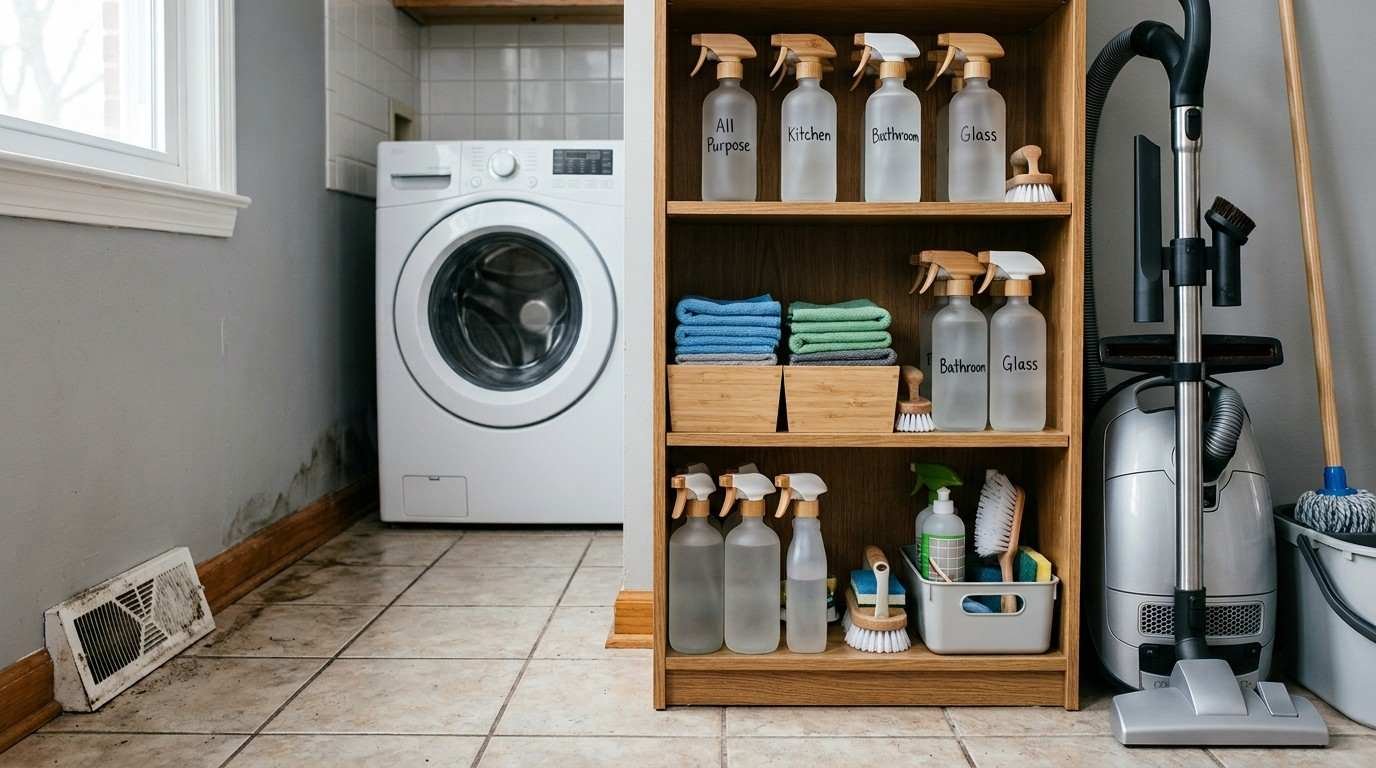
Deep Cleaning vs. Routine Cleaning: Knowing the Difference
Routine cleaning maintains a baseline. Deep cleaning versus routine cleaning comes down to scope and frequency, not just effort level.
Routine cleaning covers visible surfaces on a daily or weekly basis: counters, floors, and fixtures that get touched constantly. Deep cleaning goes further, addressing grout lines, appliance interiors, vent pathways, and areas behind furniture that routine passes skip entirely.
Most homes need routine cleaning weekly and a deeper pass monthly or seasonally, depending on the room and how heavily it’s used.
Building a Room-by-Room Cleaning Schedule That Actually Works
A schedule only works if it matches how each room actually gets dirty. A room-by-room cleaning schedule groups tasks by frequency first, then assigns them to specific days so nothing competes for the same time slot.
Starting with daily non-negotiables, like kitchen counters and bathroom sinks, keeps the highest-bacteria zones under control. Weekly tasks can rotate across a few days rather than piling into one overwhelming session, and monthly or seasonal tasks work best when tied to a calendar reminder rather than memory alone.
Conclusion
Every room in a home carries its own cleaning demands, from kitchen grease to bathroom moisture to bedroom dust. Understanding these differences turns cleaning from guesswork into a system that actually protects the property.
Some cleaning tasks reveal bigger issues tied to moisture, ventilation, or aging systems that go beyond routine upkeep. Recognizing that difference early protects both the home and its long-term value.
We built Mr. Local Services to help homeowners handle exactly these moments. Reach out to Mr. Local Services when a cleaning routine uncovers something bigger than a mop and bucket can fix.
Frequently Asked Questions
How often should each room in a house be deep cleaned?
Kitchens and bathrooms typically need a deep clean monthly due to grease and moisture buildup. Bedrooms and living rooms usually only need this level of attention seasonally.
What’s the difference between cleaning and sanitizing a room?
Cleaning removes visible dirt and debris from a surface. Sanitizing goes further, reducing bacteria and germs to a safer level, which matters most in kitchens and bathrooms.
Which room in a house collects the most bacteria?
Kitchens often carry more bacteria than bathrooms, especially around sinks and sponges. This surprises many homeowners who assume bathrooms are automatically the dirtier space.
How do I know if a room needs professional cleaning instead of DIY?
Persistent odors, visible mold, or recurring dust despite regular cleaning usually signal a problem beyond surface-level upkeep. These situations often point to ventilation or moisture issues worth a closer look.
What cleaning tasks are easy to forget during a regular routine?
Baseboards, light fixtures, and appliance exteriors get skipped most often since they’re not part of a typical wipe-down. Vent covers and cabinet tops fall into this same overlooked category.
Should bedrooms be cleaned differently than other rooms?
Bedrooms need less disinfecting than kitchens or bathrooms but more attention to dust and fabric. Bedding, carpets, and upholstered furniture all require a different cleaning approach than hard surfaces.
How does laundry room cleaning affect the rest of the house?
Lint and moisture from laundry rooms can spread into nearby spaces if not managed regularly. This makes consistent laundry room upkeep relevant to overall air quality and dust levels throughout the home.