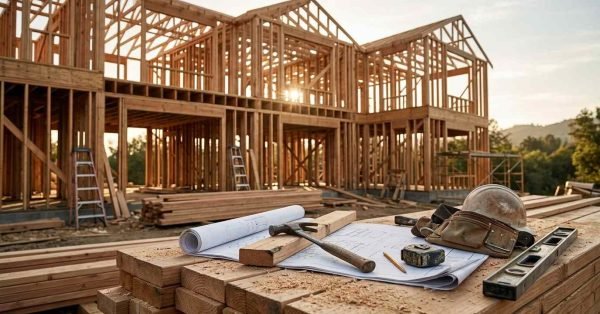
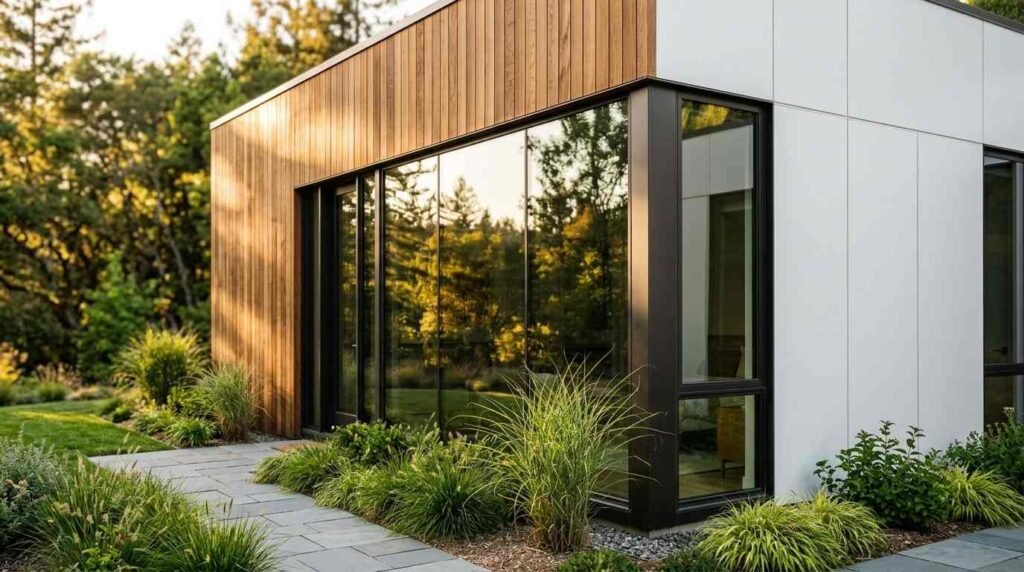
Prefab home resale value is the market price a factory-built house commands when sold, shaped by land ownership, foundation type, build quality, and upkeep. I get asked about this constantly by homeowners, landlords, and property managers who want a straight answer.
The answer matters right now because prefab construction keeps growing across the USA, and outdated assumptions cost sellers real money at closing every single year.
Here I cover valuation basics, appreciation data, value drivers, maintenance, upgrades, financing, tiny homes, value killers, sale prep, and choosing the right professionals.
What Prefab Home Resale Value Actually Means
Prefab home resale value is the price a buyer pays for a factory-built house on the open market. And it works differently than most people expect.
I break it into two parts: the structure and the land beneath it. Those two pieces move independently, and confusing them causes most of the bad advice floating around.
Prefab, Modular, and Manufactured: Why the Label Changes the Value
“Prefab” is an umbrella term. Underneath it sit modular homes, manufactured homes, panelized homes, and kit homes, and each one carries a different valuation profile.
Modular homes get built to the same state and local building codes as site-built houses. Manufactured homes follow the federal HUD Code, a separate national standard that took effect in 1976.
That distinction drives everything downstream. Appraisers, lenders, and insurers all treat these categories differently.
Real Property vs. Personal Property Classification
A prefab home titled as real property gets valued like any other house. A home still titled as personal property, with a vehicle-style title, gets valued more like a depreciating asset.
Converting a title from personal to real property usually requires permanent foundation attachment, land ownership, and a formal county filing. I have seen that single change add tens of thousands to a home’s appraised figure.
Property managers handling multiple units should audit titling status first. It is the highest-leverage fix available.
How Appraisers Assign Value to Factory-Built Homes
Appraisers use the sales comparison approach, matching your home against recent sales of similar properties nearby. They also weigh the cost approach, which estimates rebuild cost minus depreciation.
The challenge is comparable inventory. In neighborhoods with few factory-built sales, appraisers reach further out and values get noisier.
Strong documentation fixes that. Permits, upgrade receipts, and inspection reports give the appraiser reasons to adjust upward.
Do Prefab Homes Appreciate or Depreciate?
Modern prefab homes on owned land appreciate. That is the short version, and the data backs it.
The longer version depends entirely on how the home is classified, sited, and maintained. Two identical houses on different lots produce very different outcomes.
The Land-Plus-Structure Appreciation Model
Land appreciates. Structures depreciate physically while the market adds value through inflation, demand, and improvements.
When you own the land, the appreciating component sits inside your asset. When you rent a lot in a community, you own only the depreciating component, and resale suffers.
This one variable explains most of the disagreement people encounter online.
Where the Depreciation Myth Comes From
The myth traces back to pre-1976 mobile homes built before national construction standards existed. Those units genuinely depreciated like vehicles.
Construction quality changed dramatically after the HUD Code arrived. The U.S. Census Bureau tracks manufactured housing shipments and pricing, and today’s units bear little resemblance to 1970s stock.
Reputation lags reality by decades. That gap creates buying opportunities and selling frustrations at the same time.
Modular vs. Site-Built Appreciation Benchmarks
Modular homes on permanent foundations generally track site-built appreciation closely, because appraisers and MLS systems classify them identically. Buyers often cannot tell the difference once construction finishes.
Manufactured homes on owned land appreciate too, though typically at a slower clip. Research from the Urban Institute has examined manufactured housing appreciation patterns and financing barriers in detail.
Lot-rent communities remain the weak spot. Those homes behave closer to depreciating assets regardless of condition.

The Core Factors That Drive Prefab Home Appreciation
Four factors do the heavy lifting. I rank them by impact, and the order rarely changes.
Everything else is refinement around these fundamentals.
Location, Lot Ownership, and Neighborhood Comps
Location outranks construction method every time. A well-built modular home in a weak market underperforms a modest home in a strong one.
Lot ownership sits right behind it. Owned land converts your home into a real estate asset with a full buyer pool and standard financing options.
Neighborhood comps matter because appraisers need evidence. Areas with active factory-built sales produce cleaner, more defensible valuations.
Foundation Type and Permanence
A permanent foundation changes classification, financing eligibility, and buyer confidence in one move. Pier-and-beam with proper anchoring, full basements, and crawl space foundations all qualify when engineered correctly.
Temporary setups limit you to specialized lenders and cash buyers. That shrinks your market and your price.
I treat foundation permanence as non-negotiable for any owner planning to sell within a decade.
Build Quality, Materials, and Certification
Certification labels tell buyers and inspectors what they are getting. Modular homes carry state approval seals; manufactured homes carry HUD certification labels and data plates.
Material quality shows up at inspection. Roofing grade, window ratings, insulation values, and siding durability all surface during due diligence.
Keep those labels intact and documented. Missing data plates create real friction at closing.
Age, Condition, and Maintenance History
Age matters less than condition. A twenty-year-old prefab with documented routine home maintenance often appraises above a ten-year-old home that was neglected.
Condition is the variable you fully control. Buyers read deferred repairs as a discount request.
Maintenance records turn subjective impressions into evidence. I tell every seller to build that file early.
How Maintenance Protects and Grows Prefab Resale Value
Maintenance is the cheapest appreciation strategy available. It prevents the compounding damage that destroys value quietly over years.
I approach it as system-by-system protection rather than reactive repair.
Roofing, Sealing, and Envelope Integrity
The building envelope carries the most risk. Roof seams, marriage lines on multi-section homes, and flashing points all need periodic inspection.
Regular roof inspection and repair catch small separations before water finds its way inside. Sealant on marriage lines deserves specific attention on modular and manufactured units.
One ignored leak costs more than a decade of preventive care.
HVAC, Plumbing, and Electrical Systems
Mechanical systems drive inspection outcomes. Buyers ask about system age immediately, and outdated equipment invites price negotiation.
Annual HVAC servicing extends equipment life and keeps efficiency ratings defensible. Plumbing and electrical get similar treatment, especially in homes built before current code cycles.
Documented service history reassures both buyers and appraisers.
Exterior Care: Siding, Painting, and Pressure Washing
Exterior condition sets the buyer’s first impression before they open the door. Faded siding and dirty surfaces read as neglect even when the interior is immaculate.
Periodic exterior pressure washing and repainting restore appearance at modest cost. Skirting repair matters specifically on manufactured homes, since damaged skirting signals moisture and pest exposure.
Curb appeal is inexpensive leverage. I recommend it to every seller.

High-ROI Upgrades and Remodels for Prefab Homes
Not every upgrade pays back. I focus owners on improvements that appraisers recognize and buyers actually want.
The 2024 Cost vs. Value Report from Remodeling magazine tracks national return figures across dozens of project types, and the pattern holds for factory-built homes too.
Kitchen and Bathroom Remodeling Returns
Kitchens and bathrooms move buyer decisions faster than any other space. Mid-range updates outperform luxury overhauls on return percentage.
Cabinet refacing, countertop replacement, and fixture updates deliver visible change at controlled cost. Full kitchen and bath remodeling makes sense when layouts genuinely limit function.
Overbuilding relative to neighborhood comps caps your return.
Flooring, Drywall, and Interior Finish Upgrades
Flooring transforms perception instantly. Luxury vinyl plank handles moisture well and suits factory-built homes across most climates.
Wall finish matters on older units. Replacing vinyl-over-gypsum panels with taped and painted drywall installation modernizes interiors and removes a common buyer objection.
Interior paint remains the highest-return cosmetic upgrade available.
Energy Efficiency: Windows, Doors, and Insulation
Energy performance shows up on utility bills and increasingly in buyer questions. The ENERGY STAR program documents efficiency standards buyers now recognize by name.
Upgraded window replacement and properly sealed exterior doors reduce load and improve comfort. Added insulation in floors and ceilings pays back steadily in older prefab units.
These upgrades stack well with maintenance work.
Outdoor Value: Decks, Landscaping, and Curb Appeal
Outdoor living space expands usable square footage at lower cost per foot. A well-built deck extends the home functionally and visually.
Professional deck construction and thoughtful landscape improvements frame the home properly on its lot. That framing matters especially for prefab homes, where site integration drives buyer perception.
Mature landscaping also softens the factory-built read entirely.
Financing, Insurance, and Appraisal Realities
Financing determines who can buy your home. A narrow lending pool means fewer offers and lower prices.
I walk owners through this early, because fixes take time.
Loan Types That Affect Buyer Pools
Modular homes on permanent foundations qualify for conventional, FHA, VA, and USDA loans like any site-built house. Manufactured homes on owned land with permanent foundations qualify for FHA Title II financing and several conventional programs.
Chattel loans cover homes titled as personal property. Those carry higher rates and shorter terms, which suppresses buyer purchasing power.
Converting title before listing widens your market substantially.
Insurance Considerations for Factory-Built Homes
Insurers price factory-built homes based on construction type, foundation, anchoring, and roof condition. Manufactured homes sometimes require specialty policies.
Wind zone ratings matter in coastal and high-wind regions. Documentation of anchoring and tie-downs helps at both underwriting and resale.
Continuous coverage history signals a well-cared-for property.
Appraisal Comparables and Common Valuation Pitfalls
Appraisals fail most often on comparable selection. When an appraiser uses distant or dissimilar sales, values land low.
Provide a comp list, permit records, and upgrade documentation before the appraisal. Missing HUD data plates and unpermitted additions are the two pitfalls I see repeatedly.
Preparation shifts appraisal outcomes more than owners expect.

Tiny Homes and ADUs: A Different Value Equation
Tiny homes and accessory dwelling units follow separate rules. Their value comes from utility and income more than traditional appreciation.
I treat them as a distinct asset class within the prefab category.
Zoning, Permits, and Legal Placement
Zoning governs everything here. A tiny home on wheels usually classifies as an RV, while a foundation-set unit classifies as a dwelling.
ADU rules vary by state and municipality, and several states have expanded permissions recently. Legal placement with proper permits is what converts a structure into an appreciating asset.
Unpermitted units become liabilities at sale.
Rental Income vs. Resale Appreciation
An ADU on an existing lot raises the parent property’s value through income potential. Appraisers apply income analysis when rental history exists.
Standalone tiny home projects appreciate mainly when they sit on owned, properly zoned land. Without that, resale depends on a narrow specialty buyer pool.
Landlords benefit most from the income side of this equation.
Common Value Killers and How to Avoid Them
Some problems destroy value faster than upgrades build it. I flag these first during any pre-sale walkthrough.
Prevention costs a fraction of remediation.
Water Damage, Moisture, and Mold
Water is the top value killer in factory-built homes. Roof leaks, plumbing failures, and poor site drainage all funnel moisture into floors and walls.
Fast water damage restoration limits the spread and preserves structural components. Mold disclosure follows the property and shrinks your buyer pool permanently.
Grade the lot away from the home and keep gutters clear.
Pest Intrusion and Structural Damage
Crawl spaces and skirting gaps invite rodents and termites. Damage accumulates out of sight until an inspector finds it.
Scheduled pest control services and sealed access points prevent the problem cheaply. Termite letters are standard in many transactions across the USA.
Structural repairs discovered during escrow kill deals.
Deferred Repairs and Unpermitted Work
Deferred repairs compound. A loose handrail and a stained ceiling together suggest bigger hidden issues to every buyer walking through.
Unpermitted additions create appraisal and lending complications. Retroactive permitting takes time, so I start that process months before listing.
General handyman repair work clears small punch-list items efficiently.
Preparing a Prefab Home for Sale
Sale prep is a project with a sequence. Owners who plan ninety days out consistently net more.
I organize it around inspection first, repairs second, presentation third.
Pre-Listing Inspection and Repair Triage
A pre-listing inspection surfaces problems while you still control timing and cost. Buyers use inspection findings as negotiation leverage otherwise.
Triage findings into three buckets: safety issues, value-affecting defects, and cosmetic items. Address the first two fully.
Professional home cleaning services finish the presentation once repairs wrap.
Documentation Buyers and Appraisers Expect
Buyers and appraisers want proof. Assemble the HUD certification label photos or state modular seal, foundation certification, permits, warranties, and service records.
Include utility bills showing efficiency and a summary of upgrades with dates and costs. That package answers questions before they become objections.
Documentation is the cheapest credibility you can buy.

Choosing the Right Service Professionals
The right professionals protect value; the wrong ones create disclosure problems. Selection matters more on factory-built homes than most owners realize.
I apply the same standard whether the job is a repair or a full remodel.
Vetting Contractors for Factory-Built Homes
Factory-built construction uses different framing, wall systems, and attachment methods. Contractors experienced only with site-built homes sometimes damage what they touch.
Ask for prior modular or manufactured home projects, verify licensing and insurance, and confirm permit handling. Written scopes and transparent pricing prevent mid-project disputes.
Experience with your specific home type saves money twice.
Bundling Services for Cost and Timeline Efficiency
Coordinating multiple trades separately wastes time and money. Sequencing matters too, since interior painting after drywall and flooring after plumbing avoids rework.
Bundling roofing, HVAC, and exterior work under one coordinated schedule compresses timelines. Property managers running multiple units gain the most from consolidated scheduling.
One point of contact simplifies accountability.
Conclusion
You now understand how classification, land ownership, foundation type, maintenance, and upgrades combine to determine prefab home resale value and long-term appreciation.
This guide sits at the center of a broader library covering maintenance, remodeling, repair, and inspection topics in far greater depth.
We connect you with vetted professionals across every service your property needs. Reach out to Mr. Local Services and protect your home’s value today.
Frequently Asked Questions
Do prefab homes lose value over time?
Modern prefab homes on owned land with permanent foundations appreciate. Older units in lot-rent communities behave differently and often decline in value.
Are modular homes harder to sell than site-built homes?
No. Modular homes on permanent foundations sell through the same MLS and financing channels as site-built houses, with comparable buyer demand.
Does owning the land change prefab resale value?
Yes, significantly. Land appreciates while structures depreciate, so owned land converts the home into a full real estate asset.
Which upgrades add the most resale value to a prefab home?
Kitchen updates, flooring, energy-efficient windows, and exterior improvements deliver the strongest returns. Interior paint remains the highest-return cosmetic project.
How does foundation type affect a prefab home’s appraisal?
A permanent, engineered foundation qualifies the home for conventional financing and real property titling. That widens the buyer pool and raises appraised value.
Can I get a conventional mortgage on a prefab home?
Yes, when the home is titled as real property on a permanent foundation. Modular homes qualify broadly; manufactured homes qualify under specific programs.
How often should a prefab home be professionally inspected?
I recommend a full inspection every three to five years, plus annual roof and HVAC checks. Pre-listing inspections deserve their own separate scheduling.