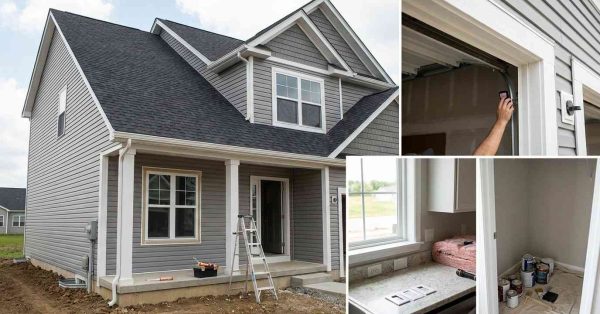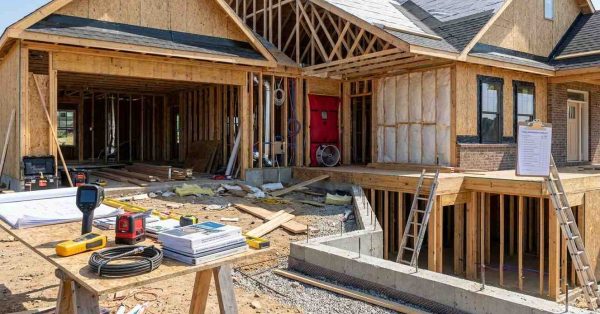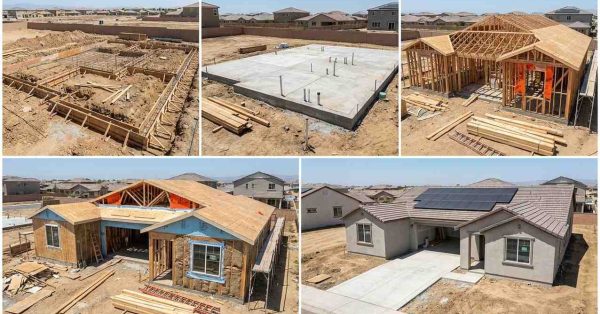
Energy code inspections verify that a property’s construction, systems, and materials meet the minimum energy efficiency standards required by local and national building codes. For homeowners, landlords, and property managers in the USA, these inspections are a required step during new construction, major renovations, and certain permit-triggered projects — and failing one can delay occupancy, add unexpected costs, and create compliance liability.
Understanding what energy code inspections involve helps you plan projects correctly, avoid costly surprises, and keep your property legally compliant from the start.
This guide covers what energy code inspections are, what inspectors evaluate, when they are required, and exactly how to prepare your property to pass.
What Are Energy Code Inspections?
An energy code inspection is a formal review conducted by a certified building inspector or code official to confirm that a property meets the energy efficiency requirements set by the applicable building code. In the United States, most jurisdictions base their requirements on the International Energy Conservation Code (IECC), though individual states and municipalities may adopt modified versions or set stricter local standards.
The inspection evaluates physical components of the building — insulation levels, air sealing quality, window and door performance, HVAC equipment efficiency, and lighting systems — against the code version in effect at the time a permit was issued. Inspectors do not assess whether a home is energy-efficient in a general sense. They verify compliance with specific, measurable code requirements.
Energy code inspections are distinct from voluntary energy audits. An audit is a diagnostic tool a homeowner chooses to identify efficiency improvements. An inspection is a mandatory compliance verification tied to a permit or certificate of occupancy. If you are planning a project that requires a permit, an energy code inspection is not optional — it is a legal requirement that must be passed before the project is considered complete.
For a broader overview of the compliance assessments available for your property, our home inspection services page covers the full range of property evaluations that homeowners and landlords commonly need.
Why Energy Code Inspections Matter for Your Property
Energy codes exist to reduce energy consumption across the building stock, lower utility costs for occupants, and reduce the environmental impact of residential and commercial properties. For property owners, compliance is not just a regulatory obligation — it has direct financial and practical consequences.
A property that fails an energy code inspection cannot receive a certificate of occupancy until deficiencies are corrected and re-inspected. For landlords and property managers, this means delayed rental income. For homeowners completing a renovation, it means the project is legally unfinished regardless of how complete it looks physically. For real estate professionals, a property with unresolved code violations can complicate or block a sale.
Beyond compliance, meeting current energy codes typically results in lower heating and cooling costs, improved indoor comfort, and reduced wear on mechanical systems. Heating and cooling equipment is one of the most scrutinized elements in any energy review — our HVAC system efficiency page explains how properly maintained and correctly sized equipment helps properties meet current energy standards and perform reliably year-round.
Properties that consistently meet or exceed energy code requirements also tend to hold their value better over time, as buyers and tenants increasingly factor energy costs into their decisions.
What Inspectors Check During an Energy Code Inspection
Energy code inspections follow a structured checklist tied to the specific code version applicable to the project. While the exact requirements vary by jurisdiction and project type, inspectors consistently evaluate several core areas.
Insulation and Air Sealing
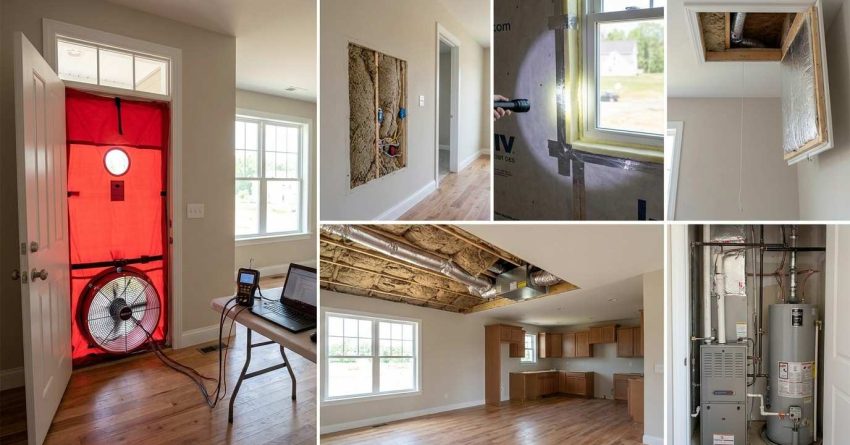
Insulation is the most commonly flagged area in energy code inspections. Inspectors verify that insulation is installed at the correct R-value — a measure of thermal resistance — for each location in the building: attic, walls, floors, and foundation. They also check that insulation is installed correctly, without gaps, compression, or voids that reduce its effectiveness.
Air sealing is evaluated alongside insulation because even properly rated insulation performs poorly when air moves freely through gaps in the building envelope. Inspectors look for sealed penetrations around pipes, wires, recessed lights, and duct connections. In many jurisdictions, blower door testing — a pressurization test that measures overall air leakage — is required to verify that the building meets the code’s air tightness standard.
Gaps in ceilings and interior walls are among the most common air leakage points that inspectors flag — our drywall and ceiling work page outlines how proper installation and repair directly supports energy code compliance for these areas.
HVAC Systems and Mechanical Equipment
Inspectors verify that heating, ventilation, and air conditioning systems meet the minimum efficiency ratings required by code. This includes checking equipment SEER (Seasonal Energy Efficiency Ratio) and AFUE (Annual Fuel Utilization Efficiency) ratings, confirming that duct systems are properly sealed and insulated, and verifying that mechanical ventilation meets the code’s fresh air requirements.
Thermostat controls, programmable setback capability, and equipment sizing documentation may also be reviewed depending on the jurisdiction and project scope.
Windows, Doors, and Building Envelope
The building envelope — the physical barrier between conditioned interior space and the outside environment — is a primary focus of energy code inspections. Inspectors evaluate window and door performance using U-factor and Solar Heat Gain Coefficient (SHGC) ratings, which measure how well glazing resists heat transfer and controls solar gain.
Inspectors assess glazing performance and frame integrity as part of the building envelope review — our window replacement options page details the energy-rated products available for properties that need upgrades to meet current code requirements.
Poorly sealed exterior doors are a leading cause of energy code failures, particularly in older properties undergoing renovation — our exterior door upgrades page covers insulated door options that meet current residential and commercial energy requirements.
When Is an Energy Code Inspection Required?
Energy code inspections are required whenever a building permit is issued for work that falls under the scope of the applicable energy code. The most common triggers include:
New construction of any residential or commercial building requires a full energy code inspection before a certificate of occupancy is issued. Every system and component must meet the code version adopted by the jurisdiction at the time the permit was pulled.
Major renovations and additions that increase conditioned floor area or significantly alter the building envelope typically trigger energy code review. The scope of the inspection depends on the extent of the work — a full addition may require full compliance, while targeted repairs may only require compliance in the affected areas.
HVAC system replacements, window replacements, and insulation upgrades often trigger energy code review when permits are required for the work. Requirements vary by jurisdiction, so confirming permit requirements before starting any significant system replacement is always advisable.
Permits pulled for significant renovations almost always trigger an energy code review — our home remodeling projects page explains how we coordinate compliance requirements throughout the renovation process so projects stay on schedule and on budget.
Timing matters. Energy code inspections must occur at specific stages of construction — typically before insulation is covered by drywall and before mechanical systems are enclosed. Missing an inspection window can require destructive access to verify compliance after the fact, which adds significant cost and delay.
How to Prepare for an Energy Code Inspection
Preparation reduces the risk of failure and helps inspections proceed efficiently. The steps below apply to most residential and light commercial projects.
Confirm the applicable code version with your local building department before work begins. The code version in effect when your permit was issued governs your inspection — not the most current version if it was adopted after your permit date.
Gather documentation before the inspection. Inspectors typically require product data sheets for insulation, windows, doors, and HVAC equipment showing that installed products meet the required ratings. Having these documents organized and on-site saves time and prevents delays.
Complete all insulation and air sealing work before scheduling the inspection. Inspectors need to see insulation before it is covered. Scheduling the inspection too early — before work is complete — or too late — after drywall is installed — creates compliance problems that are expensive to resolve.
Verify that HVAC equipment is installed, labeled, and accessible. Inspectors need to confirm equipment model numbers and efficiency ratings. Equipment that is not yet installed or not accessible at the time of inspection will result in a failed or incomplete review.
Lighting controls, outlet placement, and panel capacity are all reviewed during an energy inspection — our electrical system upgrades page outlines the electrical improvements that most commonly bring properties into compliance before the inspection date.
Walk through the property before the inspector arrives and check for obvious gaps around penetrations, missing insulation in accessible areas, and any equipment that is not yet labeled or documented. Catching these issues yourself is far less costly than having an inspector flag them.
What Happens If Your Property Fails an Energy Code Inspection?
A failed energy code inspection means one or more components of the property do not meet the required code standard. The inspector will issue a correction notice identifying each deficiency, the code section it violates, and what is required to bring it into compliance.
Deficiencies must be corrected before a re-inspection can be scheduled. Re-inspection fees vary by jurisdiction but are typically charged per visit. Properties with multiple deficiencies may require several re-inspection cycles if corrections are not completed comprehensively before each visit.
Common failure reasons include insufficient insulation R-values, missing or incomplete air sealing at penetrations, HVAC equipment that does not meet minimum efficiency ratings, and windows or doors that do not meet U-factor or SHGC requirements.
Many energy code deficiencies involve straightforward fixes that do not require a specialist — our handyman repair services page covers the minor repairs and adjustments that resolve the most common inspection failures quickly and cost-effectively.
For more significant deficiencies — such as undersized insulation throughout an attic or HVAC equipment that must be replaced — working with qualified professionals who understand code requirements is the most reliable path to passing re-inspection on the first attempt. Mr. Local Services connects property owners with skilled professionals across all the service categories most commonly involved in energy code compliance work, from insulation and air sealing to HVAC, windows, doors, and electrical systems.
Conclusion
Energy code inspections are a required compliance step for most permitted construction and renovation projects, verifying that a property’s insulation, systems, and building envelope meet current efficiency standards. Understanding what inspectors evaluate and when inspections are triggered helps property owners plan projects correctly and avoid costly delays.
Preparing thoroughly — with the right documentation, correctly installed materials, and properly functioning systems — is the most reliable way to pass on the first inspection. Addressing deficiencies quickly and completely minimizes re-inspection costs and keeps projects on schedule.
At Mr. Local Services, our network of skilled professionals covers every service category involved in energy code compliance — from HVAC and insulation to windows, doors, and electrical work — so you have one dependable source for everything your property needs to meet code and stay there.
Frequently Asked Questions
What is the difference between an energy code inspection and an energy audit?
An energy code inspection is a mandatory compliance review tied to a building permit, verifying that specific code requirements are met. An energy audit is a voluntary diagnostic assessment a homeowner chooses to identify efficiency improvement opportunities. One is required by law; the other is optional.
Who performs energy code inspections?
Energy code inspections are conducted by certified building inspectors or code officials employed by or contracted with the local building department. Some jurisdictions also accept inspections from third-party certified inspectors who are approved by the authority having jurisdiction.
How long does an energy code inspection take?
Most residential energy code inspections take between one and three hours, depending on the size of the property and the scope of the work being inspected. Properties with complex mechanical systems or large square footage may take longer.
Can I schedule an energy code inspection before all work is complete?
No. Inspections must occur after the relevant work is complete but before it is covered or enclosed. Scheduling too early results in an incomplete inspection. Scheduling after drywall is installed may require destructive access to verify insulation and air sealing compliance.
What happens if I miss a required energy code inspection?
Missing a required inspection can result in a stop-work order, permit expiration, or a requirement to expose completed work for retroactive inspection. In some jurisdictions, unpermitted work that bypasses required inspections can result in fines and mandatory removal of non-compliant construction.
How often do energy codes change?
The IECC is updated on a three-year cycle. Individual states and municipalities adopt new versions on their own schedules, which means the applicable code version varies by location and can lag behind the most current IECC edition by several years. Always confirm the adopted code version with your local building department.
Does replacing windows or doors always require an energy code inspection?
Not always. Whether a window or door replacement triggers an energy code inspection depends on whether a permit is required for the work in your jurisdiction and the scope of the replacement. Replacing a single window as a like-for-like repair may not require a permit, while replacing all windows as part of a renovation typically does. Check with your local building department before starting work.