The first 30 days in a new home are the most important for catching problems early, securing your property, and setting up a maintenance routine that protects your investment long-term. Most new homeowners focus on unpacking and decorating — but the homes that stay safe, efficient, and problem-free are the ones where owners took action in that critical first month.
Skipping these early steps means hidden issues become expensive repairs, and small oversights turn into safety risks for your family.
This checklist walks you through every essential task week by week, covering security, systems, structure, cleanliness, and long-term maintenance planning.
Week 1: Safety and Security Essentials
Your first priority is making sure your home is safe and secure before anything else. Previous owners, contractors, and real estate agents may all have had copies of your keys. Smoke and carbon monoxide detectors may be outdated or missing batteries. Utility shutoffs may be in locations you have never seen.
Change All Locks and Rekey Entry Points
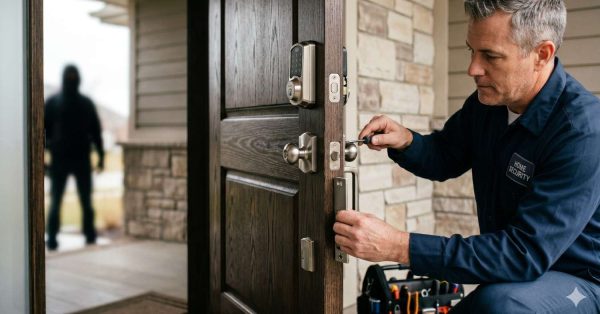
Replace or rekey every exterior lock on your first day, including front door, back door, garage entry, and any side gates with keyed locks. You have no way of knowing how many key copies exist from previous occupants. Rekeying or replacing locks is a job best handled by a professional — our locksmith services cover full lock replacement, rekeying, and smart lock installation so every entry point is secured before you settle in.
Test Smoke Detectors and Carbon Monoxide Alarms
Press the test button on every detector in the home. Replace batteries in all units regardless of age. The U.S. Fire Administration recommends replacing smoke alarms every 10 years and testing them monthly. If any unit is missing, install one immediately — every bedroom, hallway, and floor level needs coverage.
Locate Your Main Utility Shutoffs
Find and label your main water shutoff, gas shutoff, and electrical panel before an emergency forces you to search for them. Walk through the home with a marker and label each shutoff clearly. Knowing these locations can prevent thousands of dollars in damage if a pipe bursts or an appliance fails.
Week 1–2: Essential Systems Check
Your home’s core systems — HVAC, plumbing, and electrical — need professional evaluation in the first two weeks. Problems in these systems are often invisible until they cause significant damage or failure.
Schedule an HVAC Inspection and Filter Replacement
Replace the air filter immediately and schedule a professional inspection of your heating and cooling system. A professional tune-up during your first two weeks catches problems before they become expensive repairs — our HVAC inspection services include filter replacement, system diagnostics, and airflow testing to keep your home comfortable year-round.
Inspect Plumbing for Leaks and Water Pressure Issues
Run every faucet, flush every toilet, and check under every sink for signs of moisture, corrosion, or slow drainage. Low water pressure can indicate a partially closed shutoff valve or a deeper supply line issue. Slow drains, low water pressure, and hidden leaks are common in homes that have sat vacant — our plumbing leak inspection identifies issues at the source before they cause water damage or mold.
Check the Electrical Panel and Outlets
Open your electrical panel and look for signs of corrosion, burn marks, or breakers that appear tripped or damaged. Test every outlet using a simple outlet tester available at any hardware store. If your panel shows signs of age, corrosion, or outdated wiring, a licensed electrician should evaluate it immediately — our electrical panel check covers breaker testing, outlet safety, and full panel assessment.
Week 2: Exterior and Structural Assessment
Once your interior systems are checked, move outside. The exterior of your home protects everything inside it, and problems here often go unnoticed until water, pests, or structural damage has already begun.
Inspect the Roof and Gutters
Walk the perimeter of your home and look up at the roofline for missing shingles, sagging sections, or visible damage. Clear gutters of debris and check that downspouts direct water away from the foundation. Even a recently sold home can have hidden roofing issues — our roof inspection services identify damaged shingles, flashing failures, and gutter problems that could lead to leaks or structural damage if left unaddressed.
Evaluate Windows, Doors, and Weatherstripping
Open and close every window and door in the home. Check for drafts, sticking frames, broken locks, and damaged weatherstripping. Drafty windows and misaligned doors drive up energy costs and compromise security — our window and door assessment covers weatherstripping, seals, frame condition, and hardware function across every opening in your home.
Walk the Yard and Check Drainage
After rain, observe where water pools in your yard. Water that collects near the foundation is a serious risk for basement flooding and structural damage. Check that the ground slopes away from the house on all sides and that no tree roots are growing toward the foundation or utility lines.
Week 3: Interior Condition and Cleanliness
Before you fully unpack, take time to assess the interior condition of your home and address cleanliness and cosmetic issues that are far easier to handle before furniture fills every room.
Deep Clean Before Unpacking
Clean every surface, cabinet, appliance interior, and floor before moving your belongings in. Previous occupants leave behind allergens, bacteria, and residue that a standard cleaning does not remove. A thorough clean before unpacking removes allergens, residue, and buildup left by previous occupants — our deep cleaning services cover every room, surface, and fixture so your home is genuinely clean from day one.
Inspect Walls, Ceilings, and Floors
Look for cracks in drywall, water stains on ceilings, soft spots in flooring, and gaps between baseboards and walls. These are often signs of past water damage, settling, or deferred maintenance. Cracks in walls, water stains on ceilings, and damaged flooring are early warning signs that need professional evaluation — our drywall and flooring repairs address cosmetic and structural issues before they worsen.
Check Appliances and Test Every Function
Run every appliance through a full cycle — dishwasher, oven, refrigerator, washer, dryer, garbage disposal, and range hood. Testing every appliance in your first weeks reveals problems the previous owner may not have disclosed — our appliance inspection services cover all major units, from refrigerators and dishwashers to washers, dryers, and ovens.
Week 4: Maintenance Planning and Home Improvement
Your final week is about scheduling the services that protect your home going forward and building a clear picture of what repairs and improvements your property needs.
Schedule Pest Control and Dryer Vent Cleaning
Pest infestations and clogged dryer vents are two of the most common and preventable hazards in any home. Scheduling pest control and dryer vent cleaning in your first month eliminates hidden hazards before they become serious — our pest control and dryer vent services handle both in a single visit to save you time.
Plan Landscaping and Tree Care
Assess your yard for overgrown trees, dead branches, drainage problems, and lawn health. Trees with branches over your roof or near power lines need professional attention. Overgrown trees, poor drainage, and neglected lawn areas can damage your foundation and exterior over time — our landscaping and tree care services assess and address every outdoor maintenance need from the first month forward.
Identify Repair and Remodeling Priorities
By the end of week four, you should have a clear list of repairs, upgrades, and improvements your home needs. Rank them by urgency — safety issues first, then structural, then cosmetic. Once you have a clear picture of your home’s condition, a trusted handyman or remodeling team can prioritize and schedule every fix — our repair and remodeling planning services help new homeowners build a practical, budget-conscious improvement roadmap.
For a complete year-round approach beyond your first month, our home maintenance guide covers seasonal tasks, preventive care schedules, and service timelines to keep your property in top condition long after move-in.
Frequently Asked Questions
What is the most important thing to do in the first week of a new home?
Changing all locks and locating your main utility shutoffs are the two most critical tasks in your first week. These steps protect your family’s safety and give you control over your home’s systems from day one.
How soon should I schedule an HVAC inspection after moving in?
Schedule an HVAC inspection within the first two weeks of moving in. A new home’s heating and cooling system may have deferred maintenance or filter buildup that reduces efficiency and air quality immediately.
Do I need a pest inspection if the home passed a pre-sale inspection?
Yes. Pre-sale inspections are general assessments and may not catch early-stage infestations. A dedicated pest inspection in your first month identifies termites, rodents, and other pests before they cause structural damage.
How do I know if my electrical panel needs to be replaced?
Signs that your panel needs professional evaluation include breakers that trip frequently, burn marks or corrosion inside the panel, a panel older than 25 years, or a home with aluminum wiring. A licensed electrician should assess any of these conditions.
Should I deep clean a new home before or after moving furniture in?
Always deep clean before moving furniture in. Cleaning empty rooms is faster, more thorough, and allows you to treat floors, cabinets, and surfaces that would otherwise be inaccessible once your belongings are in place.
Conclusion
Your first 30 days set the foundation for everything that follows. Addressing security, systems, structure, and cleanliness in the right order protects your investment and prevents small issues from becoming costly repairs.
Mr. Local Services connects you with skilled professionals across every service category on this checklist — from locksmith and HVAC to cleaning, roofing, and beyond. Contact us today to schedule your first-month home services and start your new home the right way.