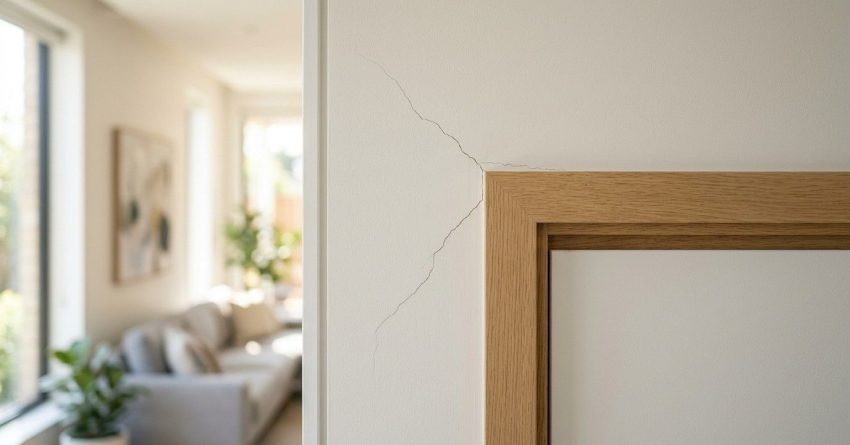
Settling cracks in new homes are one of the most common concerns new homeowners face, and in most cases, they are a normal part of how a newly built structure adjusts to its environment. As lumber dries, concrete cures, and soil compacts beneath the foundation, the home shifts slightly — and that movement often shows up as cracks in walls, ceilings, and around door frames. Understanding what you are looking at helps you respond appropriately rather than panic or ignore something that genuinely needs attention.
Knowing the difference between a harmless hairline crack and a warning sign of structural movement can save you thousands of dollars in delayed repairs.
This guide covers the main types of settling cracks, what each one means, how to repair minor damage yourself, and when to bring in a professional to protect your home’s long-term value.
Why New Homes Develop Cracks
New construction homes are built from materials that continue to change after the build is complete. Lumber contains moisture that evaporates over the first one to two years, causing framing members to shrink slightly. Concrete foundations and slabs cure and contract. The soil beneath the home compacts under the weight of the structure, especially during the first wet and dry seasonal cycle.
All of this movement is normal. It is called settlement, and virtually every new home goes through it. The cracks that appear as a result are typically cosmetic — surface-level separations in drywall, plaster, or paint that reflect the movement happening behind the wall rather than damage to the structure itself.
Settlement movement puts stress on interior walls and ceilings — our drywall repair services cover everything from hairline crack patching to full panel replacement for homes at any stage of settlement.
Settlement vs. Structural Movement
Settlement refers to the gradual, expected adjustment of a home as its materials stabilize and the ground beneath it compacts. Structural movement is different — it involves shifts in the load-bearing elements of the home, including the foundation, beams, and framing, and it can compromise the safety and integrity of the building.
Most cracks in new homes are settlement cracks. Structural movement produces cracks with specific characteristics: they are wider, longer, appear in patterns, or are accompanied by other symptoms like sticking doors, sloping floors, or gaps between walls and ceilings.
How Long Does Initial Settlement Last?
Most new homes complete their primary settlement within the first one to two years after construction. The most visible cracking typically appears in the first six to twelve months as lumber dries and the foundation adjusts. After that initial period, movement slows significantly, and new cracks become less frequent unless an underlying issue is present.
Types of Settling Cracks and What They Mean
Not all cracks look the same, and the shape, location, and direction of a crack tells you a great deal about its cause and severity.
Hairline Cracks in Drywall and Plaster
Hairline cracks are the most common type of settling crack in new homes. They are thin, shallow, and typically appear at the corners of rooms, along ceiling joints, or where two sheets of drywall meet. These cracks are almost always cosmetic. They result from the slight movement of framing members behind the drywall and do not indicate any structural problem. They can be filled with lightweight spackling compound and repainted.
Diagonal Cracks Near Doors and Windows
Diagonal cracks that radiate from the corners of door frames and window openings are also common in new homes. These openings are natural stress points in the wall structure, and as the framing settles, the stress concentrates at the corners and produces diagonal cracking. In most cases, these cracks are cosmetic. However, if they are wider than a quarter inch, grow over time, or appear on both sides of the same opening, they may indicate uneven settlement that warrants a closer look.
Cracks in Concrete Foundations and Slabs
Concrete naturally shrinks as it cures, and hairline cracks in poured concrete foundations and slabs are expected. These are called shrinkage cracks and are generally not a structural concern. The cracks to watch are horizontal cracks in basement or crawl space walls, which can indicate lateral soil pressure, and stair-step cracks in block foundations, which may signal differential settlement.
Foundation cracks that allow moisture intrusion can escalate quickly into a larger problem — if you notice dampness alongside cracking, our water damage repair team can assess and address both issues before they compound.
When a Settling Crack Is a Warning Sign
Most settling cracks are harmless, but some patterns indicate that something more serious is happening. Knowing the red flags helps you act before a manageable issue becomes a costly repair.
Red Flags That Require Professional Inspection
Contact a professional if you observe any of the following:
- Cracks wider than a quarter inch or that are growing over time
- Horizontal cracks in foundation walls
- Cracks accompanied by bowing or bulging walls
- Doors and windows that suddenly stick, jam, or no longer close properly
- Floors that feel uneven, springy, or slope noticeably in one direction
- Gaps appearing between the wall and ceiling or between the wall and floor
- Multiple cracks appearing in the same area within a short period
Any one of these signs on its own may not be cause for alarm, but two or more together — especially in a home less than two years old — should be evaluated by a qualified professional. For cracks that fall outside clear DIY territory, a professional assessment makes all the difference — our handyman inspection services help homeowners identify whether a crack is cosmetic or a sign of something that needs immediate attention.
How to Repair Settling Cracks in New Homes
The right repair approach depends on the size, location, and cause of the crack. Minor cosmetic cracks are straightforward to fix. Larger or recurring cracks require professional attention.
DIY Repairs for Minor Hairline Cracks
For hairline cracks in drywall or plaster, the repair process is simple and requires minimal tools:
- Clean the crack with a dry brush to remove loose debris.
- Apply a thin layer of lightweight spackling compound or joint compound using a putty knife.
- Allow it to dry completely — typically 24 hours.
- Sand the area smooth with fine-grit sandpaper.
- Prime and repaint to match the surrounding surface.
For slightly wider cracks, apply mesh drywall tape over the crack before applying the compound. This reinforces the repair and reduces the chance of the crack reappearing in the same spot.
When to Call a Professional
Repairs that involve multiple cracks, recurring patterns, or damage near load-bearing walls are best handled by a specialist — our ceiling and drywall repair professionals bring the tools and expertise to restore your walls cleanly and correctly. You should also call a professional if a crack reappears shortly after you repair it, as this indicates ongoing movement that needs to be addressed at the source rather than at the surface.
Preventing Future Cracks After Settlement
Once your home has completed its initial settlement period, there are practical steps you can take to minimize the risk of new cracks forming.
Maintain consistent indoor humidity levels. Extreme fluctuations in humidity cause wood framing to expand and contract repeatedly, which stresses drywall joints and finishes. A whole-home humidifier or dehumidifier can help keep levels stable between 35 and 50 percent year-round.
Ensure proper drainage around the foundation. Water that pools near the base of the home softens the soil and can cause uneven settlement over time. Keep gutters clean, extend downspouts at least six feet from the foundation, and grade the soil so it slopes away from the house.
Address minor cracks promptly. Small cracks that are repaired early are less likely to grow. Leaving them unaddressed allows moisture to enter, which can accelerate deterioration of the surrounding material.
If settlement has caused visible damage across multiple areas of your home, a broader restoration plan may be the most cost-effective path — our home remodeling services can address cosmetic and structural concerns together as part of a single coordinated project.
Related Services That Support Structural Health
Settling homes often affect more than just walls and ceilings. Door frames, trim, and built-in woodwork can warp or pull away from walls as the structure adjusts — our carpentry repair services restore warped frames and misaligned trim caused by foundation movement. Uneven settlement can also cause floors to buckle, gap, or separate at the seams — our flooring repair and replacement team handles everything from minor fixes to full floor restoration after structural movement.
If you are seeing signs of settlement across multiple systems in your home, a coordinated inspection helps you understand the full picture and prioritize repairs effectively.
Conclusion
Settling cracks in new homes are a normal part of the construction process, driven by lumber drying, concrete curing, and soil compaction beneath the foundation. Most cracks are cosmetic and easy to repair with basic materials.
Recognizing the difference between harmless hairline cracks and warning signs of structural movement protects your investment and prevents small issues from becoming expensive problems over time.
At Mr. Local Services, our team of skilled professionals is ready to assess, repair, and restore your home — from drywall patching to full structural evaluations — so you can feel confident your new home is safe, sound, and well-maintained.
Frequently Asked Questions
Are settling cracks in new homes normal?
Yes, settling cracks are a normal and expected part of new home construction. As lumber dries, concrete cures, and soil compacts, the structure shifts slightly, producing hairline cracks in drywall, plaster, and around door frames. Most are cosmetic and require only minor repairs.
How long does a new home take to settle?
Most new homes complete their primary settlement within one to two years after construction. The most noticeable cracking typically occurs in the first six to twelve months. After that period, movement slows significantly unless an underlying issue is present.
What is the difference between settling and structural cracks?
Settling cracks are thin, shallow, and cosmetic — they reflect normal material movement and do not affect the home’s structural integrity. Structural cracks are wider, may grow over time, and are often accompanied by sticking doors, uneven floors, or bowing walls, indicating a problem with load-bearing elements.
Can I repair settling cracks myself?
Minor hairline cracks in drywall or plaster can be repaired with spackling compound, a putty knife, and paint. Wider cracks, recurring cracks, or cracks near load-bearing walls should be evaluated and repaired by a professional to ensure the underlying cause is addressed.
When should I be worried about cracks in my new home?
You should contact a professional if cracks are wider than a quarter inch, growing over time, horizontal in foundation walls, or accompanied by sticking doors, sloping floors, or gaps between walls and ceilings. Multiple warning signs appearing together in a new home warrant prompt inspection.