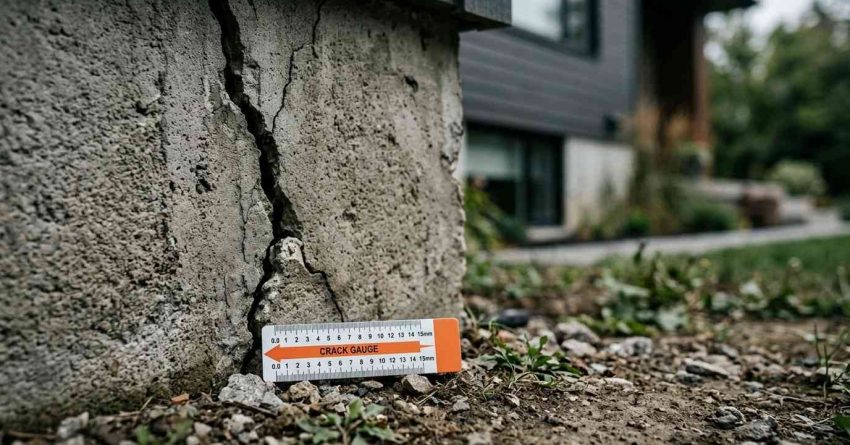
Foundation inspection red flags are specific warning signs — visible cracks, sticking doors, sloping floors, and moisture intrusion — that indicate your home’s structural base may be shifting, settling, or failing. Catching these signs early is the difference between a manageable repair and a costly structural overhaul. Knowing what to look for gives homeowners and property managers a critical advantage before problems escalate.
Foundation issues rarely announce themselves all at once. They develop gradually, leaving behind a trail of clues that most people overlook until the damage is severe.
This guide covers the most common red flags inside and outside your home, explains what causes them, and helps you decide when to call a qualified inspector.
What Is a Foundation Inspection?
A foundation inspection is a professional evaluation of a home’s structural base — including the slab, walls, footings, piers, and surrounding soil conditions. A qualified inspector examines both visible and accessible areas of the foundation to identify signs of movement, deterioration, or failure.
What Does a Foundation Inspector Look For?
Inspectors assess crack patterns, wall alignment, floor levelness, moisture presence, drainage conditions, and the integrity of the foundation material itself. They distinguish between cosmetic surface issues and structural defects that require immediate intervention. The inspection typically includes both interior and exterior evaluation, and may involve moisture meters, levels, and in some cases, soil probes.
Understanding what inspectors look for is only the first step — if an inspection uncovers structural concerns, our foundation repair services cover the full range of solutions needed to stabilize and restore your home’s base.
The Most Common Foundation Inspection Red Flags
These are the warning signs that appear most frequently during professional evaluations. Each one can point to a specific type of foundation problem, and none should be dismissed as purely cosmetic.
Cracks in Walls, Floors, and Ceilings
Cracks are the most visible and widely recognized foundation red flag. However, not all cracks carry the same risk. Hairline cracks in drywall from normal settling are common in newer homes. The cracks that demand attention are those that are diagonal, stair-step shaped along masonry joints, wider than 1/4 inch, or growing over time.
Horizontal cracks in basement walls are among the most serious — they often indicate lateral soil pressure pushing against the foundation. Vertical cracks that are wider at the top than the bottom suggest differential settlement, where one section of the foundation is sinking faster than another. Cracks that run through the floor slab, especially those accompanied by heaving or displacement, signal significant movement beneath the structure.
Foundation crack types vary widely in cause and severity — a dedicated resource on types of foundation cracks can help you identify exactly what each pattern means before your inspection appointment.
Doors and Windows That Stick or Won’t Close
When a foundation shifts, the structural frame above it shifts too. Door frames and window frames that were once perfectly square become racked — slightly parallelogram-shaped — causing doors to stick, drag, or fail to latch. Windows may become difficult to open or may no longer sit flush in their frames.
This symptom is particularly telling when it appears suddenly or worsens over a short period. A single sticking door in an older home may be humidity-related. Multiple sticking doors and windows throughout the house, especially on the same side of the structure, point strongly to foundation movement.
Uneven or Sloping Floors
Floors that slope, bounce, or feel soft underfoot are a reliable indicator of foundation or subfloor problems. In slab-on-grade homes, floor unevenness often results from soil settlement beneath the slab. In pier-and-beam homes, it may indicate deteriorating piers, rotted beams, or shifting support posts.
A slope of more than one inch per eight feet is generally considered a threshold that warrants professional evaluation. Homeowners can perform a basic check using a marble or a long level, but a professional assessment is needed to determine the cause and severity.
Gaps Around Window Frames and Door Frames
Visible gaps between frames and the surrounding wall surface indicate that the structure has moved enough to separate previously tight joints. These gaps may appear at the top corners of door frames, along the sides of window casings, or where walls meet ceilings. They are often accompanied by the sticking issues described above and should be evaluated together as a pattern rather than in isolation.
Water Intrusion and Moisture in the Basement or Crawl Space
Standing water, efflorescence (white mineral deposits on concrete), damp walls, musty odors, and visible mold in a basement or crawl space are all signs that water is penetrating the foundation envelope. Moisture is both a symptom and a cause — it can indicate that the foundation is already cracked or porous, and it accelerates further deterioration by weakening concrete and promoting soil movement.
Moisture intrusion is one of the most destructive forces a foundation faces, and our water damage services address the full scope of remediation, drying, and structural protection needed after water has compromised your property.
Exterior Foundation Red Flags to Watch For
The outside of your home provides equally important diagnostic information. Walking the perimeter of your property and examining the foundation wall directly can reveal problems that are not yet visible indoors.
Visible Cracks in the Foundation Wall
Exterior foundation cracks follow the same classification logic as interior cracks — width, direction, and pattern all matter. Stair-step cracks along mortar joints in block or brick foundations are a common sign of settlement. Large horizontal cracks in poured concrete walls indicate serious lateral pressure from the surrounding soil. Any crack that allows daylight to pass through, or that shows evidence of water staining, requires immediate professional evaluation.
Bowing or Leaning Foundation Walls
A foundation wall that curves inward, leans, or shows a visible bulge is under active lateral pressure from soil, hydrostatic pressure, or both. This condition is most common in basement walls and is one of the most urgent red flags an inspector can identify. Bowing walls that are left unaddressed will eventually fail, and the repair options become significantly more invasive and expensive the longer the movement continues.
What Causes Foundation Problems?
Understanding the root causes of foundation failure helps homeowners take preventive action and gives context to the red flags they observe.
Soil Movement and Settlement
All foundations rest on soil, and soil behavior drives most foundation problems. Expansive clay soils shrink during dry periods and swell when wet, creating cyclical pressure against foundation walls and footings. Sandy or loose soils may compress unevenly under load, causing differential settlement. Tree roots can extract moisture from soil near the foundation, accelerating shrinkage and creating voids beneath the slab.
Soil settlement and expansive soil conditions are complex topics — a dedicated guide on soil settlement and foundation movement explains the mechanics in dtail and outlines prevention strategies for different soil types.
Poor Drainage and Water Damage
Water is the most common and most preventable cause of foundation damage. When rainwater or irrigation runoff pools near the foundation rather than draining away from the structure, it saturates the surrounding soil. Saturated soil loses its load-bearing capacity, and hydrostatic pressure builds against foundation walls. Gutters that discharge too close to the house, negative grading that slopes toward the structure, and blocked downspouts all contribute to this problem.
Correcting the grade and drainage around your home is one of the most effective ways to prevent future foundation movement, and our landscape drainage solutions help redirect water away from the structure before it causes lasting damage.
When Should You Schedule a Foundation Inspection?
A foundation inspection is warranted any time you observe one or more of the red flags described above. Beyond reactive scheduling, there are specific situations where a proactive inspection is strongly recommended.
Schedule a foundation inspection before purchasing any home, particularly older properties or those in areas with known expansive soil conditions. Inspect after any significant weather event — extended drought, heavy flooding, or an earthquake — that may have stressed the soil around your home. Inspect if you are planning a major addition or renovation that will add load to the existing structure. Annual inspections are advisable for homes with a history of foundation movement or repair.
For minor concerns that surface between formal inspections, our handyman inspection support team can assess small cracks, sticking doors, and early warning signs before they develop into larger structural issues.
What Happens After a Foundation Inspection?
Understanding Your Inspection Report
A professional foundation inspection produces a written report that documents all observed conditions, classifies their severity, and recommends a course of action. Reports typically distinguish between conditions that require immediate structural repair, conditions that should be monitored over time, and cosmetic issues that pose no structural risk.
If the report identifies structural problems, the next step is obtaining repair estimates from qualified contractors. Repair methods vary widely depending on the cause and severity of the problem — options include underpinning with helical or push piers, wall anchors or carbon fiber straps for bowing walls, mudjacking or polyurethane foam injection for slab settlement, and drainage correction for water-related causes.
Foundation movement frequently causes interior damage that extends well beyond the slab — our drywall repair services restore cracked walls and ceilings once the underlying structural issue has been corrected. When foundation shifts cause windows to bind or gap, our window realignment services bring frames back into proper alignment after the structural repair is complete.
Understanding the full cost of foundation repair is essential for budgeting and prioritizing work — a detailed breakdown of foundation repair costs helps homeowners set realistic expectations before committing to a contractor.
How to Choose a Qualified Foundation Inspector
Not all inspectors have the same qualifications or scope of practice. A general home inspector may note foundation concerns but is not always equipped to provide a structural diagnosis. For a thorough foundation evaluation, look for a structural engineer or a foundation specialist with verifiable credentials and experience in your region’s soil conditions.
Verify that the inspector carries professional liability insurance and provides a written report. Be cautious of inspectors who are also contractors offering to perform the repairs they recommend — this creates a conflict of interest. Seek at least two independent opinions for any repair recommendation that involves significant cost.
Choosing the right inspector is part of a broader commitment to property health — our home inspection services connect homeowners and property managers with qualified professionals across every major inspection category.
Conclusion
Foundation inspection red flags — from diagonal wall cracks and sticking doors to bowing walls and basement moisture — are your home’s early warning system for structural problems that worsen without intervention. Recognizing these signs and understanding their causes puts you in a position to act before minor issues become major repairs. At Mr. Local Services, we connect homeowners and property managers with qualified professionals who can assess, diagnose, and resolve foundation concerns with the expertise and transparency your property deserves.
Frequently Asked Questions
How much does a foundation inspection cost?
A professional foundation inspection typically costs between $300 and $700, depending on the size of the home, the inspector’s credentials, and the region. Structural engineers generally charge more than general inspectors but provide a more detailed diagnostic assessment.
Can I do my own foundation inspection?
Homeowners can perform a basic visual check for cracks, sticking doors, and sloping floors, but a professional inspection is necessary to accurately diagnose the cause and severity of any issues. DIY checks are useful for identifying when to call a professional, not for replacing one.
How long does a foundation inspection take?
Most foundation inspections take between one and three hours, depending on the size of the property, the accessibility of the crawl space or basement, and the number of concerns that require closer examination. A written report is typically delivered within 24 to 48 hours.
Are foundation cracks always serious?
Not all foundation cracks indicate structural failure. Hairline cracks from normal curing and settling are common and generally harmless. Cracks that are wide, horizontal, diagonal, growing, or accompanied by other symptoms such as sticking doors or sloping floors require professional evaluation.
Does homeowners insurance cover foundation damage?
Most standard homeowners insurance policies do not cover foundation damage caused by soil movement, settlement, or poor drainage, as these are considered maintenance issues. Coverage may apply if the damage results from a sudden, covered event such as a burst pipe or certain natural disasters. Review your policy carefully and consult your insurer.
How often should a foundation be inspected?
Homes with no history of foundation issues benefit from an inspection every three to five years. Homes in areas with expansive soils, a history of foundation movement, or recent significant weather events should be inspected annually or after any triggering event.
What is the difference between a home inspection and a foundation inspection?
A general home inspection covers all major systems of a property — roof, plumbing, electrical, HVAC, and structure — at a surface level. A foundation inspection is a specialized evaluation focused exclusively on the structural base, conducted by a structural engineer or foundation specialist with the tools and expertise to diagnose specific conditions.