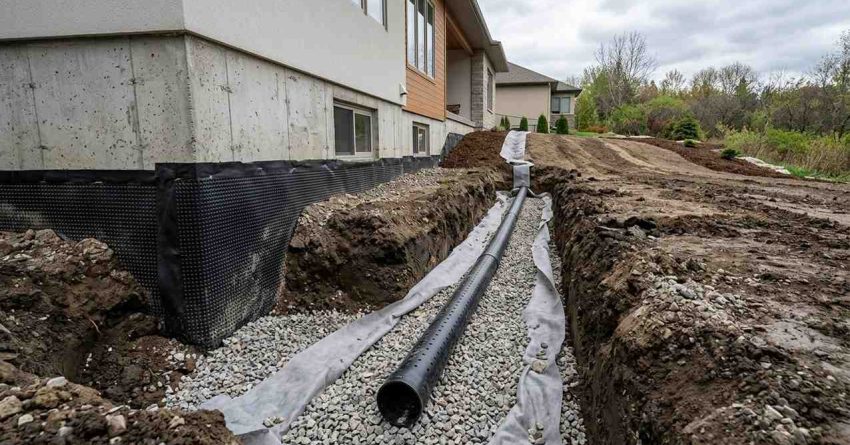
Foundation drainage systems are the network of pipes, channels, membranes, and pumps designed to collect and redirect groundwater and surface water away from your home’s foundation. Without a properly functioning drainage system, water pressure builds against foundation walls, leading to cracks, moisture intrusion, basement flooding, and long-term structural damage that costs far more to repair than to prevent.
Water management around your foundation is one of the most critical — and most overlooked — aspects of property maintenance for homeowners and landlords alike.
This guide explains how foundation drainage systems work, the main types available, warning signs of failure, and what installation and maintenance involve so you can protect your property with confidence.
What Are Foundation Drainage Systems?
A foundation drainage system is a water management solution that intercepts groundwater, surface runoff, and hydrostatic pressure before they can penetrate or destabilize your home’s foundation. These systems work by creating a controlled path for water to travel — away from the structure and toward a safe discharge point such as a storm drain, dry well, or municipal system.
Every foundation drainage system shares three core functions: collection, conveyance, and discharge. Collection components gather water at or below grade. Conveyance components — typically perforated pipes surrounded by gravel — move water along a defined path. Discharge components release water safely away from the structure.
How Foundation Drainage Works
Water follows the path of least resistance. When soil around a foundation becomes saturated, hydrostatic pressure pushes water toward the foundation wall. A drainage system intercepts this water before pressure builds. Perforated drain pipes, often wrapped in filter fabric to prevent clogging, sit in gravel-filled trenches at or below the footing level. Water enters the pipe, travels by gravity or pump to a discharge point, and the pressure against the foundation wall is relieved.
Why Proper Drainage Matters for Your Foundation
Hydrostatic pressure is the leading cause of foundation wall failure in residential properties. When water has nowhere to go, it finds the weakest point — a hairline crack, a mortar joint, or a porous concrete block — and forces its way through. Over time, repeated cycles of saturation and drying cause soil to expand and contract, shifting the foundation and creating settlement cracks. A properly designed drainage system eliminates the source of that pressure before damage begins.
Foundation drainage is one of the most effective defenses against structural water damage — our water damage services cover the full range of assessment, remediation, and prevention solutions homeowners need when moisture threatens their property.
Types of Foundation Drainage Systems
Not every property needs the same drainage solution. The right system depends on your soil type, water table depth, foundation construction, and the severity of existing drainage problems. Understanding the main categories helps you have a more informed conversation with a drainage professional.
French Drains
A French drain is a trench filled with gravel and a perforated pipe that redirects groundwater and surface water away from a specific area. Installed along the perimeter of a foundation or across a yard, French drains are one of the most widely used exterior drainage solutions for residential properties. They work best in areas with moderate groundwater infiltration and well-draining soil. If your property has a persistent wet spot, soggy lawn, or water pooling near the foundation after rain, a French drain is often the first solution a drainage contractor will recommend.
For a dedicated look at this system, our French drain installation covers the full process, costs, and what homeowners should expect.
Interior Drainage Systems
Interior drainage systems are installed inside the basement or crawl space, typically along the perimeter of the floor where the wall meets the slab. A channel is cut into the concrete, a perforated pipe is laid, and the concrete is patched over the top. Water that seeps through the foundation wall or up through the floor is captured by the channel and directed to a sump pit. Interior systems do not stop water from entering the wall — they manage it after entry and prevent it from spreading across the floor.
Exterior Waterproofing Drainage
Exterior drainage systems address the problem at its source by waterproofing the outside of the foundation wall and installing drainage board or dimple mat to channel water downward to a footing drain. This approach requires excavating around the foundation perimeter, which makes it more invasive and costly than interior solutions — but it provides the most comprehensive protection by keeping water away from the wall entirely. Exterior systems are most appropriate for new construction or properties with severe, chronic water intrusion that interior systems cannot adequately manage.
Sump Pump Systems
A sump pump is the discharge mechanism for most interior drainage systems. Water collected by interior drain channels flows into a sump pit — a basin dug into the lowest point of the basement floor — where a pump activates automatically when water reaches a set level and ejects it through a discharge pipe to the exterior. Sump pumps are available in submersible and pedestal configurations, and battery backup units are strongly recommended to maintain protection during power outages, which often coincide with heavy storms.
Sump pump systems and interior drainage lines connect directly to your home’s plumbing infrastructure, which is why our plumbing services team is often involved in drainage installations that require proper pipe routing and discharge management.
Signs Your Foundation Drainage System Is Failing
Foundation drainage problems rarely announce themselves dramatically. More often, they develop gradually through a series of warning signs that homeowners mistake for cosmetic issues or minor inconveniences. Recognizing these signals early is the difference between a manageable repair and a major structural remediation project.
Water Intrusion and Basement Flooding
The most obvious sign of drainage failure is water in the basement or crawl space. This can appear as standing water after heavy rain, damp spots on the floor or lower walls, white mineral deposits (efflorescence) on concrete block walls, or a persistent musty odor caused by mold and mildew growth in chronically damp conditions. If your sump pump is running continuously or cycling on and off frequently during dry weather, the system is working harder than it should — a sign that the drainage capacity is being overwhelmed or that groundwater levels have risen.
Structural Warning Signs
Drainage failure puts mechanical stress on the foundation itself. Horizontal cracks in basement walls — particularly in block foundations — indicate lateral pressure from saturated soil pushing inward. Stair-step cracks in brick or block walls follow mortar joints and signal differential settlement caused by soil movement. Bowing or leaning walls are a serious structural concern requiring immediate professional evaluation. Interior signs such as doors and windows that stick, floors that slope, or drywall cracks above door frames can also indicate foundation movement driven by drainage problems.
When drainage failure leads to active flooding or moisture intrusion, the damage can spread quickly — learn how our team addresses foundation water damage before it compromises walls, flooring, and structural framing.
Foundation Drainage Installation: What to Expect
Understanding the installation process helps homeowners set realistic expectations around timeline, disruption, and cost — and makes it easier to evaluate contractor proposals accurately.
Site Assessment and Planning
Every drainage installation begins with a site assessment. A qualified contractor will evaluate the grade and slope of the property, identify where water is entering or pooling, assess the soil type and drainage characteristics, inspect the existing foundation for cracks or damage, and determine the water table depth if relevant. This assessment drives the system design — including the type of drainage solution recommended, the pipe size and layout, the discharge location, and whether a sump pump is needed.
Exterior drainage systems often require grading and yard reshaping to redirect surface water away from the foundation — our landscape drainage solutions explains how grading, swales, and surface drainage work alongside foundation systems.
Installation Timeline and Process
Interior drainage system installation typically takes one to three days for an average basement. The process involves cutting a channel around the perimeter of the basement floor, excavating to the footing level, laying perforated pipe in gravel, installing a sump pit, patching the concrete, and connecting the discharge line. Exterior installation is more involved — excavation around the full foundation perimeter can take several days, and the site will require landscaping restoration after backfilling. Homeowners should expect some disruption to the basement or yard during installation, and contractors should provide a clear timeline and scope of work in writing before work begins.
Foundation Drainage Maintenance and Repair
A drainage system is not a set-and-forget installation. Like any mechanical and structural system in your home, it requires periodic inspection and maintenance to perform reliably over its service life.
Routine Maintenance Tasks
Annual inspection of your drainage system should include checking the sump pump operation by pouring water into the pit to confirm the float activates and the pump discharges properly. Inspect the discharge line exterior termination to confirm it is clear of debris, ice, or vegetation. Check interior drain channel covers for sediment buildup. Inspect the sump pit for debris accumulation. Test the battery backup unit if one is installed. For exterior systems, inspect the grade around the foundation to confirm soil has not settled toward the house, and check that downspout extensions are directing roof runoff at least six feet from the foundation.
Routine drainage maintenance tasks such as clearing drain covers, inspecting discharge lines, and checking sump pump operation can often be handled through our handyman repair services, keeping your system functional between professional inspections.
When to Call a Professional
Call a drainage professional when you notice any of the warning signs described earlier — water intrusion, efflorescence, wall cracks, or a sump pump that runs continuously. Also contact a professional if your sump pump is more than ten years old, if the discharge line freezes repeatedly in winter, or if you are purchasing a property and want a drainage system evaluation as part of your due diligence. Attempting to repair perforated pipe, regrade around a foundation, or relocate a sump pit without professional guidance can create new drainage problems while failing to resolve the original issue.
How Foundation Drainage Protects Property Value
A functioning foundation drainage system is not just a maintenance expense — it is a direct investment in the long-term value and marketability of your property. Buyers and their inspectors look closely at foundation condition and drainage during the purchase process. A history of water intrusion, even if remediated, can affect sale price and financing eligibility. Properties with documented, professionally installed drainage systems and clean inspection records command stronger buyer confidence.
Beyond resale value, a dry, stable foundation expands what you can do with your property. Finished basements, home offices, and additional living space all depend on a foundation that stays dry year-round. A properly drained foundation opens the door to basement finishing and structural improvements — explore our home remodeling services to see how a dry, stable foundation supports renovation projects that add lasting value to your property.
Conclusion
Foundation drainage systems protect the structural integrity, safety, and long-term value of residential and commercial properties by managing groundwater and surface water before they cause damage. Understanding the types of systems available, recognizing early warning signs, and maintaining your drainage system consistently are the most important steps any property owner can take.
Whether you are dealing with an active drainage problem or planning ahead for a property you manage, the right drainage solution depends on your specific site conditions and foundation type.
Mr. Local Services connects homeowners and property managers with experienced drainage professionals who assess your property, recommend the right system, and deliver quality installation and maintenance you can count on — contact us today to protect your foundation.
Frequently Asked Questions
What is the best drainage system for a foundation?
The best foundation drainage system depends on your property’s specific conditions. Interior drainage systems with sump pumps are the most common solution for existing homes with water intrusion, while exterior waterproofing drainage provides the most comprehensive protection for new construction or severe cases.
How much does foundation drainage installation cost?
Foundation drainage installation costs vary widely based on system type, property size, and site conditions. Interior drainage systems typically range from $3,000 to $10,000, while exterior waterproofing projects can range from $8,000 to $25,000 or more depending on excavation requirements and foundation perimeter length.
Can I install a foundation drainage system myself?
Most foundation drainage installations are not suitable for DIY completion. Proper system design requires site assessment, knowledge of local water table conditions, and experience with concrete cutting, pipe grading, and sump pit installation. Improper installation can worsen drainage problems and void any warranty on the system.
How often should foundation drainage be inspected?
Foundation drainage systems should be inspected at least once per year. Sump pump operation, discharge lines, drain channel covers, and the battery backup unit should all be checked annually, with additional checks recommended after major storms or extended periods of heavy rainfall.
What happens if foundation drainage fails?
When foundation drainage fails, hydrostatic pressure builds against the foundation wall, leading to water intrusion, basement flooding, mold growth, efflorescence, wall cracks, and in severe cases, structural wall failure. Early detection and repair significantly reduce the cost and scope of remediation.
Does homeowners insurance cover foundation drainage problems?
Standard homeowners insurance policies typically do not cover foundation drainage failure or gradual water intrusion. Sudden and accidental water damage may be covered depending on the cause, but flooding and groundwater issues generally require separate flood insurance. Review your policy and consult your insurer for specifics.
How long do foundation drainage systems last?
A properly installed interior drainage system with quality perforated pipe can last 20 to 30 years or more. Sump pumps typically have a service life of 7 to 10 years and should be tested annually and replaced proactively before failure. Exterior waterproofing membranes, when correctly installed, can last the life of the structure.