Smart home technology gives seniors the tools to live independently, safely, and comfortably in their own homes — without relying on constant caregiver support. For older adults who want to age-in-place, the right combination of devices can reduce fall risk, improve daily routines, and give family members peace of mind. According to the AARP Public Policy Institute, nearly 77% of adults over 50 want to remain in their current home as they age, making smart home planning a practical priority for millions of households across the USA.
Choosing the right technology matters because not every device suits every senior’s needs, home layout, or comfort level with technology.
This guide explains the most effective smart home devices for aging-in-place, how they work alongside physical home modifications, and what to consider when planning and installing a system.
What Is a Smart Home for Seniors Aging-in-Place?
A smart home for seniors aging-in-place is a residence equipped with connected devices, automated systems, and assistive technology designed to help older adults maintain independence, manage daily tasks, and stay safe without relocating to assisted living. The term “aging-in-place” refers to the ability to live in one’s own home safely and comfortably as physical and cognitive abilities change over time.
Smart home systems for seniors differ from standard smart home setups in one important way: the focus is on safety, accessibility, and ease of use rather than convenience or entertainment. Devices are selected and configured to reduce the risk of falls, support medication management, enable remote monitoring by caregivers, and simplify tasks that become more difficult with age.
Common components include voice-activated assistants, automated lighting, medical alert systems, smart locks, video doorbells, and environmental sensors that detect smoke, carbon monoxide, or unusual inactivity. These technologies work best when combined with physical home modifications that address mobility and accessibility directly.
Smart home technology is one part of a broader approach to senior independence — our safety and mobility services cover the full range of physical home modifications, assistive devices, and professional installations that help seniors live safely and comfortably at home.
Key Smart Home Technologies That Support Aging-in-Place
The most effective smart home setups for seniors combine several device categories, each addressing a different aspect of daily safety and independence. Understanding what each technology does — and when it is most useful — helps homeowners and family members make informed decisions before purchasing or installing anything.
Voice-Activated Assistants and Smart Speakers
Voice-activated assistants such as Amazon Echo and Google Nest allow seniors to control lights, thermostats, timers, and reminders using simple spoken commands. For seniors with limited mobility or arthritis, eliminating the need to physically operate switches and controls reduces both effort and fall risk.
These devices also support medication reminders, weather updates, and emergency calls — all without requiring the user to navigate a smartphone or tablet. Setup is straightforward, and most devices are designed for users with minimal technical experience.
Smart Lighting and Automated Controls
Automated lighting is one of the highest-impact upgrades for seniors aging-in-place. Motion-activated lights in hallways, bathrooms, and stairwells eliminate the need to locate and flip switches in the dark — a common factor in nighttime falls. Smart bulbs and switches can be programmed to turn on at specific times, respond to motion, or be controlled by voice.
Dimmer controls and color temperature adjustments also support seniors with vision changes, allowing lighting to be optimized for reading, task work, or relaxed evening routines without manual adjustment.
Medical Alert Systems and Wearable Devices
Medical alert systems — including wearable pendants, smartwatches, and in-home sensors — provide immediate access to emergency assistance when a senior falls or experiences a medical event. Modern systems go beyond the traditional “I’ve fallen and I can’t get up” pendant: many now include automatic fall detection, GPS tracking for seniors who leave the home, and two-way communication with monitoring centers.
The National Institute on Aging identifies fall prevention and rapid emergency response as two of the most critical factors in supporting safe aging-in-place, making medical alert technology a foundational component of any senior smart home plan.
Safety and Mobility Upgrades That Work Alongside Smart Technology
Smart devices address many daily challenges, but they do not replace the need for physical home modifications that improve accessibility and reduce fall hazards. The most effective aging-in-place plans combine both approaches — technology for monitoring and automation, and structural upgrades for physical safety.
Grab Bars, Stair Lifts, and Accessible Bathroom Modifications
Bathrooms and stairways are the two highest-risk areas for senior falls in the home. Grab bars installed near toilets, showers, and bathtubs provide stable support during transfers and movement. Stair lifts eliminate the need to navigate stairs entirely for seniors with limited lower-body strength or balance issues. Walk-in showers, raised toilet seats, and non-slip flooring further reduce bathroom fall risk.
These modifications are permanent, professionally installed, and designed to meet the specific physical needs of the individual. They complement smart home technology by addressing the physical environment directly — something sensors and alerts cannot do on their own.
Many of these physical upgrades — including grab bar mounting, door widening, and ramp construction — are handled efficiently by skilled professionals, and our handyman installation services explains exactly what a qualified handyman can complete in a single visit.
Smart Locks, Video Doorbells, and Home Security Systems
Smart locks allow seniors to lock and unlock doors using a keypad, smartphone app, or voice command — eliminating the risk of being locked out or struggling with traditional keys. For seniors with arthritis or cognitive decline, keyless entry is a practical daily improvement.
Video doorbells let seniors see and speak with visitors without opening the door, reducing the risk of falls caused by rushing to answer the door and improving security by allowing visual verification before entry. Combined with a broader smart home security system, these devices give both seniors and their families greater confidence in home safety.
Physical modifications work hand-in-hand with smart devices to create a truly accessible home — explore our complete guide to home safety modifications to understand every upgrade available, from grab bar installation to stair lift fitting and beyond.
How Smart Home Devices Help Caregivers and Family Members
Smart home technology does not only benefit the senior living in the home — it also provides caregivers and family members with tools to monitor safety, respond to emergencies, and reduce the burden of in-person supervision.
Remote monitoring systems allow family members to check in on a senior’s activity patterns through smartphone apps, receiving alerts when unusual inactivity is detected — such as a senior who has not moved from their bedroom by a certain time of morning. Environmental sensors can notify caregivers if a stove has been left on, a door has been left open, or smoke or carbon monoxide is detected.
Two-way video systems and smart displays allow regular video calls without requiring the senior to navigate complex technology. Many devices are designed specifically for ease of use by older adults, with large displays, simplified interfaces, and voice-first operation.
Caregivers who want a broader view of how to protect an aging loved one at home will find our resource on senior home safety upgrades useful — it covers both technology-based and structural solutions that work together to reduce fall risk and improve daily independence.
Planning and Installing a Smart Home System for Seniors
Setting up a smart home for a senior requires more than purchasing devices. A thoughtful planning process ensures that the technology chosen matches the individual’s needs, the home’s layout, and the family’s ability to provide ongoing support.
Assessing the Home Before Installation
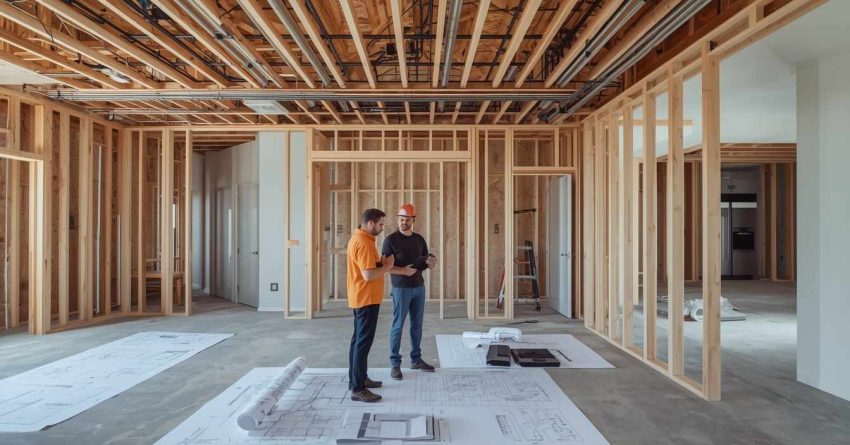
Before selecting any devices, a room-by-room assessment identifies the highest-risk areas and the daily tasks that are most challenging for the senior. Common assessment points include stairway and bathroom safety, lighting adequacy in hallways and sleeping areas, the senior’s comfort level with technology, existing internet connectivity, and whether the home’s electrical system can support new smart devices.
This assessment also identifies where physical modifications are needed alongside technology — for example, a bathroom that needs both a grab bar installation and a motion-activated nightlight, or a front door that needs both a smart lock and a wider doorframe for wheelchair access.
Choosing the Right Devices for Each Room
Device selection should be guided by the specific risks and needs identified during the assessment. Bedrooms typically benefit from motion-activated lighting and medical alert wearables. Bathrooms need grab bars, non-slip surfaces, and motion-sensor lights. Kitchens benefit from smart stove shut-off devices and voice-activated timers. Living areas are well-served by voice assistants, smart thermostats, and video calling displays.
Smart home devices that connect to your home’s wiring — including smart switches, hardwired sensors, and automated lighting systems — require professional setup, and our electrical installation services outlines what licensed electricians handle during a smart home retrofit.
Smart locks are among the most impactful security upgrades for seniors living alone, and our smart lock installation explains the full process — from device selection to professional fitting and programming.
Conclusion
Smart home technology and physical home modifications together create the safest, most practical environment for seniors who want to age-in-place with confidence. The right combination of devices reduces fall risk, supports daily independence, and gives caregivers the visibility they need to respond quickly when something changes.
Planning matters as much as the technology itself — a well-assessed home with the right devices installed correctly delivers far better outcomes than a collection of gadgets added without a clear strategy.
At Mr. Local Services, our team helps homeowners and families plan, install, and maintain the safety upgrades and smart home systems that make aging-in-place a realistic, long-term choice — contact us today to get started.
Frequently Asked Questions
What smart home devices are best for seniors living alone?
Medical alert systems with fall detection, voice-activated assistants, motion-activated lighting, and smart locks are the most impactful devices for seniors living alone. These address the highest-risk daily scenarios — falls, emergencies, and home security — without requiring complex technology skills.
How much does it cost to set up a smart home for aging-in-place?
Costs vary widely depending on the devices selected and whether professional installation is needed. Basic setups with a voice assistant, smart lighting, and a medical alert system can start around $300–$500, while comprehensive systems with security cameras, smart locks, and hardwired sensors can range from $1,500 to $5,000 or more including installation.
Can smart home technology help seniors with dementia?
Yes. Automated reminders for medications and appointments, stove shut-off devices, door sensors that alert caregivers when a senior leaves the home, and GPS-enabled wearables are all specifically useful for seniors with dementia or cognitive decline. These tools reduce caregiver burden and improve safety without requiring the senior to remember to use them.
Do smart home systems require a lot of technical knowledge to use?
Most modern smart home devices designed for seniors prioritize simplicity. Voice-activated controls, large-button interfaces, and pre-programmed routines mean that many systems require little to no daily interaction from the senior. Family members or installers typically handle the initial setup and configuration.
What is the difference between a medical alert system and a smart home system?
A medical alert system is a dedicated emergency response device — typically a wearable pendant or watch — that connects the user to a monitoring center when activated or when a fall is detected. A smart home system is a broader network of connected devices that automates and monitors multiple aspects of daily home life. Many aging-in-place plans include both.
How do smart home devices improve safety for elderly homeowners?
Smart home devices improve safety by automating high-risk tasks, providing immediate emergency response, reducing fall hazards through automated lighting, and giving caregivers real-time visibility into the senior’s activity and home environment. They address both the physical risks and the response time gaps that make living alone more dangerous for older adults.
Can existing homes be retrofitted with smart home technology for seniors?
Yes. Most smart home devices are designed for retrofit installation and do not require major structural changes. Wireless devices, battery-powered sensors, and plug-in smart outlets can be added to any home. Hardwired components such as smart switches and automated lighting may require a licensed electrician, but the majority of aging-in-place technology is compatible with existing home infrastructure.