Before any home service work begins, utility availability verification confirms that the electrical, plumbing, gas, and HVAC connections needed for the job are present, accessible, and safe to use. This single step prevents costly surprises, protects your property, and keeps projects on schedule from day one.
Skipping this process is one of the most common reasons home service projects stall, go over budget, or create safety hazards that were entirely avoidable.
This guide explains what utility availability verification covers, which utilities are checked, when it is required, and how the process works for both residential and commercial properties.
What Is Utility Availability Verification?
Utility availability verification is the process of confirming that all required utility services — electricity, water, gas, and HVAC connections — are present, functional, and accessible at a specific location before home service work begins. It is a pre-project assessment, not a repair or installation service.
The goal is straightforward: identify what is available, what is missing, and what needs to be addressed before a contractor or service technician arrives to do the primary work. This prevents mid-project shutdowns, unexpected costs, and safety risks caused by undiscovered utility conflicts.
Why It Matters Before Any Home Service Work Begins
Every home service project depends on at least one utility connection. An electrical upgrade requires confirmed panel capacity. A new appliance installation requires the correct voltage, water supply, or gas line. A remodel requires knowing exactly where existing lines run before walls are opened.
Without verification, technicians may arrive at a job site only to discover that the required utility is unavailable, undersized, or inaccessible. That discovery stops the project, triggers additional service calls, and adds cost and delay that could have been avoided entirely.
Utility availability verification is one of the foundational steps covered in our home services overview, which explains how each service category connects to safe, well-maintained property management.
Which Utilities Are Checked During Verification?
A complete utility availability verification covers every utility system that the planned work depends on. The specific utilities checked vary by project type, but most residential and commercial verifications include electrical, plumbing, and gas or HVAC systems.
Electrical Service Verification
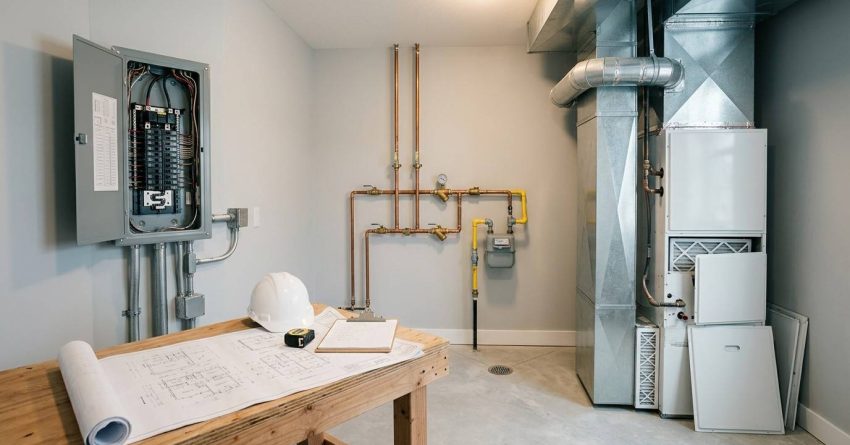
Electrical verification confirms that the property’s service panel has sufficient capacity for the planned work, that the correct circuit types are available at the installation location, and that existing wiring meets current safety standards. It also identifies whether a panel upgrade, new circuit, or dedicated outlet is needed before the primary work can proceed.
A licensed technician performing an electrical service inspection will confirm panel capacity, circuit availability, and load compatibility before any new installation or upgrade begins.
Plumbing and Water Line Verification
Plumbing verification confirms water supply line location and pressure, drain line capacity, shutoff valve accessibility, and pipe material and condition. This information is essential for any project involving water-connected appliances, bathroom or kitchen remodels, or new fixture installations.
Our plumbing system check covers water supply lines, drain capacity, and shutoff valve access — all critical data points confirmed during utility availability verification.
Gas Line and HVAC Utility Checks
Gas and HVAC verification confirms gas line pressure and capacity, existing duct routing and condition, thermostat and control system compatibility, and clearance requirements for new equipment. This step is required before any heating, cooling, or gas appliance installation.
Before scheduling any heating or cooling installation, an HVAC utility assessment confirms gas line pressure, duct routing availability, and existing system compatibility.
When Is Utility Availability Verification Required?
Utility availability verification is required any time a home service project depends on an existing utility connection or introduces a new one. Two situations make it especially critical.
Before Remodeling or Renovation Projects
Remodeling projects involve structural changes that can expose, relocate, or conflict with existing utility lines. Verification before demolition or construction begins identifies where electrical conduit, water supply lines, and gas pipes run inside walls, floors, and ceilings. This prevents accidental damage and ensures that the new layout is compatible with existing utility infrastructure.
Utility verification is a required first step in remodeling project planning, ensuring that structural changes do not conflict with existing electrical, plumbing, or gas infrastructure.
Before Installing New Appliances or Systems
New appliances and mechanical systems have specific utility requirements. A dishwasher needs a water supply line and drain connection. A dryer needs a 240-volt circuit or a gas line. A heat pump needs both electrical capacity and refrigerant line access. Verification confirms that the required connections exist and are correctly sized before the installation appointment is scheduled.
Understanding appliance installation requirements starts with confirming that the correct utility connections — voltage, water supply, and gas — are available at the installation location.
How the Utility Verification Process Works
The utility verification process follows a consistent three-step sequence regardless of property type or project scope. Each step builds on the previous one to produce a complete picture of utility availability before any work begins.
For smaller-scope utility checks that do not require a licensed specialist, our handyman service coordination team can assist with site documentation and access preparation ahead of the formal verification visit.
Step 1 — Site Assessment and Documentation
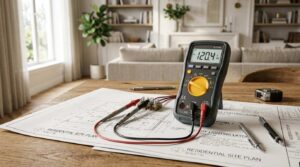
A technician visits the property and documents the current state of all relevant utility systems. This includes locating the main electrical panel, water shutoff valves, gas meter, and HVAC equipment. Existing service capacity, line conditions, and access points are recorded. Any visible deficiencies or safety concerns are noted at this stage.
Step 2 — Utility Locating and Confirmation
Using the site documentation, the technician confirms the exact routing of concealed utility lines — particularly in walls, floors, and ceilings where planned work will occur. This step may involve non-invasive detection tools to locate electrical conduit, water pipes, and gas lines without opening surfaces. Utility availability at the specific work location is confirmed or flagged as insufficient.
If underground utility lines are involved, a call to 811 — the national utility locating service — is required before any digging begins. This step is legally mandated in all US states and ensures that buried electrical, gas, water, and telecommunications lines are marked before excavation. You can learn more about the call-811 utility locating process and what to expect when scheduling a locate request.
Step 3 — Clearance and Service Scheduling
Once utility availability is confirmed, the technician provides a clearance summary identifying what is available, what requires upgrading, and what must be addressed before the primary service work can proceed. This summary is used to schedule the correct service appointments in the right sequence, preventing delays caused by incomplete utility preparation.
Utility Verification for Different Property Types
The scope and complexity of utility availability verification varies depending on whether the property is residential or commercial.
Residential Properties
For single-family homes and condominiums, utility verification is typically straightforward. Most residential properties have a single electrical panel, one main water shutoff, and one gas meter. The primary variables are service age, panel capacity, and whether previous renovations were permitted and inspected. Older homes — particularly those built before 1980 — are more likely to have undersized electrical service, galvanized water pipes, or outdated gas line fittings that require attention before new work can begin.
Commercial and Rental Properties
Commercial buildings and multi-unit rental properties have more complex utility infrastructure. Multiple panels, sub-meters, shared water risers, and zone-controlled HVAC systems require a more detailed verification process. Landlords and property managers overseeing these properties benefit from scheduled utility verification as part of routine maintenance planning, not just as a pre-project step.
Commercial and rental properties with aging utility infrastructure often benefit from a concurrent water damage risk assessment, since hidden pipe failures are among the most common issues uncovered during utility verification.
Common Issues Found During Utility Availability Checks
Utility availability verification regularly uncovers conditions that would have caused problems if discovered mid-project. The most common findings include undersized electrical panels that cannot support new appliance loads, corroded or undersized water supply lines with insufficient pressure, gas lines that lack the capacity or correct fittings for new equipment, and HVAC ductwork that is damaged, disconnected, or incorrectly sized for the planned system.
Concealed utility lines that were improperly installed during previous renovations are also a frequent discovery. These include electrical circuits without proper grounding, water lines with no accessible shutoff valves, and gas lines that do not meet current code requirements.
When utility verification requires opening walls or ceilings to inspect concealed lines, our drywall access and repair team restores affected surfaces to their original condition after the inspection is complete.
How Utility Verification Protects Property Value and Safety
Utility availability verification does more than prevent project delays. It protects the long-term safety and value of the property by identifying conditions that create fire, flood, or structural risk before they cause damage.
An undersized electrical panel running at or near capacity is a fire hazard. A corroded water supply line under pressure is a flood risk. A gas line with deteriorating fittings is a safety emergency waiting to happen. Verification catches these conditions in a controlled, planned context — when they can be addressed systematically rather than reactively after a failure occurs.
Properties with documented, verified utility systems are also easier to insure, easier to sell, and easier to maintain. Buyers, insurers, and tenants all benefit from knowing that the property’s utility infrastructure has been assessed and is in good working order.
Utility availability verification is one component of a full property maintenance plan — a comprehensive approach that keeps every system in your home or building operating safely and efficiently year-round.
Conclusion
Utility availability verification is the step that makes every other home service project possible. It confirms that the electrical, plumbing, gas, and HVAC connections required for the work are present, accessible, and safe — before a single tool is picked up.
For homeowners, landlords, and property managers, this process eliminates the most common causes of project delays, unexpected costs, and safety incidents. It turns reactive problem-solving into proactive property management.
When you are ready to schedule utility availability verification or any related home service, Mr. Local Services connects you with skilled professionals who assess, confirm, and prepare your property so every project starts right and finishes on time.
Frequently Asked Questions
What does utility availability verification check?
Utility availability verification checks whether electrical, plumbing, gas, and HVAC connections are present, accessible, and correctly sized at the location where home service work is planned. It identifies gaps or deficiencies before the primary project begins.
Is utility availability verification required for every home service project?
Not every project requires a formal verification, but any project that depends on an existing utility connection or introduces a new one benefits from it. Remodeling, appliance installation, HVAC replacement, and electrical upgrades are the most common triggers.
How long does utility availability verification take?
For a standard residential property, a utility availability verification typically takes one to three hours depending on property size, system complexity, and the number of utilities being checked. Commercial properties may require a half-day or full-day assessment.
Who performs utility availability verification?
Utility availability verification is performed by licensed technicians with expertise in the relevant utility systems. Electrical verification requires a licensed electrician, plumbing verification requires a licensed plumber, and gas or HVAC verification requires a certified HVAC technician.
What happens if a utility is found to be unavailable or insufficient?
If verification reveals that a required utility is unavailable or undersized, the technician provides a clearance summary outlining what needs to be upgraded or installed before the primary project can proceed. This allows the correct service appointments to be scheduled in the right sequence.
Can utility availability verification prevent property damage?
Yes. Verification regularly uncovers conditions — such as corroded pipes, undersized panels, and improperly installed gas lines — that would cause damage if left unaddressed. Identifying these issues before work begins prevents failures that could result in flooding, fire, or structural damage.
How much does utility availability verification cost?
The cost varies based on property size, the number of utility systems being checked, and the complexity of the infrastructure. Contacting a qualified home service provider for a site-specific assessment is the most reliable way to get an accurate cost estimate for your property.