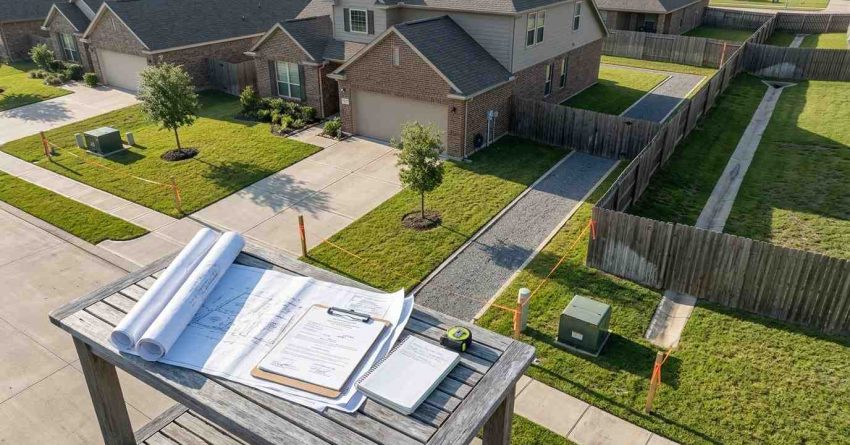
Easements are legal rights that allow someone other than the property owner to use a specific portion of land for a defined purpose — and knowing how to read and negotiate them can protect your property rights, prevent costly disputes, and keep improvement projects on track. Whether you are buying a home, managing a rental property, or planning a renovation, easements directly affect what you can build, plant, or modify on your own land.
Understanding easements matters now because overlooked easement language is one of the most common sources of property disputes in the United States. Misreading a deed or missing a recorded easement before closing can create serious legal and financial problems.
This guide explains what easements are, how to find and read them in property documents, what they mean for maintenance and improvements, and how to negotiate changes when needed.
What Is an Easement and Why Does It Matter for Your Property?
An easement is a legal right granted to a person, company, or government entity to use a portion of someone else’s property for a specific purpose. The property owner retains ownership of the land, but the easement holder has a legally protected right to access or use the designated area. Common examples include utility companies running power lines across a backyard, a neighbor using a shared driveway, or a municipality maintaining a drainage corridor along a property boundary.
Easements are binding. They transfer with the property when it is sold, meaning a new owner inherits all existing easements whether or not they were aware of them at the time of purchase. This is why identifying and understanding easements before closing on a property is essential for every buyer.
Easements are one of several legal concepts that shape how you can use your land — our guide to property ownership basics covers the full range of rights, restrictions, and responsibilities that come with owning residential or commercial property.

Common Types of Easements Found on Residential Properties
The most frequently encountered easements on residential properties fall into a few clear categories. Utility easements allow power, gas, water, and telecommunications companies to install and maintain infrastructure across private land. Access easements — sometimes called right-of-way easements — give a neighbor or the public the right to cross a property to reach another location. Drainage easements protect stormwater management corridors and restrict what can be built or planted in those zones.
Easements can be appurtenant, meaning they benefit an adjacent property and transfer automatically with both parcels, or they can be in gross, meaning they benefit a specific person or entity rather than a neighboring property. Utility easements are almost always in gross. Shared driveway easements are typically appurtenant.
For a deeper look at one of the most common and frequently misunderstood types, see our dedicated resource on utility easements explained , which covers how utility easements are established, what they restrict, and what homeowners can do when utility work disrupts their property.
How Easements Are Created and Recorded
Easements are created in several ways. Express easements are written agreements recorded in the public land records — these are the most straightforward to find and interpret. Implied easements arise from the circumstances of a property’s history, such as a long-standing access path that was never formally documented. Prescriptive easements form when someone uses another person’s land openly and continuously for a legally defined period without the owner’s permission, similar to adverse possession.
Once created, express easements are recorded with the county recorder or register of deeds and become part of the property’s chain of title. This means they appear in title searches and should be disclosed during any real estate transaction.
How to Read an Easement in a Property Deed or Title Report
Reading an easement requires locating the right documents and understanding the specific language used to define the easement’s scope, location, and limitations. The two primary sources are the property deed and the title report or commitment issued during a real estate transaction.
In a deed, easements typically appear in a section describing encumbrances or exceptions to clear title. The language will identify the type of easement, the parties involved, the specific area affected — often described by metes and bounds or reference to a recorded plat — and any conditions or restrictions attached to the easement holder’s use.
Understanding easement language is much easier once you know how a deed is structured — our resource on reading property deeds walks through every section of a standard deed and explains what each clause means for your ownership rights.
Key Language and Terms to Look for in Easement Documents
Several terms appear consistently in easement documents and carry precise legal meaning. The dominant estate is the property that benefits from the easement. The servient estate is the property that bears the burden — in other words, the land the easement crosses. The easement area or easement corridor describes the specific strip or zone subject to the easement.
Look for language describing the permitted use. An easement for ingress and egress allows passage only. An easement for utility purposes allows installation and maintenance of infrastructure. Any language limiting construction, vegetation, or surface improvements within the easement area is a direct restriction on what the property owner can do in that zone.
Pay close attention to maintenance language. Some easements specify who is responsible for upkeep of the easement area. Others are silent on this point, which can create ambiguity and disputes.
Where to Find Easement Information Before You Buy
Before purchasing a property, easement information is available from several sources. The title commitment or preliminary title report prepared by a title company lists all recorded encumbrances, including easements. The county recorder’s office holds copies of all recorded documents in the chain of title. A survey of the property will typically show the physical location of recorded easements on the land.
Buyers should request a copy of every document listed as an exception in the title commitment and read each one carefully. If the language is unclear, consulting a real estate attorney before closing is the most reliable way to understand what restrictions apply.
For a full explanation of disclosure requirements during a transaction, see our resource on easement disclosure requirements , which covers what sellers must disclose and what buyers should always verify independently.

What Easements Mean for Property Use, Maintenance, and Improvements
Easements directly limit what a property owner can do within the easement area. Building a structure, installing a fence, planting trees, or paving a surface within an easement corridor may violate the easement terms and expose the owner to legal liability. In many cases, the easement holder has the right to remove any obstruction placed within the easement area — sometimes at the property owner’s expense.
Understanding these restrictions before starting any project is critical. Before starting any renovation or landscaping project near an easement area, it is essential to understand which permits apply and what local codes restrict — our overview of home improvement restrictions explains the approval process and common compliance requirements for property owners.
Who Is Responsible for Maintaining Easement Areas?
Maintenance responsibility for easement areas depends on the terms of the easement document and, in some cases, state law. As a general rule, the easement holder is responsible for maintaining the easement area in a condition that allows its intended use. A utility company, for example, is typically responsible for keeping its utility corridor clear and repairing any damage caused by its work.
However, the property owner is generally responsible for not interfering with the easement and for maintaining the surrounding land in a way that does not obstruct access. When easement documents are silent on maintenance, disputes can arise. In those situations, the parties may need to negotiate a maintenance agreement or seek legal guidance to clarify responsibilities.
How Easements Affect Home Improvement and Landscaping Projects
Any improvement project that touches or comes near an easement area requires careful review before work begins. This includes fencing, decking, additions, sheds, retaining walls, and significant landscaping changes such as planting large trees or installing irrigation systems. Even projects that seem minor can violate easement terms if they encroach on the designated corridor.
The safest approach is to obtain a current survey showing the easement location, review the easement document for any construction or vegetation restrictions, and contact the easement holder before starting work. Some easement holders will issue a written approval for specific improvements that do not interfere with their use rights.
Negotiating Easements — What Homeowners and Property Managers Need to Know
Easements are not always permanent or fixed. In some situations, property owners can negotiate to modify the terms of an existing easement, relocate the easement corridor, or terminate the easement entirely. Understanding when and how to pursue these options is an important part of managing a property effectively.
When and Why You Might Need to Negotiate an Easement
Common situations that prompt easement negotiation include a planned addition or improvement that conflicts with the existing easement corridor, a change in how the neighboring property is used that makes the original easement unnecessary, or a dispute over maintenance responsibilities that the original document did not address clearly.
Property owners may also need to negotiate a new easement — for example, granting a utility company access for a new infrastructure project or establishing a formal access agreement with a neighbor who has been using a path informally for years.
Easement negotiations often require professional legal guidance to protect your interests and ensure any agreement is properly recorded — if you need real estate legal help, connecting with a qualified attorney early in the process can prevent costly disputes later.
Steps to Modify, Terminate, or Establish a New Easement
Modifying or terminating an existing easement requires the agreement of all parties with an interest in the easement. For an appurtenant easement, this means both the dominant and servient estate owners must agree. For an easement in gross, the easement holder must agree to any change.
The process typically involves negotiating the terms of the modification or termination, drafting a written agreement that clearly describes the change, having the agreement reviewed by a real estate attorney, and recording the executed document with the county recorder to make the change part of the public record. Without recording, the modification may not be enforceable against future owners.
Establishing a new easement follows a similar process: negotiate the terms, draft a written easement agreement, have it reviewed and executed, and record it with the appropriate county office.
For situations where a neighbor refuses to negotiate or disputes the existence or scope of an easement, see our resource on easement dispute resolution, which outlines the legal options available to property owners when informal negotiation fails.
How Easements Affect Property Maintenance and Service Access
Easements have a direct and practical impact on routine property maintenance. Utility easements, for example, often run through backyards, along fence lines, or beneath driveways — areas that require regular mowing, trimming, and upkeep. Property owners are generally expected to keep these areas accessible, which means maintenance schedules need to account for easement zones as well as the rest of the property.
Easement areas still require regular upkeep regardless of who holds the usage right — our home maintenance planning resource helps homeowners and property managers build a consistent schedule that accounts for shared-access zones and service corridors.
When easement zones overlap with lawns, trees, or garden areas, coordinating with a professional landscaper ensures the work stays within legal boundaries — explore landscape service options to find the right support for maintaining easement-adjacent outdoor spaces.
For property managers overseeing multiple units or commercial properties, tracking easement locations across a portfolio and building them into maintenance protocols is an important part of avoiding compliance issues and keeping properties in good condition year-round.
Conclusion
Easements are a fundamental part of property law that affect ownership rights, improvement plans, and day-to-day maintenance for homeowners and property managers across the United States. Reading them accurately and understanding their scope is the first step toward managing your property with confidence.
Knowing when and how to negotiate easement terms gives property owners the ability to protect their investment, resolve conflicts, and adapt to changing property needs over time.
At Mr. Local Services, our network of skilled professionals can help you maintain, improve, and manage your property — including easement-adjacent areas — with reliable service, transparent pricing, and consistent results.
Frequently Asked Questions
What is the difference between an easement and a right-of-way?
A right-of-way is a specific type of easement that grants the right to pass through or across a property. All rights-of-way are easements, but not all easements are rights-of-way. Easements can also cover utility access, drainage, and other non-passage uses.
Can a property owner block or fence off an easement area?
Generally, no. Installing a fence, gate, or other obstruction that interferes with the easement holder’s right to access or use the easement area typically violates the easement terms. Some easements allow fencing with a gate, but this must be specified in the easement document.
Do easements expire or go away on their own?
Most easements do not expire automatically. They remain in effect until formally terminated by agreement, court order, or specific legal conditions such as abandonment or merger of the dominant and servient estates. Always verify the current status of any easement through a title search.
Can I build a deck or shed in an easement area?
Building within an easement area is generally prohibited or restricted. The easement document will specify what is and is not permitted. Even if a structure is allowed, the easement holder may have the right to remove it if it interferes with their use. Always review the easement terms and consult the easement holder before building.
How do I find out if my property has an easement?
Easements are recorded in the public land records at the county recorder’s office. A title search or title report will list all recorded easements. A property survey will show their physical location on the land. Reviewing both documents together gives the most complete picture.
What happens to an easement when a property is sold?
Appurtenant easements transfer automatically with the property — both the benefit and the burden pass to the new owners. Easements in gross may or may not transfer depending on their terms and applicable state law. Buyers should always review all easements before closing.
Who do I contact if a utility company damages my property while using an easement?
Contact the utility company directly and document all damage with photographs and written records. Most utility easements include provisions about the company’s responsibility to restore the property after work is completed. If the company does not respond appropriately, a real estate attorney can advise on your legal options.