Choosing between a custom home and a spec home is one of the most consequential financial decisions a buyer makes — and the right answer depends entirely on your budget, timeline, and long-term investment goals. Custom builds offer design control and personalization, while spec homes deliver speed and pricing predictability. Both carry distinct cost structures, appreciation trajectories, and maintenance demands that directly affect your return on investment.
Understanding these differences now protects your capital and prevents costly surprises after closing on either property type.
This guide breaks down upfront costs, long-term value, maintenance demands, and financing options so you can make a confident, informed investment decision.
What Is a Custom Home and What Is a Spec Home?
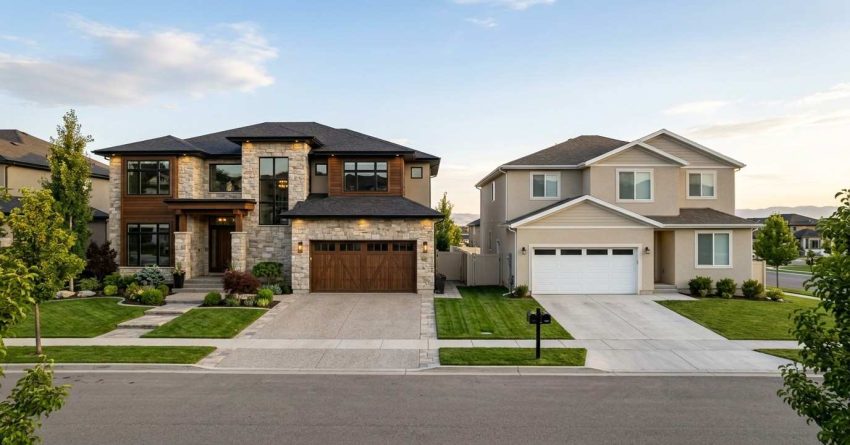
A custom home is a property designed and built to a buyer’s exact specifications on land the buyer owns or purchases. Every element — from floor plan to fixtures — is selected before construction begins. A spec home, short for speculative home, is built by a developer without a specific buyer in mind. The builder selects all design elements, constructs the home, and then lists it for sale on the open market.
The core distinction is control versus convenience. Custom homes give buyers complete authority over design and materials. Spec homes give buyers a finished product they can evaluate, inspect, and move into quickly.
Understanding the full scope of each path — including what each home type includes, how it is priced, and what it demands from you as an owner — is the foundation of any sound investment decision. Our home buying investment guide covers the full spectrum of property types, financing paths, and long-term ownership considerations for buyers at every stage.
How Custom Homes Are Built and Priced
Custom homes are priced through a combination of land cost, architectural and engineering fees, builder contracts, and material selections. Buyers typically work with an architect and a general contractor, paying for each phase of design and construction separately. The final price is not fixed until the design is complete and contractor bids are received, which introduces both flexibility and financial uncertainty.
How Spec Homes Are Built and Priced
Spec homes carry a single purchase price that covers land, construction, and builder profit margin. Buyers see exactly what they are getting before signing a contract. The price is negotiable in some markets, particularly if the home has been sitting unsold, but the design is fixed. What you see is what you buy.

Upfront Costs — Custom Home vs Spec Home
Upfront costs are where the two paths diverge most sharply. Custom homes require buyers to fund multiple stages before a single wall goes up. Spec homes consolidate all costs into one transaction.
For a custom build, buyers typically pay for land acquisition, site surveys, soil testing, architectural design, engineering plans, permits, and builder deposits — all before construction begins. These pre-construction costs alone can reach 10% to 20% of the total project budget, depending on location and design complexity. Construction then proceeds in funded phases, requiring buyers to manage cash flow across a timeline that can span 12 to 24 months.
Spec homes eliminate this complexity. The buyer pays a down payment, secures a standard mortgage, and closes on a finished property. There are no phased payments, no design fees, and no construction management responsibilities. Move-in timelines are measured in weeks, not years.
A detailed construction cost breakdown can help custom home buyers map every line item — from land acquisition through final finishes — before committing to a build.
Land, Design, and Construction Costs for Custom Builds
Land prices vary enormously by region, lot size, and proximity to infrastructure. Design fees typically run 5% to 15% of total construction cost. Builder contracts are priced per square foot and fluctuate with material and labor markets. Buyers absorb all cost overruns unless a fixed-price contract is negotiated upfront.
Purchase Price and Move-In Costs for Spec Homes
Spec home buyers pay the listed price plus standard closing costs, which typically run 2% to 5% of the purchase price. Some builders offer incentives — appliance packages, closing cost assistance, or rate buydowns — particularly on homes that have been on the market for several months. Move-in costs are predictable and contained.
Long-Term Investment Value — Which Holds More?
Both home types can appreciate significantly over time, but the drivers of that appreciation differ in important ways. Location, build quality, and market conditions affect both. Design personalization and neighborhood comparables affect each type differently.
Understanding the key resale value factors helps buyers evaluate whether a custom or spec home better serves their long-term financial goals before signing any contract.
Appreciation Potential of Custom Homes
Custom homes built in desirable locations with high-quality materials and timeless design tend to appreciate strongly. However, highly personalized features — unusual floor plans, niche finishes, or unconventional layouts — can limit the buyer pool at resale. A home that perfectly suits one owner may require price concessions to attract the next. The appreciation ceiling is high, but so is the risk of over-improvement relative to neighborhood comparables.
Resale Value and Market Liquidity of Spec Homes
Spec homes are designed to appeal to the broadest possible buyer pool. Neutral finishes, standard floor plans, and builder-grade materials are chosen specifically because they sell. This broad appeal supports consistent resale demand and faster time-on-market when the owner is ready to sell. Appreciation tracks closely with neighborhood trends, making spec home values more predictable and easier to model.

Ongoing Maintenance Costs After Purchase
Every home requires maintenance. The difference between custom and spec homes lies in what needs attention, when, and at what cost.
Custom Home Maintenance Considerations
Custom homes built with premium materials — hardwood floors, custom millwork, high-end roofing systems — often carry lower maintenance frequency but higher repair costs when service is needed. Specialty materials require specialty contractors. A custom tile installation or bespoke cabinetry system cannot always be repaired by a general handyman. Owners should budget for higher per-incident costs and longer lead times for specialized repairs.
Spec Home Maintenance Considerations
Spec homes use builder-grade materials that are widely available and easy to service. Repairs are straightforward, parts are standard, and most maintenance tasks can be handled by any qualified contractor. The trade-off is that builder-grade materials may require more frequent replacement — HVAC filters, water heaters, and roofing systems in entry-level spec homes often reach end-of-life sooner than premium alternatives.
Regardless of which path you choose, consistent upkeep is the most reliable way to protect property value after purchase. Our home maintenance services connect homeowners and property managers with skilled professionals across every category of residential repair and improvement.
Financing Differences Between Custom and Spec Homes
Financing a custom home and financing a spec home involve fundamentally different loan products, qualification requirements, and risk profiles.
Custom home buyers typically use a construction loan — a short-term, higher-interest product that funds the build in phases as work is completed and inspected. Once construction is finished, the construction loan converts to a permanent mortgage through a process called a construction-to-permanent loan, or the buyer refinances into a standard mortgage. Lenders scrutinize builder credentials, project plans, and cost estimates carefully. Down payment requirements are typically higher than for standard home purchases.
Spec home buyers use conventional mortgage products — the same loans used to purchase any existing home. Qualification is based on the buyer’s credit profile, income, and the appraised value of the finished property. The process is faster, simpler, and carries lower upfront financing costs.
Exploring your renovation financing options before breaking ground on a custom build can prevent costly surprises mid-project, particularly if your financial profile changes during a multi-month construction timeline.

Which Is the Better Investment for Your Situation?
Neither home type is universally superior. The better investment depends on your financial position, timeline, risk tolerance, and what you value most in a property.
When a Custom Home Makes Financial Sense
A custom home makes sense when you own or can acquire land in a high-value location, have the financial reserves to manage construction costs and potential overruns, plan to stay in the home long enough to recoup design and build costs, and want a property that reflects specific lifestyle needs that spec homes cannot meet. Buyers with long investment horizons and strong liquidity are best positioned to capture the upside of a custom build.
When a Spec Home Is the Smarter Choice
A spec home makes sense when you need to move quickly, want cost certainty from day one, prefer a property you can inspect before purchasing, and plan to hold for a medium-term horizon before selling. First-time buyers, investors seeking rental income, and buyers relocating on a fixed timeline consistently find spec homes to be the more practical and financially predictable choice.
How Home Services Protect Your Investment After Purchase
Whichever path you choose, the condition of your property after purchase determines how much of your investment you retain. Deferred maintenance is the single most common cause of value erosion in residential real estate — and it affects custom and spec homes equally.
Routine repairs, seasonal inspections, and preventive maintenance are the most reliable way to protect property value after purchase. Our handyman services give homeowners and property managers a single point of contact for every maintenance need, from minor repairs to complex multi-trade projects.
Strategic upgrades to kitchens, bathrooms, and living spaces consistently rank among the highest-return improvements a homeowner can make. Our remodeling services help property owners plan and execute renovations that add measurable value at resale — whether you purchased a custom build or a spec home.
Mr. Local Services connects you with trusted professionals across every home service category, so your property stays safe, functional, and well-maintained year-round.
Conclusion
Custom homes and spec homes each offer distinct investment profiles shaped by cost structure, design control, appreciation potential, and maintenance demands. Neither is the right choice for every buyer — the better investment is the one that aligns with your financial position, timeline, and long-term goals.
Both property types require consistent upkeep and strategic improvements to retain and grow their value over time. Protecting your investment starts the moment you take ownership.
Contact Mr. Local Services today to connect with skilled professionals who keep your property maintained, repaired, and positioned for long-term value — whatever type of home you call yours.
Frequently Asked Questions
Is a custom home always more expensive than a spec home?
Not always. In high-demand markets, spec homes in desirable neighborhoods can carry price tags that rival or exceed custom builds in less competitive areas. The total cost depends on land prices, builder margins, material selections, and local market conditions.
How long does it take to build a custom home compared to buying a spec home?
Custom home construction typically takes 12 to 24 months from design through completion, depending on complexity and contractor availability. Spec home purchases can close in 30 to 60 days, making them significantly faster for buyers with immediate housing needs.
Do custom homes appreciate faster than spec homes?
Custom homes in premium locations with high-quality construction can appreciate strongly, but highly personalized features sometimes limit the buyer pool at resale. Spec homes tend to appreciate more predictably because they are designed for broad market appeal.
What type of loan do I need to build a custom home?
Custom home buyers typically use a construction loan, which funds the build in phases and converts to a permanent mortgage upon completion. These loans carry higher interest rates and stricter qualification requirements than standard home purchase mortgages.
Can I negotiate the price of a spec home?
Yes, particularly if the home has been on the market for an extended period. Builders may offer price reductions, closing cost assistance, appliance packages, or mortgage rate buydowns to move unsold inventory, especially in slower markets.
Which home type is better for rental investment?
Spec homes are generally better suited for rental investment because of their lower upfront cost, faster acquisition timeline, standard materials that are easy to maintain, and broad tenant appeal. Custom homes can work as rentals but typically carry higher carrying costs.
How do I protect the value of my home after purchase?
Consistent preventive maintenance, timely repairs, and strategic upgrades are the most reliable ways to protect and grow property value after purchase. Working with a trusted home services provider ensures your property stays in top condition year-round.