Building a custom home gives you complete control over your floor plan, materials, and finishes — but it also requires navigating a multi-stage process that most first-time builders have never encountered before. From choosing the right lot to managing contractors and passing final inspections, each decision shapes both the quality of your home and the total cost of your project.
Understanding this process before you break ground protects your budget and your timeline. This guide walks you through every major stage of building a custom home in the USA.
This guide covers lot selection, budgeting, contractor hiring, material choices, permits, and post-move-in maintenance — everything a first-time builder needs to move forward with confidence.
What Is a Custom Home and How Does the Process Work?
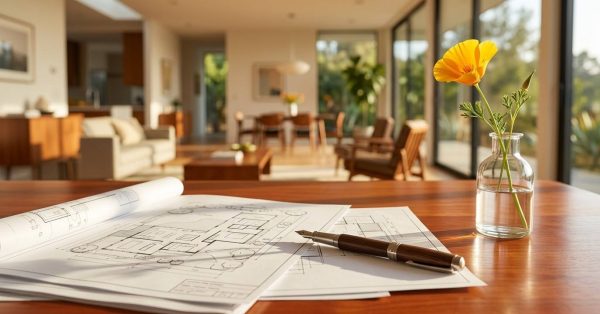
A custom home is a residential property designed and built specifically for one buyer, on a lot they own or purchase, according to plans developed with an architect or designer. Unlike a spec home — which a builder constructs based on their own design and sells upon completion — a custom home is built entirely around your preferences, from the foundation layout to the cabinet hardware.
The process involves several distinct phases: land acquisition, design and planning, permitting, construction, inspections, and final walkthrough. Each phase depends on the one before it, which means delays in design approval can push back your groundbreaking date, and permit issues can stall construction mid-build. Understanding this sequence helps first-time builders set realistic expectations from day one.
Understanding what a custom home is becomes much clearer when you have a broader foundation — our home building guide covers every phase of residential construction, from land acquisition through final walkthrough, giving first-time builders the full picture before they commit.
Key Stages of the Custom Home Building Process
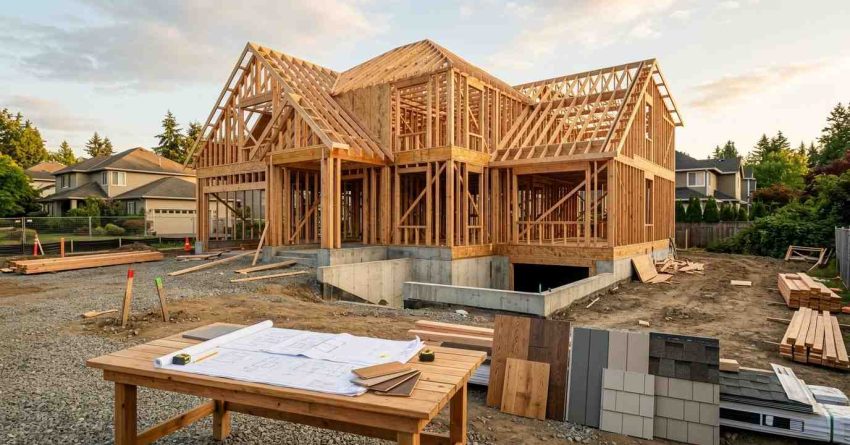
The custom home building process follows a consistent sequence regardless of location or home size. First, you secure financing and purchase your lot. Next, you work with an architect to develop your floor plan and specifications. Once plans are finalized, your contractor submits them for permits. Construction begins after permit approval and proceeds through foundation, framing, mechanical rough-ins, insulation, drywall, finishes, and landscaping. Final inspections and a certificate of occupancy close out the build.
How Long Does It Take to Build a Custom Home?
Most custom homes take between 10 and 18 months to complete from groundbreaking to move-in, though design and permitting can add another 3 to 6 months before construction begins. Complex designs, custom material orders, and permit backlogs in high-demand markets are the most common causes of delays. First-time builders should plan for a total timeline of 12 to 24 months from initial planning to occupancy.
How to Choose the Right Lot for Your Custom Home
Lot selection is one of the most consequential decisions in the custom home process. The land you choose determines what you can build, how much site preparation will cost, and how your home connects to utilities, roads, and neighboring properties. A lot that looks ideal on paper can carry significant hidden costs once soil testing, grading, and utility connection fees are factored in.
Evaluate lots based on topography, soil stability, flood zone status, sun orientation, and proximity to utilities. Sloped lots often require more expensive foundations and retaining walls. Lots in rural areas may require well drilling and septic system installation, which can add $20,000 to $50,000 or more to your project cost.
Zoning, Utilities, and Site Preparation Considerations
Before purchasing any lot, verify the zoning classification with your local municipality to confirm that your intended home design is permitted. Check whether water, sewer, gas, and electrical connections are available at the property line or require extension. Site preparation costs — including clearing, grading, and soil compaction — vary widely based on lot conditions and should be estimated by a civil engineer before you close on the land.
Setting Your Custom Home Budget Before You Build
A realistic budget is the foundation of a successful custom home project. Most first-time builders underestimate total project costs because they focus on construction costs alone and overlook land, design fees, permits, financing costs, and landscaping. A complete budget accounts for every cost category from the moment you begin searching for land to the day you receive your certificate of occupancy.
As a general benchmark, custom home construction in the USA costs between $150 and $500 per square foot depending on location, design complexity, and material selections, according to data from the National Association of Home Builders. Land costs, design fees, and site work are separate from this figure and can represent 20 to 30 percent of your total project budget.
Before locking in a budget, it helps to understand how custom builds compare financially to other options — our custom home investment analysis breaks down the true cost differences, long-term equity outcomes, and which path delivers better value for your specific situation.
Hidden Costs First-Time Builders Often Overlook
Several cost categories consistently surprise first-time builders. Permit fees vary by jurisdiction but can range from a few hundred to several thousand dollars. Builder’s risk insurance protects your investment during construction and is required by most lenders. Temporary utilities, portable sanitation, and site security during the build add ongoing costs. Interior design fees, furniture, window treatments, and appliances are rarely included in construction contracts. Budget a contingency of 10 to 15 percent of your total construction cost to absorb unexpected expenses without derailing your project.

Working With Architects, Designers, and General Contractors
Your building team is the single most important factor in whether your custom home is delivered on time, on budget, and to your specifications. A custom home project typically involves an architect or residential designer, a general contractor, and multiple subcontractors for framing, mechanical systems, electrical, plumbing, and finishes.
The architect translates your vision into permitted construction documents. The general contractor manages the day-to-day build, coordinates subcontractors, and is responsible for quality and schedule. These two roles require different skills, and the best outcomes come from teams where both parties communicate clearly and have a track record of working together.
How to Evaluate and Hire the Right Building Team
Request references from at least three completed projects similar in scope to yours. Verify that your general contractor holds a current state license and carries general liability and workers’ compensation insurance. Review their contract carefully — it should specify a detailed scope of work, payment schedule tied to construction milestones, change order procedures, and a warranty on workmanship. Interview at least two to three contractors before making a selection, and never choose based on price alone.
Selecting Materials, Finishes, and Home Features
Material and finish selections affect both the upfront cost and the long-term performance of your custom home. Decisions made during the design phase — from roofing materials to flooring types to window specifications — have lasting consequences for energy efficiency, maintenance requirements, and resale value.
Work through selections systematically, starting with structural and mechanical systems before moving to interior finishes. Structural decisions are harder and more expensive to change after construction begins. Interior finishes offer more flexibility but require early decisions to avoid delays in material procurement.
Balancing Aesthetics, Durability, and Long-Term Value
The most cost-effective material selections balance visual appeal with durability and low maintenance requirements. Hardwood flooring, fiber cement siding, and architectural shingles consistently deliver strong long-term value relative to their upfront cost. High-maintenance materials like natural stone countertops and wood windows can add character but require ongoing care. Discuss the lifecycle cost of each major material category with your contractor before finalizing selections.
Permits, Inspections, and Code Compliance for Custom Builds
Every custom home in the USA requires building permits issued by the local jurisdiction before construction can begin. Permits ensure that your home is designed and built to current building codes, which govern structural integrity, fire safety, electrical systems, plumbing, and energy efficiency. Building without permits creates serious legal and financial risks, including the possibility of being required to demolish unpermitted work.
Inspections occur at multiple stages throughout construction — typically after foundation work, framing, rough-in mechanical systems, insulation, and at final completion. Each inspection must be passed before the next phase of construction can proceed. Your general contractor is responsible for scheduling inspections and ensuring that work meets code requirements at each stage.
Custom Home vs. Spec Home — Which Is the Better Investment?
The decision between building a custom home and purchasing a spec home comes down to priorities. Custom homes offer complete design control and the ability to incorporate exactly the features you want, but they require more time, more active involvement, and typically a higher upfront investment. Spec homes are faster to acquire and carry less construction risk, but you accept the builder’s design choices rather than your own.
From a financial perspective, custom homes can deliver strong long-term equity when built in appreciating markets with quality materials and sound design. Spec homes in the same market may offer lower entry costs but less differentiation at resale. If you are weighing your options before committing to a full custom build, our detailed spec home comparison walks through the financial trade-offs, resale value differences, and decision factors that matter most to first-time buyers and investors.
Maintaining Your Custom Home After Move-In
A custom home represents a significant investment, and protecting that investment requires a consistent maintenance plan from the moment you move in. New construction homes are not maintenance-free — settling, seasonal expansion and contraction, and the break-in period for mechanical systems all require attention in the first year.
Establish a seasonal maintenance schedule that covers HVAC filter changes, gutter cleaning, caulking and weatherstripping inspection, roof condition checks, and exterior paint or siding assessment. Address minor issues promptly before they develop into costly repairs. Once your custom home is complete, keeping it in top condition requires a reliable partner — our home maintenance services connect homeowners with skilled professionals for everything from routine upkeep to urgent repairs, all under one dependable provider.
Conclusion
Building a custom home is one of the most rewarding projects a first-time builder can undertake, combining personal design vision with long-term property investment. The process rewards preparation — clear budgets, the right team, and a realistic timeline are the foundations of a successful build.
Every decision from lot selection to material choices shapes the final outcome, and understanding each stage before you begin prevents the costly surprises that derail many first-time projects.
At Mr. Local Services, we connect homeowners and builders with skilled professionals across every service category your custom home will need — from construction support to ongoing maintenance — so your property stays protected, functional, and well-maintained for years to come.
Frequently Asked Questions
What is the first step in building a custom home?
The first step is securing financing and identifying a suitable lot. Without confirmed funding and land, the design process cannot begin. Most lenders require a construction loan, which converts to a permanent mortgage upon project completion.
How much does it cost to build a custom home in the USA?
Custom home construction typically costs between $150 and $500 per square foot depending on location, design complexity, and material selections. Land, permits, design fees, and site preparation are additional costs that can add 20 to 30 percent to the total project budget.
Do I need an architect to build a custom home?
Most custom home projects require architectural drawings to obtain building permits. You can work with a licensed architect or a residential designer depending on your jurisdiction’s requirements and the complexity of your design. Your general contractor can advise on what your local permitting office requires.
How do I find a reliable general contractor for a custom home?
Request references from completed projects, verify state licensing and insurance, and review contracts carefully before signing. Interview at least two to three contractors and evaluate their communication, transparency, and track record with projects similar in scope to yours.
What permits are required to build a custom home?
Building permits are required in every US jurisdiction before construction begins. Depending on your location and project scope, you may also need separate permits for electrical, plumbing, mechanical systems, and grading. Your general contractor typically manages the permit application process on your behalf.
How long does the custom home building process take?
Most custom homes take 10 to 18 months to build from groundbreaking to move-in. Design, permitting, and land acquisition can add another 3 to 6 months before construction begins, making the total timeline from initial planning to occupancy typically 12 to 24 months.
What is the difference between a custom home and a spec home?
A custom home is designed and built specifically for one buyer on land they own, with full control over the floor plan and finishes. A spec home is built by a developer based on their own design and sold upon or before completion. Custom homes offer more personalization; spec homes offer faster acquisition and lower construction risk.