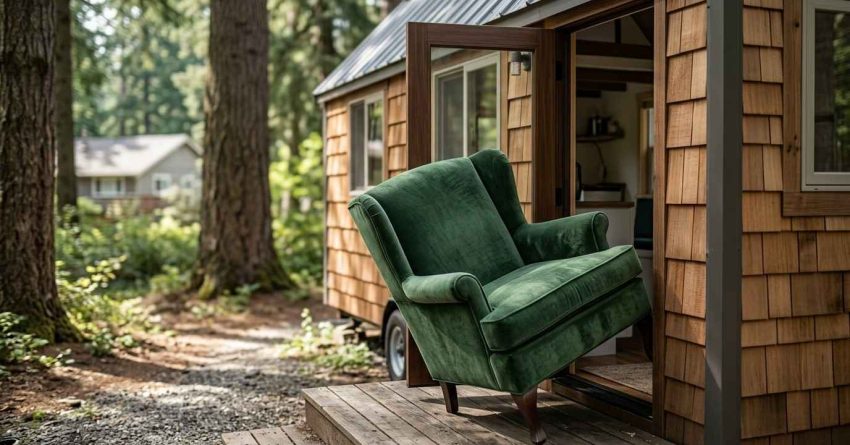
People are against tiny homes mainly because of zoning restrictions, neighborhood property value concerns, limited financing options, and lifestyle limitations tied to small living spaces. Critics also point to insurance challenges, resale difficulties, and unclear building code standards. While tiny homes appeal to minimalists and budget-conscious buyers, homeowners, landlords, and property managers across the USA continue to raise practical objections that affect long-term value, daily comfort, and community planning decisions.
The Core Reasons People Oppose Tiny Homes
Opposition to tiny homes centers on four issues: strict zoning laws, declining property values in established neighborhoods, limited mortgage and insurance access, and lifestyle compromises tied to small square footage. These concerns affect homeowners, landlords, and property managers who prioritize stability, resale potential, and code-compliant construction.
Zoning Laws and Legal Restrictions
Most U.S. municipalities classify dwellings by minimum square footage, often 400 square feet or more, which immediately excludes many tiny homes. Local zoning codes also dictate foundation type, utility hookups, and lot placement. Tiny homes on wheels often fall into RV categories, restricting where owners can legally park or live full-time. Homeowners and property managers face permitting delays, code violations, and forced relocations. These legal hurdles remain the single biggest barrier critics highlight when opposing tiny home expansion in residential neighborhoods.
Property Value and Neighborhood Concerns
Many homeowners worry tiny homes lower surrounding property values. Established neighborhoods with traditional housing often see tiny home placements as inconsistent with community standards, architectural style, and lot density expectations. Real estate professionals report that appraisers struggle to find comparable sales, making accurate valuations difficult. Landlords and HOAs frequently restrict tiny homes through covenants. The concern is practical: property managers protecting investment portfolios prefer predictable, code-aligned housing that supports long-term resale strength and neighborhood cohesion.
Understanding the objections is one part of the picture. The practical side of building a compliant tiny home involves zoning research, foundation choices, and professional service coordination that many buyers underestimate.
Practical and Lifestyle Drawbacks Critics Point Out
Beyond legal concerns, tiny homes carry daily living trade-offs that influence why people resist them. Critics focus on space limitations, storage shortages, and the difficulty of accommodating families, guests, or home-based work. For homeowners used to traditional layouts, the adjustment is significant and often underestimated before purchase.
Space, Storage, and Daily Living Challenges
Tiny homes typically range between 100 and 400 square feet, leaving little room for furniture, appliances, or personal belongings. Families with children, pets, or hobbies often find the space restrictive within months. Ventilation, heating, and moisture control become harder in compact layouts, increasing wear on HVAC systems and finishes. Property managers handling tiny home rentals also report higher turnover. While smart remodeling solutions for small spaces can ease some pressure, the structural footprint remains a fixed limitation no design fix fully resolves.
Financing, Insurance, and Resale Hurdles
Traditional mortgages rarely cover tiny homes because lenders require minimum loan amounts and permanent foundations. Buyers often rely on personal loans or RV financing with higher interest rates. Insurance providers face similar uncertainty, especially for mobile units, which complicates coverage for fire, theft, and weather damage. Resale markets remain narrow, with limited buyer pools and inconsistent appraisals. For property managers and investors, durable roofing and weather protection and reliable maintenance help offset some risks, but financing gaps remain a persistent reason critics push back against tiny home adoption.
Conclusion
Opposition to tiny homes comes down to zoning barriers, property value concerns, financing limitations, and lifestyle compromises that affect long-term ownership decisions.
For homeowners, landlords, and property managers, understanding these factors helps guide smarter housing investments and clearer expectations across residential and commercial portfolios.
We help you navigate every property decision with confidence. Contact Mr. Local Services today for trusted, end-to-end home service support nationwide.
Frequently Asked Questions
Are tiny homes legal everywhere in the USA?
No. Tiny home legality varies by state, county, and city. Zoning codes, minimum square footage rules, and foundation requirements determine where tiny homes are allowed full-time.
Do tiny homes lower neighborhood property values?
Many homeowners and appraisers believe they can, especially in established neighborhoods with consistent home styles. HOAs often restrict tiny homes to protect long-term resale stability.
Can you get a mortgage for a tiny home?
Traditional mortgages rarely apply. Most buyers use personal loans, RV loans, or builder financing, which usually carry higher interest rates and shorter repayment terms.
Are tiny homes hard to insure?
Yes, especially mobile tiny homes. Insurance providers often classify them as RVs, limiting coverage options for fire, theft, weather damage, and full-time residency.
Is a tiny home worth it long-term?
It depends on location, lifestyle, and financing. Buyers comfortable with small spaces and flexible zoning may benefit, while families often outgrow them quickly.