
55 plus communities are often cheap because they feature smaller homes, shared infrastructure costs, lower property taxes in many states, and exclude school-related tax burdens. Builders also design these neighborhoods for efficiency, using compact lot sizes and standardized floor plans. For homeowners, landlords, and property managers evaluating these properties, understanding why prices stay low helps clarify long-term value, maintenance expectations, and the trade-offs that come with age-restricted living.
The Real Reasons 55+ Communities Cost Less
55 plus communities cost less because homes are smaller, lots are compact, and property taxes often exclude school district fees since residents typically have no school-age children. Builders use standardized floor plans, shared infrastructure, and bulk land development to reduce per-unit costs, passing savings directly to buyers.
These pricing factors work together. Developers buy large parcels of land, plan dense layouts, and build hundreds of similar homes at once. This volume approach lowers material and labor costs significantly compared to custom single-family construction.
Lower Property Taxes and Shared Infrastructure
Many 55 plus communities sit in states with senior tax breaks or homestead exemptions. Florida, Arizona, and Texas, for example, offer reduced tax burdens for age-qualified homeowners. Shared roads, utilities, and community centers also spread infrastructure costs across hundreds of households, reducing what each owner pays toward upkeep. Lower demand for school funding further trims annual tax bills, making monthly carrying costs more predictable for retirees on fixed incomes.
Smaller Home Footprints and Efficient Layouts
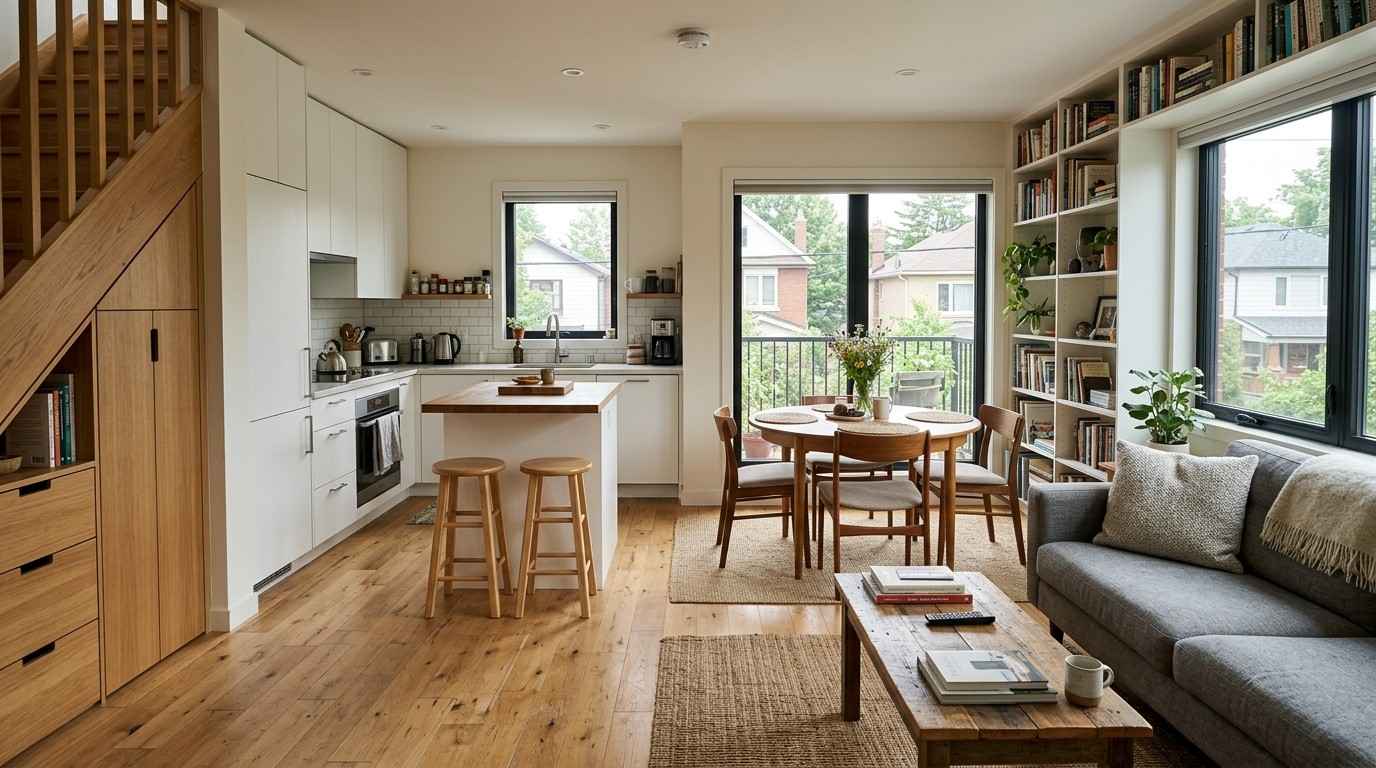
Homes in 55 plus communities typically range from 1,200 to 1,800 square feet, smaller than the average new construction home. Single-story layouts, minimal yards, and shared walls in attached units cut both purchase price and ongoing maintenance. Standardized designs let builders source materials in bulk and complete construction faster, which lowers labor costs. For buyers, this means a functional, low-maintenance home without paying for unused space.
The pricing story is only half the picture. Community maintenance handled for residents through HOA structures explains a large portion of why monthly costs stay manageable too.
How Community Design and HOA Models Reduce Costs
HOA fees in 55 plus communities cover landscaping, exterior repairs, road maintenance, and amenities like pools, gyms, and clubhouses. Bundling these services spreads costs across hundreds of homes, making each owner’s share far cheaper than paying for them individually. This shared model also keeps property values steady because exteriors stay uniform and well-kept.
Maintenance-Inclusive Living and Shared Amenities
Most 55 plus HOAs handle lawn care, irrigation, painting, roofing inspections, and common-area repairs. Residents avoid hiring separate contractors for routine upkeep, which lowers annual home expenses. Shared amenities like fitness centers and pools cost a fraction of what private memberships or backyard installations would run. For property managers overseeing rentals in these communities, the predictable HOA scope simplifies budgeting and reduces emergency repair calls considerably.
Hidden Costs and Trade-Offs Buyers Should Weigh
Low purchase prices in 55 plus communities sometimes mask ongoing expenses. HOA dues can rise sharply, special assessments may fund roof replacements or road repaving, and resale values can lag behind traditional neighborhoods because the buyer pool is restricted. Some communities also charge transfer fees or capital contributions at closing.
Before purchasing, buyers should review HOA financials, reserve funds, and recent assessment history. A thorough pre-purchase inspection of the home’s roof, HVAC system, plumbing, and electrical components protects against surprise repair bills that the HOA does not cover.
Conclusion
55 plus communities stay affordable because of smaller homes, shared infrastructure, tax advantages, and HOA-bundled maintenance that spreads costs across many households.
For homeowners, landlords, and property managers, understanding both the savings and the trade-offs ensures smarter decisions when buying, renting, or maintaining property in these neighborhoods.
We at Mr. Local Services connect you with trusted professionals for inspections, repairs, and ongoing maintenance. Contact us today to protect your investment.
Frequently Asked Questions
Are 55 plus communities a good investment?
They offer affordability and low maintenance, but resale can be slower due to age restrictions limiting the buyer pool, affecting long-term appreciation potential.
Do 55 plus communities have hidden fees?
Yes. HOA dues, special assessments, transfer fees, and capital contributions can add significant ongoing costs beyond the initial low purchase price.
Can younger family members live in 55 plus communities?
Most communities require at least one resident to be 55 or older, with restrictions on permanent residents under 18 or 19.
Why are HOA fees high in 55 plus communities?
HOA fees cover landscaping, exterior maintenance, amenities, and reserves. Bundled services and shared facilities raise monthly dues but lower individual repair costs.
Do 55 plus communities appreciate in value?
Appreciation is typically slower than traditional neighborhoods because age restrictions limit demand, though well-maintained communities in popular states still gain value steadily.