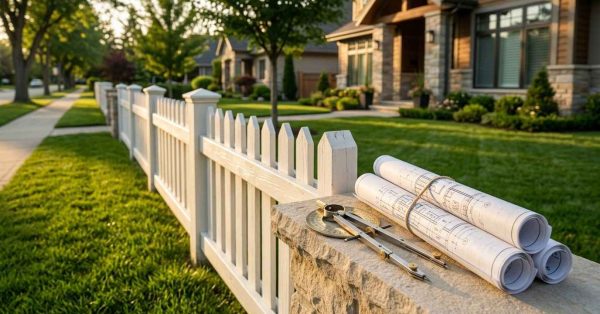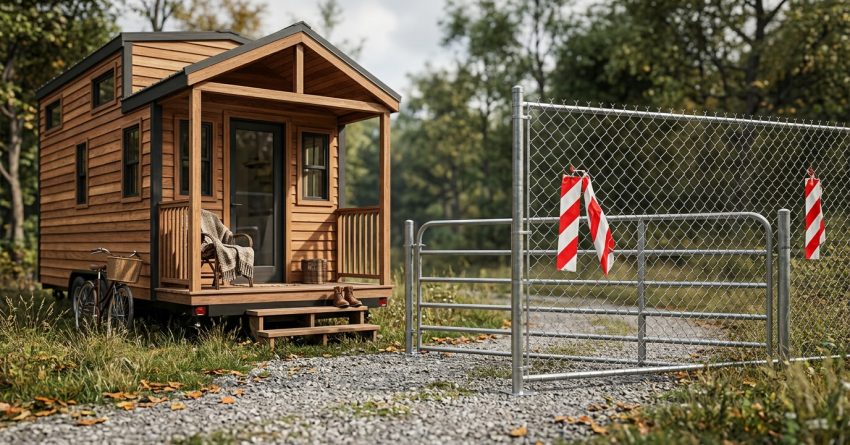
Tiny homes are illegal in some states because they fail to meet local zoning laws, minimum square footage rules, and building code standards that govern permanent dwellings. Most restrictions are not statewide bans but local ordinances that classify tiny homes as RVs, accessory structures, or non-conforming residences. For homeowners and property managers exploring tiny living, understanding these legal barriers is the first step toward a compliant, safe, and value-adding property decision.
The Core Legal Reasons Tiny Homes Face Restrictions
Tiny homes face restrictions in some states because local building codes require a minimum dwelling size, zoning laws prohibit small standalone residences, and many tiny homes do not meet permanent foundation or utility hookup standards. These rules exist to protect safety, property values, and neighborhood consistency rather than to ban tiny living outright.
Minimum Square Footage Requirements
Many municipalities enforce minimum square footage laws for single-family dwellings, often requiring at least 600 to 1,000 square feet. Tiny homes typically range from 100 to 400 square feet, placing them below code. These minimums originally aimed to ensure habitable conditions, including proper ventilation, egress, and sanitation. When a tiny home cannot satisfy these baseline requirements, it cannot legally be classified as a primary residence, even on private land.
Zoning Laws and Land-Use Codes
Zoning ordinances divide land into residential, commercial, and agricultural categories, each with strict rules on dwelling type. Tiny homes on wheels are frequently classified as recreational vehicles, which cannot be parked as permanent residences in most residential zones. Tiny homes on foundations may still violate setback rules, accessory dwelling unit limits, or density requirements, making approval difficult without a variance.
Understanding the federal framework is only part of the picture. The practical barriers come from local zoning rules for tiny homes, which vary widely between counties and even neighboring cities.
How State and Local Regulations Differ Across the USA
Tiny home legality varies dramatically across the USA because each state delegates housing rules to counties and cities. States such as California, Texas, Oregon, and Colorado have adopted tiny-home-friendly provisions, including specific appendices in their building codes for homes under 400 square feet. Others, including parts of the Northeast and Midwest, still enforce older codes that exclude tiny dwellings entirely.
States With Strict vs. Tiny-Home-Friendly Rules
Friendly states often allow tiny homes as accessory dwelling units (ADUs) on existing residential lots, with permits and inspections. Strict states may prohibit tiny homes outside designated RV parks or require them to meet full residential code, including foundation, plumbing, and electrical standards. Rural counties tend to be more flexible than dense urban areas, where land-use enforcement is stricter and neighborhood compatibility rules are tighter.
What Tiny Home Owners Can Do to Stay Compliant
Compliance begins with research at the local level. Owners should contact the city or county planning department, request the zoning map, and confirm whether tiny homes are permitted as primary residences, ADUs, or recreational structures. Working with licensed contractors who understand permit and inspection requirements helps avoid costly rework, fines, or forced removal.
Choosing a tiny-home-friendly state, building on a foundation, and meeting full residential code dramatically improve approval odds.
Conclusion
Tiny homes are illegal in some states because local zoning laws, minimum size rules, and building codes restrict where and how small dwellings can exist.
As tiny living grows across the USA, homeowners, landlords, and property managers should verify local regulations early to protect their investment and avoid compliance setbacks.
We help property owners navigate tiny home rules, permits, and skilled trades with confidence. Connect with Mr. Local Services today for trusted, end-to-end support.
Frequently Asked Questions
Are tiny homes legal anywhere in the USA?
Yes. States like California, Texas, Oregon, and Colorado allow tiny homes under specific zoning, ADU, or building code provisions, though rules vary by county and city.
Can I put a tiny home on my own land?
Not always. Even on private land, zoning laws, minimum dwelling size, and setback rules may prevent a tiny home from being used as a primary residence.
Are tiny homes on wheels considered RVs?
Often, yes. Most jurisdictions classify tiny homes on wheels as recreational vehicles, which cannot legally serve as permanent residences in standard residential zones.
Do tiny homes need building permits?
Yes. Tiny homes on foundations require building permits, inspections, and code compliance covering structural, electrical, plumbing, and safety standards before occupancy is approved.
Which states are most tiny-home-friendly?
California, Texas, Oregon, Colorado, and parts of North Carolina lead in tiny-home-friendly legislation, offering clear ADU rules, permitting paths, and supportive local zoning frameworks.