Police officers across the United States consistently recommend Grade 1 deadbolts and tamper-resistant smart locks as the most reliable defense against forced entry. These locks combine certified strength, longer bolts, and reinforced strike plates that resist kicking, drilling, and lock picking. Homeowners, landlords, and property managers who upgrade to police-recommended locks significantly reduce break-in risk while improving overall property safety, insurance eligibility, and long-term residential value across single-family homes and rental units.
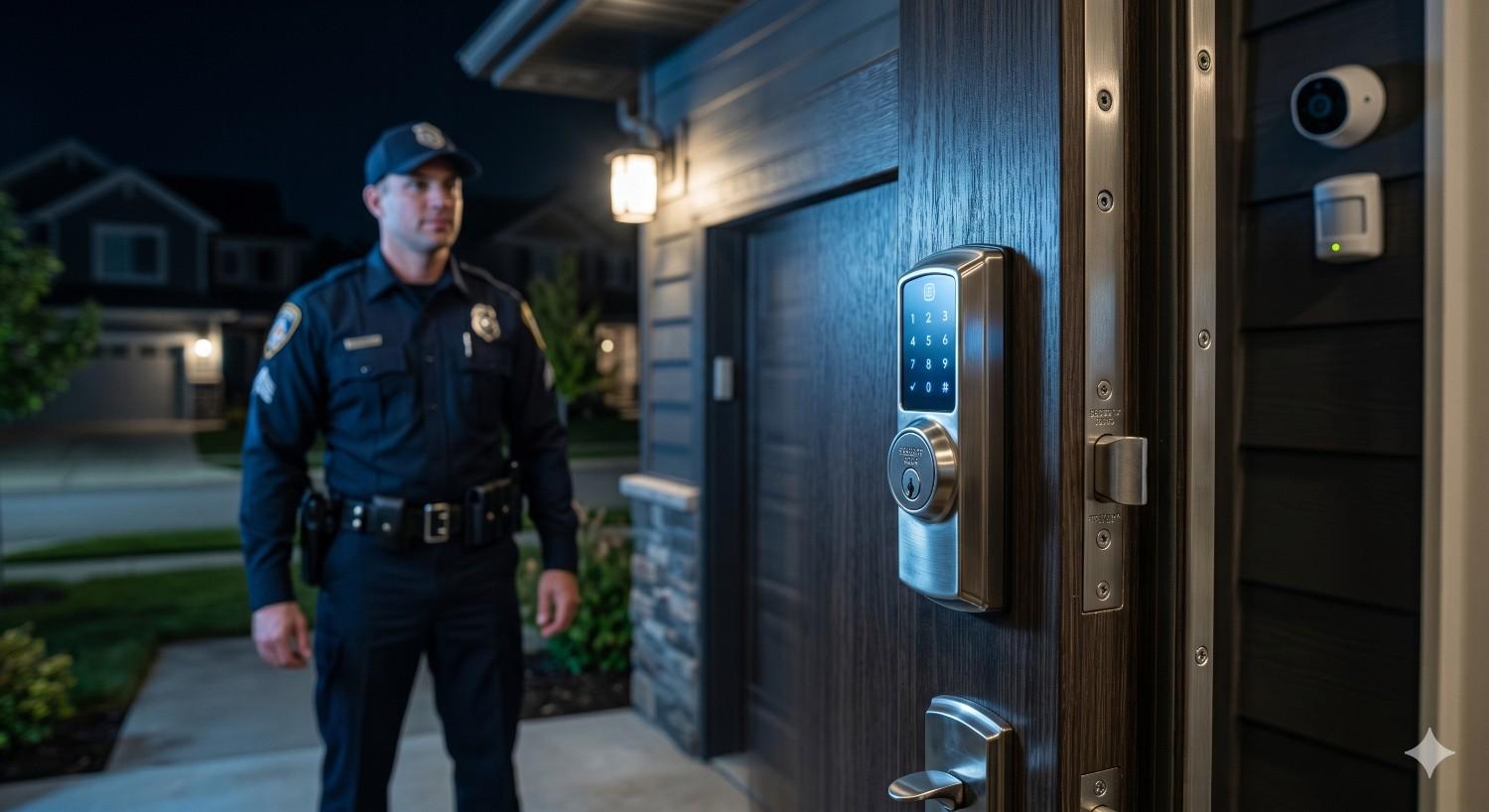
Locks Police Officers Recommend Most for Home Security
Police officers most often recommend ANSI Grade 1 deadbolts with one-inch bolts, hardened steel construction, and reinforced strike plates. They also endorse smart locks featuring tamper alerts, anti-pick cylinders, and encrypted access. These locks resist kicking, drilling, and bumping, which are the most common forced-entry methods used in residential burglaries.
Grade 1 Deadbolts
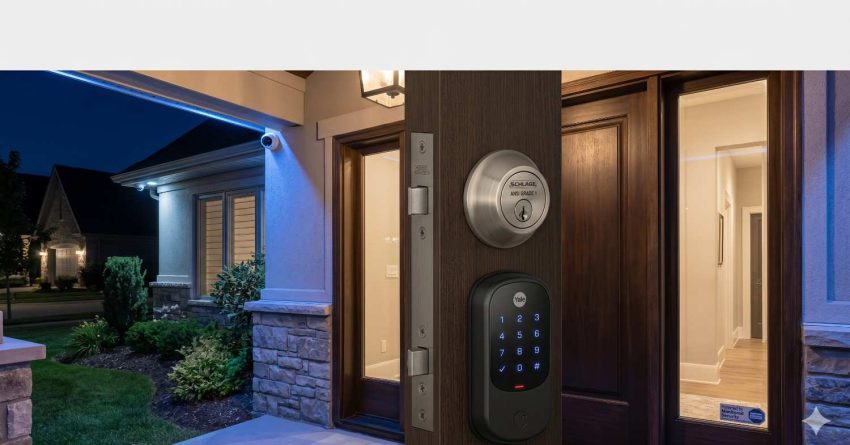
Grade 1 deadbolts represent the highest residential security rating set by ANSI/BHMA. They withstand at least 250,000 cycles and 10 strikes of forced impact without failing. Officers favor brands like Medeco, Mul-T-Lock, and Schlage B660 because their hardened steel bolts and anti-drill cylinders defeat the tools burglars typically carry. A properly installed Grade 1 deadbolt with a three-inch screw strike plate transforms an ordinary door into a serious physical barrier.
Smart Locks With Tamper Alerts
Police increasingly recommend smart locks that pair mechanical strength with digital monitoring. Models from August, Yale Assure, and Schlage Encode send instant alerts during tamper attempts, log every access event, and allow remote lockout of lost codes. For landlords and property managers, smart locks remove the risk of unreturned keys after tenant turnover. The strongest options carry both UL certification and ANSI Grade 1 ratings, combining digital convenience with physical resistance.
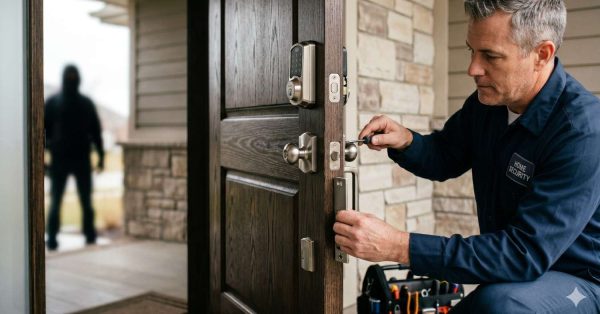
Knowing which locks police recommend is the starting point. The harder question is correct fitment, and that depends on professional locksmith installation matched to your door type and frame condition.
Why These Locks Stop Burglars Faster
Most residential break-ins last under 60 seconds. Police-recommended locks extend that window long enough to deter or expose the intruder. The bolt length, cylinder hardness, and strike plate strength are the three factors that decide whether a door holds.
Strike Plates, Bolt Length, and Door Reinforcement
A strong lock on a weak door fails immediately. Officers consistently advise pairing Grade 1 deadbolts with four-screw strike plates anchored into the wall stud using three-inch screws. The bolt should extend a full inch into the frame. Without reinforced door frames and hardware, even the best lock can be defeated by a single hard kick to a hollow jamb.
Choosing the Right Lock for Your Property Type
Single-family homeowners benefit most from Grade 1 deadbolts on every exterior door, including garage entry doors. Landlords and property managers should choose smart locks with rekey-free code rotation to streamline tenant turnover. Commercial property managers often need high-security cylinders with restricted keyways such as Medeco or Abloy, which prevent unauthorized key duplication. Matching the lock to the property type ensures both security and operational practicality across rental, residential, and mixed-use buildings.
Conclusion
Police recommend Grade 1 deadbolts and tamper-alert smart locks because they resist the exact methods burglars use most: kicking, drilling, and picking.
Pairing these locks with reinforced doors and broader home safety upgrades gives homeowners and property managers lasting protection and peace of mind.
Ready to upgrade your locks the right way? We at Mr. Local Services connect you with vetted locksmiths who install police-recommended hardware quickly and correctly.
Frequently Asked Questions
What lock brand do police recommend most?
Police most often recommend Medeco, Mul-T-Lock, Schlage B660, and Yale Assure for their certified resistance to picking, drilling, and forced entry on residential doors.
Are smart locks safer than traditional deadbolts?
Smart locks are equally safe when ANSI Grade 1 certified. They add tamper alerts and access logs, giving homeowners and landlords stronger oversight beyond mechanical protection alone.
What is the strongest residential lock available?
ANSI Grade 1 deadbolts with hardened steel bolts and anti-drill cylinders are the strongest residential locks, offering maximum resistance to kicking, drilling, and lock-picking attempts.
Do police recommend keyless entry locks?
Yes, police recommend keyless entry locks that combine Grade 1 ratings with encryption and tamper alerts, especially for rental properties needing frequent code changes.
How often should I replace my home locks?
Replace home locks every seven to ten years, after a move-in, or following any lost key, break-in attempt, or significant tenant turnover event.