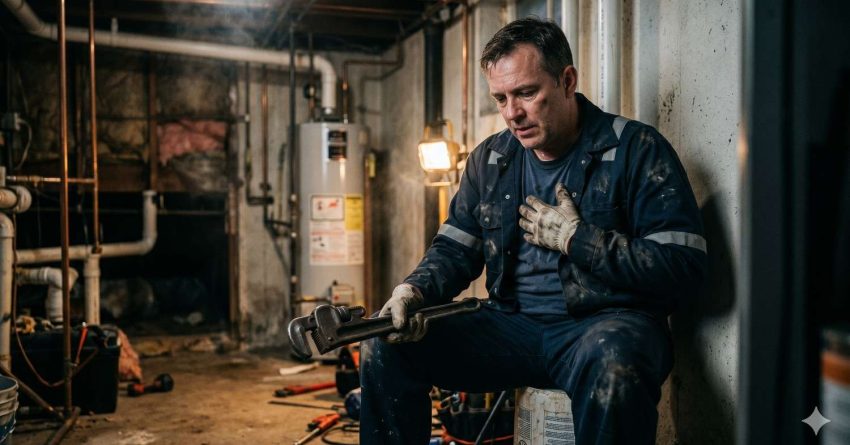
The number one killer of plumbers is heart disease, driven by long hours of physical strain, chronic stress, exposure to harmful substances, and irregular eating patterns common in the trade. While accidents and toxic exposure also pose serious threats, cardiovascular disease consistently ranks as the leading cause of death among plumbing professionals in the USA. Understanding why this happens helps homeowners, landlords, and property managers appreciate the demands behind reliable plumbing service and the importance of choosing healthy, well-supported professionals.
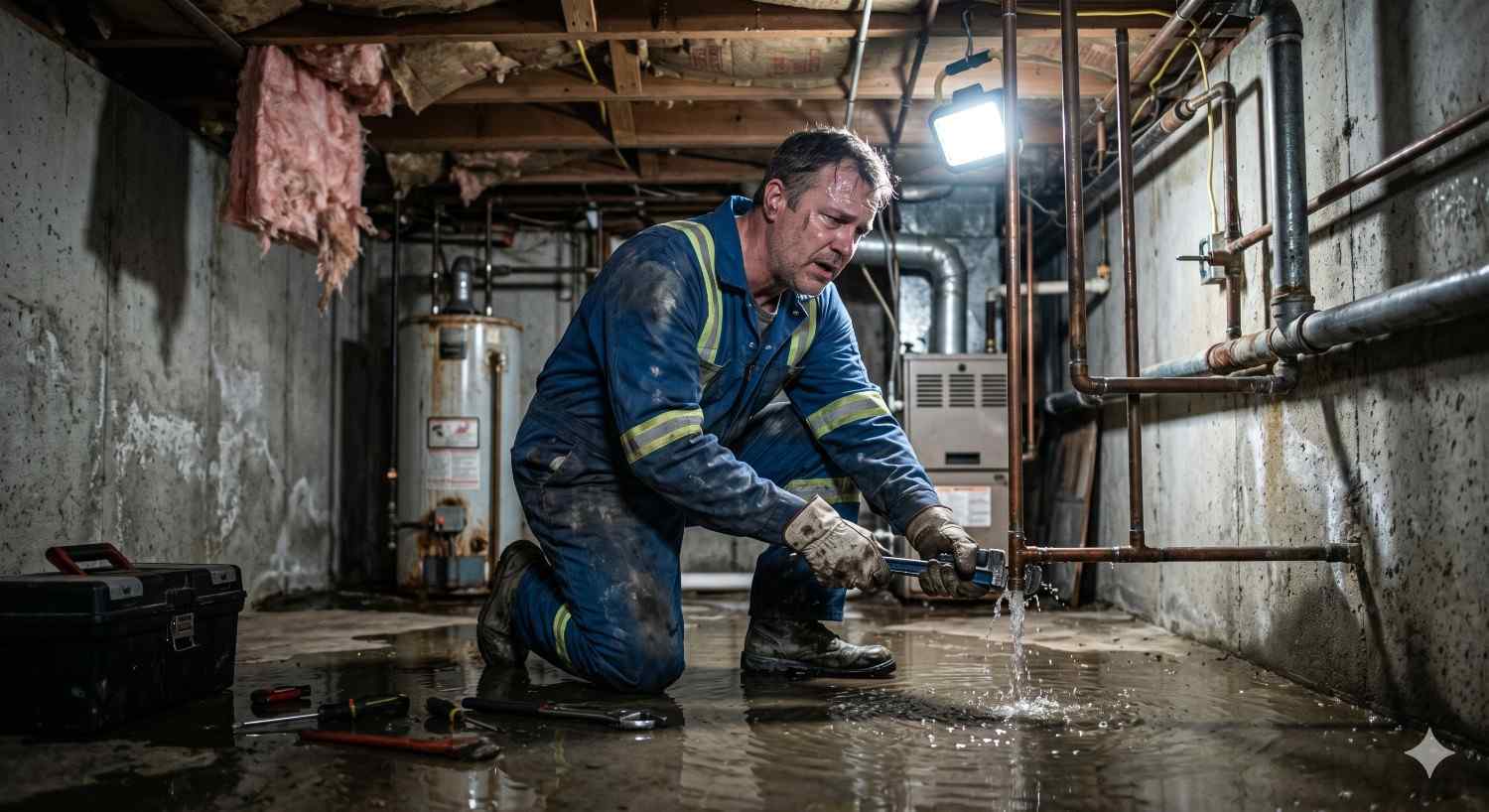
The Number One Killer of Plumbers Explained
Heart disease is the leading cause of death among plumbers in the USA. The trade combines heavy physical exertion, prolonged stress, chemical exposure, and inconsistent schedules. These factors compound over years, raising blood pressure, straining the heart, and accelerating cardiovascular problems well before retirement age.
Why Heart Disease Tops the List
Plumbers spend decades performing strenuous tasks: lifting fixtures, crawling through tight spaces, and working in awkward positions. This sustained physical load increases cardiac workload. Add irregular meals, limited sleep during emergency calls, and high job pressure, and the heart absorbs constant stress. Studies on construction trades consistently show higher cardiovascular mortality rates among plumbers compared to office-based occupations, reflecting the cumulative toll of manual labor combined with lifestyle factors.
Daily Job Factors That Raise the Risk
Several daily realities push the risk higher. Plumbers often skip meals or rely on fast food between jobs. They face temperature extremes, from freezing crawlspaces to hot attics. They breathe in dust, sewer gases, and solvent fumes. Emergency calls disrupt sleep cycles. Sustained noise and physical vibration also contribute. Each factor alone seems minor. Together, they create a long-term cardiovascular burden that quietly builds across a plumber’s career.
Knowing the leading cause is one part of the picture. The full answer also depends on understanding the hidden hazards in plumbing work that shape daily safety on the job.
Other Major Health and Safety Risks Plumbers Face
Beyond heart disease, plumbers face a range of occupational hazards that affect long-term health and on-the-job safety. These risks often overlap with cardiovascular strain, compounding the overall danger of the trade.
Toxic Exposure, Falls, and Repetitive Strain
Plumbers regularly handle lead, asbestos in older homes, mold, raw sewage, and chemical solvents. Repeated exposure raises the risk of respiratory illness and certain cancers. Falls from ladders and slips in wet conditions cause serious injuries each year. Repetitive motion, kneeling, and lifting create chronic joint and back problems that can shorten careers. Burns from hot pipes, cuts from sharp tools, and electrical risks near water complete a demanding safety profile that requires consistent training, proper gear, and disciplined work habits.
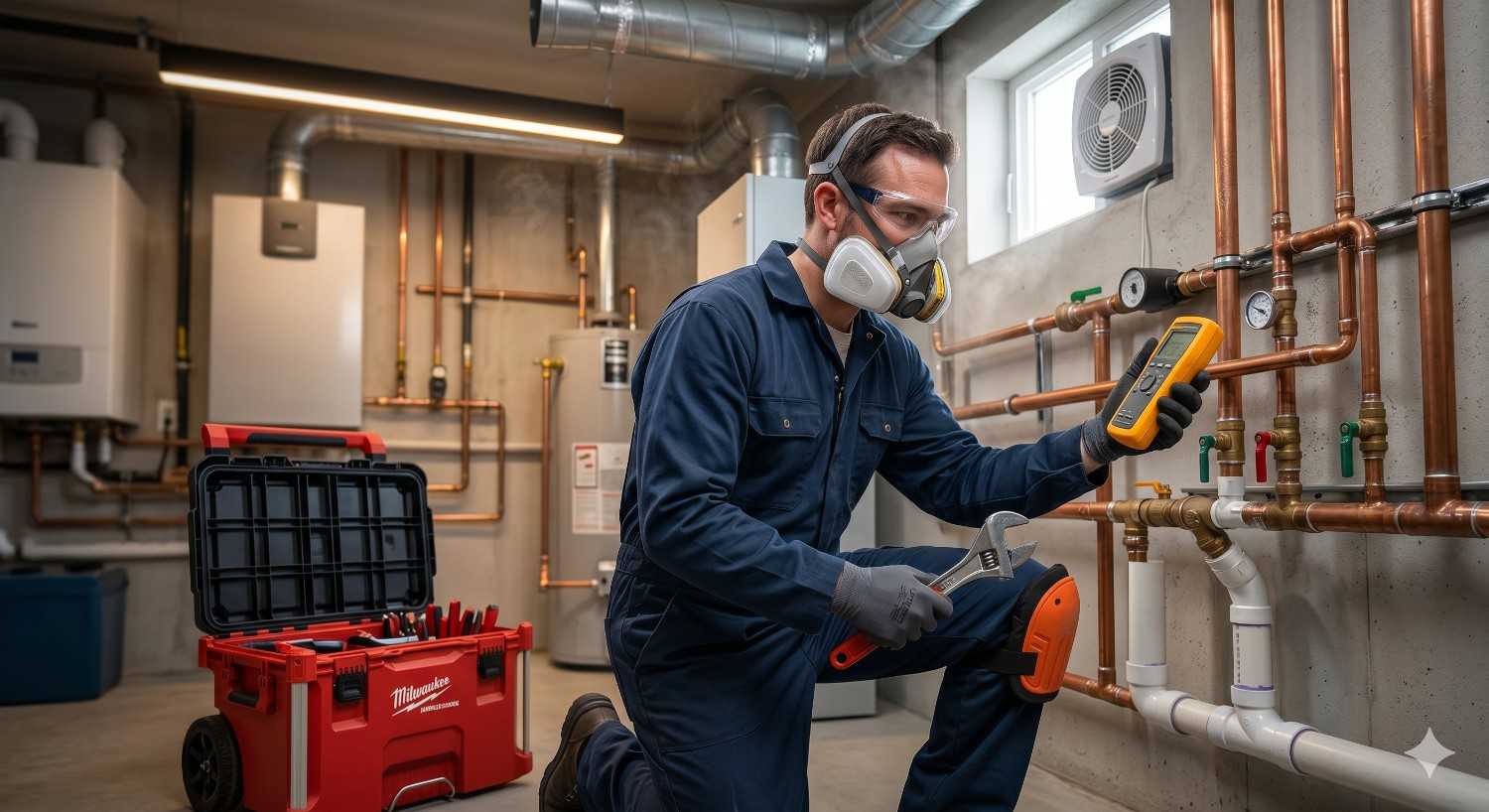
How Plumbers Can Protect Their Health on the Job
Healthy plumbing professionals follow practical routines: regular medical checkups, balanced meals, proper hydration, and consistent sleep. They wear respirators during chemical work, use knee pads, and lift with proper form. Many invest in cardiovascular fitness outside work hours. For homeowners and property managers, this matters too. A plumber who manages their health delivers more careful, consistent service. When you are choosing a licensed plumbing professional, credentials and safety standards often reflect the same discipline that protects long-term workmanship quality.
Conclusion
Heart disease is the number one killer of plumbers, fueled by physical strain, stress, irregular schedules, and ongoing chemical exposure across a working career.
For homeowners and property managers, recognizing these realities reinforces the value of working with experienced, well-supported plumbing professionals who prioritize safety and quality.
When you need dependable plumbing service, we connect you with vetted experts through Mr. Local Services. Book trusted, transparent plumbing help today.
Frequently Asked Questions
What is the leading cause of death among plumbers?
Heart disease is the leading cause, driven by physical strain, chronic stress, irregular schedules, chemical exposure, and lifestyle factors common throughout the plumbing trade.
Are plumbers exposed to dangerous chemicals?
Yes. Plumbers regularly contact lead, asbestos, mold, sewer gases, and solvents. Long-term exposure raises risks of respiratory disease, certain cancers, and chronic illness.
Is plumbing considered a high-risk profession?
Plumbing ranks among physically demanding trades with elevated injury and illness rates, including falls, burns, repetitive strain, and toxic exposure across both residential and commercial work.
How can homeowners support safer plumbing service?
Hire licensed, insured plumbers, provide clear access to work areas, share known hazards, and avoid pressuring rushed timelines that compromise safe, careful, high-quality workmanship.
Do plumbers have shorter life expectancies?
Studies suggest manual trade workers, including plumbers, often face shorter life expectancies than office workers, mainly due to cardiovascular strain, injuries, and cumulative occupational exposure.