A frozen lock on a cold morning can stop your day before it starts. Rubbing alcohol is one of the fastest, safest household solutions for thawing the ice inside the cylinder. It works because alcohol has a much lower freezing point than water and dissolves ice on contact. This guide explains exactly how to use it, when it works best, and what to do if the lock still refuses to turn.
Yes, Rubbing Alcohol Can Unfreeze a Lock
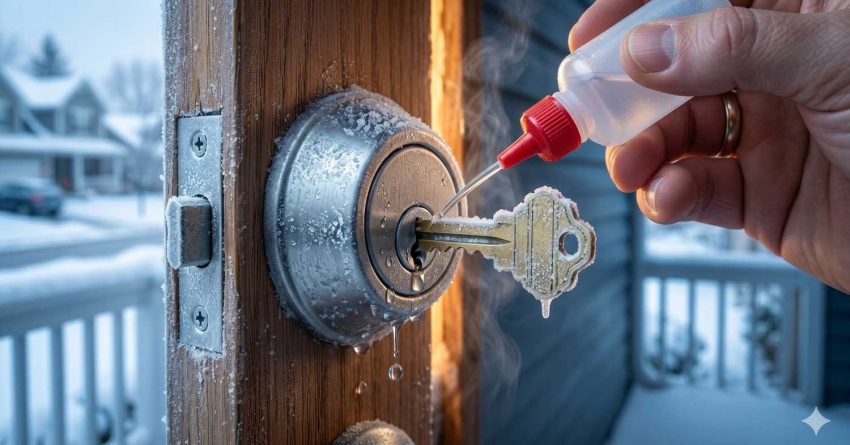
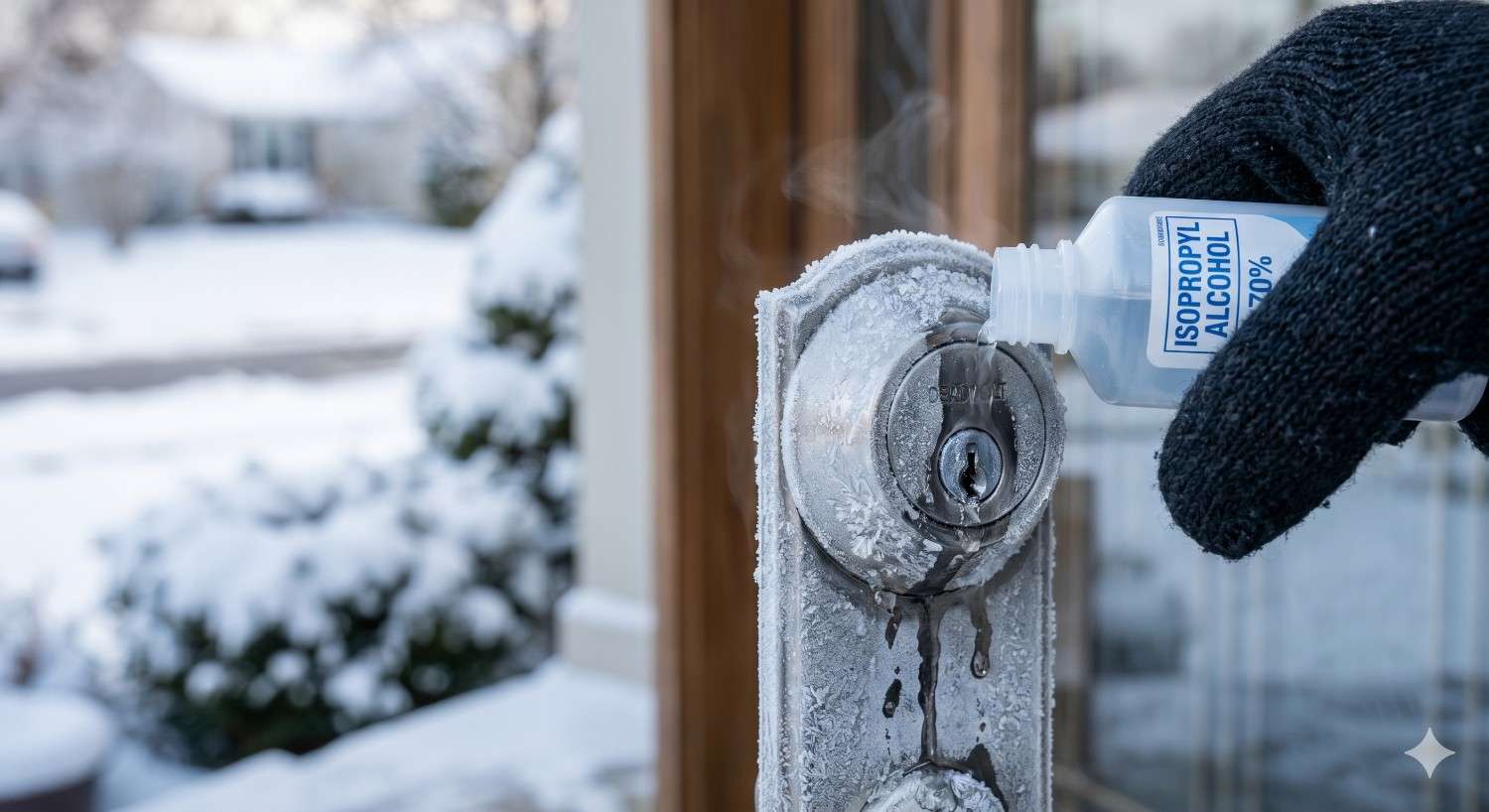
Rubbing alcohol unfreezes a lock effectively. Isopropyl alcohol melts the ice inside the lock cylinder within seconds because it stays liquid in temperatures far below water’s freezing point. Apply it directly into the keyhole or coat the key, insert it slowly, and gently work the lock. The ice dissolves, and the mechanism returns to normal function.
Why Rubbing Alcohol Works on Frozen Locks
Isopropyl alcohol freezes at roughly -128°F, far below any winter temperature in the USA. When it contacts the ice crystals inside a lock cylinder, it absorbs them into solution and lowers the freezing point of any remaining moisture. Concentrations of 70% or higher work best because they contain enough alcohol to break down the ice quickly without leaving heavy water residue behind that could refreeze later.
How to Apply Rubbing Alcohol Safely
Pour a small amount of rubbing alcohol into the keyhole, or saturate your key and insert it slowly. Wiggle the key gently. Do not force it, since a frozen pin can snap a key inside the cylinder. Wait fifteen to thirty seconds and try again. For exterior locks, hand sanitizer works as a backup because it contains a high alcohol percentage. After the lock opens, wipe the key dry to prevent moisture from refreezing inside the mechanism overnight.
If alcohol does not free the lock after several attempts, the problem may extend beyond surface ice. Internal corrosion, a damaged cylinder, or a deeply frozen deadbolt requires.
When Rubbing Alcohol Is Not Enough
Some frozen locks resist alcohol because the issue is not just ice. Worn pins, rust inside the cylinder, or a misaligned strike plate can mimic the symptoms of a frozen lock. If you have applied alcohol two or three times and the key still will not turn, stop. Forcing it risks breaking the key or damaging the cylinder, which turns a small problem into a costly repair.
Signs Your Lock Needs Professional Attention
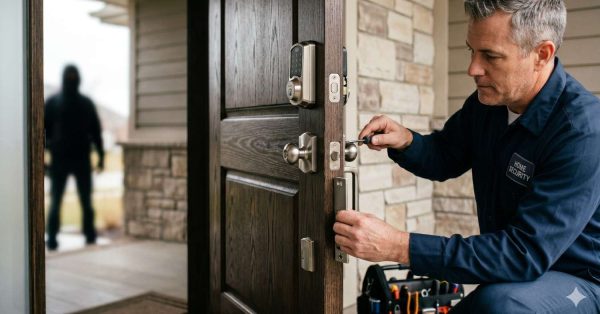
Watch for grinding sounds, a key that turns partway and stops, or a deadbolt that refuses to retract even after the cylinder rotates. These signals point to mechanical failure, not weather. A locksmith can rekey, replace, or repair the assembly the same day, which keeps your home secure and saves you from emergency lockouts during the coldest stretches of winter.
Preventing Frozen Locks in Cold Weather
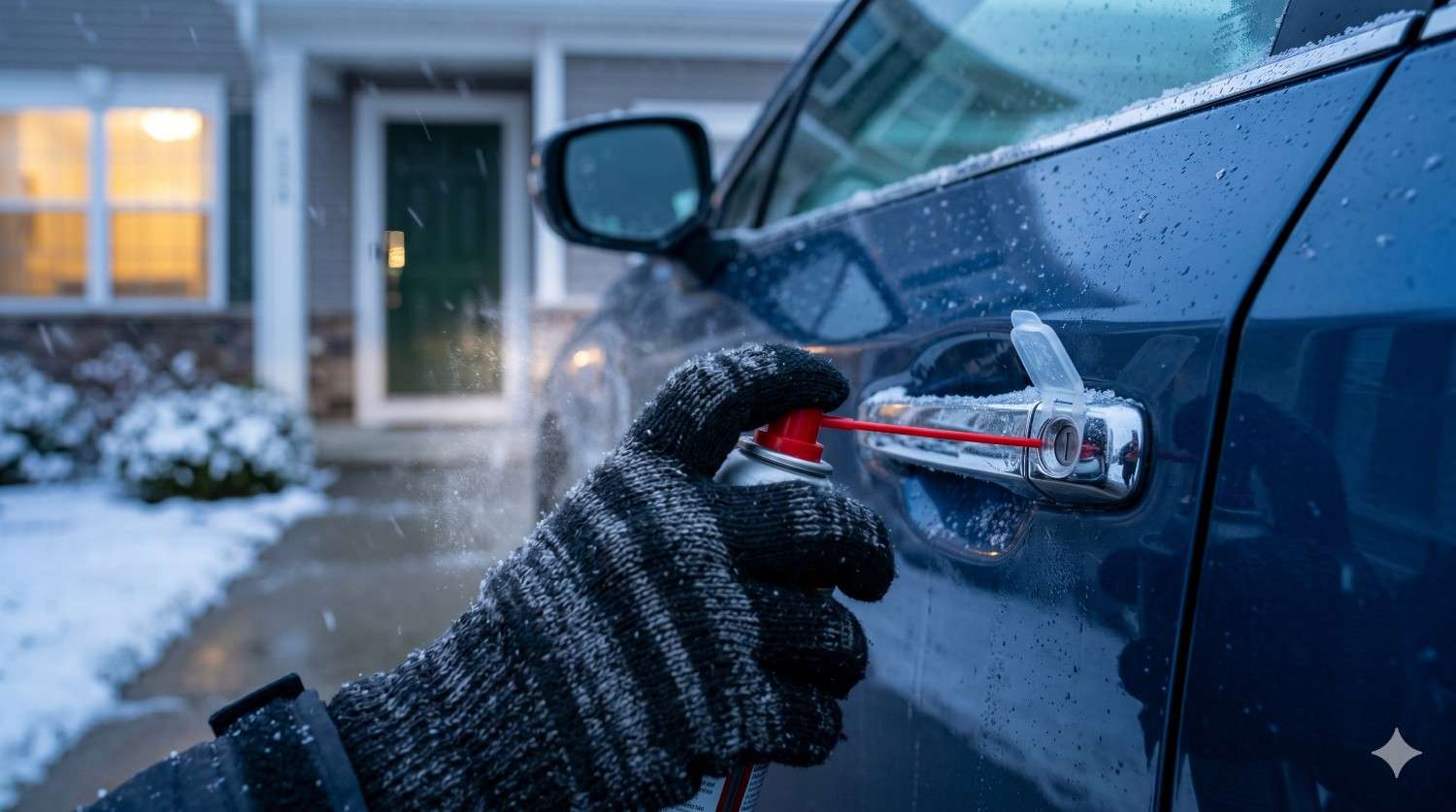
Prevention takes minutes and saves frustration. Spray a graphite or silicone-based lubricant into your locks each fall before temperatures drop. These products repel moisture without attracting dirt the way oil-based sprays do. Cover exterior keyholes with magnetic lock covers or weather-resistant tape during storms. Inspect weatherstripping around doors so wind-driven rain cannot seep into the mechanism. These small steps fit naturally into.
Conclusion
Rubbing alcohol unfreezes most locks quickly because its low freezing point dissolves ice on contact, restoring the cylinder to working order in under a minute.
For homeowners, landlords, and property managers, knowing this trick prevents lockouts, protects keys from breaking, and keeps tenants and family members safely inside during winter weather.
When alcohol falls short, Mr. Local Services connects you with trusted locksmiths and home service pros ready to solve the problem fast. Call us today.
Frequently Asked Questions
What concentration of rubbing alcohol works best on a frozen lock?
A concentration of 70% or higher works best. Higher percentages contain less water, melt ice faster, and leave less residue that could refreeze inside the cylinder.
Can hand sanitizer unfreeze a lock?
Yes. Hand sanitizer with a high alcohol content works as a substitute. Apply it to your key, insert slowly, and wiggle gently until the ice dissolves.
Will rubbing alcohol damage my lock?
No. Isopropyl alcohol evaporates cleanly and does not corrode internal pins or springs. Avoid pouring excessive amounts repeatedly, which can wash out lubricant.
How long does rubbing alcohol take to unfreeze a lock?
Most locks thaw within fifteen to thirty seconds after application. Heavily iced cylinders may need a second dose and another minute of patience.
Should I use hot water to unfreeze a lock instead?
No. Hot water refreezes quickly in cold weather and can crack the cylinder. Rubbing alcohol or a commercial deicer is always safer.