Structural damage and deferred maintenance decrease property value the most, often cutting market worth by 10% to 25% or more. Foundation cracks, roof failure, water intrusion, and visible neglect signal expensive future repairs to buyers and appraisers. Outdated systems, poor curb appeal, and neighborhood decline also pull values down. Understanding which problems hurt your home the most helps homeowners and property managers protect long-term equity and avoid costly surprises at sale time.
The Single Biggest Factor That Decreases Property Value
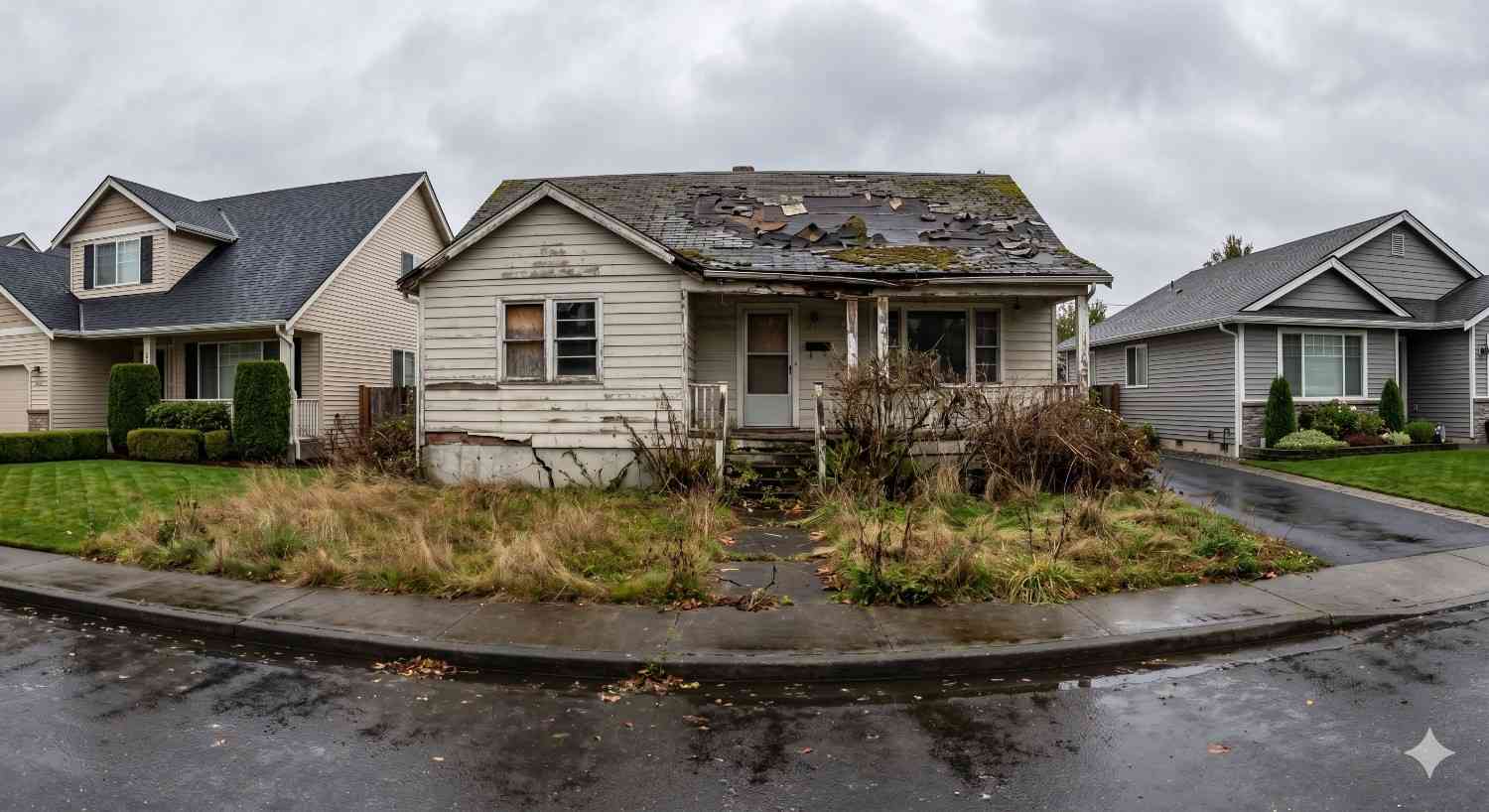
Structural problems and unaddressed maintenance damage property value more than any other factor. Foundation issues, sagging roofs, rotting framing, and chronic moisture intrusion can reduce a home’s appraised value by up to 25%. Buyers see these as deal-breakers because repairs are expensive, disruptive, and often uncover deeper problems once contractors begin work.
Structural and Foundation Damage
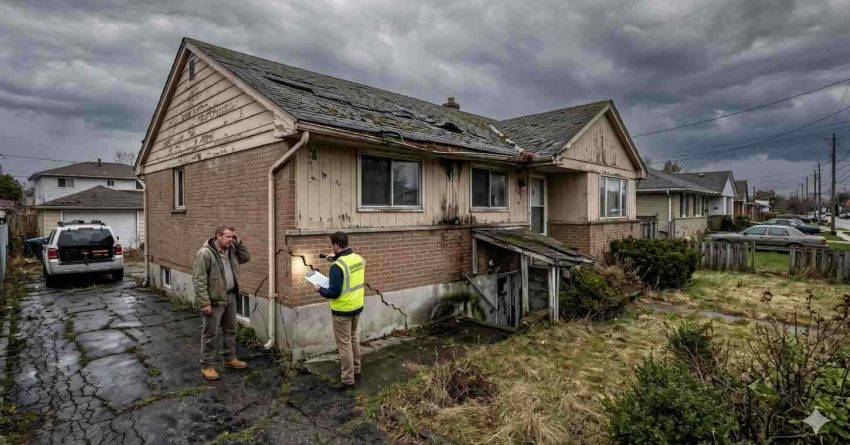
Foundation cracks, settling, and shifting walls scare buyers faster than almost anything else. A compromised foundation threatens the entire structure, raises insurance concerns, and frequently triggers failed inspections. Even minor cracks can suggest soil movement or drainage failure underneath. Repair costs often run between $5,000 and $40,000, and appraisers routinely discount homes well beyond the repair estimate because of perceived risk. Catching early warning signs like sticking doors, uneven floors, or stair-step cracks in brickwork protects long-term value.
Deferred Maintenance and Visible Neglect
Small problems left unfixed compound quickly. Peeling paint, broken fixtures, clogged gutters, cracked driveways, and overgrown landscaping tell buyers the home has been neglected behind the scenes too. Appraisers adjust value downward for every visible defect. Property managers and landlords face the same penalty during rental valuations. Consistent upkeep, seasonal inspections, and prompt minor repairs preserve more value than almost any single renovation project.
Recognizing the biggest threats is one part of the picture. Addressing water intrusion early and tackling the next tier of problems is where most homeowners actually recover lost value.
Other Major Issues That Lower Home Value
Beyond structure and neglect, several specific conditions consistently pull appraisals down. These issues often start small, escalate quickly, and become more expensive the longer they remain unresolved. They also influence buyer perception of overall home condition.
Water Damage, Mold, and Roof Problems
Water is the most destructive force inside a home. Leaks behind walls, basement seepage, and chronic humidity create mold, rot framing, and ruin flooring. Mold remediation alone can cost $2,000 to $30,000 depending on severity. A failing roof system accelerates every water-related problem and is among the first items inspectors flag during a sale.
Outdated Systems and Poor Curb Appeal
Aging electrical panels, old plumbing, failing HVAC equipment, and outdated kitchens or bathrooms reduce buyer interest and appraisal values. Knob-and-tube wiring, galvanized pipes, and 20-year-old furnaces often require full replacement. Curb appeal matters just as much. Faded paint, dead landscaping, cracked walkways, and worn doors create negative first impressions that lower offers before buyers ever step inside.
External Factors Homeowners Cannot Fully Control
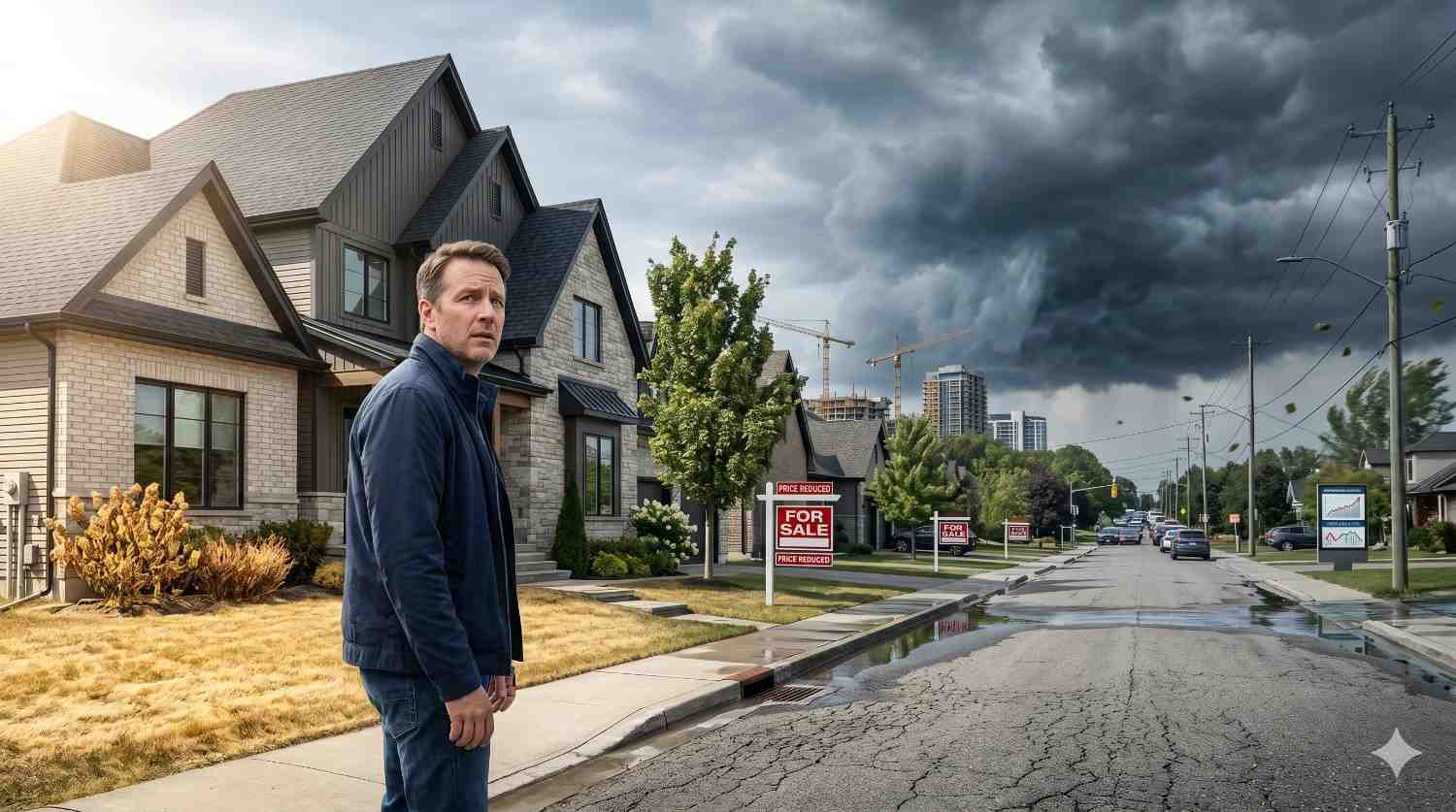
Some value-killers sit outside the property line. Rising crime rates, declining school districts, nearby foreclosures, busy roads, industrial development, and natural disaster zones all reduce home value. Noisy neighbors, poorly maintained adjacent properties, and changes in zoning can also hurt resale. While homeowners cannot change these factors, they can offset losses by maintaining their property to the highest standard possible, ensuring it remains the strongest home on the block during appraisals and showings.
Conclusion
Structural damage, water intrusion, deferred maintenance, outdated systems, and poor curb appeal decrease property value the most, signaling risk to buyers and appraisers.
Protecting equity requires consistent upkeep, timely repairs, and strategic remodeling upgrades that modernize key systems and reinforce long-term marketability.
We help homeowners and property managers preserve value year-round. Connect with Mr. Local Services today for trusted maintenance, repair, and improvement solutions.
Frequently Asked Questions
What lowers home appraisal value the most?
Structural damage, foundation problems, roof failure, water damage, and visible deferred maintenance lower appraisal value the most, often reducing worth by tens of thousands of dollars.
Does an old roof decrease property value?
Yes, an old or damaged roof significantly lowers property value because buyers anticipate replacement costs and inspectors flag it as a major upcoming expense during sale negotiations.
How much does water damage decrease home value?
Active or past water damage can decrease home value by 10% to 25%, especially when mold, rot, or compromised structural elements are discovered during inspection.
Does poor curb appeal really affect property value?
Yes, poor curb appeal reduces property value by lowering first impressions, shrinking buyer interest, and signaling neglect that often translates to lower offers and appraisals.
Can outdated kitchens and bathrooms hurt home value?
Outdated kitchens and bathrooms reduce home value because buyers prioritize modern finishes, efficient layouts, and updated fixtures when comparing homes within the same neighborhood.