Yes, adding a deck increases your home’s property value, and it remains one of the most cost-effective outdoor improvements in the U.S. housing market. A well-built deck expands livable square footage, improves curb appeal, and appeals directly to buyers looking for outdoor entertainment space. The actual value gain depends on the deck’s material, size, condition, and how well it fits the home’s style and regional buyer expectations.
Yes, Adding a Deck Increases Property Value
A new deck typically recovers between 50% and 80% of its construction cost at resale, according to industry remodeling data. Wood decks generally deliver the strongest return because of their lower upfront cost, while composite decks add long-term durability buyers reward with a higher asking price. Beyond resale, decks make homes sell faster by improving listing photos and outdoor appeal.
Average ROI on a New Deck
A standard pressure-treated wood deck returns roughly 50% of its cost when the home sells, while composite decks recover closer to 40% to 45% because of higher material costs. In strong housing markets, well-designed decks have helped homes list $5,000 to $15,000 higher than comparable properties without one. The return is highest when the deck matches the home’s scale and the neighborhood’s price range. Oversized or overbuilt decks rarely return their full cost, especially in modest markets.
Why Decks Add Measurable Value
Decks add value because they create usable outdoor square footage at a fraction of the cost of an indoor addition. Buyers see decks as ready-made spaces for dining, relaxing, and entertaining, which shortens decision time during showings. A clean, structurally sound deck also signals that the home has been well maintained. Homes with attractive outdoor living areas consistently attract more offers, especially in suburban markets where backyard use is a top buyer priority.
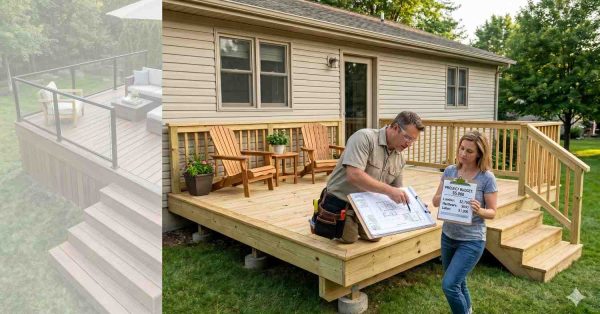
The financial answer is clear, but the real value depends on execution. That is where professional deck building services shape the long-term return through proper design, permitting, and construction quality.

Factors That Influence How Much Value a Deck Adds
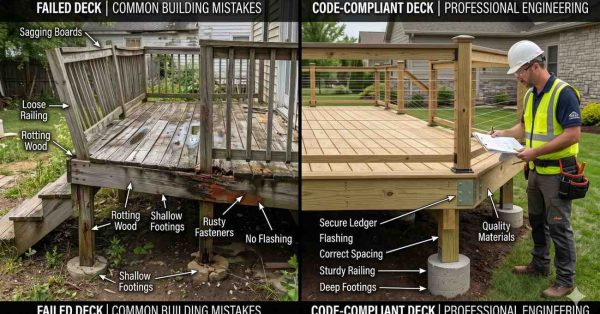
Not every deck adds equal value. The size must match the home, materials should suit the climate, and the design should complement the home’s architecture. Permits, code compliance, and warranty documentation also influence appraisal value. A poorly built or aging deck can actually reduce a home’s value because buyers see it as a future repair cost. Keeping the deck in strong condition through regular deck maintenance and repairs protects the original investment and preserves resale appeal.
Material, Size, and Build Quality
Pressure-treated wood is affordable and recovers cost well, while cedar and redwood offer better aesthetics at a higher price. Composite materials like Trex cost more upfront but require minimal upkeep and last 25 to 30 years. Size matters too: decks should generally not exceed 20% of the home’s total square footage. Professional construction with permits and inspections protects resale value, since unpermitted decks often surface during inspections and reduce buyer confidence.
When a Deck May Not Pay Off
A deck does not guarantee a strong return in every scenario. Building a luxury composite deck on a modest starter home rarely recovers full cost. Decks in cold-climate regions with short outdoor seasons return less than those in warm markets like Florida, Texas, or California. Poor design choices, low-quality materials, or DIY builds without permits can actively lower property value. Homes already at the top of their neighborhood price range also see diminished returns from major additions.
Conclusion
Adding a deck increases property value when the size, materials, and build quality align with the home and market. Most homeowners recover 50% to 80% of project costs at resale.
For homeowners planning long-term, pairing a deck with other high-ROI home improvements creates compounding value across the property.
Ready to build a deck that adds real value? Connect with Mr. Local Services today to find trusted deck professionals in your area.
Frequently Asked Questions
How much value does a deck add to a home?
A deck typically adds $5,000 to $15,000 in resale value depending on size, materials, and local market conditions. Wood decks often deliver the strongest cost-to-value return.
Is a wood deck or composite deck better for resale?
Wood decks recover more upfront cost, but composite decks attract buyers seeking low maintenance and longer lifespan, which can support higher listing prices in competitive markets.
Do decks require permits to add property value?
Yes. Unpermitted decks often appear during home inspections and reduce buyer confidence. Permitted, code-compliant decks protect appraisal value and prevent resale complications.
How long does a deck last before it loses value?
Pressure-treated wood decks last 15 to 20 years with proper care, while composite decks last 25 to 30 years. Regular maintenance preserves value across both materials.
Does a deck increase home value more than a patio?
Decks generally add more value than patios because they create elevated outdoor living space, expand usable square footage, and improve curb appeal more visibly from the street.