Choosing decking is a long-term investment, and lifespan should sit at the top of your decision list. Some materials hold up for decades with minimal effort, while others demand constant attention to reach half that age. This guide breaks down which decking lasts the longest, how each material performs under real conditions, and what homeowners, landlords, and property managers across the USA should weigh before committing to a build.
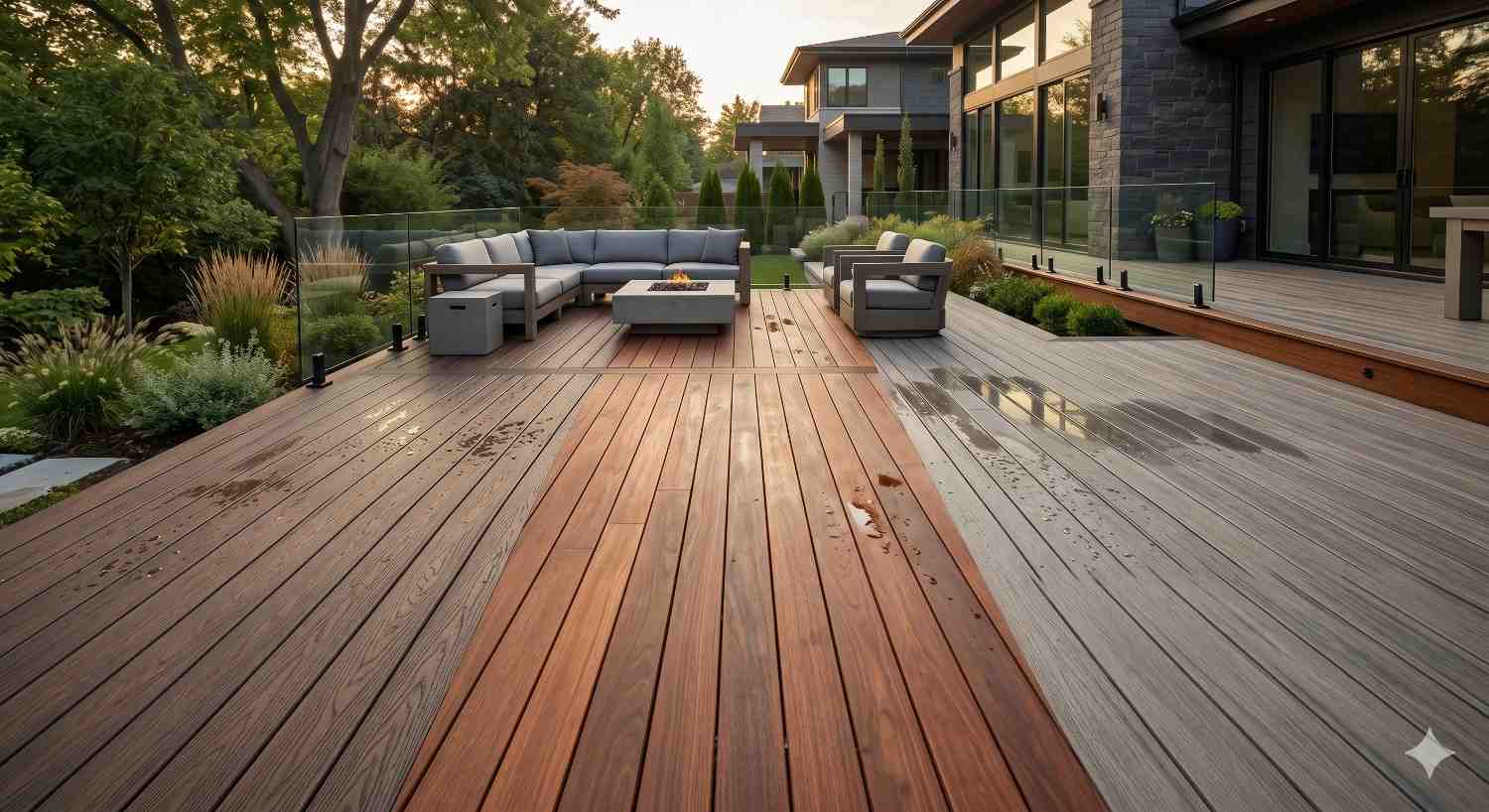
The Longest-Lasting Decking Material
PVC (cellular vinyl) decking lasts the longest, with a typical service life of 30 to 50 years. High-quality capped composite decking follows closely at 25 to 30 years, while pressure-treated wood averages 15 to 20 years and natural hardwoods like ipe reach 25 to 40 years with consistent maintenance.
PVC outperforms other options because it contains no organic material. Without wood fibers, it cannot rot, splinter, or feed insects. Composite decking blends recycled wood and plastic with a protective polymer cap, giving it strong resistance to moisture, fading, and stains. Both options carry manufacturer warranties of 25 to 50 years, which reflects their proven durability.
Why PVC and Composite Outlast Wood
Wood decking, even premium hardwood, contains cellulose. Cellulose absorbs water, expands, contracts, and eventually breaks down. This natural cycle invites mold, rot, and insect activity. PVC eliminates that vulnerability entirely. Capped composite hides its wood content beneath a sealed polymer shell, so moisture cannot reach the core. The result is decking that holds its color, texture, and structural integrity through decades of seasonal swings, foot traffic, and direct sun.
Lifespan Ranges by Material Type
Here is how the most common decking materials compare under typical residential conditions:
- PVC decking: 30 to 50 years
- Capped composite: 25 to 30 years
- Tropical hardwood (ipe, cumaru): 25 to 40 years with sealing
- Cedar and redwood: 15 to 25 years
- Pressure-treated pine: 15 to 20 years
- Uncapped composite: 10 to 15 years
These ranges assume standard climate exposure and reasonable upkeep. Coastal salt air, heavy snow loads, or chronic shade can shorten any of these numbers significantly.
Material choice sets the ceiling, but professional deck installation determines whether your deck actually reaches it.
How Climate and Installation Affect Deck Lifespan
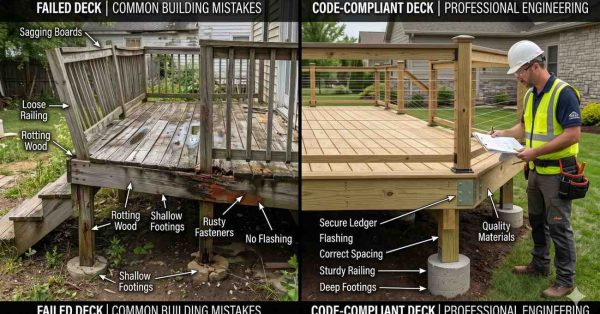
Even the longest-lasting material fails early when installed poorly or ignored after the build. Joist spacing, fastener quality, drainage, and ventilation under the deck all shape how long the surface holds up. Humid southern climates accelerate rot in wood. Northern freeze-thaw cycles stress fasteners and split boards. Properties near saltwater face faster corrosion of hardware regardless of the decking on top.
Installation details matter as much as the boards themselves. Hidden fasteners reduce surface damage. Stainless or coated screws prevent staining and pull-through. Proper flashing where the deck meets the house stops water from rotting the ledger board, the single most common cause of structural deck failure.
Maintenance Habits That Extend Deck Life
Wood decks need annual cleaning, inspection, and sealing every two to three years to reach their expected lifespan. Composite and PVC need far less, but they still benefit from routine deck maintenance and sealing checks for loose fasteners, debris in board gaps, and worn flashing.
A scheduled pressure washing once or twice a year removes mildew, pollen, and ground-in dirt that wear down any surface over time.
Choosing the Right Decking for Your Property
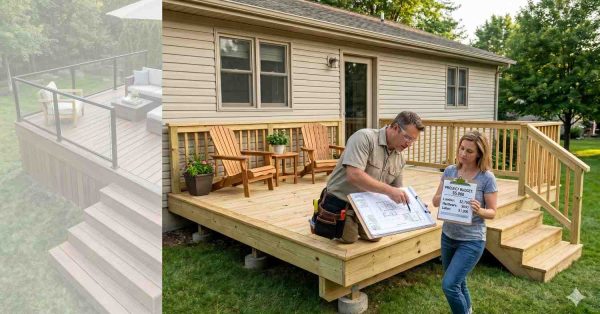
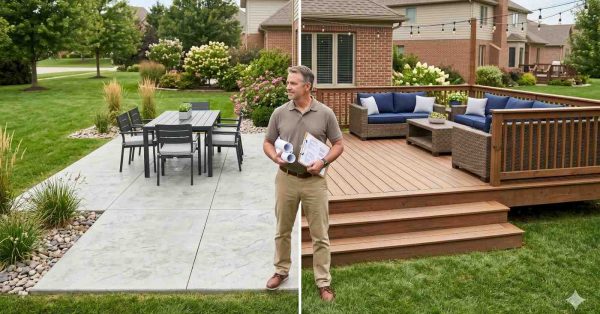
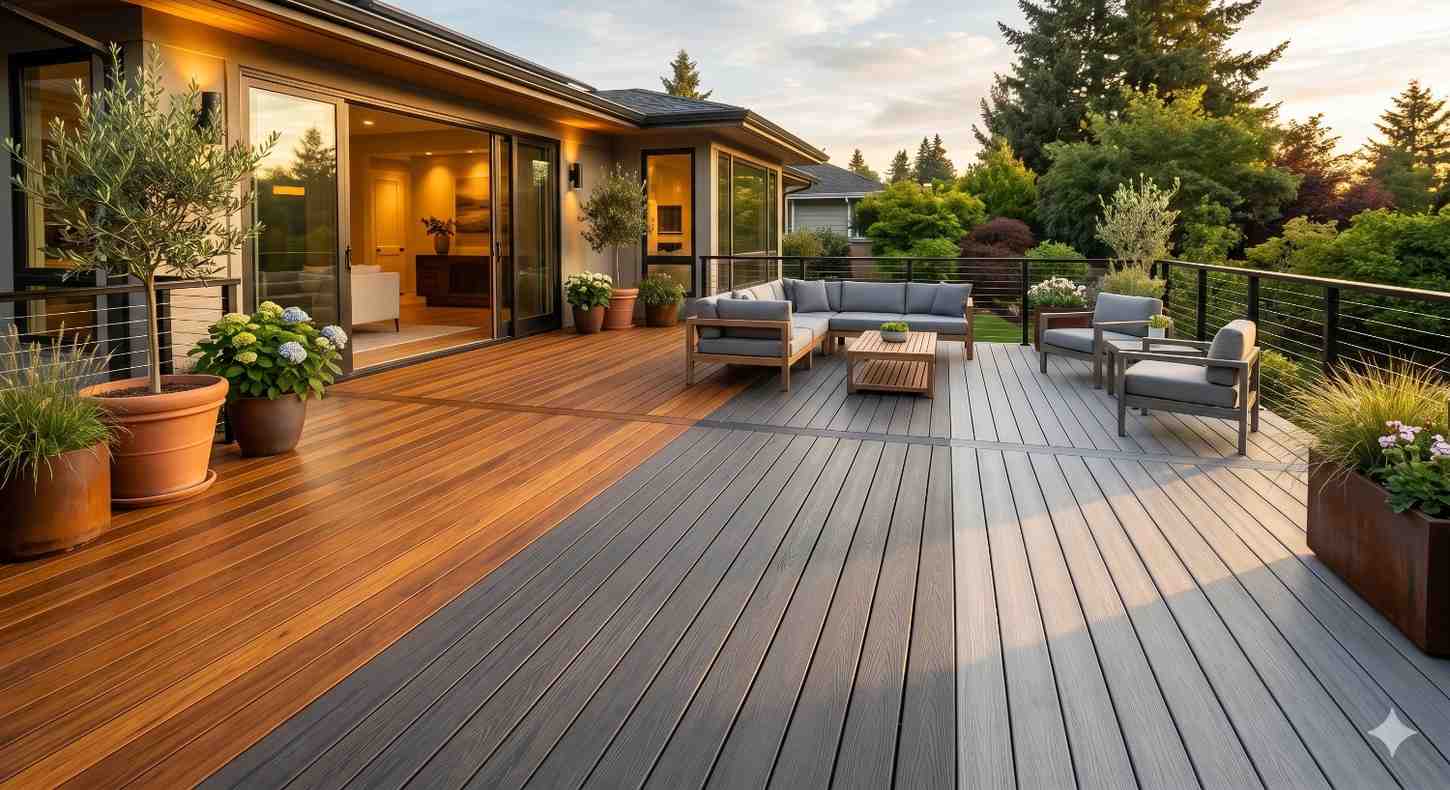
The longest-lasting material is not always the right one. PVC offers the most years but costs two to three times more upfront than pressure-treated wood. Composite balances cost and longevity for most suburban homes. Hardwood appeals to owners who want natural beauty and accept the maintenance commitment. Rental properties and commercial buildings often favor PVC or composite for the low upkeep and predictable lifespan, which simplifies budgeting and reduces tenant complaints.
Conclusion
PVC decking lasts the longest, with capped composite and tropical hardwoods close behind. Material quality, climate, installation, and maintenance together decide the real lifespan.
For property owners across the USA, choosing decking is a decision that pays back over decades through fewer repairs, lower replacement costs, and stronger property value.
We help you select, install, and maintain the right deck for your property. Connect with Mr. Local Services today to find trusted local deck professionals.
Frequently Asked Questions
Which decking material requires the least maintenance?
PVC decking requires the least maintenance. It needs only occasional washing, with no staining, sealing, or sanding required throughout its 30 to 50 year lifespan.
Is composite decking worth the higher cost?
Yes for most homeowners. Composite costs more upfront but eliminates staining and sealing, lasts 25 to 30 years, and saves significant maintenance time and expense long term.
How long does pressure-treated wood decking last?
Pressure-treated pine decking typically lasts 15 to 20 years when sealed every two to three years. Without consistent maintenance, the lifespan drops to under 12 years.
Does ipe decking really last 40 years?
Yes, ipe can last 25 to 40 years when properly installed with stainless fasteners and oiled annually. Neglected ipe still outlasts most softwoods but loses its color faster.
Can old decking be replaced with longer-lasting material?
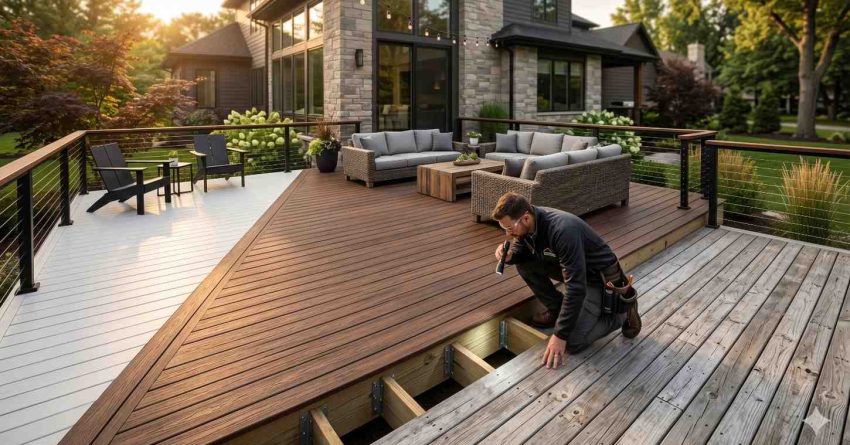
Yes. Existing framing can often support new PVC or composite boards if joists are sound. A professional inspection confirms whether the substructure meets current code.