You can tell your house is falling apart when you notice cracks in the foundation, sagging rooflines, sloping floors, persistent leaks, peeling paint, and doors that no longer close properly. These warning signs point to structural, moisture, or system failures that worsen over time. Spotting them early protects your safety, prevents costly repairs, and helps you decide whether to schedule routine maintenance or urgent professional service.
Clear Signs Your House Is Falling Apart
A house is falling apart when multiple systems show damage at once: cracked foundations, sagging rooflines, sloping floors, persistent leaks, mold growth, and doors or windows that stick. These signs indicate structural movement, water intrusion, or aging materials that can no longer protect the home from weather, pests, and daily wear.
Structural Warning Signs You Should Never Ignore
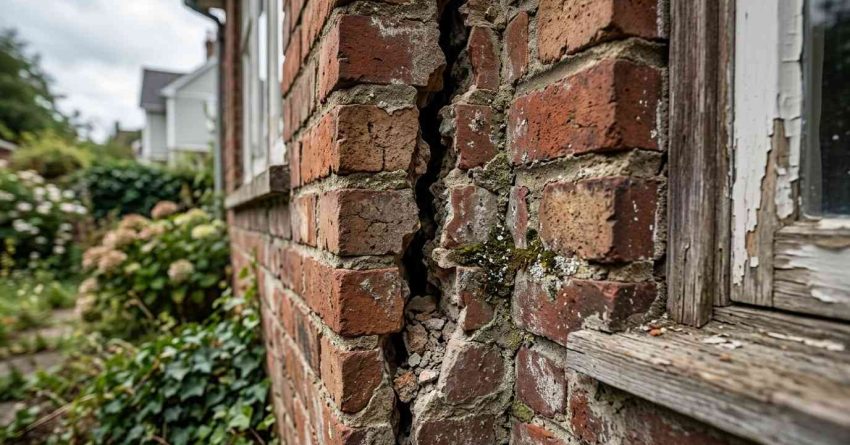
Structural problems are the most serious indicators. Look for stair-step cracks in brick walls, gaps wider than a quarter inch in drywall, doors that scrape the frame, and floors that visibly slope. Bowed basement walls, separating crown molding, and nails popping out of drywall also point to foundation movement or framing stress. These issues rarely fix themselves. They usually progress, and the longer they sit untreated, the more expensive the repair becomes for homeowners and property managers.
Exterior Damage That Signals Bigger Problems
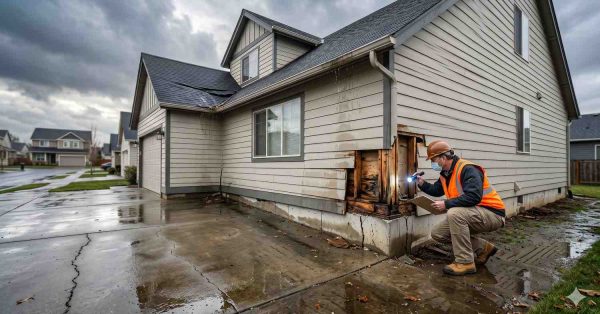
The exterior tells you how the home is holding up against weather. Missing or curling shingles, sagging gutters, cracked siding, rotting wood trim, and crumbling mortar joints all suggest the protective shell is breaking down. Standing water near the foundation, peeling exterior paint, and visible daylight through attic boards mean moisture is already getting inside. Each of these signs raises the risk of structural decay, pest entry, and energy loss across the property.
The visible damage is only the surface story. What sits behind the walls often tells you whether the home is aging gracefully or actively breaking down, starting with signs of serious roof damage that can compromise everything below.
Interior Red Flags Inside Your Home
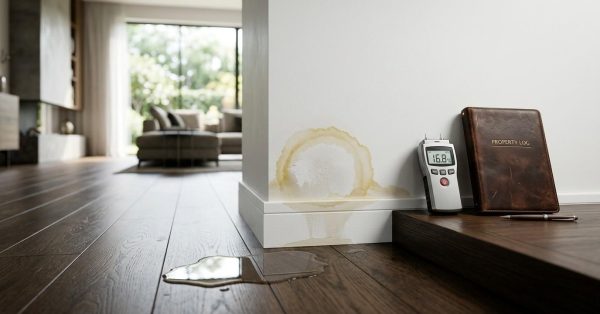
Inside the home, problems often hide until they spread. Watch for soft spots on floors, water stains on ceilings, musty odors, bubbling paint, and warped baseboards. Cracks above doorways, drafts near windows, and mold around bathroom or kitchen fixtures all point to deeper failures. Hidden moisture and water damage inside walls and ceilings can quietly weaken framing, ruin insulation, and create health risks long before the staining becomes obvious to anyone living in the home.
Plumbing, Electrical, and Moisture Issues
Old plumbing shows itself through low water pressure, slow drains, rusty water, and leaks under sinks. Aging electrical systems flicker lights, trip breakers, and warm outlets to the touch. Moisture problems appear as condensation on windows, peeling wallpaper, and dark patches in corners. When two or more of these systems show stress at the same time, the home is signaling that maintenance has fallen behind. Acting early prevents small failures from turning into structural or safety emergencies.
When to Call a Professional vs. DIY Fixes
Cosmetic issues like minor paint cracks, loose cabinet hinges, or a single dripping faucet are safe DIY tasks. Anything involving foundation cracks, roof leaks, sagging floors, persistent mold, electrical heat, or sewer odors needs a licensed professional. Property managers and landlords should document each issue with photos and dates. A qualified inspection identifies the root cause, prioritizes repairs by urgency, and protects long-term property value across residential and commercial buildings.
Conclusion
A house falling apart shows itself through structural cracks, roof and exterior damage, moisture intrusion, and aging plumbing or electrical systems noticed together.
Acting on these signs early protects safety, value, and comfort, and a trusted handyman repair team can handle most issues before they escalate.
We connect you with vetted local pros at Mr. Local Services. Schedule an inspection today and keep your property safe, sound, and well-maintained.
Frequently Asked Questions
What are the first signs a house is falling apart?
Foundation cracks, sloping floors, sticking doors, roof leaks, and peeling exterior paint are typically the earliest visible signs that a home is deteriorating.
How do I know if cracks in my walls are serious?
Stair-step cracks in brick, horizontal cracks, or gaps wider than a quarter inch usually signal structural movement and require a licensed inspection right away.
Can a falling-apart house be saved?
Yes. Most homes can be restored through targeted structural, roofing, plumbing, and moisture repairs when problems are addressed early by qualified professionals.
How often should I inspect my home for damage?
Inspect your home twice a year, ideally in spring and fall, and after major storms, heavy rain, or extreme temperature changes throughout the year.
Should I repair or replace a deteriorating home?
Repair is usually smarter when damage is localized. Replacement or major remodeling makes sense only when structural systems have failed beyond reasonable repair costs.